Plot Explained Spoilers guaranteed!
Plot Explained

Browse by genre

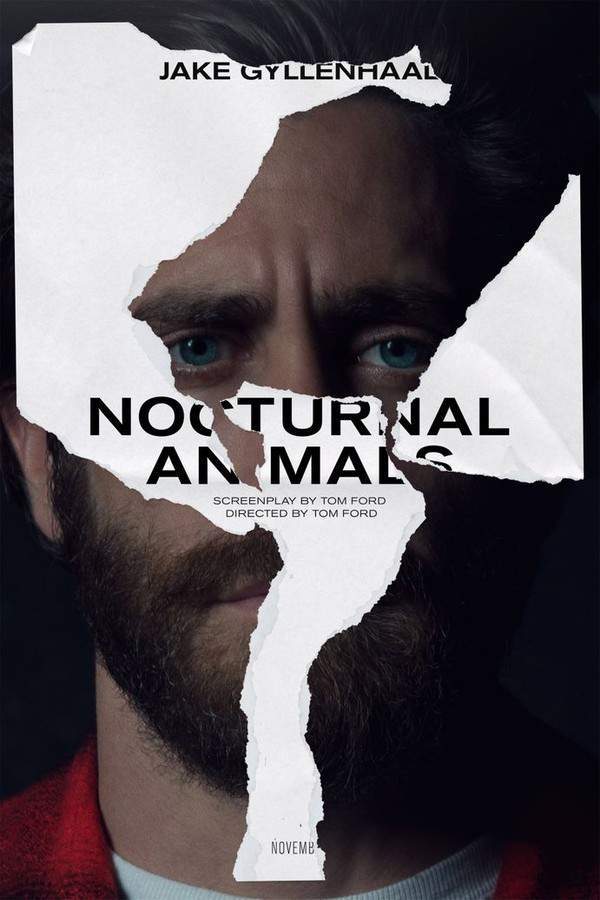
Nocturnal Animals (2016) movie poster

Timeline

Nocturnal Animals (2016) Timeline Explained – Every Event in Order

Release, runtime and language
2016 · 116 min · English
Loading streaming availability…
Directed by
Tom Ford
Starring
Michael Shannon, Amy Adams, Aaron Taylor-Johnson, Jake Gyllenhaal, Isla Fisher

A gallery owner, Susan Morrow, finds her life disturbed by her husband’s absences and the unexpected delivery of a manuscript from her former husband, Edward Sheffield. The novel, a violent thriller about a man and his family targeted by dangerous criminals, forces Susan to reflect on her past relationship with Edward and the choices she has made. As she reads, the lines between the fictional narrative and her own memories blur, compelling her to examine painful truths and the darkness within her.

On this page (7)
  1. 1 Where to watch
  2. 2 Events in order (15)
  3. 3 Timeline questions answered
  4. 4 The book behind the movie
  5. 5 Movie threads
  6. 6 Movies like Nocturnal Animals
  7. 7 Every angle
Loading streaming availability…

15 events in order · contains spoilers

Nocturnal Animals Timeline: Events in Chronological Order

Every key event of Nocturnal Animals (2016) in order, scene by scene, with when and where it takes place. Use it to untangle flashbacks, time jumps and parallel storylines, to refresh your memory before the sequel or to find the exact scene you are thinking of.

  1. Susan's Lavish Lifestyle

    The story begins by establishing Susan's opulent life as a gallery curator, living in a stunning estate overlooking Los Angeles. Surrounded by staff and security, she embodies luxury but remains emotionally isolated.

    Where
    Los Angeles
  2. Package from Edward

    One day, Susan receives a surprising package from her ex-husband, Edward Sheffield. Inside the package is a manuscript titled *Nocturnal Animals*, dedicated to her, which reignites old memories and emotions.

    Where
    Susan's Estate
  3. Edwards's Intent

    Edward's intention to meet Susan in Los Angeles raises her curiosity and anxiety. Her head of security asks about staffing for the weekend, but Susan opts for solitude, indicating her desire to read the manuscript alone.

    Where
    Susan's Estate
  4. Struggles with Insomnia

    That evening, Susan battles insomnia, taking medication to help her sleep. The weight of her unresolved feelings about Edward begins to seep into her psyche, marking a transition into the deeper narrative of the manuscript.

    Where
    Susan's Bedroom
  5. Breakfast with Hutton

    The morning after, Susan shares breakfast with her husband Hutton, who expresses his regrets about missing her art show. Their conversation highlights the growing chasm in their relationship as she feels neglected and dismissed.

    Where
    Susan's Kitchen
  6. Reading the Manuscript

    Susan starts reading the *Nocturnal Animals* manuscript, which introduces Tony Hastings embarking on a family road trip. The onset of a seemingly normal journey hints at the impending tension and danger ahead.

    When
    Morning
  7. The Ominous Encounter

    As the family travels through Texas, they encounter two cars that seem to follow them ominously. What begins as mere discomfort escalates into a threatening situation, foreshadowing the chaos that is about to unfold.

    Where
    Texas
  8. Confrontation with the Redneck

    The tension culminates when Tony is confronted by a menacing redneck who questions his refusal to pull over. Desperation sets in as Tony chooses to keep his family inside the car amidst escalating threats.

    Where
    Texas Road
  9. Tragedy Strikes

    The story takes a dark turn as tragedy strikes Tony's family, leaving him to grapple with the consequences of violence and his inability to protect them. Susan feels the weight of the narrative echoing her own emotional turmoil.

  10. Susan's Reflection

    As Susan reads on, she is haunted by memories of her past with Edward and their relationship. The painful parallels between Tony's experiences and her own life choices begin to crystallize.

    Where
    Susan's Estate
  11. Climactic Showdown

    The manuscript builds toward a climactic showdown between Tony and his family's abductors. This moment serves as a poignant metaphor for Susan's internal struggles regarding her regrets and past decisions.

    Where
    Texas
  12. Email to Edward

    After finishing the manuscript, Susan feels compelled to reconnect with Edward, sending him an email to suggest a meeting. This act signifies her recognition of the impact of his narrative on her life.

  13. Betrayal and Reflection

    As Susan prepares for the anticipated reunion, she is struck by the realization that Edward never arrives. This moment marks the culmination of her reflections on love and betrayal, enveloping Susan in solitude once more.

    Where
    Susan's Estate
  14. Understanding the Narrative

    The haunting narrative of *Nocturnal Animals* serves as a lens through which Susan views her own life. She confronts the painful truths of her choices, mirroring the themes of loss and revenge that pervade Edward's story.

  15. Emotional Upheaval

    The emotional weight of Edward's manuscript reverberates within Susan, leaving her alone with her internal turmoil. She reflects on her life choices, realizing how profoundly they intertwine with the fate of both her and Edward.

Last updated: November 08, 2024 at 07:07

Was this helpful?

Timeline questions answered

Nocturnal Animals Timeline Explained: Your Questions Answered

When does it happen, and why in that order? The questions people ask about the chronology of Nocturnal Animals (2016): time jumps, flashbacks, cause and effect between scenes and the correct order of events, each answered with spoilers.

Q1

Why does Edward send Susan his manuscript?

Edward sends Susan the manuscript as a form of emotional reckoning. Through the violent story of Tony Hastings and his family, Edward channels the pain of their past, specifically how Susan abandoned him when he was struggling, choosing security and success over their relationship. The dedication to Susan makes clear the story is about her, serving as both an accusation and an attempt to make her understand the damage she caused.

Foreshadowing: Earlier scenes show Susan dismissing Edward's artistic ambitions, foreshadowing why his novel would be so bitter and violent.

  • edward sheffield
  • manuscript
  • Nocturnal Animals
  • ex-husband
  • revenge
Q2

Why doesn't Edward meet Susan at the end?

Edward never intended to meet Susan in person. Sending the manuscript was his final communication, a way to confront her with the truth without having to face her again. When Susan emails wanting to meet, Edward simply doesn't respond or appear. This is the ultimate rejection: forcing Susan to experience the same abandonment she inflicted on him years ago. She is left alone, just as he was.

Foreshadowing: Edward's package arrives without any personal note or call, hinting he wants only to deliver the story, not a reunion.

  • edward sheffield
  • meeting
  • rejection
  • no-show
  • ending
Q3

How is Tony's story related to Susan and Edward's relationship?

Tony Hastings represents Edward himself, while Tony's wife and daughter symbolize the family Edward lost when Susan left him. The violent criminals who destroy Tony's family parallel how Susan's departure shattered Edward's life. The manuscript is Edward's way of showing Susan what she did to him, not through explanation, but through devastating fiction that mirrors his trauma.

Foreshadowing: The manuscript's dedication to Susan signals early that this story is about her, not just a random thriller.

  • tony hastings
  • parallel
  • manuscript
  • symbolism
  • edward sheffield
Q4

Why did Susan leave Edward for Hutton?

Susan left Edward because she couldn't handle his emotional vulnerability and lack of financial security. Flashbacks reveal Edward was a struggling, sensitive writer while Hutton represented stability and success. Susan chose material security over emotional depth, abandoning Edward during his darkest period. The manuscript forces her to confront that her success came at the cost of betraying someone who loved her truly.

Foreshadowing: Susan's dismissive remarks about Edward's career and her preference for Hutton's wealth are visible early in her conversations.

  • susan morrow
  • edward sheffield
  • hutton
  • leaving
  • betrayal
  • choice
Q5

Is Hutton cheating on Susan?

While never explicitly confirmed, the movie heavily implies Hutton is having an affair. He's frequently absent for work trips, misses important events in Susan's life, and offers vague excuses. More tellingly, Susan suspects his dishonesty and seems emotionally detached from him. His absence mirrors Susan's own abandonment of Edward, creating a cyclical pattern of betrayal in the film.

Foreshadowing: Susan tells Hutton she wasn't asleep until late, hinting she may know more about his whereabouts than he assumes.

  • hutton
  • affair
  • cheating
  • husband
  • suspicion
Q6

What is the significance of the title Nocturnal Animals?

The title refers to creatures that hunt in darkness, representing both the violent criminals in Tony's story and the hidden darkness within people. Susan lives in a glamorous world but harbors emotional darkness from betraying Edward. The manuscript surfaces this darkness. Additionally, nocturnal animals are awake while others sleep, symbolizing how Edward wrote this story in the shadows of his trauma, while Susan ignored her guilt in her waking life.

Foreshadowing: Susan's insomnia and nightly struggles with the manuscript connect her to the nocturnal theme.

  • title
  • meaning
  • symbolism
  • darkness
  • nocturnal
Q7

Why is the manuscript so violent and disturbing?

The extreme violence in the manuscript reflects Edward's emotional trauma transformed into fiction. The brutal attack on Tony's family isn't random, it's Edward's way of showing Susan the devastation she caused him. The violence is purposely unflinching because Edward wants Susan to feel the full weight of what her abandonment did. It's emotional pain expressed through visceral storytelling.

Foreshadowing: Edward's dedication to Susan makes clear this violence is personal, not gratuitous.

  • violence
  • trauma
  • manuscript
  • emotional
  • brutal
Q8

What does Susan realize about her choices at the end?

Susan realizes that her choice to leave Edward for security and success has caused irreversible damage, not just to Edward, but to herself. She built a luxurious but emotionally hollow life, and the manuscript forces her to confront this truth. By the time she wants to make amends, Edward has already moved on, leaving her with the same loneliness and regret she inflicted on him. Her final solitude is consequences, not catharsis.

Foreshadowing: Throughout the film, Susan's uncomfortable reactions to the manuscript and her attempts to contact her daughter hint at her growing awareness of her failures.

  • realization
  • regret
  • choices
  • consequences
  • self-reflection
Q9

Why does Susan try to contact her daughter while reading?

Susan's attempt to reach her daughter stems from seeing a resemblance between the girl in Edward's manuscript and her own daughter. This triggers her maternal instincts and creates emotional connection to Tony's story. It also represents Susan's recognition of lost innocence and the family she might have had with Edward. Her daughter becomes a painful reminder of what her choices destroyed.

Foreshadowing: The script specifically notes the striking resemblance between the girl in the novel and Susan's daughter.

  • daughter
  • resemblance
  • mother
  • connection
  • family
Q10

Why does Susan email Edward after finishing the manuscript?

Susan emails Edward because the manuscript forces her to confront her past and recognize the harm she caused. Reading Edward's story triggers genuine remorse, she wants to apologize and potentially reconnect. However, Edward's non-response reveals he has already moved on, making her email an act too late. This mirrors how Edward felt when she left him years earlier.

Foreshadowing: Susan's emotional reactions throughout the reading build toward this moment of attempted reconciliation.

  • email
  • reconnect
  • apology
  • too late
  • reconciliation

Movie threads

More Movies Like Nocturnal Animals, by Mood & Story

Curated lists built around what makes Nocturnal Animals tick: the same mood, the same kind of story or the same emotional payoff. Each list explains why these movies belong together.

Movies with Stories Within Stories like Nocturnal Animals

Films where a story inside the main plot reflects the characters' inner turmoil. If you were captivated by the way Nocturnal Animals uses a manuscript to unravel its protagonist's past, explore these other films. This list features movies like Nocturnal Animals where a fictional narrative serves as a dark mirror to the main character's reality, creating complex and introspective viewing experiences.

  • unsettling
  • thoughtful
  • psychological
  • layered
  • self-reflective
  • meta
  • Tone: dark, introspective
  • Pacing: variable, reflective
Why these movies?

The story pattern: The narrative pattern involves a protagonist encountering a secondary story that directly comments on or allegorizes their own situation. This internal fiction escalates in tension, often becoming more extreme, forcing a direct and painful confrontation with the protagonist's personal history, choices, or identity.

Why they belong together: Movies in this thread are grouped by their shared use of a meta-narrative device. They create a unique, layered experience where the emotional impact comes from the interplay between two stories, resulting in a psychologically complex and intellectually engaging journey.

Bleak Movies About Facing the Past like Nocturnal Animals

Characters are crushed by the weight of their past regrets and betrayals. For viewers who appreciated the heavy emotional weight and bleak conclusion of Nocturnal Animals, this list collects similar films about regret and reckoning. Discover movies like Nocturnal Animals that explore the devastating, non-redemptive aftermath of past trauma and betrayal, offering a somber and thought-provoking experience.

  • melancholic
  • grief
  • regret
  • isolating
  • heavy
  • introspection
  • Tone: dark, bleak, melancholic
  • Pacing: slow, deliberate
Why these movies?

The story pattern: The narrative follows a protagonist, often in a state of isolation, as they are triggered by an external event (like receiving a letter or an object) to revisit a buried trauma or moral failure. The story unfolds through a mix of present-day reflection and painful flashbacks, building towards an ending that offers no resolution, only the full, bleak acceptance of loss and accountability.

Why they belong together: These films are united by their unflinching focus on regret, the absence of redemption, and a profoundly bleak emotional tone. They share a slow, deliberate pacing that allows the weight of the past to suffocate the present, resulting in a deeply melancholic and impactful viewing experience.

If you liked this

Movies Like Nocturnal Animals

Similar movies to Nocturnal Animals: the same genre, themes or kind of story. Each one comes with its own plot summary, timeline and ending explained.

Browse all movie summaries

Every angle

Nocturnal Animals (2016) Explained: Plot, Ending, Timeline & Characters

Everything about Nocturnal Animals in one place: what happens in the plot summary, the timeline in chronological order, the characters and meaning, the ending explained and a spoiler-free summary. What's After the Movie adds the cast, box office and post-credit scenes.

Coming soon on iOS and Android

The Plot Explained Movie Summary App

Plot summaries, endings explained and timelines on your phone. Catch up on any movie in minutes, save your favorites and never miss a twist again.

Be the first to know when we launch. Your email stays private, always.

Learn more about the app