Plot Explained Spoilers guaranteed!
Plot Explained

Browse by genre

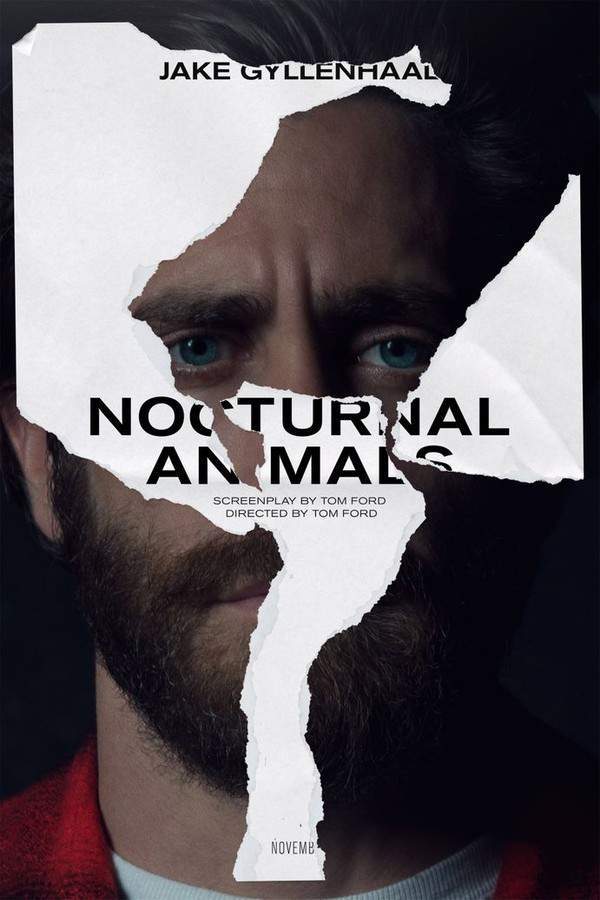
Nocturnal Animals (2016) movie poster

Ending Explained

Nocturnal Animals (2016) Ending Explained – Final Scene & Meaning

Release, runtime and language
2016 · 116 min · English
Loading streaming availability…
Directed by
Tom Ford
Starring
Michael Shannon, Amy Adams, Aaron Taylor-Johnson, Jake Gyllenhaal, Isla Fisher

A gallery owner, Susan Morrow, finds her life disturbed by her husband’s absences and the unexpected delivery of a manuscript from her former husband, Edward Sheffield. The novel, a violent thriller about a man and his family targeted by dangerous criminals, forces Susan to reflect on her past relationship with Edward and the choices she has made. As she reads, the lines between the fictional narrative and her own memories blur, compelling her to examine painful truths and the darkness within her.

On this page (8)
  1. 1 Where to watch
  2. 2 What happens at the end
  3. 3 Final events in order
  4. 4 Ending questions answered
  5. 5 The book behind the movie
  6. 6 Movie threads
  7. 7 Movies like Nocturnal Animals
  8. 8 Every angle
Loading streaming availability…

Ending explained · contains spoilers

What Happens at the End of Nocturnal Animals?

How Nocturnal Animals (2016) ends, what the final scene means, which earlier moments set it up and how to read the ending if the film leaves it open. The full ending explained, with every spoiler.

The ending of Nocturnal Animals is haunting and layered with meaning, blending reality with fiction in a way that leaves viewers reflecting on the characters' emotional states. Throughout the film, Edward, played by Jake Gyllenhaal, sends a manuscript of his dark, revenge-filled novel to his ex-wife, Susan. Her immersion in the story about Tony, a man driven to seek brutal revenge after the trauma of losing his wife and daughter, mirrors her own feelings about their broken relationship. As Edward mourns his unfulfilled love and professional insecurities, Tony's story serves as a metaphor for his inner pain and desire for vengeance.

In the film’s climax, Edward never appears in person to confront Susan or to exact his revenge. Instead, he allows his novel to act as a cold, emotional strike: Susan reads the story and is left to grapple with her past betrayals—most notably her infidelity with Hutton, her second husband. The film suggests that Edward’s act of giving her this dark, powerful story is his way of telling her that he still harbors deep resentment, but he doesn't seek closure by physical confrontation. His silence and absence at the end imply that the revenge was more about emotional release than about reconciliation.

The finale reveals Susan alone, realizing that her attempt at reconnecting with Edward was doomed from the start. She waits at a restaurant until closing, her solitude reflecting her current emotional emptiness. Meanwhile, the novel’s story, especially Tony’s grim cycle of violence and regret, underscores that revenge often leaves people unchanged and unfulfilled—an idea that resonates with Susan's loneliness and her own moral dilemmas. The story of Ray, Tony’s vengeful antagonist who kills Tony’s family and ultimately dies bloodied and exhausted, symbolizes the destructive nature of revenge. It shows how violence and vengeance only perpetuate pain, leaving characters like Tony—and by extension, Edward—still broken and searching for peace.

Ultimately, Nocturnal Animals doesn’t provide a clear resolution but instead offers a poignant meditation on heartbreak, vengeance, and despair. Both Edward and Tony crave retribution—Edward by aiming to emotionally damage Susan, and Tony by seeking justice for his loved ones. Yet, the film’s ending indicates that revenge is an empty pursuit; both characters are left scarred and unable to return to happiness. The film’s ambiguous conclusion, coupled with its dark themes and layered storytelling, invites viewers to consider whether true closure is ever possible or if everyone is ultimately haunted by their past, destined to remain imperfect, broken souls.
Last updated: June 25, 2025 at 08:58

Was this helpful?

The last 4 events

How Nocturnal Animals Ends: The Final Events in Order

The last events of Nocturnal Animals (2016) in chronological order, the run-up to the ending explained above. The complete timeline has all 15 events, scene by scene.

Open the full timeline
  1. Email to Edward

    After finishing the manuscript, Susan feels compelled to reconnect with Edward, sending him an email to suggest a meeting. This act signifies her recognition of the impact of his narrative on her life.

  2. Betrayal and Reflection

    As Susan prepares for the anticipated reunion, she is struck by the realization that Edward never arrives. This moment marks the culmination of her reflections on love and betrayal, enveloping Susan in solitude once more.

    Where
    Susan's Estate
  3. Understanding the Narrative

    The haunting narrative of *Nocturnal Animals* serves as a lens through which Susan views her own life. She confronts the painful truths of her choices, mirroring the themes of loss and revenge that pervade Edward's story.

  4. Emotional Upheaval

    The emotional weight of Edward's manuscript reverberates within Susan, leaving her alone with her internal turmoil. She reflects on her life choices, realizing how profoundly they intertwine with the fate of both her and Edward.

Ending questions answered

Nocturnal Animals Ending: Your Questions Answered

The questions people ask most about the ending of Nocturnal Animals (2016): what the final scene means, how the twist works, what happens to each character and how to read the ending. Each answer contains spoilers.

Q1

Why does Edward send Susan his manuscript instead of confronting her in person?

Edward uses the novel as a form of emotional revenge rather than confronting Susan face-to-face. By sending her the dark, violent manuscript, he forces her to experience his pain indirectly, reading about a man seeking brutal vengeance for losing his family mirrors Edward's own feelings about losing Susan to Hutton. This method allows him to exact revenge while remaining emotionally distant, suggesting he preferred the catharsis of writing over the confrontation itself.

  • edward
  • susan
  • manuscript
  • revenge
  • novel
  • confrontation
Q2

What does Tony's story in the manuscript represent?

Tony's violent revenge story serves as a direct metaphor for Edward's inner pain and resentment toward Susan. Just as Tony loses his family to criminals and seeks brutal vengeance, Edward lost his marriage to Susan's infidelity and betrayal. The graphic violence and relentless cycle of retribution in the novel reflect Edward's own feelings of being wronged, he channeled his emotional trauma into a fictional vehicle designed to make Susan feel the weight of her choices.

  • tony
  • manuscript
  • metaphor
  • revenge
  • edward
  • symbolism
Q3

Why does Susan wait alone at the restaurant until closing in the final scene?

Susan waits at the restaurant because she expected Edward to meet her there, a tentative reconnection attempt that was always doomed. Her waiting until closing, alone in her elegant dress, symbolizes her current emotional emptiness and isolation. The scene reveals that Susan has been left to confront her past choices without Edward's presence, mirroring how she abandoned him years ago. Her solitude at the end reflects the hollow life she chose when she traded Edward for Hutton.

  • susan
  • restaurant
  • waiting
  • alone
  • ending
  • isolation
Q4

What happens to Tony in the novel within the film?

Tony's story in the manuscript is a grim tale of loss and failed revenge. After criminals kidnap and murder his wife and daughter, Tony survives a brutal attack and spends the film hunting down the perpetrators. He successfully kills Ray, the main antagonist, but the victory is empty, Tony is left bloodied, exhausted, and fundamentally unchanged. The novel ends with Tony alone, showing that vengeance brought him no peace or closure.

  • tony
  • ray
  • death
  • revenge
  • manuscript
  • violence
Q5

Does Edward achieve revenge on Susan?

Edward's revenge is psychologically successful but emotionally hollow. By sending the manuscript, he forces Susan to confront the pain she caused him, she reads the story and is visibly disturbed, forced to reckon with her past betrayal. However, the ending shows both characters remain broken. Edward gets his emotional payoff but gains no closure, while Susan is left haunted but not redeemed. The revenge cycle, like Tony's story, leaves everyone scarred.

  • edward
  • revenge
  • susan
  • success
  • closure
  • betrayal
Q6

What is the meaning of Nocturnal Animals' ending?

The ending presents revenge as an ultimately empty pursuit that leaves everyone broken. Both Edward's emotional strike through the manuscript and Tony's violent quest in the novel fail to bring fulfillment, only more pain and isolation. Susan is left alone with the weight of her choices, Edward remains absent and unresolved, and the film suggests true closure may be impossible. Everyone is haunted by their past, destined to remain imperfect and broken.

  • meaning
  • ending
  • revenge
  • closure
  • heartbreak
  • theme
Q7

Why is the manuscript so violently graphic in Nocturnal Animals?

The graphic violence in the manuscript reflects the intensity of Edward's emotional pain and his desire to make Susan feel the full weight of her betrayal. The visceral nature of Tony's story, featuring kidnapping, murder, and brutal revenge, mirrors the rawness of a wounded man processing trauma through fiction. The violence isn't gratuitous; it's Edward's way of translating emotional destruction into a form Susan cannot ignore.

  • violence
  • manuscript
  • graphic
  • edward
  • emotional
  • pain
Q8

What does Susan realize about her choices at the end?

By the end, Susan realizes her attempt to reconnect with Edward was futile from the start. Reading the manuscript forces her to confront her past betrayal, her affair with Hutton that destroyed their marriage. The dark story serves as Edward's message that he still harbors deep resentment. Susan is left understanding that she cannot undo her choices, and the life she built with Hutton (now marked by his absences) is the consequence she must live with.

  • susan
  • choices
  • betrayal
  • realize
  • hutton
  • consequence
Q9

Why doesn't Edward appear in person at the end of Nocturnal Animals?

Edward's absence at the end is the point of his revenge. He deliberately chooses not to meet Susan, instead letting the manuscript speak for him. This silence is more powerful than any confrontation, it leaves Susan in suspense, waiting for a confrontation that never comes. Edward's non-appearance shows his revenge was about emotional impact rather than reconciliation; he wanted Susan to feel his pain without giving her the chance to explain or apologize.

  • edward
  • absent
  • meeting
  • revenge
  • silence
  • absence
Q10

Is Edward's novel actually about his relationship with Susan?

While the novel isn't a direct retelling of Edward and Susan's relationship, it's clearly inspired by his emotional experience. Tony's loss of his family parallels Edward's loss of his marriage, both were destroyed by betrayal. The novel allows Edward to explore his feelings about being wronged and his desire for retribution in fictional form. It's his way of processing the trauma of Susan's infidelity without writing a literal autobiography.

  • novel
  • autobiographical
  • metaphor
  • relationship
  • edward
  • susan
Q11

Why is the ending of Nocturnal Animals so bleak and without hope?

The bleak ending reflects the film's core themes: heartbreak, vengeance, and despair leave permanent scars. Neither Edward nor Susan finds redemption or closure, only Susan's isolation and Edward's continued absence. The manuscript's message that revenge brings no peace applies to both the fictional narrative and the characters' real lives. By offering no catharsis, the film suggests some wounds, like betrayal and regret, cannot be healed.

  • bleak
  • ending
  • hopeless
  • redemption
  • despair
  • theme

Movie threads

More Movies Like Nocturnal Animals, by Mood & Story

Curated lists built around what makes Nocturnal Animals tick: the same mood, the same kind of story or the same emotional payoff. Each list explains why these movies belong together.

Movies with Stories Within Stories like Nocturnal Animals

Films where a story inside the main plot reflects the characters' inner turmoil. If you were captivated by the way Nocturnal Animals uses a manuscript to unravel its protagonist's past, explore these other films. This list features movies like Nocturnal Animals where a fictional narrative serves as a dark mirror to the main character's reality, creating complex and introspective viewing experiences.

  • unsettling
  • thoughtful
  • psychological
  • layered
  • self-reflective
  • meta
  • Tone: dark, introspective
  • Pacing: variable, reflective
Why these movies?

The story pattern: The narrative pattern involves a protagonist encountering a secondary story that directly comments on or allegorizes their own situation. This internal fiction escalates in tension, often becoming more extreme, forcing a direct and painful confrontation with the protagonist's personal history, choices, or identity.

Why they belong together: Movies in this thread are grouped by their shared use of a meta-narrative device. They create a unique, layered experience where the emotional impact comes from the interplay between two stories, resulting in a psychologically complex and intellectually engaging journey.

Bleak Movies About Facing the Past like Nocturnal Animals

Characters are crushed by the weight of their past regrets and betrayals. For viewers who appreciated the heavy emotional weight and bleak conclusion of Nocturnal Animals, this list collects similar films about regret and reckoning. Discover movies like Nocturnal Animals that explore the devastating, non-redemptive aftermath of past trauma and betrayal, offering a somber and thought-provoking experience.

  • melancholic
  • grief
  • regret
  • isolating
  • heavy
  • introspection
  • Tone: dark, bleak, melancholic
  • Pacing: slow, deliberate
Why these movies?

The story pattern: The narrative follows a protagonist, often in a state of isolation, as they are triggered by an external event (like receiving a letter or an object) to revisit a buried trauma or moral failure. The story unfolds through a mix of present-day reflection and painful flashbacks, building towards an ending that offers no resolution, only the full, bleak acceptance of loss and accountability.

Why they belong together: These films are united by their unflinching focus on regret, the absence of redemption, and a profoundly bleak emotional tone. They share a slow, deliberate pacing that allows the weight of the past to suffocate the present, resulting in a deeply melancholic and impactful viewing experience.

If you liked this

Movies Like Nocturnal Animals

Similar movies to Nocturnal Animals: the same genre, themes or kind of story. Each one comes with its own plot summary, timeline and ending explained.

Browse all movie summaries

Every angle

Nocturnal Animals (2016) Explained: Plot, Ending, Timeline & Characters

Everything about Nocturnal Animals in one place: what happens in the plot summary, the timeline in chronological order, the characters and meaning, the ending explained and a spoiler-free summary. What's After the Movie adds the cast, box office and post-credit scenes.

Coming soon on iOS and Android

The Plot Explained Movie Summary App

Plot summaries, endings explained and timelines on your phone. Catch up on any movie in minutes, save your favorites and never miss a twist again.

Be the first to know when we launch. Your email stays private, always.

Learn more about the app