

Plot Explained Spoilers guaranteed!
Plot Explained

Browse by genre

Nightmare Alley (1947) movie poster

Characters & Themes

Nightmare Alley (1947) Characters, Setting & Themes Explained

Release, runtime and language
1947 · 110 min · English
JustWatch #22,223 18
Directed by
Edmund Goulding
Starring
Coleen Gray, Mike Mazurki, Tyrone Power, Joan Blondell, Taylor Holmes, Bonnie Bannon

A charismatic drifter named Stanton Carlisle joins a traveling carnival, hoping to find opportunity and belonging. There, he learns the tricks of the trade from the mysterious "Mademoiselle Zeena" and her troubled husband, Pete. As Stanton hones his deceptive skills, he leaves the carnival and ventures into a world of glamour and danger, where he encounters a manipulative psychologist and a wealthy, influential client, leading him down a path of corruption and unforeseen consequences.

On this page (8)
  1. 1 Where to watch
  2. 2 Characters explained (5)
  3. 3 Where & when it takes place
  4. 4 Themes & meaning (3)
  5. 5 Character & meaning questions
  6. 6 The book behind the movie
  7. 7 Movie threads
  8. 8 Every angle

Where to watch

Where to Watch Nightmare Alley (1947)

Where can you watch Nightmare Alley? Stream, rent or buy it in the US, including on YouTube TV: current JustWatch availability with up-to-date prices.

Streaming availability powered by JustWatch

5 main characters · contains spoilers

Nightmare Alley Characters Explained: Who Is Who

The main characters of Nightmare Alley (1947), heroes and villains: what drives them, how they change over the course of the story and what each of them reveals about the film's bigger ideas.

  • Stanton 'Stan' Carlisle

    played by Tyrone Power

    A man burdened by his past, Stan is ambitious yet morally ambiguous. He seeks to rise in the world of entertainment, often at the cost of others' trust and feelings. His transformation from a struggling drifter to a rising star is marked by deceit and manipulation.

    • 🎩 Ambition
    • 🕵️ Manipulator
  • Molly Cahill

    played by Coleen Gray

    Molly is a talented performer with a strong moral compass, representing a beacon of hope in Stan's turbulent life. Her relationship with Stan is passionate yet strained by his choices, and she finds herself caught in his whirlwind of deception. Her strength and vulnerability create a compelling dynamic.

    • ❤️ Love
    • 🌟 Talent
  • Clem Hoatley

    played by Mike Mazurki

    Clem is a rugged figure within the carnival, representing the harsh realities behind the entertainment facade. He provides a sense of camaraderie but also serves as a reminder of the darker elements of their world. His protective nature toward Molly and Stan showcases his complexity.

    • 💪 Strength
    • 🎪 Carnival
  • Zeena

    played by Joan Blondell

    Zeena is a clairvoyant with genuine abilities, harboring wisdom that transcends mere performance. Her connection to the supernatural warns Stan of the dangers of his ambitions, proving that the past has a way of catching up. Her insights highlight the moral dilemmas faced by those who engage with the mystical.

    • 🔮 Clairvoyant
    • 📜 Wisdom
  • Dr. Lilith Ritter

    played by Helen Walker

    Lilith is a fascinating yet manipulative character whose interest in Stan reveals the darker side of human nature. Her complex relationship with him serves as both a catalyst and a foil for his own downfall. Her motivations remain shrouded in mystery, contributing to the film's intrigue.

    • 🕵️‍♀️ Manipulation
    • 💋 Seduction

Last updated: October 22, 2024 at 23:37

Was this helpful?

Setting

Where and When Does Nightmare Alley Take Place?

The setting of Nightmare Alley (1947): the year and time period, the places and locations, and how they shape the characters, the mood and the tension of the story.

Time period

The film captures the era of mid-20th century America, a time marked by post-war societal shifts and a burgeoning fascination with psychological manipulation and entertainment. This period reflects a blend of hope and despair, where individuals grapple with their pasts while seeking new opportunities, often leading to moral conflicts.

Location

Traveling carnival, New York

The movie predominantly takes place in a vibrant traveling carnival known for its eclectic performances and bizarre acts. It is a place where illusion meets reality, and the line between entertainment and exploitation blurs. The journey eventually leads to the bustling city of New York, where grand ambitions clash with personal demons.

  • 🎠 Carnival
  • 🌆 City

Last updated: October 22, 2024 at 23:37

Was this helpful?

3 major themes

Nightmare Alley Meaning: Themes & Message Explained

What is Nightmare Alley (1947) really about? The emotional, social and philosophical themes the film keeps returning to, its symbolism and the message beneath the surface.

  • Deception

    Deception is a central theme in 'Nightmare Alley,' as characters constantly navigate the thin line between reality and illusion. Stan's rise to fame through manipulation reflects the darker side of ambition, revealing how far one can fall when driven by greed and desperation. This theme pushes the narrative forward, ultimately leading to tragic consequences.

  • Betrayal

    Betrayal weaves through the relationships in the film, particularly between Stan and those he loves. His infidelity and ethical compromises create a rift between him and Molly, showcasing how personal choices can destroy bonds. This theme emphasizes the emotional turmoil resulting from a lack of trust and integrity.

  • Illusion

    The theme of illusion is prominently featured as characters manipulate perceptions for personal gain. Stan's journey through the carnival world highlights the allure of spectacle and the dangers of becoming lost in one's fabrication. As the story unfolds, the consequences of living through illusions become starkly clear.

Last updated: October 22, 2024 at 23:37

Was this helpful?

Character & theme questions

Nightmare Alley Characters & Meaning: Your Questions Answered

The questions people ask about Nightmare Alley (1947): who the characters really are, their relationships, what the symbols mean, where it takes place and what the movie is really about. Each answer contains spoilers.

Q1

Where is Nightmare Alley set?

The film takes place primarily in a vibrant traveling carnival, where illusion and reality blur, before moving to the bustling city of New York. This contrast between the seedy carnival world and high-society deception defines the story's journey.

  • carnival setting
  • new york
  • traveling circus
  • film location
Q2

What time period does the movie take place in?

Nightmare Alley is set in mid-20th century America, during the post-war era. This period was marked by societal shifts and a growing fascination with psychological manipulation and entertainment.

  • 1940s
  • post-war era
  • mid-century
  • historical setting
Q3

What are the main themes in Nightmare Alley?

The film centers on three interconnected themes: deception (the thin line between reality and illusion), betrayal (how personal choices destroy trust), and illusion (the dangers of living through fabricated identities). These themes explore the darker side of ambition.

  • deception
  • betrayal
  • illusion
  • themes
  • ambition
Q4

Who is Stanton Carlisle in the film?

Stanton Carlisle is a charismatic drifter burdened by his past who joins the traveling carnival seeking opportunity. He is morally ambiguous and ambitious, rising in the world of entertainment through manipulation and deceit, ultimately leading to his downfall.

  • stan carlisle
  • protagonist
  • drifter
  • ambition
Q5

Who is Molly Cahill and what is her role?

Molly Cahill is a talented carnival performer with a strong moral compass who represents hope in Stan's life. Her passionate relationship with Stan becomes strained by his ethical compromises and infidelity, showcasing the emotional cost of his deception.

  • molly cahill
  • performer
  • love interest
  • moral compass
Q6

Who is Dr. Lilith Ritter?

Dr. Lilith Ritter is a manipulative psychologist who becomes fascinated with Stan when he enters high society. She serves as both a catalyst and foil for his downfall, representing the darker side of human nature and psychological exploitation.

  • dr lilith ritter
  • psychologist
  • manipulator
  • antagonist
Q7

Who is Zeena in Nightmare Alley?

Zeena is a clairvoyant in the carnival with genuine supernatural abilities who teaches Stan the tricks of the trade. She warns him of the dangers of his ambitions, proving that the past inevitably catches up with those who deceive.

  • zeena
  • fortune teller
  • clairvoyant
  • mentor
Q8

What does the deception theme mean in the movie?

Deception in Nightmare Alley represents the thin line between reality and illusion that characters constantly navigate. Stan's rise to fame through manipulation reveals how greed and desperation can lead to tragic consequences, ultimately trapping those who practice it.

  • deception theme
  • manipulation
  • con artist
  • downfall
Q9

What is the illusion theme about in Nightmare Alley?

The illusion theme explores how characters manipulate perceptions for personal gain, particularly within the carnival's spectacle-driven world. The film shows the dangers of becoming lost in one's own fabrication, as the consequences of living through illusions become starkly clear.

  • illusion
  • spectacle
  • reality vs fantasy
  • self-deception
Q10

Why is the carnival setting important to the story?

The traveling carnival serves as both entertainment and exploitation, where illusion meets reality. This setting establishes the film's dark tone and mirrors Stan's journey from obscurity to fame and back, symbolizing the precarious nature of his ambitions.

  • carnival symbolism
  • traveling circus
  • setting meaning
Q11

What genre elements define Nightmare Alley?

As a Film-Noir, Nightmare Alley features moral ambiguity, psychological manipulation, and a bleak worldview. The dominant tone is dark, exploring exploitation, corruption, and a tragic cyclical fate that defines the narrative's descent arc.

  • film-noir
  • genre
  • dark tone
  • corruption

Movie threads

More Movies Like Nightmare Alley, by Mood & Story

Curated lists built around what makes Nightmare Alley tick: the same mood, the same kind of story or the same emotional payoff. Each list explains why these movies belong together.

Moral decay stories like Nightmare Alley

Stories where ambition corrupts and leads to an inevitable, bleak collapse. If you enjoyed the tragic descent in Nightmare Alley, explore more movies about characters corrupted by ambition. These films, often dramas or noirs, feature a steady pacing and heavy emotional weight, charting a path from aspiration to a bleak, morally bankrupt end.

  • grim
  • fatalistic
  • cynical
  • desperate
  • tragic
  • atmospheric
  • Tone: dark, cynical, fatalistic
  • Pacing: steady, methodical
Why these movies?

The story pattern: Narratives in this thread typically follow a cause-and-effect structure, where a character's fatal flaw—often greed, hubris, or a desperate need for belonging—sets them on a path of increasing compromise. The story methodically strips away their morality, leading to a climax that emphasizes the inescapable consequences of their choices.

Why they belong together: These movies are grouped by their shared focus on a tragic, character-driven downfall. They possess a dark, cynical tone, a steady, deliberate pacing that builds a sense of doom, and a high emotional intensity born from witnessing a human soul unravel. The bleak endings are a key unifying element.
Gritty film noirs like Nightmare Alley

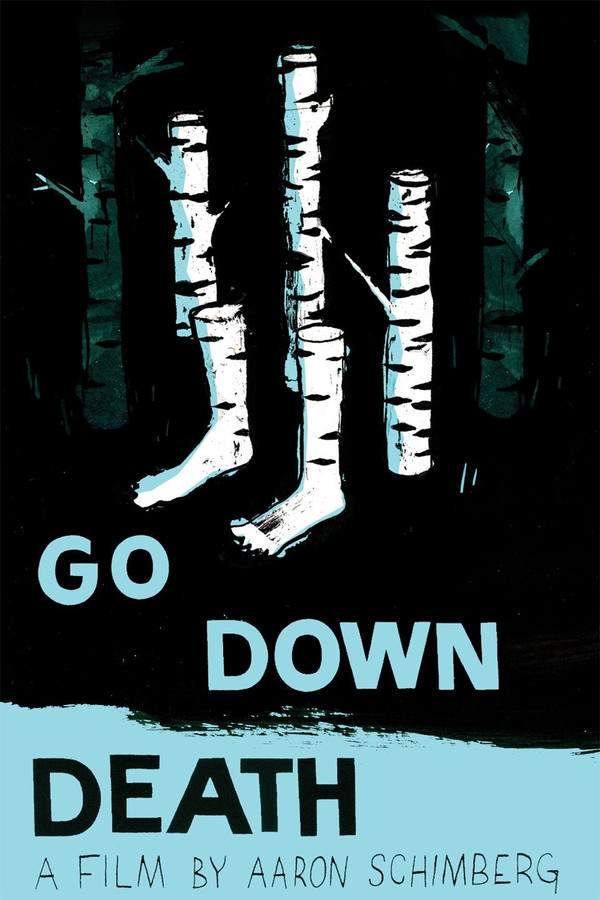
Atmospheric tales of grifters and con artists in a morally ambiguous underworld. Fans of the deceptive, atmospheric world of Nightmare Alley will find more like it here. These movies capture the essence of film noir: cynical protagonists, a dark and grim mood, psychological manipulation, and stories set on the fringes of society.

  • noir
  • cynical
  • atmospheric
  • sinister
  • psychological
  • grim
  • Tone: dark, sinister, cynical
  • Pacing: steady, atmospheric
Why these movies?

The story pattern: The narrative pattern often involves a protagonist, usually an anti-hero or outright grifter, navigating a web of lies and double-crosses. The plot twists through a world of shadows and intrigue, where the main conflict is as much about surviving the psychological games as it is about physical danger.

Why they belong together: These films are united by their core noir sensibilities: a dark, atmospheric mood, a cynical worldview, and central themes of deception, manipulation, and fate. They share a steady, sometimes slow-burn pacing that allows the tension and sense of dread to build effectively within their richly drawn, sinister worlds.

Every angle

Nightmare Alley (1947) Explained: Plot, Timeline & Characters

Everything about Nightmare Alley in one place: what happens in the plot summary, the timeline in chronological order, the characters and meaning and a spoiler-free summary. What's After the Movie adds the cast, box office and post-credit scenes.

Coming soon on iOS and Android

The Plot Explained Movie Summary App

Plot summaries, endings explained and timelines on your phone. Catch up on any movie in minutes, save your favorites and never miss a twist again.

Be the first to know when we launch. Your email stays private, always.

Learn more about the app