Year: 1972
Runtime: 91 mins
Language: English
Director: Fred Burnley
Haunted by a failed marriage, Anna Robinson escapes to the bleak Isle of Jersey, where she begins an intense affair with lighthouse keeper Hugh. When Hugh dies suddenly, Anna is devastated, but the dead lover returns—unchanged yet bearing disturbing, sinister, macabre alterations—forcing her to confront whether love can truly defeat death.
Warning: spoilers below!
Haven’t seen Neither the Sea Nor the Sand yet? This summary contains major spoilers. Bookmark the page, watch the movie, and come back for the full breakdown. If you're ready, scroll on and relive the story!
Trace every key event in Neither the Sea Nor the Sand (1972) with our detailed, chronological timeline. Perfect for unpacking nonlinear stories, spotting hidden connections, and understanding how each scene builds toward the film’s climax. Whether you're revisiting or decoding for the first time, this timeline gives you the full picture.
Last updated: October 07, 2025 at 09:01
Find frequently asked questions about the Neither the Sea Nor the Sand (1972) timeline, including chronological order, nonlinear jumps, cause-and-effect links, and scene sequence clarifications. This timeline FAQ helps explain when key events happen, how moments connect, and why the story unfolds in that specific order.
Hugh collapses and dies on the Scottish beach, and the doctor pronounces him dead. However, that night he returns to Anna, leaving her overjoyed and convinced the doctor made a mistake. The film keeps the nature of his return ambiguous, whether it's supernatural resurrection, a manifestation of Anna's grief, or something else entirely is never fully explained, which is central to the story's eerie tone.
Earlier scenes establish the blurry line between love and obsession, hinting that Anna's refusal to accept loss might be drawing something back.
George firmly believes Hugh is truly dead and that whatever has returned is an evil spirit or demon possessing his brother's corpse. He accuses Anna of conjuring this entity through witchcraft, claiming she has summoned something sinister that wears Hugh's body. His conviction stems from his religious beliefs and his desperation to protect his brother from what he sees as a demonic presence.
George's early disapproval of the relationship and warnings about dangerous consequences foreshadow his extreme reaction.
While traveling to meet a priest for an exorcism, Hugh deliberately forces George's car off the road. George falls over a cliff and dies. This violent act removes the primary skeptic who was trying to expose the truth about Hugh's nature, leaving Anna alone with the increasingly dangerous entity.
George's escalating accusations and his burning of Hugh's hand set the stage for the violent confrontation that follows.
After Hugh returns, Anna notices a disturbing change in him. He becomes silent, stares at her unnervingly, and grows increasingly aggressive as the story progresses. This shift suggests the being that returned is not truly Hugh, it has his appearance but lacks his love and warmth, instead exhibiting something darker and more dangerous.
The moment Hugh returns, Anna senses something is wrong before her relief overrides her fear.
In the final scene, Anna accepts that Hugh is truly gone and chooses to be with him anyway. She walks into the sea with him, and they drown together united in death. The ending can be read as either a tragic culmination of her grief and denial, or as her genuine choice to transcend death and be with the man she loves, however transformed he might be.
Anna's earlier refusal to accept Hugh's death and her desperate clinging to his presence foreshadow this ultimate act of union.
After Hugh's collapse on the beach, Anna is overwhelmed by grief and cannot accept the doctor's pronouncement. When Hugh returns that night, she seizes the opportunity to believe the medical verdict was wrong. Her desperate need to not lose him again, combined with the shock of sudden loss, makes denial more bearable than facing reality, setting her on the path of deepening self-deception.
Anna's move to Jersey to escape her failed marriage shows her pattern of running from difficult truths.
After returning, Hugh begins communicating with Anna telepathically, seemingly able to speak directly into her mind rather than verbally. This supernatural ability is one of the signs that the being who returned is not the living Hugh, though Anna chooses to interpret it as a mysterious bond between them rather than evidence of something wrong.
The telepathic communication marks the clear shift from any possibility of a normal reunion to somethingOtherworldly.
George burns Hugh's hand to prove his theory that Hugh is a demonic spirit rather than the real person. He believes a true human would react to fire as a living body would, while a supernatural entity would show no pain or reaction. The act is his desperate attempt to expose what he sees as an evil possession and free his brother's soul.
George's religious convictions and his intense suspicion of Anna from the beginning motivate this extreme intervention.
The film deliberately leaves this ambiguous. Hugh returns after death, communicates telepathically, exhibits changed behavior, and kills George, suggesting something supernatural. However, the story is told entirely through Anna's perspective, and her desperate denial of grief could be creating a psychological manifestation. This ambiguity is central to the film's exploration of grief, perception, and the boundaries between reality and belief.
The shift from the calm, windswept romance of early scenes to increasingly uncanny events mirrors Anna's descent into a reality she can only partially control.
After George dies, authorities inform Anna about George's death. To maintain the lie that Hugh is still alive, Anna claims Hugh died in Scotland and produces a death certificate, essentially swapping one death for another to keep her fabricated story intact. This desperate act shows how deep her denial has become, as she now must perpetuate an elaborate deception to protect her version of reality.
Anna's pattern of hiding the truth and creating alternative narratives began when she first refused to accept Hugh's initial death.
Discover curated groups of movies connected by mood, themes, and story style. Browse collections built around emotion, atmosphere, and narrative focus to easily find films that match what you feel like watching right now.
Love stories where death is not the end, but a sinister new beginning.If you liked the tragic, supernatural love story in Neither the Sea Nor the Sand, explore more movies like it. These films feature ill-fated romances where characters grapple with love after death, blending psychological drama with eerie supernatural elements for a melancholic and heavy emotional experience.
The narrative follows a character consumed by grief who is granted a second chance with a lost lover, only to discover that the returned beloved is changed in disturbing ways. The story arc is a descent from desperate hope into a bleak realization that some boundaries, like death, cannot be crossed without a terrible cost.
These movies are grouped by their core theme of love challenging mortality, resulting in a specific mix of heavy romance, supernatural dread, and a melancholic, often bleak, tone. They share a focus on the psychological impact of loss and the unsettling consequences of defying natural order.
Slow-burn tales where isolated landscapes breed psychological unease and supernatural sorrow.Discover movies with a similar feel to Neither the Sea Nor the Sand, focusing on slow-burn folk horror and melancholic atmosphere. If you liked its bleak island setting and the sense of psychological unease, you'll find more films here that use isolation and folklore to explore heavy themes like grief and denial.
Stories often center on an outsider in a stark, isolated location confronting a personal tragedy that becomes intertwined with the eerie, primal energy of the place itself. The narrative unfolds slowly, emphasizing mood over plot, as the character's internal psychological state mirrors the unsettling external environment, leading to a bleak or tragic resolution.
These films share a cohesive vibe defined by a slow, brooding pace, a heavy emotional weight centered on loss, and a strong emphasis on atmosphere. The connection comes from the unique blend of folk horror aesthetics with deeply personal, melancholic drama, creating a specific kind of quiet, unsettling experience.
Don't stop at just watching - explore Neither the Sea Nor the Sand in full detail. From the complete plot summary and scene-by-scene timeline to character breakdowns, thematic analysis, and a deep dive into the ending - every page helps you truly understand what Neither the Sea Nor the Sand is all about. Plus, discover what's next after the movie.
Read a complete plot summary of Neither the Sea Nor the Sand, including all key story points, character arcs, and turning points. This in-depth recap is ideal for understanding the narrative structure or reviewing what happened in the movie.
Discover the characters, locations, and core themes that shape Neither the Sea Nor the Sand. Get insights into symbolic elements, setting significance, and deeper narrative meaning - ideal for thematic analysis and movie breakdowns.
Discover movies like Neither the Sea Nor the Sand that share similar genres, themes, and storytelling elements. Whether you’re drawn to the atmosphere, character arcs, or plot structure, these curated recommendations will help you explore more films you’ll love.
Neither the Sea Nor the Sand (1972) Plot Summary & Movie Recap
Neither the Sea Nor the Sand (1972) Scene-by-Scene Movie Timeline
Neither the Sea Nor the Sand (1972) Spoiler-Free Summary & Key Flow
Movies Like Neither the Sea Nor the Sand – Similar Titles You’ll Enjoy
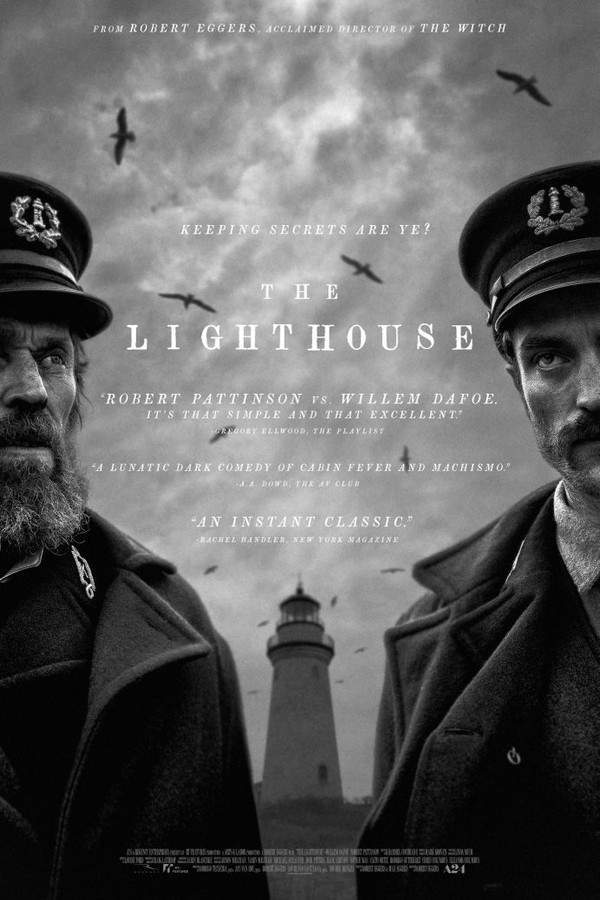
The Lighthouse (2019) Plot Summary & Ending Explained
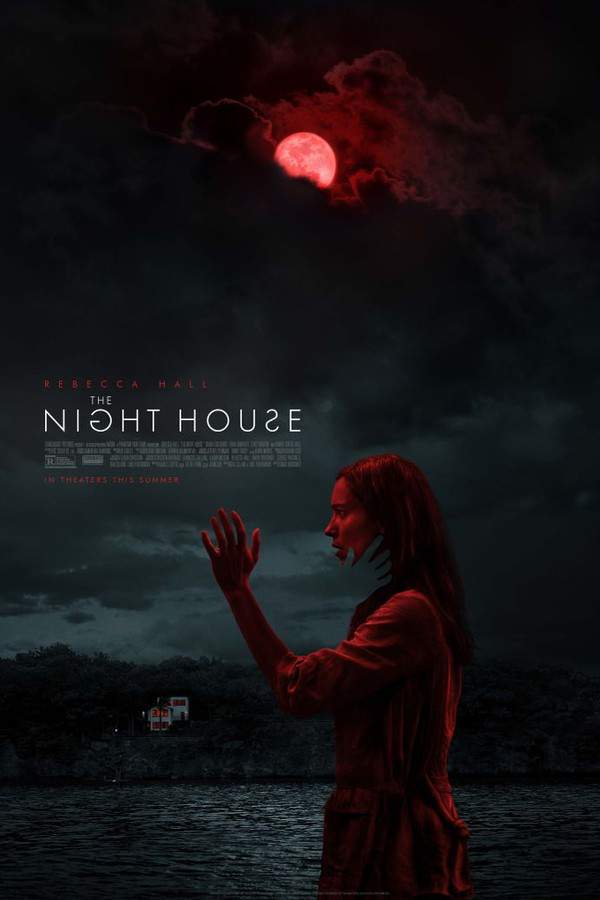
The Night House (2021) Ending Explained & Film Insights
The Fog (2005) Story Summary & Characters
Half Light (2006) Ending Explained & Film Insights
The Sands of Dee (1912) Film Overview & Timeline
The Island Between Tides (2024) Movie Recap & Themes
Lighthouse (1947) Detailed Story Recap
The Ghost and Mrs. Muir (1947) Complete Plot Breakdown
Enchanted Isles (1965) Plot Summary & Ending Explained
Haunted (1995) Full Summary & Key Details
The Haunting of Seacliff Inn (1994) Film Overview & Timeline
The Woman on the Beach (1947) Detailed Story Recap
Woman from the Sea (1959) Story Summary & Characters
Night Unto Night (1949) Story Summary & Characters
Spirit Lost (1997) Complete Plot Breakdown