Anguish

Anguish

Year: 2015

Runtime: 91 min

Language: English

Director: Sonny Mallhi

DramaHorror

Following a family tragedy, a teenage girl struggles to cope with the sudden relocation to a new town. There, she becomes increasingly haunted by the spirit of a young woman who died in a hit-and-run accident. As she investigates the circumstances surrounding the spirit’s death, she’s forced to confront difficult truths about her own life, family, and the fragility of existence.

Where to Watch Anguish?

Find where to stream, rent, or buy Anguish (2015) in the US with current JustWatch availability, up-to-date pricing, and platform listings for subscription, rental, and digital purchase options.

Warning: spoilers below!

Haven’t seen Anguish yet? This summary contains major spoilers. Bookmark the page, watch the movie, and come back for the full breakdown. If you're ready, scroll on and relive the story!

Anguish (2015) – Full Plot Summary & Ending Explained

Read the complete plot breakdown of Anguish (2015), including all key story events, major twists, and the ending explained in detail. Discover what really happened, and what it all means.

Lucy Amberley Gridley and her mother Sarah are driving along a quiet road when Lucy asks if she can go on a camping trip. When Sarah refuses, Lucy angrily exits the car and is struck by an oncoming vehicle, a sudden tragedy that looms over the beginnings of the story.

Meanwhile, Tess is a teenage girl who has long wrestled with what looks like mental instability. She has moved into a new house with her mother Jessica in search of a fresh start. As Tess and Jessica settle in, Tess wheels her skateboard past the very road where Lucy was hit, pausing before a roadside cross bearing Lucy’s picture. An unseen force seems to push Tess down into the dirt, trapping her there and making it feel like she cannot leave. She eventually rises and makes her way home, but soon begins to experience phenomena that she insists are more than simple hallucinations.

Tess eventually crosses paths with Sarah’s bookstore, where she says something to Sarah that only Lucy could know. This moment raises serious questions for Sarah and blurs the line between memory and reality. As Tess grapples with what she’s experiencing, she is forced to confront them—she even looks into a mirror and sees her eye color shift from blue to brown, over and over, a quiet, unsettling sign that something is unsettled inside her.

After what appears to be a mental breakdown, Tess collapses at the front door just as Jessica returns from work. She is hospitalized, placed under constant supervision, medicated, and enrolled in therapy. A priest from Jessica’s church visits and suggests that possession might be involved, adding another layer of mystery to Tess’s ordeal.

Tess is discharged and returns to her bedroom to find that Jessica has boarded up the window for Tess’s protection. Yet the strange, otherworldly disturbances persist, and Tess, who refuses to eat, is driven into town by Jessica—only to bolt from the car and run toward Lucy’s home. There she embraces Sarah, while Jessica watches in confusion and fear.

Inside Lucy’s bedroom, Sarah explains a difficult possibility: Tess may have a gift that allows spirits to channel through her body so they can say goodbye to their loved ones and move on. Sarah believes that Lucy’s spirit has begun to inhabit Tess’s body, and her aim is to communicate with Lucy so she can move on. At first, Lucy speaks through Tess, saying she doesn’t want to leave; she’s tired of doctors and medicine, but Sarah urges that moving on is the right path, and Lucy eventually consents.

Lucy does leave Tess’s body, but another spirit appears and lunges from the bed, prompting Sarah and Jessica to lock Tess in the basement for safety. Jessica goes downstairs to check on Tess, only to be confronted by the figure within Tess; Lucy reenters Tess’s body and pleads to see her mother once more.

Lucy asks for one more night with her mother, and Jessica agrees. After that night, Sarah tells Lucy that it’s time to move on, and Lucy exits Tess’s body, finding herself in a shimmering spirit world where she encounters Tess, who reveals she wants to go back and hugs Lucy. An invisible force attacks Lucy, and a bright light signals that Lucy has moved on. Tess returns to her own body, and life seems to return to a fragile normalcy—her mother remains unsure whether Tess has truly improved. Later, in a coffee shop, Tess is asked for her name but does not reply. Back at home, Tess sits playing a song she learned from Lucy on a guitar; as she plays, her eye color shifts again from blue to brown, hinting that Lucy’s presence and the journey they shared have left a lasting trace on Tess. The ending leaves a quiet sense that the boundary between the living and the departed has shifted for Tess and for Lucy’s memory.


Last updated: October 09, 2025 at 16:14

Was this helpful?

Anguish (2015) Plot Questions Answered – Summary FAQ

Explore frequently asked questions about Anguish (2015) with spoiler-rich answers covering the full plot summary, major story beats, character motivations, hidden details, and ending meaning. This movie summary FAQ helps explain confusing scenes, plot twists, and narrative decisions in clear, searchable detail.

Q1

Why did Lucy get out of the car and get hit by the vehicle?

A.

Lucy asked her mother Sarah if she could go on a camping trip, but Sarah refused. Lucy responded with anger and impulsively exited the vehicle, only to be immediately struck by an oncoming car. The tragedy sets the entire story in motion, leaving Sarah consumed by grief and creating the circumstances that allow Lucy's spirit to linger.

The opening scene establishes Lucy's impulsive nature and her strained relationship with her mother's authority, hinting at why she would make such a dangerous decision.

lucy accidentcamping tripcar crashimpulsive death
Q2

Why is Tess able to see and channel Lucy's spirit?

A.

Sarah explains that Tess may have a gift that allows spirits to channel through her body so they can say goodbye to their loved ones and move on. This ability appears to be innate to Tess, not something she chose or developed. Lucy's spirit specifically sought out Tess as a conduit to reach her mother one final time.

Tess experiences a supernatural push near the roadside cross where Lucy died, marking her as uniquely susceptible to Lucy's presence.

channelingmediumpossessionspirit communication
Q3

What does the eye color change from blue to brown represent?

A.

The eye color shift from blue to brown serves as a visual indicator of who is occupying Tess's body. Blue represents Tess's natural state, while brown signifies that Lucy's spirit has taken over. This happens repeatedly throughout the film, notably when Tess looks in the mirror and during the final scene when she plays Lucy's song.

The first mirror confrontation establishes this pattern early, showing the audience how to distinguish between Tess and Lucy within the same body.

eye colorpossession signbrown eyesblue eyesswitching
Q4

Why was Tess hospitalized after her breakdown?

A.

Tess collapses at her front door after experiencing escalating paranormal phenomena, leading her mother Jessica to rush her to the hospital. There, she is placed under constant supervision, medicated, and enrolled in therapy. The medical team treats her symptoms as mental illness, while the narrative introduces the possibility of supernatural possession as an alternative explanation.

Tess's earlier insistence that her experiences are more than hallucinations sets up the tension between psychological and spiritual interpretations.

hospitalizationmental breakdowntherapymedicationtreatment
Q5

Why does Sarah help Tess and allow Lucy to channel through her?

A.

Sarah agrees to help because she believes Lucy is trapped and cannot move on without saying goodbye. Driven by her own grief and guilt over Lucy's death, Sarah sees the channeling as a way to give her daughter closure. She encourages Lucy to move on after their final moments together, viewing it as the compassionate resolution for both the living and the dead.

Sarah's willingness to communicate with Tess after the bookstore revelation shows she's already open to supernatural explanations.

sarahlucy's motherhelpingclosuremoving on
Q6

What happens when Lucy temporarily leaves Tess's body?

A.

When Lucy exits Tess's body after saying goodbye to Sarah, another aggressive spirit takes the opportunity to enter Tess. This hostile entity lunges from the bed, forcing Sarah and Jessica to lock Tess in the basement for safety. Lucy then reenters Tess's body to ask for one more night with her mother before finally moving on.

Sarah's warning that Lucy must move on hints at the danger of leaving Tess's body unprotected.

second spiritbasementhostile entitydanger
Q7

What is the second spirit that attacks Lucy in the spirit world?

A.

The film never explicitly identifies the second spirit that attacks Lucy in the spirit world. It appears to be a malevolent entity that preys on spirits in transition. This entity attacks Lucy as she attempts to move on, though a bright light eventually signals Lucy's successful passage. The attack suggests there are dangerous forces in the afterlife that not all spirits escape.

The hostile spirit's presence during Lucy's transition implies that moving on is not guaranteed and that darker entities lurk in the spirit realm.

evil spiritdark entityspirit worldattackafterlife
Q8

Why doesn't Tess answer when asked for her name in the coffee shop?

A.

Tess remains silent when asked for her name at the coffee shop, suggesting her identity has been fundamentally altered by her experience. Having been inhabited by Lucy's spirit and having traveled with her to the spirit world, Tess seems uncertain about who she is now. The moment leaves ambiguous whether this is a lingering effect of the possession or a deeper transformation.

The earlier mirror scenes where Tess's eye color shifts establish that Lucy left a permanent mark on Tess's sense of self.

silentcoffee shopidentitynameambiguity
Q9

What does Tess playing Lucy's song on guitar at the end signify?

A.

Tess playing Lucy's song on guitar demonstrates the lasting connection between them. Tess learned the tune from Lucy during their channeling experiences, and playing it represents how Lucy has become part of Tess permanently. The simultaneous eye color shift from blue to brown while playing confirms Lucy's presence remains, suggesting the boundary between them has permanently blurred.

The song Lucy hummed earlier in the story foreshadows this final moment, where the melody becomes a conduit for Lucy's lingering spirit.

guitarsonglucy's tunememoryconnectioneye color shift
Q10

Why does Tess run away from the car and go to Lucy's house?

A.

Tess escapes from the car while her mother Jessica is driving into town and runs toward Sarah and Lucy's house. This marks a turning point where Tess's experiences become a direct bridge to Lucy. Driven by the supernatural pull of Lucy's spirit, Tess is drawn to Lucy's mother as the only person who might understand what she's experiencing.

The earlier bookstore scene where Tess tells Sarah something only Lucy would know foreshadows this direct connection to Lucy's family.

escaperunningsarah's houselucy's motherconnection
Q11

What is the priest's role in understanding Tess's condition?

A.

The priest from Jessica's church visits Tess in the hospital and suggests that possession might be involved. This introduces a faith-based interpretation alongside the medical one, adding another layer to the mystery. While the medical team views Tess's experiences as symptoms of mental illness, the priest offers a spiritual framework that eventually proves more accurate.

The priest's suggestion plant the idea of possession before Sarah explicitly explains the channeling theory.

priestpossessionchurchfaithspiritual interpretation
Mobile App Preview

Coming soon on iOS and Android

The Plot Explained Mobile App

From blockbusters to hidden gems - dive into movie stories anytime, anywhere. Save your favorites, discover plots faster, and never miss a twist again.

Sign up to be the first to know when we launch. Your email stays private, always.

Explore Movie Threads

Discover curated groups of movies connected by mood, themes, and story style. Browse collections built around emotion, atmosphere, and narrative focus to easily find films that match what you feel like watching right now.

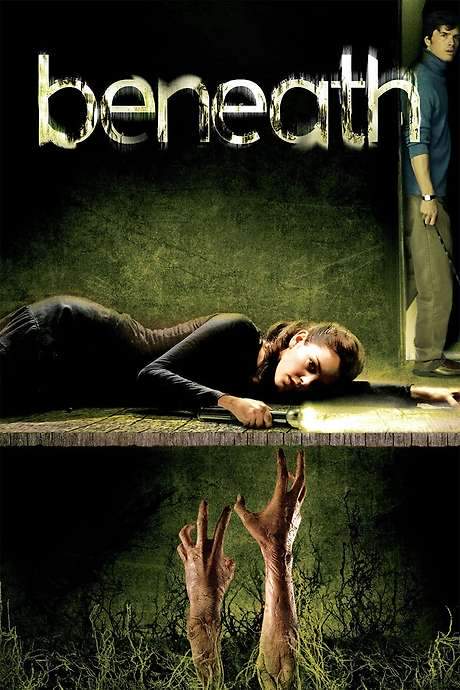
Movies about grief and supernatural encounters like Anguish

Stories where personal loss blurs the line between the living and the dead.If you liked the way Anguish blends deep personal loss with a supernatural mystery, you'll find similar stories here. These movies explore grief, family secrets, and unsettling connections to the spirit world, often with a melancholic and atmospheric tone.

melancholichauntingsomberunsettlinggrievingatmosphericemotional

Narrative Summary

Movies in this thread typically follow a protagonist grappling with a recent, devastating loss. Their emotional turmoil makes them susceptible to a supernatural presence—often a spirit tied to an unresolved tragedy. The narrative becomes a dual journey: investigating the spirit's past while navigating their own complex grieving process.
Why These Movies?

These films are grouped by their shared thematic core of using a supernatural framework to explore profound human emotion. They balance a heavy, melancholic tone with atmospheric tension, creating a specific viewing experience centered on coping with death and the possibility of communication beyond it.

Slow burn atmospheric horror dramas like Anguish

Where quiet tension and psychological unease slowly consume the characters.Looking for more movies with the slow, haunting atmosphere of Anguish? This collection features psychological horror and dramas that use a slow burn approach to build unease, focusing on emotional turmoil and a pervasive sense of dread over jump scares.

slow burnatmosphericpsychologicalanxiousunsettlingsomberuneasydeliberate

Narrative Summary

The narrative pattern is one of gradual unraveling. A character, often already in a vulnerable state, experiences a slow-building psychological threat. The plot unfolds deliberately, emphasizing mood, setting, and the protagonist's deteriorating mental state, leading to an often ambiguous or unsettling conclusion.

Why These Movies?

These films are connected by their specific pacing and tone. They share a commitment to building tension through atmosphere and psychological depth rather than plot twists or action. The experience is defined by a constant, low-level anxiety and a focus on internal struggle.

Unlock the Full Story of Anguish

Don't stop at just watching - explore Anguish in full detail. From the complete plot summary and scene-by-scene timeline to character breakdowns, thematic analysis, and a deep dive into the ending - every page helps you truly understand what Anguish is all about. Plus, discover what's next after the movie.

Anguish Timeline

Track the full timeline of Anguish with every major event arranged chronologically. Perfect for decoding non-linear storytelling, flashbacks, or parallel narratives with a clear scene-by-scene breakdown.

Anguish Timeline

Characters, Settings & Themes in Anguish

Discover the characters, locations, and core themes that shape Anguish. Get insights into symbolic elements, setting significance, and deeper narrative meaning - ideal for thematic analysis and movie breakdowns.

Characters, Settings & Themes in Anguish

Anguish Spoiler-Free Summary

Get a quick, spoiler-free overview of Anguish that covers the main plot points and key details without revealing any major twists or spoilers. Perfect for those who want to know what to expect before diving in.

Anguish Spoiler-Free Summary

More About Anguish

Visit What's After the Movie to explore more about Anguish: box office results, cast and crew info, production details, post-credit scenes, and external links - all in one place for movie fans and researchers.

More About Anguish

Similar Movies to Anguish

Discover movies like Anguish that share similar genres, themes, and storytelling elements. Whether you’re drawn to the atmosphere, character arcs, or plot structure, these curated recommendations will help you explore more films you’ll love.