Plot Explained Spoilers guaranteed!
Plot Explained

Browse by genre

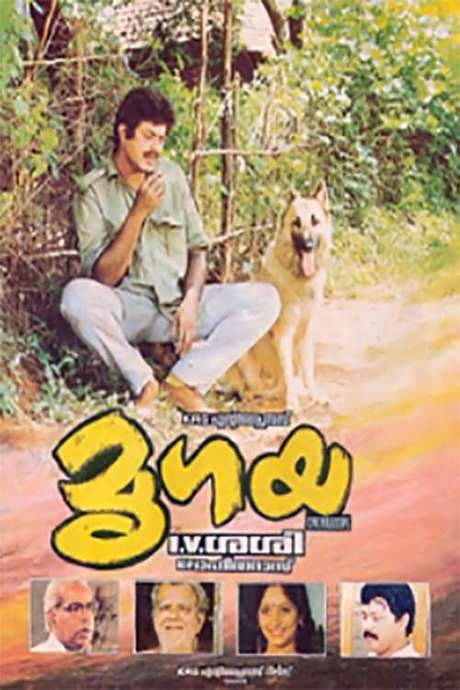
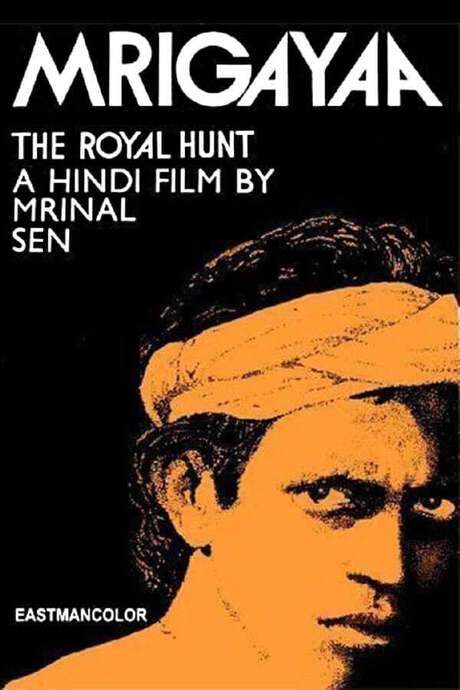
Mrigayaa (1976) movie poster

Timeline

Mrigayaa (1976) Timeline Explained – Every Event in Order

Release, runtime and language
1976 · 119 mins · Hindi
Loading streaming availability…
Directed by
Mrinal Sen
Starring
Mithun Chakraborty, Robert Wright, Anoop Kumar, Mamata Shankar, Samit Bhanja, Ajit Banerjee

A British administrator fond of game hunting forms a friendship with a skilled local archer in an Indian village. The film examines the dynamics between British colonial officials and villagers oppressed by Indian landlords during the 1920s, set against the rising Indian resistance to British rule.

On this page (6)
  1. 1 Where to watch
  2. 2 Events in order (12)
  3. 3 Timeline questions answered
  4. 4 Movie threads
  5. 5 Movies like Mrigayaa
  6. 6 Every angle
Loading streaming availability…

12 events in order · contains spoilers

Mrigayaa Timeline: Events in Chronological Order

Every key event of Mrigayaa (1976) in order, scene by scene, with when and where it takes place. Use it to untangle flashbacks, time jumps and parallel storylines, to refresh your memory before the sequel or to find the exact scene you are thinking of.

  1. Wildlife threat and village hardship

    Wildlife around the Odisha village destroys crops and disrupts daily life. Tigers and boars raid fields, making a precarious living for the tribals. The constant threat from animals sets a harsh backdrop for the community's struggles.

    Where
    Odisha village
  2. Administrator arrives and befriends Ghinua

    A British administrator arrives with a hunter's instinct and quickly befriends Ghinua. His presence introduces a new power dynamic in the village.

    Where
    Odisha village
  3. Deal struck: hunt for a big game

    They strike a deal: Ghinua will bring down a 'big game' in exchange for rewards from the administrator. The arrangement links local prowess to colonial authority, foreshadowing tragedy.

    Where
    Odisha village
  4. Sholpu returns to see his mother

    Sholpu, a young revolutionary, secretly returns to the village to visit his mother. The police informer chases him to his house but, seeing the crowd turn against the pursuer, he retreats and waits for another opportunity.

    Where
    Sholpu's home, Odisha village
  5. Village robbery and a killer reward

    A robbery shakes the village and a policeman is killed. Blame falls on Sholpu, and the administrator openly declares a reward for his head.

    Where
    Village
  6. Informer eliminates Sholpu for the bounty

    The informer seizes the moment and kills Sholpu to claim the bounty. The killing further inflames tensions between tribals and outsiders.

    Where
    Village
  7. Mistrust and clash between communities

    Sholpu's death intensifies mistrust and sparks a widening rift between the tribal community and non-tribal authorities. The village grapples with a sense of betrayal.

    Where
    Village
  8. Dungri abducted; Ghinua acts

    Dungri, Ghinua's wife, is abducted by a moneylender who preys on the poor. Ghinua confronts the lender and kills him to bring her back.

    Where
    Moneylender's house
  9. Ghinua seeks the Sahab; pays with his life

    Having rescued Dungri, Ghinua heads to meet the Sahab, believing the time for the big game has come. Instead, the Sahab hangs him for murder.

    Where
    Sahab's residence
  10. Questioning the justice of rewards

    Till his death, Ghinua cannot understand why a similar action is rewarded in one case and punished in another. The system appears arbitrary and cruel under colonial rule.

    Where
    Village
  11. Injustice exposed under colonial power

    The hanging exposes the inherent injustice of colonial power, where the same acts are judged by shifting loyalties. The villagers witness the limits of justice under the Sahab's rule.

    Where
    Administrative center / village
  12. A village divided, with unanswered questions

    The tale ends with a village divided and unanswered questions about who truly benefits from power. The tragedy of Ghinua lingers as a critique of colonial-era greed and oppression.

    Where
    Odisha village

Last updated: February 18, 2026 at 23:46

Was this helpful?

Timeline questions answered

Mrigayaa Timeline Explained: Your Questions Answered

When does it happen, and why in that order? The questions people ask about the chronology of Mrigayaa (1976): time jumps, flashbacks, cause and effect between scenes and the correct order of events, each answered with spoilers.

Q1

Why does Ghinua agree to hunt big game for the British administrator?

Ghinua agrees because the administrator offers rewards in exchange for hunting tigers and other dangerous animals that threaten the village. As a skilled archer, Ghinua sees this as an opportunity to earn much-needed resources for his community, which struggles against both wildlife threats and exploitation by moneylenders. The deal also establishes a precarious relationship between tribal prowess and colonial authority.

Foreshadowing: The early scenes establish Ghinua's exceptional hunting skills and the harsh reality of village life under multiple threats.

  • ghinua
  • british administrator
  • hunting deal
  • tribal archer
  • reward system
Q2

Why does the police informer pursue Sholpu in the village?

Sholpu is a young revolutionary who returns secretly to his village to visit his mother. The police informer chases him because Sholpu represents a threat to colonial authority as an active revolutionary. The informer sees an opportunity to earn favor and money by capturing a known insurgent, but he retreats when the village rallies behind Sholpu, forcing him to wait for another chance.

Foreshadowing: Sholpu's secret return establishes him as a man living under constant danger from colonial authorities.

  • sholpu
  • police informer
  • revolutionary
  • colonial authority
  • village pursuit
Q3

Why does the informer kill Sholpu to claim the bounty?

After a village robbery results in a policeman's death, the British administrator places a price on Sholpu's head, blaming him for the crime. The informer sees this as his opportunity, he kills Sholpu and claims the bounty. This act demonstrates how colonial power corrupts local informants, turning them into willing executioners for financial gain.

Foreshadowing: The administrator's public reward creates the deadly incentive that drives the informer's actions.

  • informer
  • sholpu
  • bounty
  • killing
  • reward
  • colonial corruption
Q4

Why does the moneylender abduct Dungri?

Dungri, Ghinua's wife, is abducted by a ruthless moneylender who exploits the poor villagers through debt. The moneylender uses his economic power over the community to prey on vulnerable families, taking Dungri as leverage or compensation for debts owed by the tribal community. This reflects the multiple layers of oppression, colonial, economic, and social, that tribals face.

Foreshadowing: Earlier scenes establish the moneylender as a predatory figure who profits from village hardship.

  • dungri
  • moneylender
  • abduction
  • exploitation
  • debt
  • tribal oppression
Q5

Why does Ghinua kill the moneylender to rescue his wife?

Ghinua confronts the moneylender directly to free Dungri, killing him in the process. This act represents Ghinua's desperate response to save his wife from exploitation and captivity. The killing is portrayed as a raw, violent necessity, a father's and husband's attempt to protect his family from a predatory lender who has long exploited the village.

Foreshadowing: The abduction directly follows the pattern of exploitation established by moneylenders in the village.

  • ghinua
  • moneylender
  • killing
  • dungri
  • rescue
  • violence
Q6

Why does the administrator hang Ghinua after accepting his hunting services?

After killing the moneylender, Ghinua goes to meet the Sahab (British administrator), believing his services hunting big game will earn him leniency or reward. Instead, the administrator hangs him for murder. The execution represents colonial justice's rigid application, Ghinua's act of killing the moneylender is deemed criminal regardless of the context or his previous cooperation with colonial authorities.

Foreshadowing: The deal between Ghinua and the administrator was always fragile, dependent on the administrator's arbitrary standards.

  • ghinua
  • sahab
  • administrator
  • hanged
  • murder
  • execution
  • colonial justice
Q7

Why does the administrator reward killing in one case but punish it in another?

The central irony of the film lies in this contradiction: Ghinua is promised rewards for killing dangerous animals (big game) for the administrator, yet he is hanged for killing a moneylender who threatened his family. The system rewards violence when it serves colonial interests and punishes it when used for personal or tribal survival. This exposes the arbitrary and hypocritical nature of colonial justice, which applies different moral standards based on who benefits.

Foreshadowing: The deal's terms never clearly defined what constituted acceptable violence versus criminal act.

  • colonial justice
  • hypocrisy
  • reward versus punishment
  • arbitrary law
  • moral contradiction
Q8

What causes the rift between tribals and non-tribals in the village?

The rift escalates after Sholpu's death. When the informer kills Sholpu to claim the bounty, the tribal community sees this as a betrayal by outsiders. The framing of an innocent tribal for a crime he didn't commit, combined with the murder for financial gain, creates deep mistrust. This division reflects the colonial strategy of pitting different communities against each other to maintain control.

Foreshadowing: Tensions existed from the start, but Sholpu's killing becomes the catalyst for open conflict.

  • tribal conflict
  • non-tribal divide
  • sholpu death
  • community tension
  • colonial manipulation
Q9

Why does the administrator order a bounty for Sholpu after the robbery?

When a policeman is killed during a village robbery, the administrator quickly blames Sholpu, a known revolutionary, and places a price on his head. This reflects the colonial tendency to target suspected insurgents without investigation, using the incident as an excuse to eliminate a political threat. The bounty also serves as a tool to encourage local cooperation in suppressing resistance.

Foreshadowing: Sholpu's status as a revolutionary made him a target regardless of actual guilt.

  • administrator
  • bounty
  • sholpu
  • robbery
  • colonial suppression
  • revolutionary
Q10

Why does Ghinua believe he will be spared after killing the moneylender?

Ghinua assumes his previous collaboration with the administrator, his agreement to hunt big game, will earn him mercy. He believes the administrator values his skills and will understand his motivation: rescuing his abducted wife from exploitation. This naivety reflects Ghinua's misunderstanding of colonial justice, which prioritizes maintaining order and example over individual circumstances or past services.

Foreshadowing: The hunting deal created a false sense of partnership that blinds Ghinua to the reality of colonial power.

  • ghinua
  • naivety
  • mercy
  • moneylender killing
  • colonial misunderstanding
Q11

Why are wildlife threats a major problem for the village?

Tigers and boars constantly raid the village fields, destroying crops and threatening the livelihoods of the tribal community. This wildlife menace compounds their suffering, as the tribals already struggle against exploitation by moneylenders and police informers. The constant threat from animals sets the desperate backdrop that makes the British administrator's offer of rewards for hunting attractive.

Foreshadowing: The hunting deal emerges directly from the village's vulnerability to wildlife attacks.

  • tigers
  • boars
  • crop destruction
  • village hardship
  • survival
  • odisha
Q12

What does the film say about justice under colonial rule?

The film presents colonial justice as arbitrary and cruel. Ghinua is executed for killing the moneylender, yet the same system was willing to reward him for killing animals. Sholpu is killed for a crime he didn't commit while the real robbers go unpunished. The ending exposes how colonial power applies different standards based on who benefits, leaving villagers without true justice or protection.

Foreshadowing: The entire narrative builds toward this critique of systemic injustice.

  • colonial injustice
  • arbitrary justice
  • systemic oppression
  • film theme
  • irony

Movie threads

More Movies Like Mrigayaa, by Mood & Story

Curated lists built around what makes Mrigayaa tick: the same mood, the same kind of story or the same emotional payoff. Each list explains why these movies belong together.

Colonial injustice stories like Mrigayaa

Stories where individuals are crushed by the gears of an oppressive colonial system. If you were moved by the tragic narrative of Mrigayaa, explore this list of movies about colonialism, injustice, and tragic downfalls. These films share a bleak tone and heavy emotional weight, depicting similar struggles against oppressive systems.

  • oppressive
  • tragic
  • gritty
  • tense
  • melancholic
  • harsh
  • Tone: bleak, tragic, tense
  • Pacing: steady, methodical
Why these movies?

The story pattern: These narratives typically follow a protagonist who challenges or becomes entangled with a colonial or authoritarian power structure. The story methodically builds tension as the system's injustice is revealed, often leading to a tragic and inevitable conclusion for the individual, highlighting the cruelty and corruption of the regime.

Why they belong together: Movies are grouped here for their shared focus on the devastating human cost of colonialism, their bleak and tense atmosphere, and their emotionally heavy portrayal of powerless individuals facing an uncaring system. The pacing is often steady, allowing the tragedy to unfold with grim inevitability.


Gritty village dramas with a similar feel to Mrigayaa

Intense dramas exposing the harsh realities and moral conflicts within isolated communities. For viewers who appreciated the intense, gritty setting of Mrigayaa, this collection features other movies about harsh village life, power dynamics, and tragic personal struggles. These films share a steady pace and a heavy, bleak emotional atmosphere.

  • gritty
  • oppressive
  • tense
  • melancholic
  • harsh
  • desperate
  • Tone: gritty, bleak, tense
  • Pacing: steady, immersive
Why these movies?

The story pattern: The narrative pattern often centers on a conflict between an individual or family and a corrupt local authority. Tension builds steadily as loyalties are tested and betrayals occur, set against a backdrop of a harsh, unforgiving environment. The stories explore themes of survival, resistance, and the tragic outcomes of standing up to entrenched power.

Why they belong together: These films are united by their immersive and gritty depiction of village life, their exploration of tense power dynamics, and their heavy, often tragic emotional core. They share a steady pacing that allows the audience to feel the weight of the characters' struggles within a close-knit, oppressive community.

If you liked this

Movies Like Mrigayaa

Similar movies to Mrigayaa: the same genre, themes or kind of story. Each one comes with its own plot summary, timeline and ending explained.

Browse all movie summaries

Every angle

Mrigayaa (1976) Explained: Plot, Timeline & Characters

Everything about Mrigayaa in one place: what happens in the plot summary, the timeline in chronological order, the characters and meaning and a spoiler-free summary. What's After the Movie adds the cast, box office and post-credit scenes.

Coming soon on iOS and Android

The Plot Explained Movie Summary App

Plot summaries, endings explained and timelines on your phone. Catch up on any movie in minutes, save your favorites and never miss a twist again.

Be the first to know when we launch. Your email stays private, always.

Learn more about the app