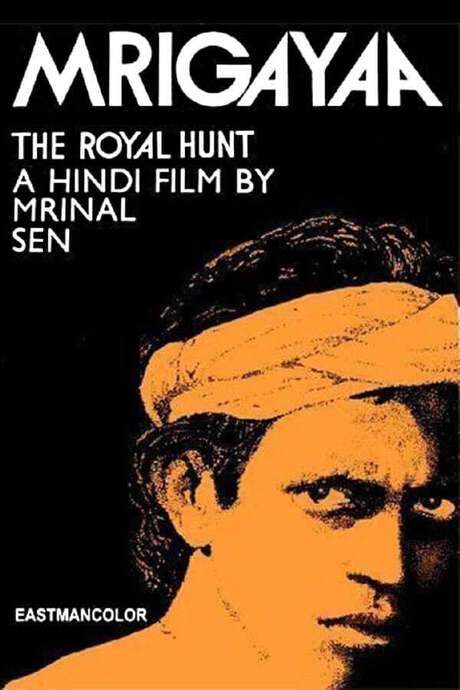
In a remote village of Odisha during the 1930s, a community of tribals endures the constant threat of wild beasts—tigers and boars—that ruin their crops, compounding the oppression from greedy moneylenders and police informers. Into this fragile world steps a newly posted British administrator whose love of the chase introduces a volatile balance between power and peril. The administrator, Robert Wright, quickly befriends Ghinua, a native tribal and an exceptional archer, and a dangerous bargain forms: Ghinua will be rewarded for bringing down a “big game” under the terms of this unlikely collaboration.
The tale widens its gaze to center on Sholpu, a young revolutionary who slips into the village to seek his mother’s shelter. The police informer stalks him, only to lose his nerve when the entire village rallies behind Sholpu. Yet the risk remains as the informer bides his moment to exact punishment. A sudden village robbery brings tragedy: a policeman is killed, and Sholpu is blamed. The administrator places a price on his head, and the informer seizes the chance to claim the reward by killing Sholpu. This act seeds a deep rift between tribals and non-tribals, testing the community’s loyalties and sense of justice.
Amidst this tension, Dungri, Ghinua’s wife, is abducted by a ruthless moneylender. In a display of raw resolve, Ghinua confronts the moneylender and kills him to win back his wife, underscoring the raw, violent costs of protecting family and community. With a renewed sense of purpose, Ghinua heads toward the Sahab, the administrator, convinced that the time has come for the promised big game. But the meeting with the Sahab yields a brutal reversal: Ghinua is hanged for murder, his fate sealed by a rigid sense of order that fails to recognize the complexity of his actions. Throughout this confrontation, a stark, unsettling question lingers: why does a deed that seems to defend kin and honor earn punishment when the same act—murder—could be rewarded under another system?
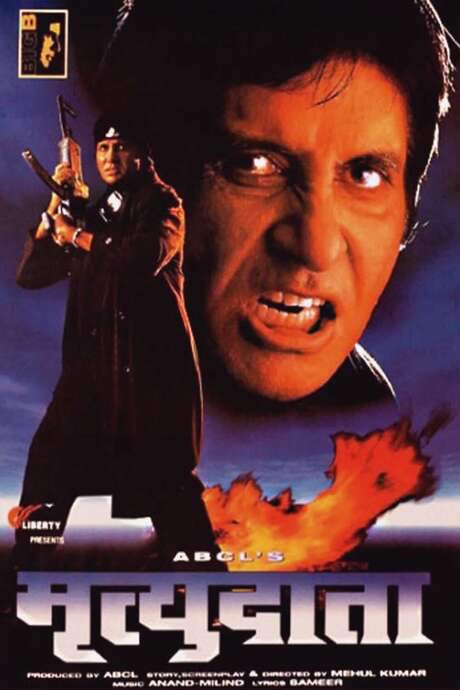
The film lingers on the moral ambiguity of power, loyalty, and the brutal logic of colonial rule, inviting viewers to reflect on the toll of oppression, the cost of resistance, and the price paid by those who fight to protect their villages. The performances, led by Mithun Chakraborty as Ghinua, carry a quiet intensity that anchors the narrative, while the supporting roles add texture to a world where traditional life collides with external forces. The story asks whether courage and love can survive the harsh arithmetic of domination, and it leaves audiences with a lingering, somber meditation on justice, punishment, and the ambiguous outcomes of rebellion.