Plot Explained Spoilers guaranteed!
Plot Explained

Browse by genre

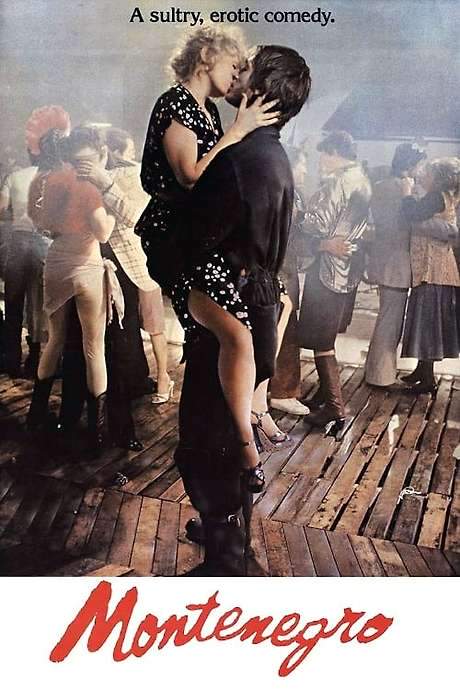
Montenegro (1981) movie poster

Plot Summary

Montenegro (1981) Plot Summary Explained

Release, runtime and language
1981 · 96 mins · Swedish
Directed by
Dušan Makavejev
Starring
Susan Anspach, Erland Josephson, Patricia Gélin, Svetozar Cvetković, Lasse Åberg, Per Oscarsson

A sultry, erotic comedy follows Marilyn Jordan, an American living in Stockholm with her Swedish husband and family. Her erratic behavior includes poisoning the dog’s milk, setting the sheets aflame while he sleeps, and singing under the dining table. After customs detains her for carrying pruning shears, she befriends a young Yugoslav woman and ventures into a Gypsy enclave, where she’s fought over, takes a lover, and assists with the bar’s tawdry entertainment before returning home more dangerous than before. The film also parallels Marilyn’s daughter’s path toward becoming a junior homemaker with the immigrant’s strip‑tease training.

On this page (5)
  1. 1 What happens: full plot
  2. 2 Plot questions answered
  3. 3 Movie threads
  4. 4 Movies like Montenegro
  5. 5 Every angle

Full plot summary · contains spoilers

What Happens in Montenegro: Full Plot Summary

The whole story of Montenegro (1981) explained, from the opening scene to the final frame: every key event, every twist and what it all adds up to. Read it as a quick recap before the sequel, to check a scene you missed, or to finally understand what really happened.

Marilyn Jordan is a bored, depressed American housewife living a glossy suburban life with a rich Swedish businessman and two seemingly perfect children. In a bid to inject some spark into her routine, she unleashes a reckless streak that becomes increasingly volatile: she devours the family dinner, sets the bedclothes ablaze, and even poisons the dog’s milk while coolly telling it not to drink. This reckless impulse unsettles the calm surface of her marriage and triggers concern from her husband, who turns to a psychiatrist to intervene. The attempt to diagnose and “fix” her only fans the flames of her restlessness, nudging her toward a deeper disquiet she cannot articulate.

On a business trip that should have been ordinary, Marilyn misses her flight after a run-in with airport security, an event that becomes the doorway to an unexpected encounter. Befriended by a group of Yugoslavs, she is drawn away from the familiar world and into the foreign, vividly odd atmosphere of a club they operate—an enclave with the enigmatic name Zanzi-Bar. Here, the boundaries between reality and fantasy blur, and Marilyn enters a surreal, sensory playground where shovel fighting, lamb roasting, striptease, and open, unrestrained affection mingle in provocative, almost magical ways.

In this liberated, theatrical world she meets a young man named Montenegro, who works at a zoo, and they share a charged, intoxicating romance that feels fierce and unbalanced all at once. The night spent with Montenegro illuminates a crucial truth for Marilyn: while she adores this world’s wild abandon, she remains a stranger within it. The realization shatters her, and she snaps, returning home with a brittle calm that cannot erase what she has learned about herself.

Back in her ordinary life, she serves her family a decadent gourmet dinner, followed by a light dessert of fruit, a detail highlighted by a caption that reveals the fruit is poisoned. The final intertitle seals the unsettling message: the story was based on real events. The film travels a tense line between satire and tragedy, tracing how a woman’s craving for meaning and excitement collides with a society that both seduces and restrains her. The narrative unfolds with clinical observation and stark, haunting imagery, inviting viewers to question the boundaries of sanity, consent, and the price of chasing belonging.

Last updated: February 18, 2026 at 23:45

Was this helpful?

Plot questions answered

Montenegro Plot Explained: Your Questions Answered

The questions people ask most about Montenegro (1981): what happens in the confusing scenes, why the characters do what they do, the twists, hidden details and what the ending means. Each answer contains spoilers.

Q1

Why does Marilyn poison the dog's milk?

Marilyn poisons the dog's milk as an early act of her growing mental instability and rebellion against her suffocating suburban life. The act is deliberate, she tells the dog not to drink it, showing she understands the danger she's creating. The dog refuses to drink, which subtly signals that even animals recognize her destructive impulses, highlighting how her behavior has become unmistakably dangerous.

Foreshadowing: The poisoned milk foreshadows the final scene where Marilyn serves poisoned fruit to her family, completing the circle of her lethal intentions.

  • marilyn jordan
  • poisoned milk
  • dog
  • suburban rebellion
  • mental instability
Q2

Why does the psychiatrist visit make Marilyn's condition worse?

The psychiatric session fails because it represents another attempt by her husband to control and 'fix' her rather than understand her genuine discontent. Marilyn feels increasingly trapped by the medical labeling of her feelings as an illness requiring treatment. Instead of providing relief, the clinical intervention deepens her sense of alienation from her own life and accelerates her breakdown.

Foreshadowing: This failure sets up Marilyn's complete departure from conventional reality, pushing her toward the wild Zanzi-Bar world where normal rules no longer apply.

  • psychiatrist
  • martin jordan
  • mental health
  • marriage
  • control
Q3

What happens when Marilyn is detained at the airport?

Marilyn is detained by airport security on a technicality, carrying pruning shears in her luggage, which delays her enough to miss her flight. This seemingly minor incident becomes the pivotal turning point that redirects her life entirely. Instead of returning home, she is befriended by a group of Yugoslavs who take her to the Zanzi-Bar club, launching her into the surreal secondary world.

Foreshadowing: The missed flight represents the first moment Marilyn's life truly diverges from her controlled suburban existence, opening the door to her psychological transformation.

  • airport security
  • missed flight
  • pruning shears
  • yugoslavs
  • detour
Q4

What is Zanzi-Bar and what happens there?

Zanzi-Bar is a surreal club operated by Yugoslav immigrants, representing everything Marilyn's suburban life lacks, wild freedom, sensory excess, and theatrical abandon. The club features shovel fighting, lamb roasting, striptease, and open affection among patrons. It functions as a fantastical playground where reality and fantasy blur, offering Marilyn an intoxicating escape that both seduces and ultimately overwhelms her.

Foreshadowing: The wild, chaotic atmosphere of Zanzi-Bar contrasts sharply with Marilyn's sterile home life, setting up the eventual collision between her desires and her inability to truly belong anywhere.

  • zanzi-bar
  • yugoslav club
  • surreal
  • shovel fighting
  • striptease
  • freedom
Q5

Who is Montenegro and why does Marilyn pursue him?

Montenegro is a young man who works at a zoo and becomes Marilyn's lover at Zanzi-Bar. Their romance is fierce, charged, and intoxicating, a stark contrast to her emotionally distant marriage. Marilyn pursues him because he represents raw, uncontained passion and an escape from her prescribed role as a suburban wife. The affair becomes the emotional centerpiece of her wild detour, offering the excitement she desperately craves.

Foreshadowing: Montenegro's connection to the zoo, working with wild animals, parallels Marilyn's own descent into untamed, dangerous behavior.

  • montenegro
  • zoo
  • lover
  • affair
  • passion
  • escape
Q6

Why does Marilyn kill Montenegro?

Marilyn kills Montenegro in a sudden snap after she realizes she is fundamentally a stranger in the wild world she has embraced. The passionate night reveals to her that while she craved this freedom, she cannot truly inhabit it, the fantasy collapses when she confronts her own otherness. This jarring recognition triggers a violent rejection of the dream, and she kills Montenegro before returning home with grim resolve.

Foreshadowing: The murder represents the moment Marilyn's psychological journey completes its dark arc, transforming her from a restless rebel into someone genuinely dangerous.

  • murder
  • montenegro
  • violence
  • realization
  • return home
  • breakdown
Q7

What is the significance of the poisoned fruit at the end?

The poisoned fruit dessert Marilyn serves her family completes the tragic circle begun with the poisoned dog's milk. After her harrowing psychological journey, where she discovered she could not escape herself or find belonging anywhere, she now intends to poison those closest to her. The act transforms her from a troubled wife into a deliberate threat, suggesting her breakdown has calcified into something far darker: a cold, calculated willingness to destroy her own family.

Foreshadowing: The poisoned milk at the film's beginning was rejected by the dog; the poisoned fruit at the end is accepted by her family, sealing the tragic outcome.

  • poisoned fruit
  • dessert
  • family
  • ending
  • murder
  • final scene
Q8

What does the final intertitle about the story being based on real events mean?

The final intertitle stating the story was based on real events adds a chilling layer of ambiguity to the entire narrative. It challenges viewers to question whether Marilyn's surreal journey actually occurred or was a psychological episode, and it suggests the film draws from real cases of mental instability, marital despair, and violence. The statement transforms the film from mere fiction into something unsettlingly plausible, deepening the psychological horror.

Foreshadowing: This ambiguity shadows the entire film, leaving viewers uncertain whether the Zanzi-Bar sequences were real or manifestations of Marilyn's unraveling mind.

  • based on real events
  • intertitle
  • ambiguity
  • reality vs fiction
  • psychological horror
Q9

What is the significance of Marilyn's daughter becoming a junior homemaker?

Marilyn's daughter is shown training to become a junior homemaker, mirroring the path her mother followed into suburban domesticity. This parallel suggests a cyclical pattern, women trapped in prescribed roles that lead to dissatisfaction and crisis. The daughter seems destined to repeat Marilyn's trajectory, potentially facing the same restlessness and desperate search for meaning that drove her mother's breakdown.

Foreshadowing: The daughter's trajectory hints that Marilyn's crisis may be generational, suggesting the suburban housewife role itself creates the conditions for psychological unraveling.

  • daughter
  • junior homemaker
  • parallel
  • cycle
  • domesticity
  • repetition
Q10

Why does Marilyn return home after killing Montenegro?

Marilyn returns home not healed or restored, but transformed into something colder and more dangerous. The Zanzi-Bar experience stripped away her illusions, she cannot find authentic belonging in wild freedom, but she also cannot return to her old self. She comes back with a brittle calm and grim determination, having accepted that she will now play the domestic role while harboring lethal intent toward her family.

Foreshadowing: The return sets up the final poisoned dessert scene, revealing that Marilyn's journey has made her truly sinister rather than freed.

  • return home
  • aftermath
  • montenegro murder
  • transformation
  • danger

Movie threads

More Movies Like Montenegro, by Mood & Story

Curated lists built around what makes Montenegro tick: the same mood, the same kind of story or the same emotional payoff. Each list explains why these movies belong together.

Movies about dark suburban rebellion like Montenegro

Characters break free from stifling conformity into chaotic, dark liberation. If you enjoyed the subversive energy of Montenegro, explore other films about characters shattering their domestic cages. These movies share a darkly comic tone, themes of existential discontent, and a journey from sterile conformity to chaotic, risky freedom.

  • bizarre
  • claustrophobic
  • liberating
  • unsettling
  • rebellious
  • surreal
  • Tone: dark, surreal, satirical
  • Pacing: variable, building tension
Why these movies?

The story pattern: Stories in this thread typically follow a protagonist trapped in a suffocating routine—often domestic or corporate—who experiences a dramatic break. This rebellion leads them into a foreign, chaotic underworld, resulting in a personal transformation that is both liberating and deeply unsettling, ultimately leaving them permanently changed and often dangerous.

Why they belong together: These films are united by their shared focus on the dark side of escapism, a satirical view of middle-class norms, and a tonal blend of psychological unease with surreal, darkly humorous moments. They explore the violent release of long-repressed desires.
Surreal psychological odyssey movies like Montenegro

A descent into a bizarre underworld that mirrors a character's fracturing psyche. Fans of Montenegro's bizarre and erotic journey will find similar vibes in these films. They feature characters undergoing a psychological unraveling, depicted through surreal sequences, cultural clashes, and a sense of escalating, anxious liberation.

  • surreal
  • bizarre
  • psychological
  • anxious
  • erotic
  • unraveling
  • Tone: unsettling, erotic, anxious
  • Pacing: variable, erratic
Why these movies?

The story pattern: The narrative pattern involves a protagonist experiencing a mental break, which leads them into an alternative, often gritty or exotic reality that reflects their inner turmoil. This journey is disorienting and intense, mixing eroticism with danger, and concludes with the character returning to their old life irrevocably altered, rarely for the better.

Why they belong together: These movies are grouped by their surreal execution, high psychological intensity, and exploration of a character's dark awakening. They share a variable pacing that shifts from slow-burn tension to chaotic release and consistently deliver a heavy, unsettling emotional experience.

If you liked this

Movies Like Montenegro

Similar movies to Montenegro: the same genre, themes or kind of story. Each one comes with its own plot summary, timeline and ending explained.

Browse all movie summaries

Every angle

Montenegro (1981) Explained: Plot, Timeline & Characters

Everything about Montenegro in one place: what happens in the plot summary, the timeline in chronological order, the characters and meaning and a spoiler-free summary. What's After the Movie adds the cast, box office and post-credit scenes.

Coming soon on iOS and Android

The Plot Explained Movie Summary App

Plot summaries, endings explained and timelines on your phone. Catch up on any movie in minutes, save your favorites and never miss a twist again.

Be the first to know when we launch. Your email stays private, always.

Learn more about the app