Plot Explained Spoilers guaranteed!
Plot Explained

Browse by genre

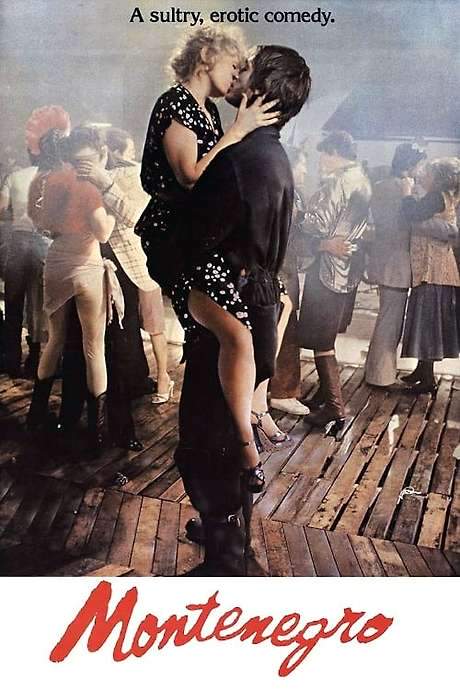
Montenegro (1981) movie poster

Characters & Themes

Montenegro (1981) Characters, Setting & Themes Explained

Release, runtime and language
1981 · 96 mins · Swedish
Loading streaming availability…
Directed by
Dušan Makavejev
Starring
Susan Anspach, Erland Josephson, Patricia Gélin, Svetozar Cvetković, Lasse Åberg, Per Oscarsson

A sultry, erotic comedy follows Marilyn Jordan, an American living in Stockholm with her Swedish husband and family. Her erratic behavior includes poisoning the dog’s milk, setting the sheets aflame while he sleeps, and singing under the dining table. After customs detains her for carrying pruning shears, she befriends a young Yugoslav woman and ventures into a Gypsy enclave, where she’s fought over, takes a lover, and assists with the bar’s tawdry entertainment before returning home more dangerous than before. The film also parallels Marilyn’s daughter’s path toward becoming a junior homemaker with the immigrant’s strip‑tease training.

On this page (8)
  1. 1 Where to watch
  2. 2 Characters explained (13)
  3. 3 Where & when it takes place
  4. 4 Themes & meaning (3)
  5. 5 Character & meaning questions
  6. 6 Movie threads
  7. 7 Movies like Montenegro
  8. 8 Every angle
Loading streaming availability…

13 main characters · contains spoilers

Montenegro Characters Explained: Who Is Who

The main characters of Montenegro (1981), heroes and villains: what drives them, how they change over the course of the story and what each of them reveals about the film's bigger ideas.

  • Marilyn Jordan

    A bored, depressed American housewife married to a rich Swedish businessman, Marilyn longs to spice up her life. Her experiments with chaos—eating the dinner, setting the bedclothes on fire, and poisoning the pet’s milk—reflect a growing sense of stagnation and a desire to break from routine.

    • 💔 Discontent
    • 🧪 Rule-breaker
    • 🗺️ Journey
  • Martin Jordan

    played by Erland Josephson

    Marilyn's husband, a wealthy Swede, whose plan to enlist psychiatric help for his wife only fuels her unraveling. He embodies bourgeois security and the rational attempt to fix a problem that resists conventional solutions.

    • 💼 Bourgeois
    • 🧠 Rational
    • 🕊️ Fragile
  • Tirke

    played by Patricia Gélin

    A character portrayed as part of the European domestic circle; her presence anchors some social norms within the narrative. She contributes to the sense of a structured, conventional world toward which Marilyn temporarily recoils.

    • 👗 Social norms
    • 🗂️ Conventional
  • Montenegro

    A young man who works in a zoo and becomes Marilyn's romantic liaison in the Zanzi-Bar. His involvement propels her into a dreamlike romance that she ultimately treats as a dangerous escape.

    • 💚 Romance
    • 🦁 Exotic life
  • Dr. Aram Pazardjian

    played by Per Oscarsson

    The psychiatrist figure invoked by Marilyn's husband, representing the medicalization of marital dissatisfaction that fails to address underlying desires.

    • 🧠 Psychiatry
    • 🧩 Control
  • Jamie Jordan

    played by Jamie Marsh

    Marilyn and Martin's child who belongs to the conventional suburban world that contrasts with the club's alternative universe.

    • 👶 Family
    • 🏠 Suburban
  • Cookie Jordan

    played by Marianna Jacobi

    A member of the Jordan family, symbolizing the domestic sphere that Marilyn inhabits and sabotages.

    • 🍪 Domestic
    • 🧁 Sweet façade
  • Rita Rossignol

    played by Lisbeth Zachrisson

    A figure representing the social circle surrounding the Jordan family, contributing to the film's sense of social codes and appearances.

    • 🧑‍🤝‍🧑 Social circle
    • 🎭 Appearance
  • Grandpa Bill

    played by John Zacharias

    An elder in the family network who anchors the domestic environment Marilyn returns to after her adventures.

    • 👨‍👧 Family
    • 🕰️ Tradition
  • Bo Ivan Peterson

    played by Bo-Ivan Petersson

    A club or street contact who interacts with the main group; part of the film's wider supporting cast.

    • 🗺️ Supporting
    • 🗨️ Street life
  • Mustapha

    played by Nikola Janić

    A member of the Yugoslav group or club attendees; a symbol of the international vignette around the Zanzi-Bar.

    • 🌍 International
    • 🧭 Cultural
  • Hassan

    played by Dragan Ilić

    Another member of the Yugoslav group who contributes to the club's surreal atmosphere.

    • 🌗 Nonconformist
    • 🎭 Performance
  • John Parkinson

    Piano player who adds to the club's ambience with music that underscores the dreamlike interludes.

    • 🎹 Music
    • 🌀 Ambience

Last updated: February 18, 2026 at 23:20

Was this helpful?

Setting

Where and When Does Montenegro Take Place?

The setting of Montenegro (1981): the year and time period, the places and locations, and how they shape the characters, the mood and the tension of the story.

Time period

The narrative shifts between Marilyn’s ordinary married life and the club’s liberated environment, highlighting a clash between domestic routine and a transgressive subculture. The juxtaposition suggests a tension between bourgeois norms and a desire for personal authenticity. The events imply that freedom from constraint comes with its own risks.

Location

Zanzi-Bar, Yugoslavia

Zanzi-Bar is a bohemian club run by Yugoslavs, where evenings unfold with surreal entertainments such as shovel fighting, lamb roasting, striptease, and free love. The club’s atmosphere contrasts with Marilyn’s orderly suburban life, offering a gateway to a wild, liberating world. This setting signals a fracture between conventional society and a countercultural underworld.

  • 🏙️ Urban
  • 🎭 Surreal
  • 🌍 Yugoslav setting

Last updated: February 18, 2026 at 23:20

Was this helpful?

3 major themes

Montenegro Meaning: Themes & Message Explained

What is Montenegro (1981) really about? The emotional, social and philosophical themes the film keeps returning to, its symbolism and the message beneath the surface.

  • Escape

    Marilyn seeks excitement beyond her privileged routine, using the club and its dangers as a lure. The experiences promise freedom but destabilize her sense of self. The contrast with home life exposes a deep longing for authenticity over conformity.

  • Reality-Fantasy

    The surreal, intoxicating atmosphere of Zanzi-Bar blurs the line between dream and reality. Marilyn's flirtation with Montenegro and the club's rituals shows how fantasy can feel more real than ordinary life, yet it comes with real risks. The film uses this tension to critique bourgeois restraint and its consequences.

  • Domestic vs Liberation

    Back at home, a glossy dinner becomes a stage for Marilyn's reintegration into conventional life, yet the memory of liberation haunts her. The juxtaposition underscores the fragility of the traditional family unit when faced with unbridled desires. The ending implies that freedom from constraint comes at a price.

Last updated: February 18, 2026 at 23:20

Was this helpful?

Character & theme questions

Montenegro Characters & Meaning: Your Questions Answered

The questions people ask about Montenegro (1981): who the characters really are, their relationships, what the symbols mean, where it takes place and what the movie is really about. Each answer contains spoilers.

Q1

Where is Zanzi-Bar located and what kind of club is it?

Zanzi-Bar is a bohemian club run by Yugoslavs, set in an urban environment. The club is known for surreal entertainments including shovel fighting, lamb roasting, striptease, and a free-love atmosphere. It exists as a countercultural space that contrasts sharply with conventional suburban life.

  • zanzi-bar
  • yugoslavia
  • club
  • setting
  • bohemian
Q2

What does Zanzi-Bar represent in the film?

Zanzi-Bar represents a wild, liberating world that stands in opposition to Marilyn's orderly suburban life. It serves as a gateway to a countercultural underworld where bourgeois norms are rejected. The setting signals a fracture between conventional society and a transgressive subculture.

  • zanzi-bar
  • liberation
  • counterculture
  • freedom
  • suburban life
Q3

Who is Montenegro and what role does he play?

Montenegro is a young man who works in a zoo and becomes Marilyn's romantic liaison at Zanzi-Bar. His involvement propels her into a dreamlike romance that she ultimately treats as a dangerous escape, representing the allure of breaking free from domestic constraints.

  • montenegro
  • romance
  • zoo
  • lover
  • escape
Q4

Who is Marilyn Jordan and what does she want?

Marilyn Jordan is a bored, depressed American housewife married to a wealthy Swedish businessman named Martin. She longs to spice up her life and seeks excitement beyond her privileged routine. Her chaotic experiments at home, eating the dinner, setting the bedclothes on fire, poisoning the pet's milk, reflect her desperation to break from stagnation.

  • marilyn jordan
  • housewife
  • boredom
  • desire
  • escape
Q5

What is Martin Jordan's role in the story?

Martin Jordan is Marilyn's wealthy Swedish husband who embodies bourgeois security. When Marilyn's behavior becomes increasingly erratic, he plans to enlist psychiatric help for his wife, representing the rational attempt to fix a problem that resists conventional solutions.

  • martin jordan
  • husband
  • swedish
  • psychiatrist
  • bourgeois
Q6

What is the Escape theme about in the film?

The Escape theme explores how Marilyn seeks excitement beyond her privileged routine, using the club and its dangers as a lure. The experiences promise freedom but destabilize her sense of self. The contrast with home life exposes her deep longing for authenticity over conformity.

  • escape
  • freedom
  • authenticity
  • conforming
  • desire
Q7

What does the Reality-Fantasy theme explore?

The Reality-Fantasy theme examines how the surreal, intoxicating atmosphere of Zanzi-Bar blurs the line between dream and reality. Marilyn's flirtation with the club shows how fantasy can feel more real than ordinary life, though it comes with real risks. The film uses this tension to critique bourgeois restraint.

  • reality
  • fantasy
  • dream
  • illusion
  • restraint
Q8

What does the Domestic vs Liberation theme mean?

The Domestic vs Liberation theme contrasts Marilyn's glossy dinner reintegration into conventional life with the memory of her liberation at the club. It underscores the fragility of the traditional family unit when faced with unbridled desires, implying that freedom from constraint comes at a price.

  • domestic
  • liberation
  • family
  • desire
  • conformity
Q9

What is the film's actual tone despite being labeled a comedy?

Despite being categorized as a comedy, the film has a dark tone due to its exploration of mental instability, marital dissatisfaction, and a violent climax. The humor is dark and satirical, overshadowed by disturbing themes of existential despair and the destructive nature of repressed desires.

  • tone
  • dark comedy
  • satire
  • humor
  • instability
Q10

What does the film suggest about freedom and its consequences?

The film suggests that freedom from constraint comes with its own risks. The juxtaposition between Marilyn's domestic routine and the club's liberated environment highlights this tension. The ending implies that escaping bourgeois norms can transform a person into something genuinely dangerous.

  • freedom
  • consequences
  • risk
  • danger
  • liberation

Movie threads

More Movies Like Montenegro, by Mood & Story

Curated lists built around what makes Montenegro tick: the same mood, the same kind of story or the same emotional payoff. Each list explains why these movies belong together.

Movies about dark suburban rebellion like Montenegro

Characters break free from stifling conformity into chaotic, dark liberation. If you enjoyed the subversive energy of Montenegro, explore other films about characters shattering their domestic cages. These movies share a darkly comic tone, themes of existential discontent, and a journey from sterile conformity to chaotic, risky freedom.

  • bizarre
  • claustrophobic
  • liberating
  • unsettling
  • rebellious
  • surreal
  • Tone: dark, surreal, satirical
  • Pacing: variable, building tension
Why these movies?

The story pattern: Stories in this thread typically follow a protagonist trapped in a suffocating routine—often domestic or corporate—who experiences a dramatic break. This rebellion leads them into a foreign, chaotic underworld, resulting in a personal transformation that is both liberating and deeply unsettling, ultimately leaving them permanently changed and often dangerous.

Why they belong together: These films are united by their shared focus on the dark side of escapism, a satirical view of middle-class norms, and a tonal blend of psychological unease with surreal, darkly humorous moments. They explore the violent release of long-repressed desires.
Surreal psychological odyssey movies like Montenegro

A descent into a bizarre underworld that mirrors a character's fracturing psyche. Fans of Montenegro's bizarre and erotic journey will find similar vibes in these films. They feature characters undergoing a psychological unraveling, depicted through surreal sequences, cultural clashes, and a sense of escalating, anxious liberation.

  • surreal
  • bizarre
  • psychological
  • anxious
  • erotic
  • unraveling
  • Tone: unsettling, erotic, anxious
  • Pacing: variable, erratic
Why these movies?

The story pattern: The narrative pattern involves a protagonist experiencing a mental break, which leads them into an alternative, often gritty or exotic reality that reflects their inner turmoil. This journey is disorienting and intense, mixing eroticism with danger, and concludes with the character returning to their old life irrevocably altered, rarely for the better.

Why they belong together: These movies are grouped by their surreal execution, high psychological intensity, and exploration of a character's dark awakening. They share a variable pacing that shifts from slow-burn tension to chaotic release and consistently deliver a heavy, unsettling emotional experience.

If you liked this

Movies Like Montenegro

Similar movies to Montenegro: the same genre, themes or kind of story. Each one comes with its own plot summary, timeline and ending explained.

Browse all movie summaries

Every angle

Montenegro (1981) Explained: Plot, Timeline & Characters

Everything about Montenegro in one place: what happens in the plot summary, the timeline in chronological order, the characters and meaning and a spoiler-free summary. What's After the Movie adds the cast, box office and post-credit scenes.

Coming soon on iOS and Android

The Plot Explained Movie Summary App

Plot summaries, endings explained and timelines on your phone. Catch up on any movie in minutes, save your favorites and never miss a twist again.

Be the first to know when we launch. Your email stays private, always.

Learn more about the app