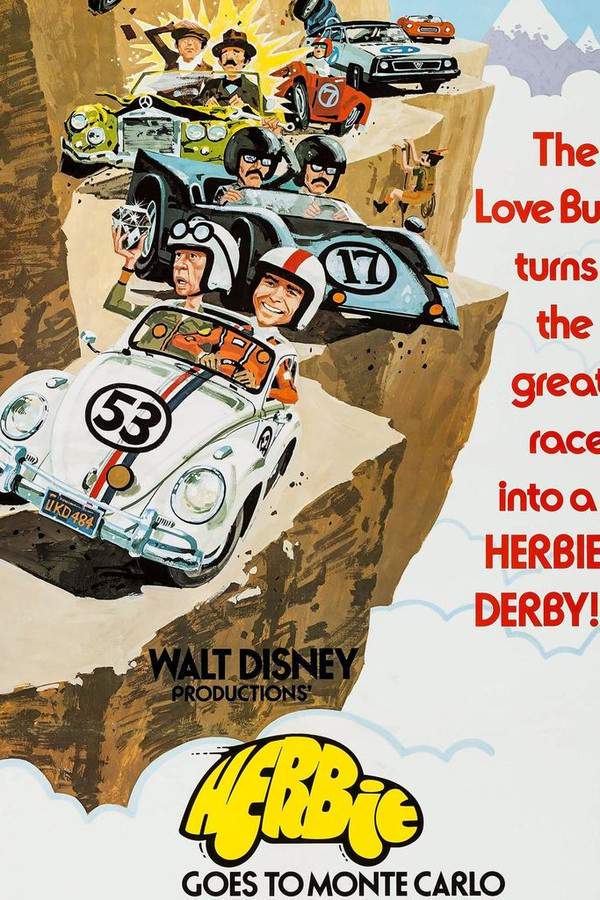
In the 1920s Monte Carlo Rally, the world’s best drivers gather for a grueling test of nerves, skill, and speed. The field mirrors a parade of national quirks, from the sharp wit of the British to the bold flair of the French and the stubborn pride of the Germans, all racing to conquer a 1,500-mile course through perilous passes and treacherous weather. Among the most memorable entrants are Angelo Pincelli, an Italian driver whose cheerful stubbornness clashes with the others, and Marcello Agosti, whose focus seems more on the captivation of three French women led by Marie-Claude than on the road ahead. Their playful rivalries set the tone for a race that blends spectacle with danger, camaraderie with cutthroat competition, and a touch of farce with serious peril.
The international mix of contestants includes the British duo of Maj. Digby Dawlish and Lt. Kit Barrington, who enter with a mission to defend the Empire’s honor while piloting a vehicle loaded with peculiar inventions that raise as many smiles as questions. On the other side of Europe, the German challenge features the formidable Willi Schickel and Horst Muller, whose entry hints at a darker edge as they are revealed to be driving with stolen gems tucked inside their car. The field also includes the noble maneuvering of Count Levinovitch, an aristocratic rival who adds a sharp, strategic bite to the competition.
As the race unfolds, the landscape itself becomes a ruthless opponent: a 1,500-mile battle where road conditions and the elements—especially a massive avalanche—test every team to their limits. Chester Schofield from the United States, accompanied by his new co-driver Betty, finds himself in a fierce duel with Sir Cuthbert Ware-Armitage, a baronet bent on avenging a lost fortune by winning the race outright. The British squad faces a cascade of mishaps, with their efforts continually derailed by misfortune and discipline challenged on the asphalt.
One by one, rivals stumble: Sir Cuthbert Ware-Armitage is disqualified for cheating; the British Army team encounters a disastrous blow; the German team is arrested; and Chester Schofield drifts into sleep at the wheel, threatening to ruin his and his allies’ chances. Yet the rally’s spirit resists despair: the Italians prevail, their victory framed not only by speed but by a willingness to share. In a gesture of solidarity, the Italian winners divide their prize with the French women’s team, offering aid to those injured in the snowslide, a humane counterpoint to the race’s fierce competition.
Ultimately, Chester Schofield crosses the finish line, though it comes with a little assistance—Betty and others give his car a push when the moment matters most—rendering the finish not just a triumph of machinery, but of teamwork and resilience. The story leaves a vivid impression of a world where cars are symbols of national pride, personal ambition, and unexpected generosity—a world captured through a cast that spans humor, danger, and human warmth on a grand automotive stage.