Plot Explained Spoilers guaranteed!
Plot Explained

Browse by genre

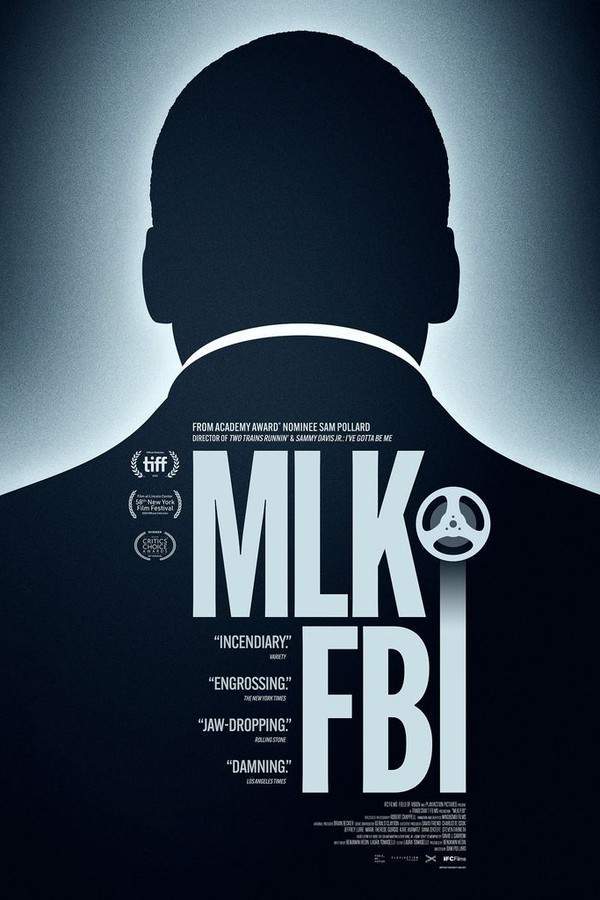
MLK/FBI (2021) movie poster

Timeline

MLK/FBI (2021) Timeline Explained – Every Event in Order

Release, runtime and language
2021 · 104 min · English
Echo score 75
Loading streaming availability…
Directed by
Samuel D. Pollard

This gripping documentary explores a hidden aspect of Martin Luther King Jr.'s fight for civil rights: the intense and prolonged surveillance he endured from the FBI. Through archival footage and expert analysis, the film reveals how J. Edgar Hoover's personal biases and fears drove the bureau's relentless pursuit of King, monitoring his activities and associates. It offers a revealing look at a controversial chapter in American history and the complex relationship between the government and a pivotal leader.

On this page (5)
  1. 1 Where to watch
  2. 2 Events in order (12)
  3. 3 Movie threads
  4. 4 Movies like MLK/FBI
  5. 5 Every angle
Loading streaming availability…

12 events in order · contains spoilers

MLK/FBI Timeline: Events in Chronological Order

Every key event of MLK/FBI (2021) in order, scene by scene, with when and where it takes place. Use it to untangle flashbacks, time jumps and parallel storylines, to refresh your memory before the sequel or to find the exact scene you are thinking of.

  1. The Film Opens on Declassified FBI Files

    The documentary introduces its central subject: the investigation and harassment of Martin Luther King Jr. by FBI director J. Edgar Hoover. Newly declassified documents form the backbone of the film's account, shedding light on a campaign that remained hidden for decades.

  2. Archival Footage Traces King's Activist Years

    The film draws heavily on archival footage covering the years of King's work as a civil rights activist between 1955 and 1968. It establishes King as the central figure of a movement that was steadily gaining momentum across the United States.

    When
    1955
    Where
    United States
  3. A Movement Gains Momentum

    King's status within the civil rights movement for Black people in the United States continues to grow. The film shows the many crowds of Black people assembling around him, a powerful image of the movement's strength and reach.

  4. Hoover and the FBI Set Their Sights on King

    J. Edgar Hoover and the Federal Bureau of Investigation begin their campaign against King. The film explores how the agency's interest in the civil rights leader grew into a sustained effort of investigation and harassment.

  5. The FBI Collects Recordings of King's Private Life

    The FBI sets out to collect recordings and images of King's private sexual life with women other than his wife. This surveillance material becomes the core of the agency's effort against him, documenting his most personal moments.

  6. A Campaign to Discredit King

    The collected material is intended to denigrate King's standing within the civil rights movement. The film shows how Hoover sought to use King's private life to undermine his public leadership and the movement he represented.

  7. A Stark Contrast: White FBI, Black Crowds

    The documentary emphasizes the striking contrast between the thoroughly white complexion of the FBI and the many crowds of Black people gathered around King. The imagery underlines the racial dynamics at the heart of the conflict between the two sides.

  8. Interviews Guide the Story as Voiceover

    Interviews with Beverly Gage, David J. Garrow, Andrew Young, Donna Murch, James Comey, Clarence Jones, Charles Knox, and Marc Perrusquia run throughout the film. They are presented largely as voiceover, providing historical context and firsthand perspective on the events.

  9. A Chronological Journey Through King's Final Years

    The documentary proceeds largely chronologically, following a young MLK from 1963 onward. The archival footage captures the years in which his activism was at its height while the FBI's campaign against him intensified.

    When
    1963
  10. 1968: The Assassination of Martin Luther King Jr.

    The chronological account reaches King's assassination in 1968, closing the arc of his life as an activist. Notably, the documentary reveals no new information about the assassination itself.

    When
    1968
  11. The Interviewees Step Before the Camera

    At the end of the film, some of the interviewees briefly appear on camera after being heard mostly as voiceover. The moment gives faces to the historians, officials, and civil rights figures who guided the narrative.

  12. The Full Record Declassified in 2027

    The final sequence makes the statement that not all FBI documents related to King have been declassified. According to the film, the whole record will be declassified and made available to the public in 2027.

    When
    2027

Last updated: November 21, 2026 at 03:12

Was this helpful?

Movie threads

More Movies Like MLK/FBI, by Mood & Story

Curated lists built around what makes MLK/FBI tick: the same mood, the same kind of story or the same emotional payoff. Each list explains why these movies belong together.

Government surveillance and repression movies like MLK/FBI

Investigative stories reveal how institutions monitor, harass, and silence the people they oppose. Explore movies like MLK/FBI that expose government surveillance, political repression, and institutional misconduct. These dark, historically grounded stories use archival evidence and expert analysis to reveal how powerful agencies undermine civil rights, abuse authority, and damage the lives of people they target.

  • oppressive
  • investigative
  • unsettling
  • morally charged
  • politically charged
  • tense
  • Tone: dark, somber, morally charged
  • Pacing: steady, cumulative, evidence driven
Why these movies?

The story pattern: The narrative typically moves from public activism into the hidden machinery aimed at it. Surveillance records, internal directives, and expert testimony gradually expose an institutional campaign of intimidation. The emotional arc grows less dramatic but more intimate as the costs of secrecy, racism, and misuse of power become impossible to contain.

Why they belong together: They share a grave, investigative mood built from archival footage, cumulative evidence, and restrained narration. Rather than relying on physical action, their tension comes from discovering that legal authority can conceal sustained coercion, institutional prejudice, and the calculated harassment of a vulnerable public figure.
Stories of private lives weaponized by power like MLK/FBI

Powerful institutions exploit intimate material to discredit, isolate, and silence their targets. If you liked MLK/FBI, discover movies like this story of coercive surveillance, sexual privacy violations, and reputational attacks. These morally charged narratives reveal how institutions use intimate recordings and personal exploitation to silence advocates, undermine credibility, and turn private pain into political leverage.

  • private violation
  • sexual exploitation
  • surveillance
  • reputational damage
  • oppressive
  • unsettling
  • Tone: dark, intimate, morally charged
  • Pacing: steady, revelatory, procedural
Why these movies?

The story pattern: These stories begin with a public figure under observation, then move into the invasive details hidden behind official scrutiny. Coercive recordings or exploited relationships become instruments of intimidation, while institutional distance gives the abuse deniability. Their emotional arc shifts from procedural investigation to intimate violation and moral outrage, often without full closure.

Why they belong together: The shared focus is not merely institutional surveillance but the collision of official authority with private life. Each film builds tension through revelations that are humiliating rather than kinetic, showing how recordings, sexual material, and private leverage can damage a person's standing while larger systems deny accountability.

If you liked this

Movies Like MLK/FBI

Similar movies to MLK/FBI: the same genre, themes or kind of story. Each one comes with its own plot summary, timeline and ending explained.

Browse all movie summaries

Every angle

MLK/FBI (2021) Explained: Plot, Timeline & Characters

Everything about MLK/FBI in one place: what happens in the plot summary, the timeline in chronological order, the characters and meaning and a spoiler-free summary. What's After the Movie adds the cast, box office and post-credit scenes.

Coming soon on iOS and Android

The Plot Explained Movie Summary App

Plot summaries, endings explained and timelines on your phone. Catch up on any movie in minutes, save your favorites and never miss a twist again.

Be the first to know when we launch. Your email stays private, always.

Learn more about the app