






Plot Explained Spoilers guaranteed!
Plot Explained

Browse by genre

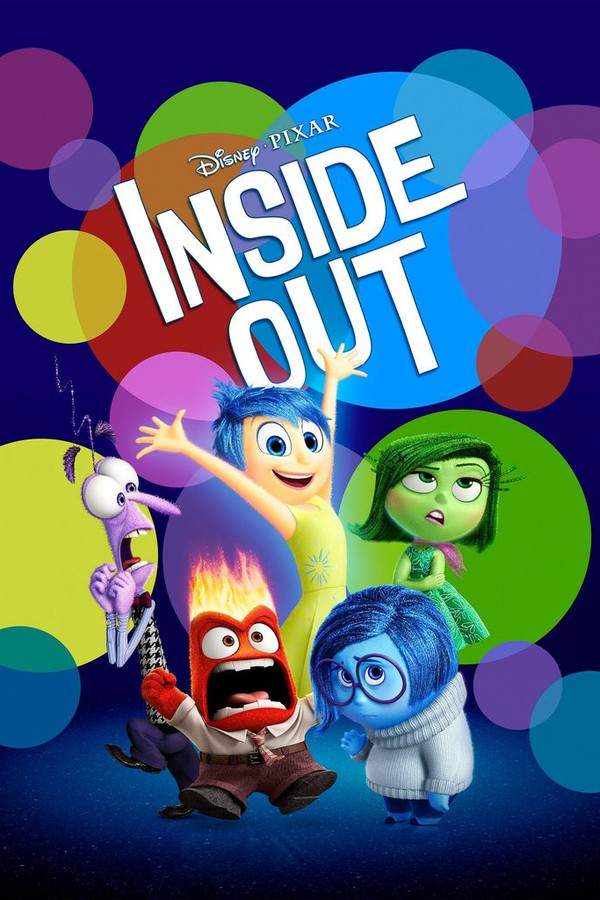
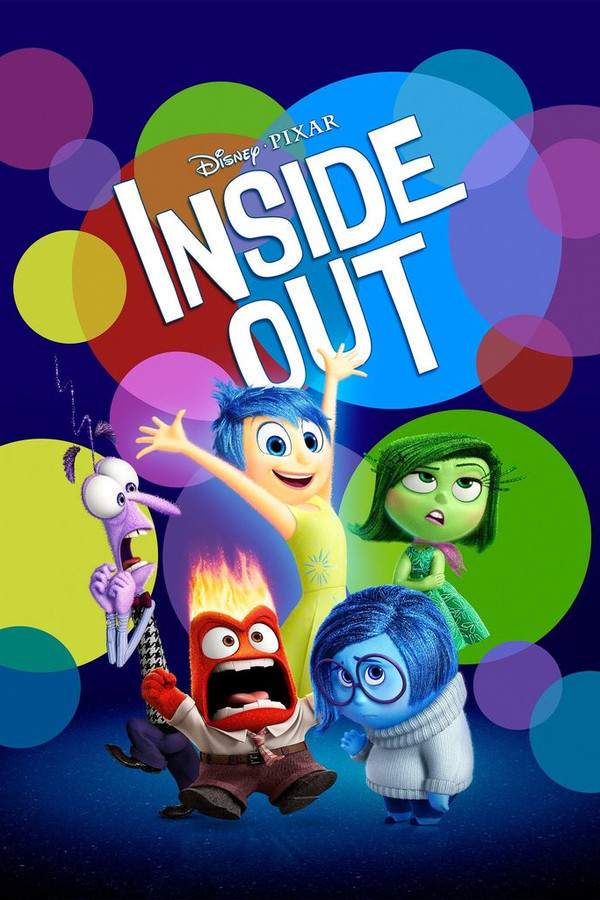
Inside Out (2015) movie poster

Ending Explained

Inside Out (2015) Ending Explained – Final Scene & Meaning

Release, runtime and language
2015 · 94 min · English
JustWatch #12,295 9
Directed by
Pete Docter, Ronaldo Del Carmen
Starring
Amy Poehler, Bill Hader, Lewis Black, Mindy Kaling, Phyllis Smith
Budget
$175M

When a young girl named Riley moves with her family to San Francisco, she struggles to adjust to her new life. Inside her mind, five personified emotions—Joy, Fear, Anger, Disgust, and Sadness—work to guide her through this challenging transition. As Riley’s emotions clash and struggle for control, Joy must learn to accept the importance of sadness and all feelings in shaping Riley's experiences and helping her navigate growing up.

On this page (7)
  1. 1 Where to watch
  2. 2 What happens at the end
  3. 3 Final events in order
  4. 4 Ending questions answered
  5. 5 Movie threads
  6. 6 Movies like Inside Out
  7. 7 Every angle

Where to watch

Where to Watch Inside Out (2015)

Where can you watch Inside Out? Stream, rent or buy it in the US, including on Disney Plus, Amazon Video and Apple TV Store: current JustWatch availability with up-to-date prices.

Streaming availability powered by JustWatch

Ending explained · contains spoilers

What Happens at the End of Inside Out?

How Inside Out (2015) ends, what the final scene means, which earlier moments set it up and how to read the ending if the film leaves it open. The full ending explained, with every spoiler.

At the end of Inside Out, Riley's journey leads her to a crucial realization: that experiencing all her emotions, including sadness, is essential for growth and emotional balance. Throughout the film, Joy tries to keep Riley constantly happy, but it is only when she allows Sadness to take charge that Riley is able to connect deeply with her feelings and her family. This acceptance helps Riley process her difficult move to San Francisco, resulting in a more authentic, mixed emotion—recognizing that feeling sad and happy at the same time is normal and healthy. The climax shows that Sadness, once seen as a nuisance, becomes the true hero, because it allows Riley to confront her feelings and reconnect with others in a meaningful way.

The ending montage further emphasizes that Riley's emotional health depends on a harmony of feelings. Some characters in the story, like Riley's parents, reveal their inner worlds with similar emotional complexity, showing that they too are well-balanced, even if their dominant emotions differ. For example, her father is led by Anger, emphasizing his sense of justice, while her mother is guided by Sadness, highlighting her empathy. This diversity in emotional leadership demonstrates that no single emotion defines a person; instead, embracing a range of feelings results in a healthier, more complete individual.

Finally, the film hints at Riley's future growth. Although her core memories and personality islands have been reshaped, this new understanding of her emotions prepares her for the complexities of adolescence. The film suggests that her emotional landscape will continue to evolve, with more challenges ahead. The story concludes with a message that all emotions are valuable, and that genuine emotional well-being involves accepting and balancing them all, not just focusing on happiness. This sets the stage for Riley’s ongoing journey into adolescence, where her emotional landscape will deepen and become even richer, as hinted at in the sequel's continuation of this emotional exploration.

Last updated: June 25, 2025 at 08:57

Was this helpful?

The last 4 events

How Inside Out Ends: The Final Events in Order

The last events of Inside Out (2015) in chronological order, the run-up to the ending explained above. The complete timeline has all 15 events, scene by scene.

Open the full timeline
  1. Sacrifice of Bing Bong

    In a selfless moment, Bing Bong sacrifices himself so Joy can escape the Memory Dump. His fading presence symbolizes the loss of innocence and the importance of supporting each other.

    Where
    Memory Dump
  2. Joy's Realization

    Joy discovers the importance of Sadness when she encounters a touching memory that highlights how comfort and support from family can transform feelings of sorrow into happiness.

    Where
    Memory Dump
  3. Returning Home

    After Joy and Sadness reunite, they return to Headquarters to find the control console malfunctioned. Inspired by Joy, Sadness takes charge to restore balance and help Riley express her true emotions.

    Where
    Headquarters
  4. Creating New Core Memories

    Riley emotionally confesses her struggles, leading to a supportive moment with her parents. Joy and Sadness work together to create a new blended core memory, transforming Riley's personality for the better.

    Where
    Home

Ending questions answered

Inside Out Ending: Your Questions Answered

The questions people ask most about the ending of Inside Out (2015): what the final scene means, how the twist works, what happens to each character and how to read the ending. Each answer contains spoilers.

Q1

Why does Sadness become the hero at the end of Inside Out?

Sadness becomes the hero because she is the only emotion that allows Riley to confront and process her difficult feelings. Throughout the film, Joy tries to keep Riley constantly happy, but this bottling up of negative emotions causes Riley's personality islands to collapse and leads her to run away. It is only when Sadness takes control that Riley can be honest about missing her old life, which enables her to reconnect with her parents and process the move authentically.

Foreshadowing: Earlier in the film, Joy dismisses Sadness and tries to keep her away from the console, not realizing that Sadness serves an essential purpose.

  • sadness hero
  • joy vs sadness
  • emotional processing
  • riley emotions
Q2

Why can Riley feel sad and happy at the same time at the end?

The ending shows that Riley can feel multiple emotions simultaneously because emotional experiences are rarely pure. When Sadness touches a core memory, it becomes a mixed memory that contains both sadness and joy. This reflects the film's central message that it is normal and healthy to experience conflicting emotions at once, rather than feeling only one emotion at a time.

Foreshadowing: The Bing Bong flashback scene already demonstrates that memories can hold both happiness and sadness, as Riley mourns the loss of her imaginary friend while still cherishing the memory.

  • mixed emotions
  • feeling sad and happy
  • emotional complexity
  • core memories
Q3

What does Riley's new core memory at the end mean?

Riley's new core memory shows her crying while being comforted by her parents after admitting she misses her old life. This visual represents the film's key lesson that sadness is not a weakness but an essential emotion that allows genuine connection with others. The memory is golden (indicating it is a core memory) but involves sadness, signaling that emotionally complex memories can be foundational to identity.

  • new core memory
  • riley crying
  • gold memory
  • emotional connection
Q4

Why does Joy let Sadness take control at the end?

Joy learns that trying to keep Riley happy all the time actually harms her. When Joy finally allows Sadness to take control of the console, Riley is able to express her true feelings and receive support from her parents. Joy realizes that Sadness serves a vital function in helping Riley process difficult experiences, and that a healthy emotional life requires all emotions to work together rather than one dominating.

  • joy accepts sadness
  • emotional balance
  • console control
  • riley emotions
Q5

What happens to Riley's personality islands at the end?

Riley's personality islands (Family, Friendship, Hockey, Goofball, and Honesty) initially collapse when her emotions go haywire and she decides to run away. However, at the end, these islands are rebuilt but with a key difference, they now feature all five emotions working together rather than being dominated by Joy alone. This represents Riley's more nuanced emotional identity developing after processing her feelings about the move.

  • personality islands
  • family island
  • hockey island
  • islands rebuilt
Q6

What do Riley's parents' emotions represent in the ending?

The ending reveals that Riley's parents have their own dominant emotions: her father is led by Anger (reflecting his sense of justice and intensity), while her mother is guided by Sadness (showing her empathetic nature). This demonstrates that everyone has different emotional makeups, and having a dominant emotion does not mean being controlled by it. The parents' well-balanced emotional lives model what Riley is working toward.

Foreshadowing: Earlier scenes show subtle differences in how Riley's parents respond to situations, with her father being more quick-tempered and her mother more nurturing.

  • parents emotions
  • father anger
  • mother sadness
  • family emotions
Q7

Is Inside Out a happy ending?

Inside Out has an unambiguously happy ending. Riley returns home, reconciles with her parents by being honest about her feelings, and achieves a new emotional equilibrium where she can experience all her emotions. While the film acknowledges the genuine pain of moving and growing up, it concludes on a hopeful note with the message that embracing all emotions leads to healthier, more authentic living.

  • happy ending
  • emotional health
  • riley returns home
  • hopeful ending
Q8

What does the ending say about emotional balance?

The ending delivers the message that emotional well-being comes from accepting and balancing all emotions, not just pursuing constant happiness. The film shows that Sadness, Fear, Anger, and Disgust each serve important functions. When Riley allows all her emotions to work together, she becomes more resilient, forms deeper connections, and is better equipped to handle life's challenges.

  • emotional balance
  • all emotions matter
  • happiness not enough
  • emotional health
Q9

Does the ending hint at Riley's future growth?

The ending suggests Riley's emotional landscape will continue evolving. Her personality islands and core memories are reshaped, indicating her identity is maturing. The film implies she will face more complex emotional challenges as she grows older, particularly during adolescence. The post-credits scene and the sequel setup show that emotional development is an ongoing journey rather than a final destination.

  • riley growth
  • adolescence
  • future
  • emotional development
  • sequel

Movie threads

More Movies Like Inside Out, by Mood & Story

Curated lists built around what makes Inside Out tick: the same mood, the same kind of story or the same emotional payoff. Each list explains why these movies belong together.

Movies with Imaginative Inner Worlds like Inside Out

Movies that visualize thoughts and feelings through clever, fantastical metaphors. Discover movies like Inside Out that use creative fantasy settings to explore psychology. This list features films where the inner workings of the mind—thoughts, memories, and emotions—are brought to life in visually inventive ways, offering similar introspective and whimsical journeys.

  • imaginative
  • introspective
  • psychological
  • whimsical
  • heartfelt
  • thought-provoking
  • Tone: whimsical, introspective, heartfelt
  • Pacing: fast, adventurous
Why these movies?

The story pattern: These narratives often feature a dual plot: one set in the external, real world, and a parallel story unfolding in a highly stylized internal landscape. The protagonist's external challenges are directly mirrored and influenced by the conflicts and adventures happening within their own mind.

Why they belong together: Movies are grouped here based on their shared commitment to visualizing the intangible. They all feature a central, clever conceit that turns psychology into a physical world, blending heartfelt character drama with imaginative, often family-friendly, fantasy.


Bittersweet Coming-of-Age Movies like Inside Out

Stories where growing pains lead to a deeper, more nuanced understanding of feelings. If you liked the emotional journey in Inside Out, explore these movies about growing up. They share a bittersweet tone, balancing genuine melancholy with uplifting breakthroughs, and focus on the internal conflict and emotional maturity that comes from life's challenging transitions.

  • bittersweet
  • heartfelt
  • melancholic
  • nostalgic
  • uplifting
  • coming of age
  • Tone: bittersweet, melancholic, uplifting
  • Pacing: steady, character-driven
Why these movies?

The story pattern: The narrative follows a young protagonist facing a significant life change that disrupts their sense of self. Their journey involves clashing emotions, a period of loss or confusion, and a pivotal realization that leads to emotional integration, resulting in a happier but wiser and more complex equilibrium.

Why they belong together: These films are united by their specific emotional mix: they are genuinely moving and acknowledge pain, but are ultimately hopeful and uplifting. They focus on internal conflict over external plot, and have a pacing that balances reflective moments with narrative drive.

If you liked this

Movies Like Inside Out

Similar movies to Inside Out: the same genre, themes or kind of story. Each one comes with its own plot summary, timeline and ending explained.

Browse all movie summaries

Every angle

Inside Out (2015) Explained: Plot, Ending, Timeline & Characters

Everything about Inside Out in one place: what happens in the plot summary, the timeline in chronological order, the characters and meaning, the ending explained and a spoiler-free summary. What's After the Movie adds the cast, box office and post-credit scenes.

Coming soon on iOS and Android

The Plot Explained Movie Summary App

Plot summaries, endings explained and timelines on your phone. Catch up on any movie in minutes, save your favorites and never miss a twist again.

Be the first to know when we launch. Your email stays private, always.

Learn more about the app