Year: 2014
Runtime: 128 min
Language: English
Director: Ava DuVernay
Budget: $20M
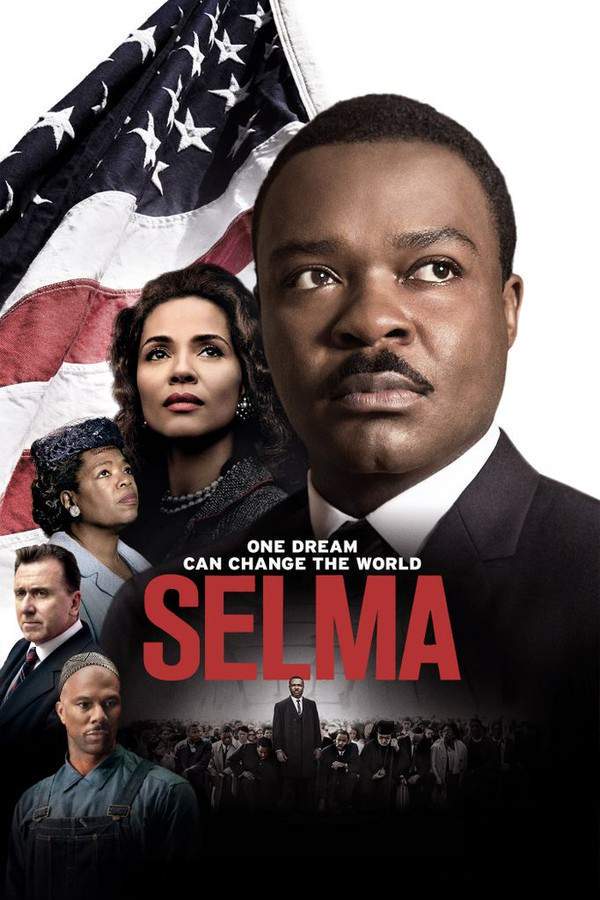
Amidst deep-seated racial inequalities, Alabama's restrictive voting laws presented a significant obstacle for African Americans striving for equal rights. The film chronicles Dr. Martin Luther King Jr.'s determined fight against discrimination, focusing on the courageous march from Selma to Montgomery. This pivotal event ultimately led to President Lyndon Johnson’s signing of the landmark Voting Rights Act of 1965, a crucial step in the fight for civil rights.
Warning: spoilers below!
Haven’t seen Selma yet? This summary contains major spoilers. Bookmark the page, watch the movie, and come back for the full breakdown. If you're ready, scroll on and relive the story!
Read the complete plot breakdown of Selma (2014), including all key story events, major twists, and the ending explained in detail. Discover what really happened—and what it all means.
In 1964, Dr. Martin Luther King Jr. (David Oyelowo) is honored with the Nobel Peace Prize. The story opens with four African American girls at the 16th Street Baptist Church, who tragically lose their lives in an explosion, a pivotal event that underscores the violence of the era. Meanwhile, in Selma, Alabama, Annie Lee Cooper (portrayed by Carmen Ejogo) struggles in her attempt to register to vote, facing obstruction from the white registrar.
As King pursues federal legislation to ensure African American citizens can vote freely, he meets with President Lyndon B. Johnson (Tim Roth). Johnson expresses his focus on other pressing matters, dismissing King’s urgent plea. King passionately argues that the right to vote is crucial, highlighting the systemic oppression that African Americans have endured for years. He explains how the all-white juries deny justice to their communities, stating that “the right to vote should not be a privilege.”
Accompanied by Ralph Abernathy, Andrew Young, James Orange, and Diane Nash, King travels to Selma, the heart of Southern anti-African American sentiment. Here, King encounters the challenges of staying at a hotel that prohibits African Americans. Activists from the Southern Christian Leadership Conference (SCLC) are on the scene, as tensions escalate with FBI director J. Edgar Hoover warning Johnson that King’s influence could undermine stability. Amidst fears for their safety, Coretta Scott King shares her concerns with King while he seeks encouragement through the powerful voice of Mahalia Jackson.
In a pivotal showdown, King and the local residents march to the registration office, only to face brutal resistance from law enforcement. A confrontation ensues, resulting in violence and the arrest of King, Cooper, and others. Governor George Wallace vocally opposes the movement, while Malcolm X offers a more radical approach to garner white support—his ideology starkly different from King’s commitment to non-violence.
As the march from Selma to Montgomery nears, with activists like John Lewis and Hosea Williams in attendance, the group crosses the Edmund Pettus Bridge, only to face a violent onslaught from state troopers. The attack is televised, shocking the nation as Fred Gray, the movement’s attorney, seeks judicial approval for the march. Following the tragic death of activist James Reeb, President Johnson calls for swift action to secure voting rights, highlighting the extraordinary bravery of the demonstrators in his address to Congress.
Ultimately, the march culminates in Montgomery, where King delivers a compelling speech at the State Capitol, proclaiming that the quest for equality is nearing its goal. With every stride taken, the sacrifices and struggles of those involved in the civil rights movement are poignantly acknowledged, emphasizing the ongoing fight for justice and equality.
Last Updated: November 08, 2024 at 01:30
Discover curated groups of movies connected by mood, themes, and story style. Browse collections built around emotion, atmosphere, and narrative focus to easily find films that match what you feel like watching right now.
Gripping, tense films about pivotal moments in the fight for human rights.If the real-world struggle and high-stakes tension of Selma resonated with you, explore these movies. This collection features films about pivotal social justice movements, capturing the urgency, courage, and strategic efforts behind landmark historical change.
These stories typically follow a linear, event-driven structure centered on a specific historical campaign or protest. They focus on strategic planning, confrontational moments, and the emotional toll on leaders and participants, culminating in a significant, if bittersweet, societal victory.
Movies in this thread are grouped by their intense, gripping portrayal of real-life fights for equality. They share a heavy emotional weight, a steady pacing that builds tension through strategy and confrontation, and a core message of resilience leading to tangible progress.
Stories where leaders bear immense weight while making impossible strategic choices.For viewers captivated by the portrayal of Dr. King's leadership under pressure in Selma. These films explore similar themes of heavy responsibility, ethical dilemmas, and the personal cost of guiding a movement, often within high-stakes historical or political contexts.
The narrative pattern follows a central leader facing a monumental challenge. The conflict is both external (the opposition) and internal (doubt, guilt, personal sacrifice). The story unfolds through difficult strategic choices, moments of crisis that test resolve, and explores the personal toll extracted by the fight for a cause.
These films are united by their deep exploration of leadership under duress. They share a high-intensity, tense atmosphere, heavy emotional weight stemming from life-and-death decisions, and a steady pacing that emphasizes the strategic and moral complexity of the protagonist's journey.
Don't stop at just watching — explore Selma in full detail. From the complete plot summary and scene-by-scene timeline to character breakdowns, thematic analysis, and a deep dive into the ending — every page helps you truly understand what Selma is all about. Plus, discover what's next after the movie.
Track the full timeline of Selma with every major event arranged chronologically. Perfect for decoding non-linear storytelling, flashbacks, or parallel narratives with a clear scene-by-scene breakdown.
Discover the characters, locations, and core themes that shape Selma. Get insights into symbolic elements, setting significance, and deeper narrative meaning — ideal for thematic analysis and movie breakdowns.
Get a quick, spoiler-free overview of Selma that covers the main plot points and key details without revealing any major twists or spoilers. Perfect for those who want to know what to expect before diving in.
Visit What's After the Movie to explore more about Selma: box office results, cast and crew info, production details, post-credit scenes, and external links — all in one place for movie fans and researchers.
Discover movies like Selma that share similar genres, themes, and storytelling elements. Whether you’re drawn to the atmosphere, character arcs, or plot structure, these curated recommendations will help you explore more films you’ll love.
Selma (2014) Scene-by-Scene Movie Timeline
Selma (2014) Movie Characters, Themes & Settings
Selma (2014) Spoiler-Free Summary & Key Flow
Movies Like Selma – Similar Titles You’ll Enjoy
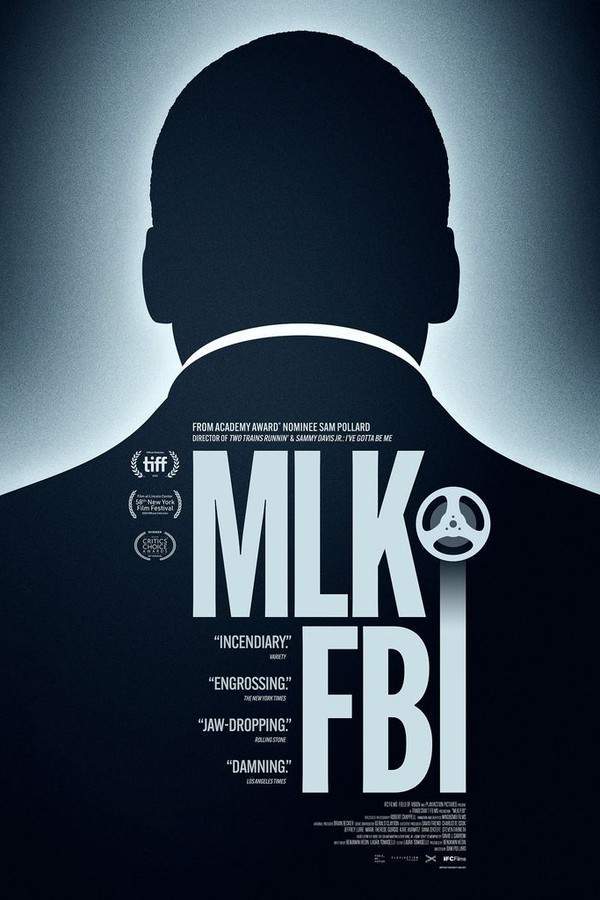
MLK/FBI (2021) Plot Summary & Ending Explained
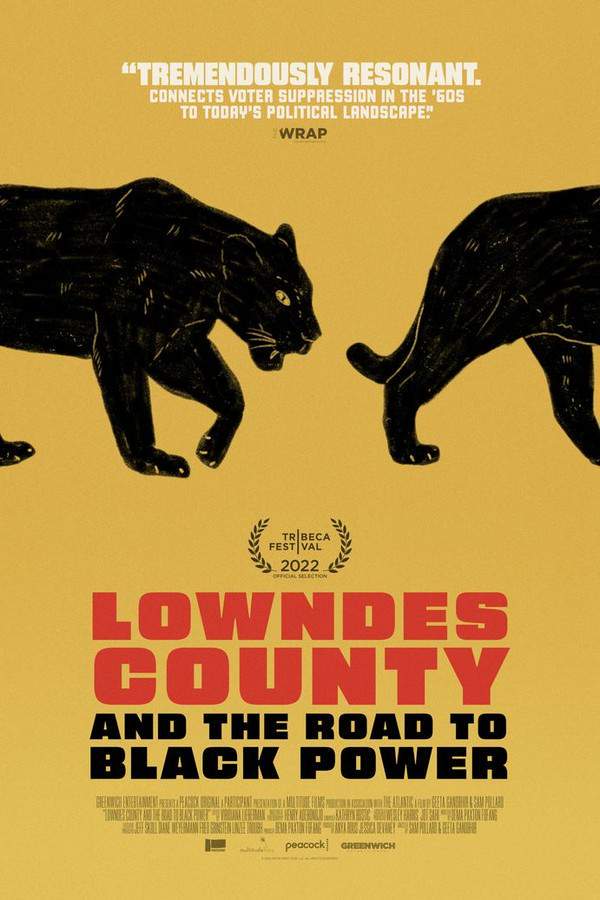
Lowndes County and the Road to Black Power (2022) Story Summary & Characters
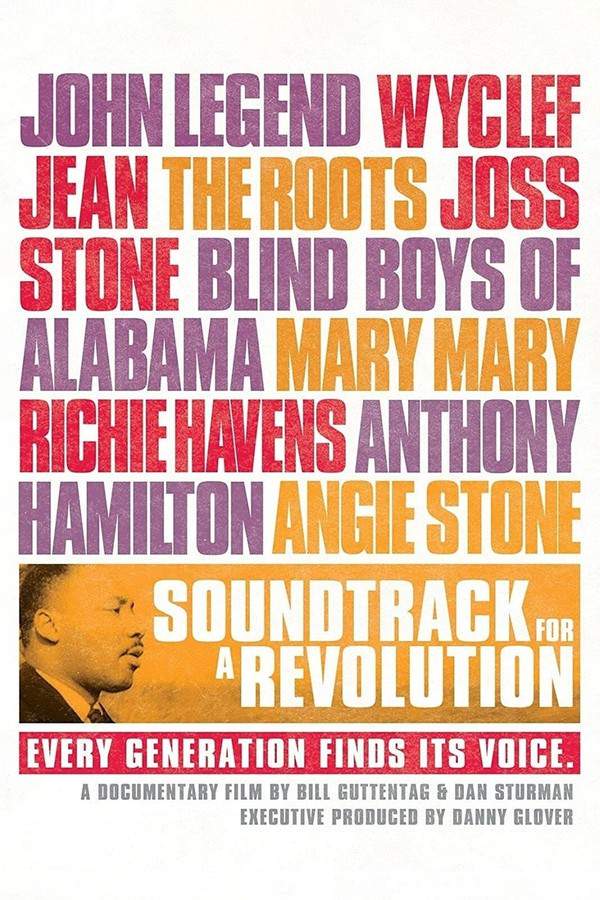
Soundtrack for a Revolution (2010) Film Overview & Timeline
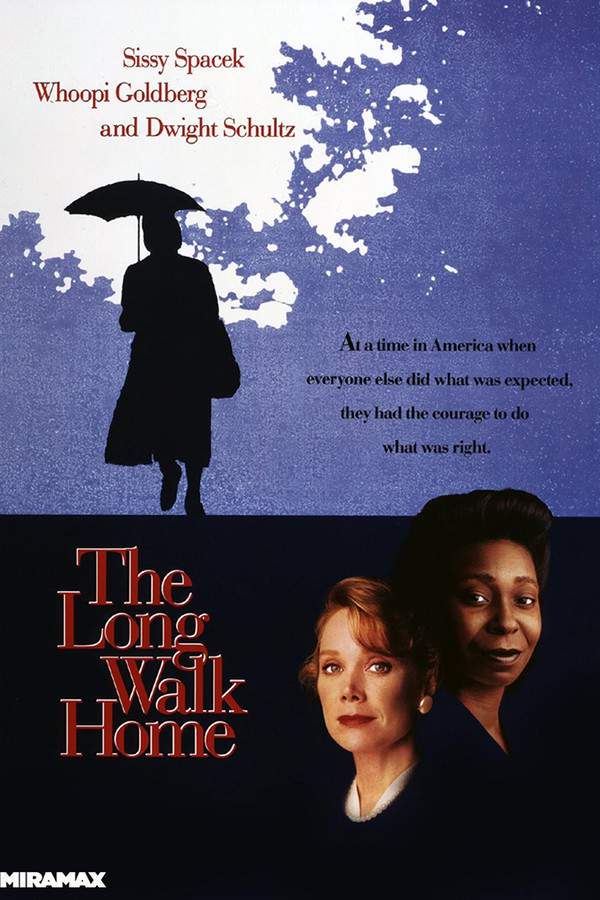
The Long Walk Home (1990) Movie Recap & Themes
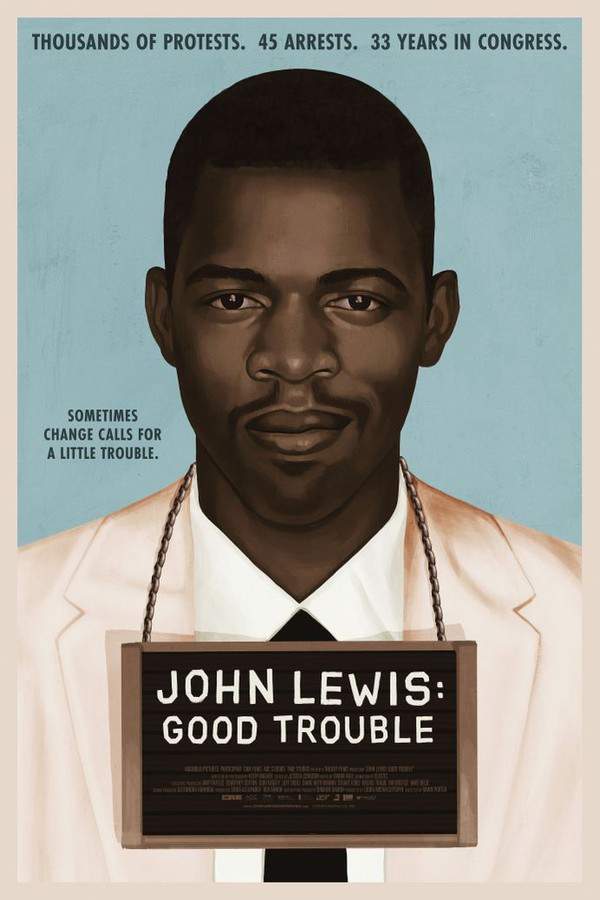
John Lewis: Good Trouble (2020) Full Movie Breakdown
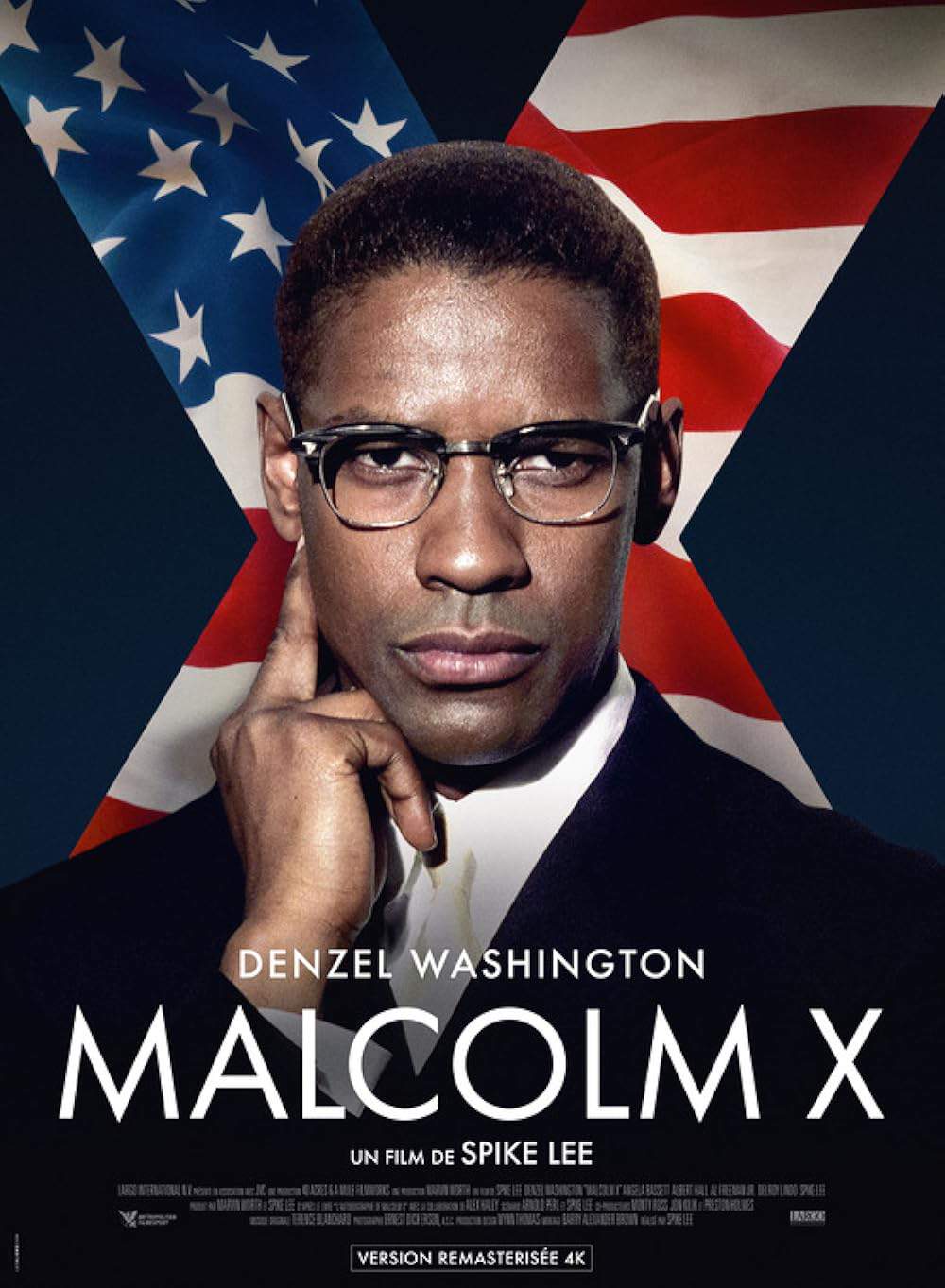
Malcolm X (1992) Full Summary & Key Details
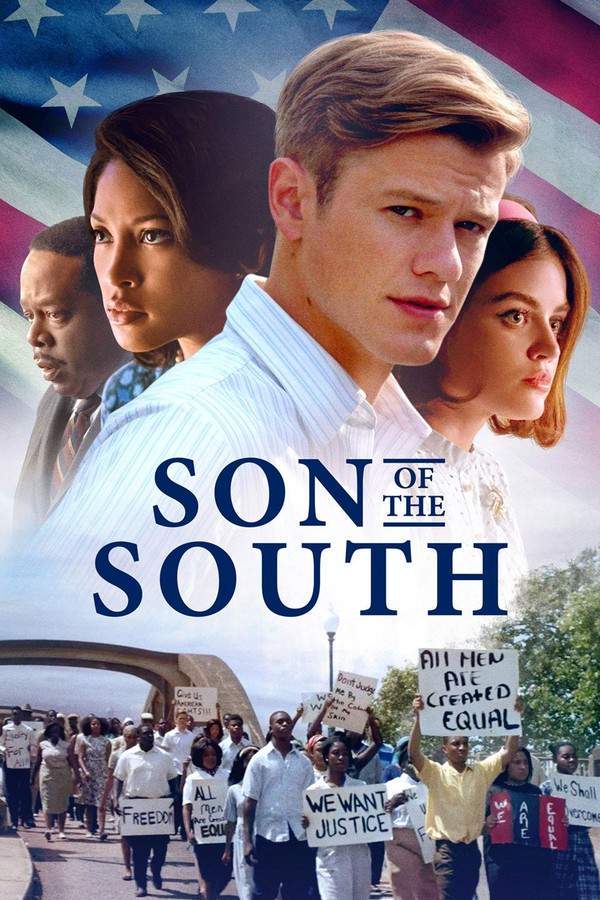
Son of the South (2021) Spoiler-Packed Plot Recap
Home of the Brave (2004) Detailed Story Recap
I Am MLK Jr. (2018) Movie Recap & Themes
Citizen King (2004) Full Summary & Key Details
Boycott (2001) Plot Summary & Ending Explained
King (1000) Plot Summary & Ending Explained
Crisis: Behind a Presidential Commitment (1963) Complete Plot Breakdown
Dr. Martin Luther King, Jr.: A Historical Perspective (1994) Ending Explained & Film Insights
Selma, Lord, Selma (1999) Story Summary & Characters