Plot Explained Spoilers guaranteed!
Plot Explained

Browse by genre

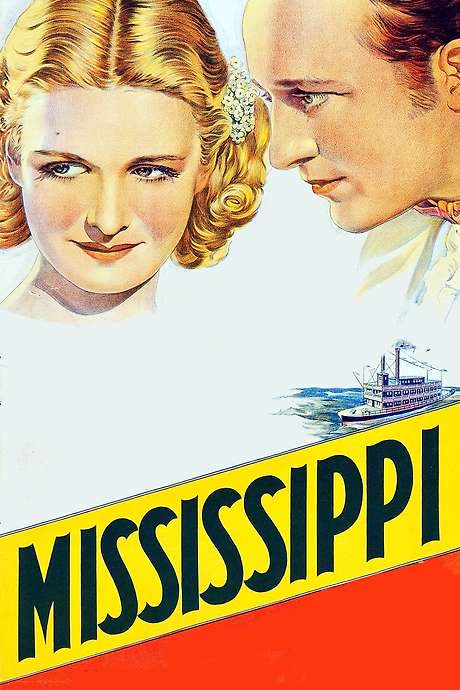
Mississippi (1935) movie poster

Timeline

Mississippi (1935) Timeline Explained – Every Event in Order

Release, runtime and language
1935 · 73 mins · English
Loading streaming availability…
Directed by
A. Edward Sutherland
Starring
Paul Hurst, Matthew Betz, Bing Crosby, Joan Bennett, Charles King, Ann Sheridan

A young pacifist, spurned for refusing to defend her lover's honor, is cast out and joins a riverboat troupe as a singer. After a saloon brawl leaves the villain dead by his own gun, she earns a reputation as a sharpshooter, falls for her former fiancé’s sister, and ultimately coerces a reluctant family into accepting her.

On this page (6)
  1. 1 Where to watch
  2. 2 Events in order (12)
  3. 3 Timeline questions answered
  4. 4 Movie threads
  5. 5 Movies like Mississippi
  6. 6 Every angle
Loading streaming availability…

12 events in order · contains spoilers

Mississippi Timeline: Events in Chronological Order

Every key event of Mississippi (1935) in order, scene by scene, with when and where it takes place. Use it to untangle flashbacks, time jumps and parallel storylines, to refresh your memory before the sequel or to find the exact scene you are thinking of.

  1. Setting and cast on the Mississippi showboat

    Set in the late nineteenth century, a Mississippi showboat serves as the floating stage for the story. Commodore Jackson is the captain who steers the troupe's performances. Tom Grayson is introduced in the shadow of a public disgrace. The showboat's atmosphere frames the conflicts and ambitions that drive the plot.

    When
    late 19th century
    Where
    Mississippi showboat
  2. Grayson is disgraced for refusing to duel

    Grayson is engaged to be married, but his reputation is wrecked after he refuses to duel with Major Patterson. The refusal labels him a coward in the eyes of society and triggers his social downfall. This disgrace becomes the catalyst for his decision to leave for the showboat.

    When
    late 19th century
    Where
    river town
  3. Grayson joins Commodore Jackson's showboat

    To escape the scandal and prove his worth, Grayson signs on with the showboat's troupe. He enters the world of stage performances and riverfront entertainment. The union begins his transformation.

    When
    shortly after the duel incident
    Where
    Mississippi showboat
  4. Jackson markets Grayson as a sensational persona

    Jackson brands Grayson as The Notorious Colonel Steele to draw crowds. The moniker casts him as a dangerous figure while he remains physically mild. This marketing tactic begins to reshape Grayson's public image and self-perception.

    When
    early on board
    Where
    showboat stage and promotional areas
  5. Dueling myths rise with corpses as props

    Jackson proclaims that Grayson earned dueling victories against unnamed foes. The twist is that these victories are publicly credited to corpses dragged from the river beside the showboat as yet another victim of Colonel Steele, the Singing Killer. The deception blurs lines between performance and reality.

    When
    early on board
    Where
    riverbank beside the showboat
  6. Grayson's inner change begins

    As the false persona grows, Grayson's meekness gives way to a more unsettled confidence. The constant public misrepresentation gnaws at his sense of self. The transformation marks the start of a deeper personal journey.

    When
    during the run
    Where
    onboard the showboat
  7. Crosby performs 'Soon' on the showboat stage

    Bing Crosby delivers Rodgers and Hart songs, with Soon serving as the centerpiece. The music elevates the show and anchors the emotional arc of the character. The stage performances become a core pillar of the narrative.

    When
    throughout the show
    Where
    showboat stage
  8. Fields regales the crowd with outrageous stories

    W. C. Fields fills the evening with outlandish tales that capture the audience's imagination. One notable anecdote recounts exploits among a notorious Indian tribe. The storytelling adds humor and color to the show's dynamic.

    When
    during performances
    Where
    showboat stage
  9. Fields teaches Crosby how to act tougher

    There is a memorable scene where Fields attempts to coach Crosby on acting tougher. The interaction highlights their onscreen chemistry and dynamic. It serves as a mini-lesson in performance under the pressures of showmanship.

    When
    during filming sequence as depicted
    Where
    backstage or on stage
  10. Crosby-Fields onstage chemistry strengthens the act

    The pairing of Crosby's vocal performances and Fields' storytelling creates a strong performing partnership. Their banter and timing are showcased as proof of their successful collaboration. The duo becomes a highlight of the show's appeal.

    When
    throughout the run
    Where
    showboat stage
  11. Public perception and the toll of deception

    The audience's growing fascination with Colonel Steele's legend mirrors Grayson's internal turmoil. The line between truth and showmanship becomes increasingly blurred. The deception exerts a mounting pressure on everyone involved.

    When
    ongoing
    Where
    various showboat venues
  12. Grayson confronts the consequences of the deception

    Grayson struggles with living under a manufactured killer persona while his actual courage is tested. The narrative emphasizes how reputations built on deceit shape a man's identity. The arc centers on the clash between perception and reality.

    When
    late in the run
    Where
    showboat decks and backstage

Last updated: February 20, 2026 at 12:33

Was this helpful?

Timeline questions answered

Mississippi Timeline Explained: Your Questions Answered

When does it happen, and why in that order? The questions people ask about the chronology of Mississippi (1935): time jumps, flashbacks, cause and effect between scenes and the correct order of events, each answered with spoilers.

Q1

Why did Tom Grayson refuse to duel with Major Patterson?

Tom Grayson refused to duel with Major Patterson because he was a pacifist who believed dueling was wrong. However, his refusal branded him as a coward in the eyes of society and destroyed his reputation. This public disgrace became the catalyst that forced him to leave town and seek a new life on the showboat.

  • tom grayson
  • major patterson
  • duel
  • coward
  • pacifist
  • disgrace
Q2

How did Commodore Jackson create the Colonel Steele legend?

Commodore Jackson marketed Grayson as "The Notorious Colonel Steele" and "the Singing Killer" to draw audiences to the showboat. He staged fake dueling victories by dragging corpses from the river beside the boat and presenting them as victims of Grayson's supposed combat prowess. This elaborate deception built a dangerous reputation around a man who was actually mild-mannered.

  • commodore jackson
  • colonel steele
  • singing killer
  • legend
  • showboat
  • deception
Q3

Why did Tom Grayson go along with the false reputation?

Grayson initially went along with the deception to escape his disgrace and find work. However, as the legend grew, he began to struggle with the gap between who people thought he was and who he actually was. The constant misrepresentation eventually forced him to confront questions about his own courage and identity.

  • tom grayson
  • reputation
  • identity
  • deception
  • courage
Q4

What happened to the corpses used in the fake dueling scheme?

Jackson would drag corpses from the river alongside the showboat and present them as recent victims of Colonel Steele's dueling victories. This macabre trick convinced audiences that Grayson was a dangerous killer, when in reality he had never fought anyone. The bodies were staged props in an elaborate publicity stunt.

  • corpses
  • river
  • dueling
  • colonel steele
  • publicity stunt
Q5

How did Tom Grayson's character transform throughout the film?

Grayson began as a meek, passive man branded a coward for refusing to duel. As he lived under the false killer persona, he underwent an inner transformation, gradually gaining confidence and learning to push back against the narrative that had defined him. The film shows his shift from a restrained figure to someone who must decide what he truly believes about courage.

  • tom grayson
  • transformation
  • character arc
  • courage
  • confidence
Q6

Why was the showboat setting important to the story?

The showboat served as both a literal setting and a metaphor for performance versus reality. It provided a floating stage where reputation could be manufactured and reinvented. The riverboat's journey from town to town mirrored Grayson's personal journey, while the performance space became a crucible where his character was tested through the pressure of living up to a false persona.

  • showboat
  • setting
  • performance
  • reputation
  • riverboat
  • metaphor
Q7

What role did Lucy play in the story?

Lucy was Tom Grayson's fiancée who watched the events unfold with concern and hope. She believed in the true man she loved and hoped the truth about his character would prevail over the tall tales swirling around him. Her steadfast support represented the genuine connection Grayson risked losing through the deception.

  • lucy
  • fiancee
  • bing crosby
  • love
  • support
  • truth
Q8

Why was the song "Soon" important to the film?

"Soon" served as the centerpiece musical number performed by Bing Crosby on the showboat stage. The Rodgers and Hart song provided a melodic thread that contrasted with the harsher themes of rumor and reputation. The musical moments helped illuminate Grayson's inner emotional shifts, showing how art could both soothe and embolden him under pressure.

  • soon
  • rodgers and hart
  • song
  • music
  • bing crosby
  • performance
Q9

How did W.C. Fields and Bing Crosby's characters work together?

Fields played Commodore Jackson, the showboat captain who drove the deception, while Crosby played Tom Grayson, the reluctant participant in the scheme. Their on-screen chemistry, juxtaposing Fields' sly bravado with Crosby's earnestness, became the film's highlight. Fields even coached Crosby on acting tougher in a memorable scene, showcasing the dynamic between the seasoned showman and the reluctant performer.

  • w.c. fields
  • bing crosby
  • commodore jackson
  • chemistry
  • performance
  • partnership
Q10

What did the film say about reputation and truth?

The film explored how reputations are built, contested, and sometimes reinvented through performance. Grayson's story showed how living under a manufactured identity forces a person to reconcile who they really are with who others believe them to be. The central theme questioned what it truly means to be brave, suggesting courage isn't about performing a tough persona but about honest self-acceptance.

  • reputation
  • truth
  • courage
  • identity
  • performance
  • theme

Movie threads

More Movies Like Mississippi, by Mood & Story

Curated lists built around what makes Mississippi tick: the same mood, the same kind of story or the same emotional payoff. Each list explains why these movies belong together.

Whimsical Musical Deceptions like Mississippi

Charades and musical numbers drive the lighthearted, mistaken-identity plots. Explore more movies like Mississippi that blend catchy tunes with comedic mistaken identities. If you enjoyed the lighthearted riverboat ruse, you'll love these similar musical comedies where charming deceptions lead to laughter and song.

  • comedic
  • musical
  • mischievous
  • charming
  • uproarious
  • quaint
  • Tone: whimsical, comedic
  • Pacing: steady, episodic
Why these movies?

The story pattern: Characters in these stories adopt false personas or engage in harmless deceptions, often to achieve a personal goal or escape their past. The plot unfolds through a series of comedic misunderstandings and musical set pieces, with the charade eventually leading to personal growth and a happy resolution.

Why they belong together: They share a core combination of whimsical tone, musical interludes, and a plot centered on a lighthearted ruse. The pacing is steady, the emotional weight is light, and the focus remains on entertainment and charm rather than high drama.

Charming Rogue Journeys like Mississippi

Endearing scoundrels find redemption and family on a whimsical journey. Find more films with a vibe like Mississippi, featuring charismatic outcasts on a journey of redemption. Discover similar movies about charming rogues finding their place in a quirky found family, all with a steady, lighthearted pace.

  • quaint
  • charming
  • entertaining
  • journey
  • found family
  • rogue
  • Tone: whimsical, quaint
  • Pacing: steady, journey-based
Why these movies?

The story pattern: A character, often disgraced or on the run, joins a troupe of traveling performers or a motley crew. Through a series of episodic adventures and comedic scrapes, they use their wits (and sometimes a harmless deception) to win over their companions and find acceptance, leading to a heartwarming conclusion.

Why they belong together: They are united by the central archetype of the charming rogue, a nostalgic traveling setting, and a focus on found family dynamics. The tone remains consistently light and entertaining, with any drama serving the character's redemptive arc rather than creating genuine tension.

If you liked this

Movies Like Mississippi

Similar movies to Mississippi: the same genre, themes or kind of story. Each one comes with its own plot summary, timeline and ending explained.

Browse all movie summaries

Every angle

Mississippi (1935) Explained: Plot, Timeline & Characters

Everything about Mississippi in one place: what happens in the plot summary, the timeline in chronological order, the characters and meaning and a spoiler-free summary. What's After the Movie adds the cast, box office and post-credit scenes.

Coming soon on iOS and Android

The Plot Explained Movie Summary App

Plot summaries, endings explained and timelines on your phone. Catch up on any movie in minutes, save your favorites and never miss a twist again.

Be the first to know when we launch. Your email stays private, always.

Learn more about the app