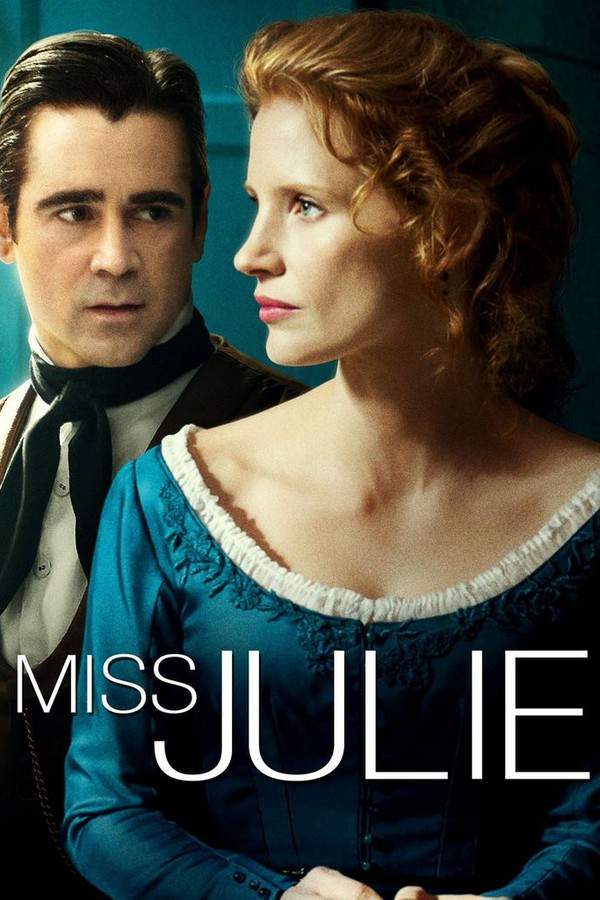
The movie opens with a young Miss Julie aimlessly wandering through the quiet, sunlit halls of her family’s manor. She calls out for her absent mother and wanders by a babbling brook, where a doll is oddly lodged in a tree. The moment carries a sly, almost gleeful tone as she snickers at the abandoned toy before turning away and leaving the brook behind.
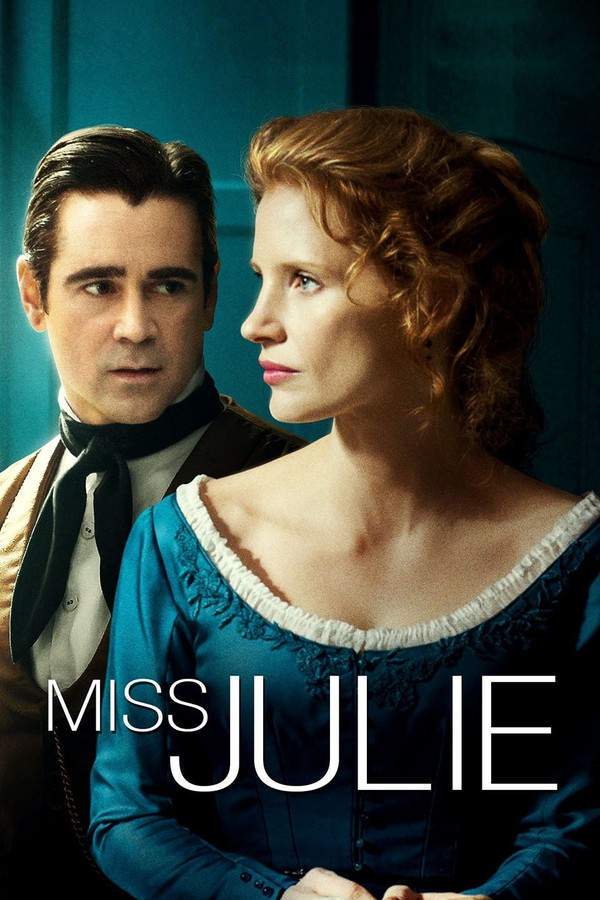
Jumping to a Midsummer Night in 1890, the same manor feels deserted except for three figures: Kathleen the cook, John the valet, and Miss Julie, the Baron's daughter. The two servants trade whispers about the lady of the house, especially about a moment when she allegedly forced John to dance with her. John basks in Kathleen’s jealous reaction, savoring the small power he holds over her emotions.
Miss Julie enters, and Kathleen steps away to tend to her ailing dog, leaving the aristocrat in a mischievous mood. The night grows increasingly tense as the trio’s dynamics shift from formal service to intimate, charged exchanges. The conversation between the servant and the mistress blossoms into bold, provocative confessions and innuendos, revealing raw appetites and a precarious balancing act of power.
John confesses that he has harbored feelings for Miss Julie since they were children, yet he immediately undercuts the sentiment by reminding her of the vast gulf between their classes. Miss Julie swings between command and vulnerability, treating John like a subordinate one moment and a confidant the next. Their back-and-forth escalates until lust overtakes caution, and they find themselves together in John’s bedroom. Kathleen, listening from outside the door, retreats to her own room in tears after hearing their coupling.
Later, John reveals a brutal twist: he has never truly loved Miss Julie. He recounts the childhood fantasies she inspired in him along with the many ways those feelings were rooted in the same impulse as other peasant boys. The mood turns darker as he unleashes a sustained barrage of verbal abuse, calling her a whore and taunting her with the possibility that she could become pregnant. Miss Julie descends into a fragile, escalating psychosis, while John pushes her to act on a plan: break into her father’s desk, steal his money, and help them run away to start a hotel in Switzerland.
John then moves on to Kathleen, making unwanted advances toward her as well; she rebuffs him with anger. Kathleen tries to restore some order by dressing John in his Sunday clothes and proposing that they both go to church the next day, hoping a sermon might offer forgiveness. John feigns agreement, but Kathleen’s disgust is clear—she sees how little respect he has for his employers and how Miss Julie’s actions have dragged everyone into a perilous moral gray area. She declares that they will leave the house and seek another place to work.
Returning with the money and a cage containing Miss Julie’s beloved pet bird, the young woman watches in horror as John brutally beheads the bird with a meat cleaver. A fresh wave of despair washes over Miss Julie as she succumbs to another, deeper breakdown, crying that there is blood between them now.
Kathleen arrives in her Sunday attire just as Miss Julie speaks of eloping with John and of the hotel in Switzerland. Kathleen speaks softly about the strength she gains from her Christian faith, a contrast Miss Julie mourns lacking. Yet for all Kathleen’s warmth, Miss Julie’s sorrow remains palpable as she admits the ache of not sharing that faith.
Kathleen urges John to join her at church, hoping for at least some moral guidance, but John refuses, his decision sealing the rift between the characters even as Kathleen steps away in visible distress.
John then hands Miss Julie his straight razor and suggests she end her life. Miss Julie hesitates, fearing damnation for her, given her high social rank. John snaps back that she is no longer among the first; she is now among the last.
As John heads upstairs to deliver the Baron's boots and breakfast, Miss Julie walks toward the brook from the opening scene. The final image lingers on her body beside the water, the stolen money in a bag around her neck, and the straight razor in her hand, a silent, tragic close to a night that exposed the fragile line between desire and authority.