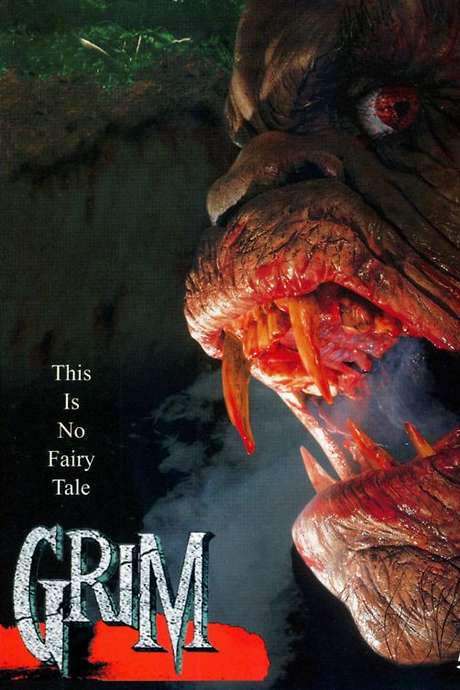
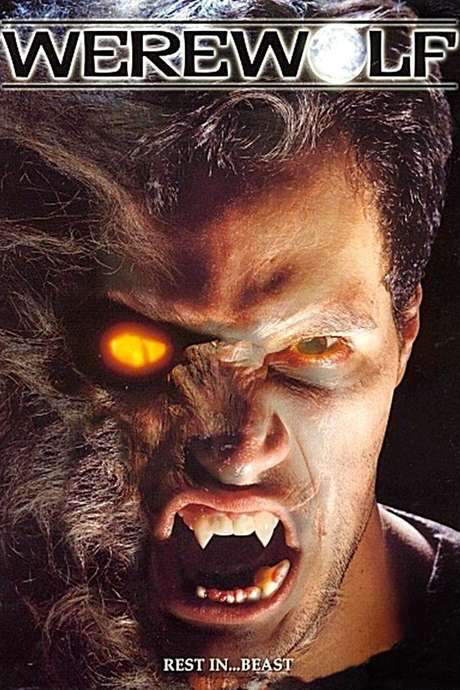
In Furlough, a small Texas border town and self-proclaimed "goat capital of the world," a legendary chupacabra begins to prey on the locals. It starts by draining goats in the dusty fields and corrals, and soon its appetite shifts toward people who bear signs of animal blood. As the body count climbs and the town’s police, led by Sheriff Sam Burry, grow wary of rumors and unclear evidence, fear and suspicion begin to ripple through every corner of the community. The authorities’ hesitant response amplifies a sense that something uncanny is at work, and the line between legend and threat grows dangerously thin.
The film unfolds through the voice of Anna Furlough, Erika Fay, a teenager who dreams of breaking free from this place. Her world revolves around Miguel Gonzalez, Gabriel Gutierrez, her boyfriend and a clever computer nerd who is also the son of Manny Gonzalez, Louie Cruz Beltran, the town’s veterinarian trying to keep the animal victims alive and the community connected. Anna’s best friend Rosie, Martine Hughes, is a straight-A student who hopes to secure a future at the University of Texas at Austin, while Jill Gillespie, Sara Erikson, embodies the carefree optimism of youth as she dates Tommy. The town’s dynamics are also shaped by Brad Furlough, Mark Halvorson, a funeral director who clings to old-town prestige, and by Cabot Speers, Wolfgang Metzger, an eccentric “alien hunter” hired by the teens to hunt the monster and claim the bounty.
As the chupacabra continues its rampage, it claims Tommy, Manny’s daughter Maria, and Rosie in a sequence of perilous chases and uneasy hunts. Anna’s father, Brad, harbors deep-seated resentment toward the town’s growing Mexican-American population and vies to turn the terror of the chupacabra into a weapon against Miguel and his family. He disguises himself in pelts, wielding a meat-fork whose tines resemble fangs, and stalks the couple with a chilling, calculated menace. When Anna realizes the danger, she urges Miguel to defend them, and the moment of crisis culminates in a brutal misunderstanding: Miguel shoots Brad, mistaking him for the actual chupacabra.
The confrontation exposes the dark undercurrents of a town built on pride, fear, and old grievances, where a beloved myth can be weaponized to mask human danger. The narrative threads—the teenagers’ daring, the town’s fear of outsiders, and a father’s dangerous obsession—intertwine to leave a lasting impression about how quickly a community can fracture when myth, hate, and violence collide. The events push each character to confront who they are when the legend feels all too real, and they reveal that the real threat may lie not in a creature but in the fear and prejudice that fuel it.