





Plot Explained Spoilers guaranteed!
Plot Explained

Browse by genre

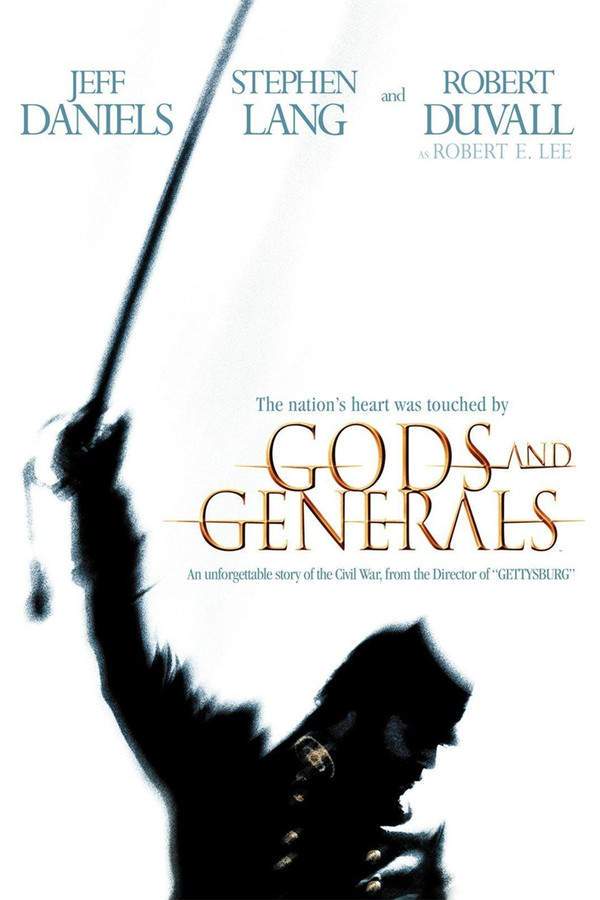
Gods and Generals (2003) movie poster

Plot Summary

Gods and Generals (2003) Plot Summary Explained

Release, runtime and language
2003 · 219 min · English
Directed by
Ronald F. Maxwell
Starring
Stephen Lang, Robert Duvall, Jeff Daniels
Budget
$56M

As the American Civil War begins, the nation faces a growing conflict. Gods and Generals portrays the war's initial campaigns, from the first battle of Manassas to Fredericksburg, examining the experiences of soldiers and civilians alike. The film explores the personal beliefs and sacrifices that drive those involved in the fighting, offering a deeper understanding of the events leading up to Gettysburg and the immense toll of war.

On this page (7)
  1. 1 Where to watch
  2. 2 What happens: full plot
  3. 3 Plot questions answered
  4. 4 The book behind the movie
  5. 5 Movie threads
  6. 6 Movies like Gods and Generals
  7. 7 Every angle

Where to watch

Where to Watch Gods and Generals (2003)

Where can you watch Gods and Generals? Stream, rent or buy it in the US, including on Amazon Video, Apple TV Store and Fandango At Home: current JustWatch availability with up-to-date prices.

Streaming availability powered by JustWatch

Full plot summary · contains spoilers

What Happens in Gods and Generals: Full Plot Summary

The whole story of Gods and Generals (2003) explained, from the opening scene to the final frame: every key event, every twist and what it all adds up to. Read it as a quick recap before the sequel, to check a scene you missed, or to finally understand what really happened.

Based on the acclaimed historical novel by Jeff Shaara, "Gods and Generals" delves into the pivotal moments of the American Civil War, leading up to the defining battle of Gettysburg. The narrative unfolds through the perspectives of notable leaders such as Thomas "Stonewall" Jackson](/actor/stephen-lang), Joshua Lawrence Chamberlain, Winfield Scott Hancock, and Robert E. Lee.

The film, directed by Ronald F. Maxwell, kicks off in April 1861, just after the attack on Fort Sumter, and traces the gripping events all the way to the battle of Chancellorsville in May 1863. This film serves as an epic prequel to the classic 1993 film "Gettysburg," and is the second installment in the Michael/Jeff Shaara Civil War trilogy, with the third part, "The Last Full Measure," regrettably halted indefinitely due to financing issues.

Clocking in at nearly four hours after significant editing from its original six-hour cut, this historical epic begins right before Virginia's secession and just after Lincoln called for 75,000 troops to suppress the uprising. The narrative focuses on Robert E. Lee, who is offered the command of Union forces but declines, while Thomas "Stonewall" Jackson, then an instructor at the Virginia Military Institute (VMI), passionately commits to Virginia’s defense, swiftly embracing a leadership role within the nascent Army of Northern Virginia.

The film primarily follows Jackson, as well as other pivotal figures on both sides, but notably emphasizes the Confederate viewpoint. Viewers witness Jackson’s journey through three notable Confederate victories: Manassas (1st Bull Run), Fredericksburg, and ultimately, Chancellorsville, the stage of his tragic demise.

Interestingly, the film notably deviates from the book by completely omitting the Battle of Antietam, a tactical Confederate victory that was filmed but removed from the final cut. Throughout this turbulent period, Jackson is portrayed as a deeply pious, stern, yet confident and capable commander. As the narrative progresses, it also explores the decisions and actions of military and political leaders on both sides, addressing how their choices significantly shaped the war's trajectory leading up to May 1863. The saga continues with "Gettysburg," which is based on Shaara’s "The Killer Angels."

Last updated: October 27, 2024 at 19:07

Was this helpful?

Plot questions answered

Gods and Generals Plot Explained: Your Questions Answered

The questions people ask most about Gods and Generals (2003): what happens in the confusing scenes, why the characters do what they do, the twists, hidden details and what the ending means. Each answer contains spoilers.

Q1

Why did Robert E. Lee decline command of the Union army?

Robert E. Lee was offered command of the Union forces by President Lincoln but declined. Although he was personally opposed to secession, Lee was a Virginian and could not take up arms against his home state. When Virginia seceded following the attack on Fort Sumter, Lee's loyalty to Virginia override his reservations about the Confederacy, leading him to join the Confederate side.

  • robert e lee
  • union command
  • civil war
  • confederacy
  • loyalty
Q2

Why is Thomas Jackson called Stonewall?

Thomas Jackson earned the nickname Stonewall at the First Battle of Manassas (First Bull Run) in July 1861. During the battle, when Union forces pushed back Confederate troops, Jackson positioned his brigade to hold the line. General Bernard Bee famously rallied his men by saying, "There is Jackson standing like a stone wall," referring to Jackson's unwavering defense that helped secure the Confederate victory.

  • stonewall jackson
  • nickname
  • manassas
  • first bull run
  • battle
Q3

How was Stonewall Jackson wounded at Chancellorsville?

Stonewall Jackson was accidentally shot by his own men during the Battle of Chancellorsville on May 2, 1863. While conducting a nighttime reconnaissance ride ahead of Confederate lines to assess Union positions, Jackson and his staff were mistaken for Union cavalry by the 18th North Carolina Infantry. He was struck by three bullets in his left arm and shoulder.

  • stonewall jackson
  • wounded
  • chancellorsville
  • accidental shooting
  • confederate
Q4

Why did Stonewall Jackson die of pneumonia after being shot?

After being shot at Chancellorsville, Jackson's left arm was amputated to prevent infection. However, the wound developed pneumonia, likely caused by the trauma of the surgery and his weakened condition. He succumbed to pneumonia on May 10, 1863, eight days after being wounded. His death was a devastating blow to the Confederate Army.

  • stonewall jackson
  • death
  • pneumonia
  • amputation
  • chancellorsville
Q5

Why is the Battle of Antietam not included in the film?

The Battle of Antietam, which took place in September 1862, was actually filmed for Gods and Generals but was removed from the final cut. Director Ronald F. Maxwell chose to omit this battle to maintain focus on the film's main narrative thread and because Antietam is covered in the sequel film Gettysburg. The omission streamlines the story to cover the period from 1861 to Chancellorsville in 1863.

  • antietam
  • battle
  • deleted scenes
  • ronald maxwell
  • gettysburg
Q6

Why does Gods and Generals focus mainly on the Confederate side?

The film primarily follows Thomas Stonewall Jackson and emphasizes the Confederate perspective because it adapts Jeff Shaara's novel, which centers on Confederate leadership. As a prequel to Gettysburg (1993), the film sets up the Confederate characters and their strategies that will be central to that story. However, the film does include Union figures like Joshua Chamberlain and Winfield Scott Hancock to provide balance.

  • confederate perspective
  • jeff shaara
  • stonewall jackson
  • union
  • gettysburg
Q7

Why did Virginia secede from the Union in 1861?

Virginia seceded from the Union in April 1861, shortly after the attack on Fort Sumter. The state's decision was driven by strong economic ties to the South, cultural alignment with other Confederate states, and most importantly, the belief that states' rights justified secession. Virginia's withdrawal from the Union prompted many Virginia military leaders, including Robert E. Lee, to choose the Confederacy over the Union.

  • virginia
  • secession
  • states rights
  • civil war
  • southern
Q8

What was the relationship between Robert E. Lee and Stonewall Jackson?

Robert E. Lee and Stonewall Jackson developed a close military partnership during the Civil War. Lee regarded Jackson as his most reliable lieutenant, praising his tactical brilliance and unwavering determination. Jackson was fiercely loyal to Lee and became known as "Lee's right arm" for his effectiveness in executing the general's strategies at battles like Chancellorsville and Fredericksburg.

  • robert e lee
  • stonewall jackson
  • partnership
  • military
  • confederate army
Q9

Why was the Battle of Chancellorsville a turning point in the war?

Chancellorsville in May 1863 was a major Confederate tactical victory despite being significantly outnumbered. Jackson's flanking maneuver caught the Union army by surprise, forcing their retreat. However, the victory came at a tremendous cost, Jackson's mortal wound created an irreplaceable leadership gap. Lee reportedly said of Jackson's death, "He has lost his left arm," but the loss proved far more damaging than that.

  • chancellorsville
  • turning point
  • victory
  • strategy
  • confederate
Q10

Why did the Confederates win the Battle of Fredericksburg?

The Confederates won at Fredericksburg in December 1862 due to superior defensive positioning. Lee's army held the high ground along Marye's Heights, while Union forces launched repeated frontal assaults across open terrain toward fortified Confederate positions. The geography gave the defenders a massive advantage, resulting in a costly Union defeat with over 12,000 casualties compared to approximately 5,000 Confederate casualties.

  • fredericksburg
  • battle
  • confederate victory
  • defensive position
  • union assault
Q11

What happened to the Confederate army after Jackson's death?

After Jackson's death in May 1863, the Confederate Army of Northern Virginia lost its most aggressive and unpredictable commander. Lee assumed direct tactical control, but no general could fully replace Jackson's battlefield instincts. The void became painfully evident at Gettysburg the following month, where Lee's normally coordinated attacks faltered without Jackson's effective execution of flanking maneuvers.

Foreshadowing: The film foreshadows this loss as leaders reflect on the weight of their decisions.

  • confederate army
  • jackson death
  • gettysburg
  • lee
  • leadership void
Q12

Why is Joshua Chamberlain featured in the film before Gettysburg?

Joshua Lawrence Chamberlain appears in Gods and Generals as a Union colonel and professor from Maine who would later become famous for his defense of Little Round Top at Gettysburg. The film establishes his character and values before the pivotal battle, showing his dedication to the Union cause and his academic background. This introduction prepares viewers for his heroic role in the sequel film Gettysburg.

  • joshua chamberlain
  • union
  • gettysburg
  • maine
  • little round top
Q13

Why did Lincoln call for 75,000 troops after Fort Sumter?

After the Confederate attack on Fort Sumter in April 1861, President Lincoln called for 75,000 volunteer militia soldiers to suppress the rebellion. This marked the formal beginning of the Civil War and prompted Virginia and other Southern states to secede, believing the Union intended to force them back into the nation. The call for troops also prompted Robert E. Lee to make his fateful decision to decline Union command.

  • lincoln
  • fort sumter
  • 75000 troops
  • civil war
  • militia
Q14

How long is the theatrical version of Gods and Generals?

The theatrical cut of Gods and Generals runs nearly four hours after significant editing from an original six-hour version. The extended director's cut was later released on DVD, restoring much of the deleted material. Despite its lengthy runtime, the film covers roughly two years of the Civil War, from April 1861 through May 1863.

  • runtime
  • extended cut
  • directors cut
  • dvd
  • four hours

Movie threads

More Movies Like Gods and Generals, by Mood & Story

Curated lists built around what makes Gods and Generals tick: the same mood, the same kind of story or the same emotional payoff. Each list explains why these movies belong together.

Sobering War Epics like Gods and Generals

Large-scale historical films that explore the heavy costs and beliefs of war. For viewers seeking movies like Gods and Generals, this list features serious, large-scale war dramas. These films share a focus on historical accuracy, a somber tone, and a deep examination of leadership and sacrifice during times of national conflict, offering a similarly contemplative and emotionally heavy experience.

  • epic
  • somber
  • historical
  • tragic
  • contemplative
  • grim
  • Tone: dark, somber, serious
  • Pacing: slow, deliberate, epic
Why these movies?

The story pattern: Stories in this thread often follow key military or political figures through a pivotal conflict, charting their strategic decisions and personal convictions against a backdrop of large-scale battles. The narrative tends to be chronological and deliberate, emphasizing the grim reality of warfare and the tragic inevitability of loss.

Why they belong together: Movies in this thread are grouped by their shared commitment to portraying war with gravitas and historical depth. They possess a somber mood, deliberate pacing, and a focus on the ethical and personal dilemmas faced by those involved, creating a consistently serious and impactful viewing experience.

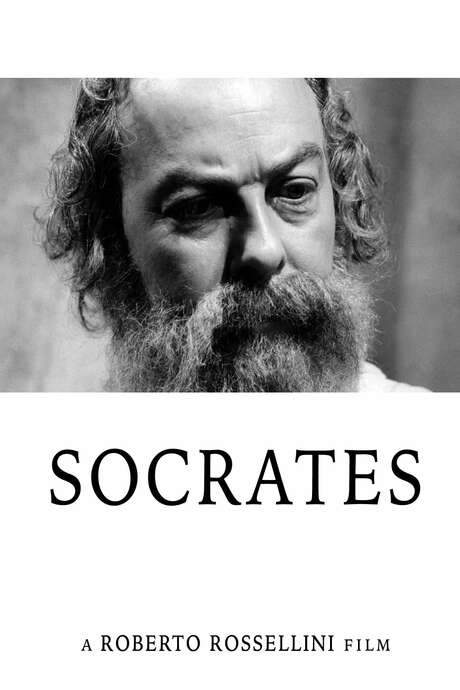
Tragic Historical Biographies like Gods and Generals

Intimate portraits of historical figures destined for a tragic end. If you liked the focus on Stonewall Jackson in Gods and Generals, explore these tragic historical biographies. These movies depict the lives of principled figures from history, delving into their faith and convictions before building towards an inevitable and sorrowful conclusion, capturing a similar blend of devotion and tragedy.

  • tragic
  • devotional
  • biographical
  • somber
  • serious
  • historical
  • Tone: dark, tragic, devotional
  • Pacing: slow, character-focused
Why these movies?

The story pattern: The narrative pattern follows a biographical arc, establishing the subject's core beliefs and successes before charting their path toward an不可避免的悲剧结局. The story is often contemplative, allowing the audience to understand the character's motivations deeply, which makes their eventual fate feel both inevitable and deeply poignant.

Why they belong together: These films are united by their focus on a single historical figure's journey toward a tragic end. They share a devotional, serious mood, a pacing that allows for deep character study, and a climax that carries significant emotional weight due to the audience's connection to the protagonist.

If you liked this

Movies Like Gods and Generals

Similar movies to Gods and Generals: the same genre, themes or kind of story. Each one comes with its own plot summary, timeline and ending explained.

Browse all movie summaries

Every angle

Gods and Generals (2003) Explained: Plot, Timeline & Characters

Everything about Gods and Generals in one place: what happens in the plot summary, the timeline in chronological order, the characters and meaning and a spoiler-free summary. What's After the Movie adds the cast, box office and post-credit scenes.

Coming soon on iOS and Android

The Plot Explained Movie Summary App

Plot summaries, endings explained and timelines on your phone. Catch up on any movie in minutes, save your favorites and never miss a twist again.

Be the first to know when we launch. Your email stays private, always.

Learn more about the app