Plot Explained Spoilers guaranteed!
Plot Explained

Browse by genre

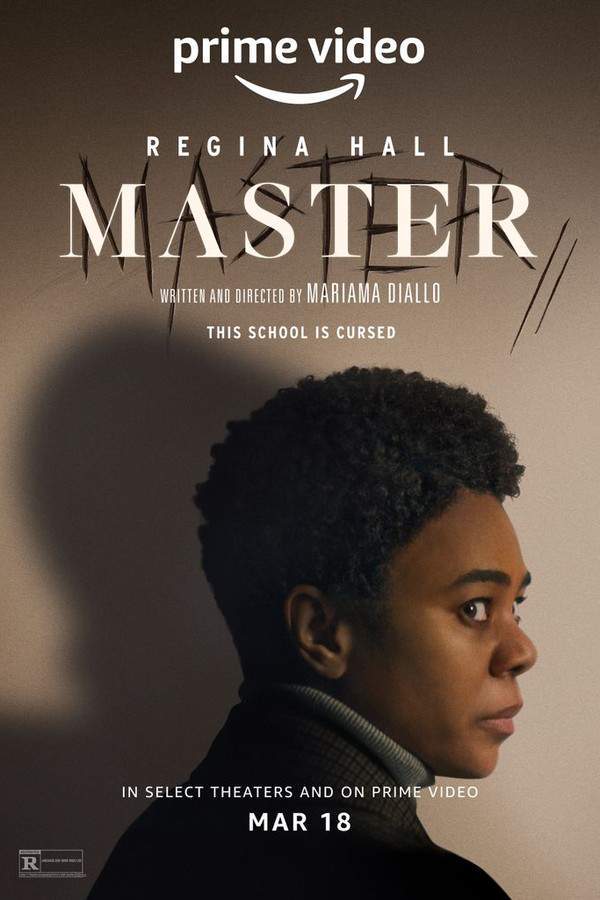
Master (2022) movie poster

Plot Summary

Master (2022) Plot Summary & Ending Explained

Release, runtime and language
2022 · 91 min · English
Echo score 62
Loading streaming availability…
Directed by
Mariama Diallo
Starring
Regina Hall, Talia Balsam, Talia Ryder, Molly Bernard, Ella Hunt, Jennifer Dundas

When Gail Bishop becomes the first Black woman to lead Ancaster College’s historic residence hall, she's immediately entangled in a web of secrets and unsettling events. As she navigates the challenges of her new position, she forms a connection with Jasmine Moore, a bright-eyed freshman whose personal journey reflects the college’s deeply buried truths. Gail’s investigation into the institution’s hidden history leads her to confront a troubling question: are the unsettling occurrences caused by supernatural forces or something far more contemporary?

On this page (7)
  1. 1 Where to watch
  2. 2 What happens: full plot
  3. 3 Plot questions answered
  4. 4 How it ends
  5. 5 Movie threads
  6. 6 Movies like Master
  7. 7 Every angle
Loading streaming availability…

Full plot summary · contains spoilers

What Happens in Master: Full Plot Summary

The whole story of Master (2022) explained, from the opening scene to the final frame: every key event, every twist and what it all adds up to. Read it as a quick recap before the sequel, to check a scene you missed, or to finally understand what really happened.

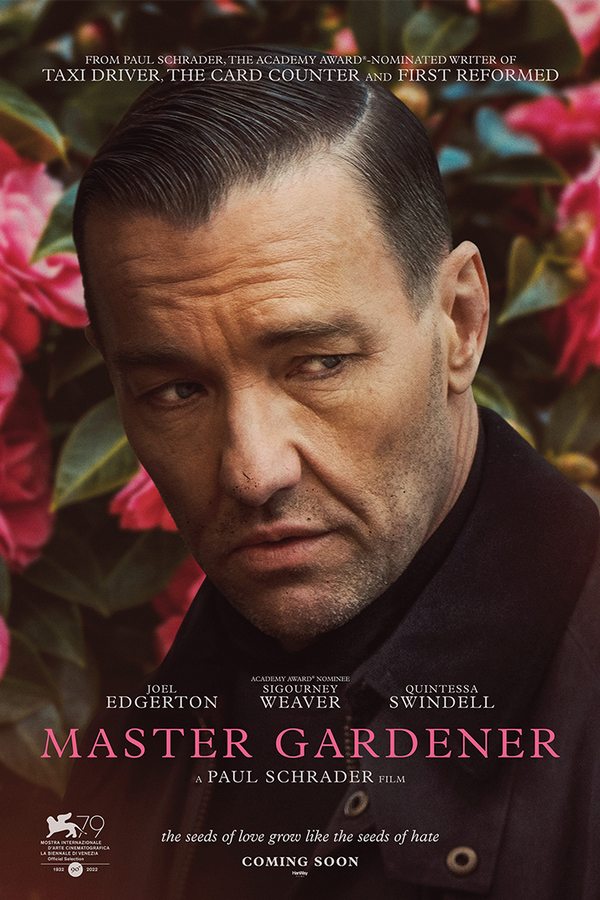
Narvel Roth, a meticulous horticulturist at the stunning Gracewood Gardens, has always sought solace from his troubled past through the delicate art of gardening and ritualistic journaling, believing it represents "a belief in the future." The estate, owned by the affluent dowager Mrs. Haverhill, is the focal point of his life. However, she decides to change his routine when she orders him to mentor her recently orphaned grandniece, Maya, to ensure the gardens remain "in the family."

Initially resistant to the idea of being trained by Roth, Maya's relationship with Mrs. Haverhill is strained, but as they navigate their new dynamic, a sense of closeness develops between her and Roth. The situation becomes perilous when Maya is assaulted by her drug dealer, R.G., prompting Roth to intervene by sending his case agent to intimidate him. In a moment of vulnerability, Maya attempts to seduce Roth, but he instinctively recoils when she tries to remove his shirt, afraid of exposing his hidden tattoos. Displeased by witnessing this encounter, Mrs. Haverhill fires them both in a fit of jealousy.

In defiance, Roth and Maya choose to leave together, making a stop at her apartment, where she indulges in one last high while Roth confronts R.G. and his ally Sissy. After spending days on the run, Roth slowly starts to unveil his guarded side to Maya, ultimately revealing his tattoos in their motel room—an unexpected shock for Maya. Unbeknownst to Maya, Roth carries a burdensome secret as a former White supremacist under witness protection due to his betrayal of his associates after refusing to harm a black preacher's family. When Maya inquires about the tattoos' removal, Roth assures her he will change, and that night, they share an intimate moment for the first time.

However, their newfound tranquility is shattered when Roth learns of vandalism at the gardens. They rush back to assess the damage, and Maya suspects R.G. and Sissy are behind it. Roth visits Mrs. Haverhill, cleverly disarming her of a WWII trophy Luger, which she intended to use for protection. That evening, driven by a need for justice, Roth and Maya confront R.G. and Sissy during a raucous party, reigniting the chaos with gunfire. While Roth hands Maya a gun, she chooses not to kill, leading Roth to enact violence by breaking their legs instead.

Returning to Gracewood Gardens, Roth confronts Mrs. Haverhill with a threefold proposal: returning her father's Luger, rejuvenating the gardens, and declaring that he and Maya will now live together "as husband and wife"—an assertion she finds obscene. A standoff ensues, but when the unloaded Luger poses no threat, she reluctantly allows them to leave. In a moment of joy and freedom, Roth and Maya share a dance on the porch of his cabin nestled within the gardens, looking forward to their new life ahead.
Last updated: November 03, 2024 at 22:21

Was this helpful?

Plot questions answered

Master Plot Explained: Your Questions Answered

The questions people ask most about Master (2022): what happens in the confusing scenes, why the characters do what they do, the twists, hidden details and what the ending means. Each answer contains spoilers.

Q1

Why does Roth recoil when Maya tries to remove his shirt?

Roth recoils because he's hiding white supremacist tattoos covering his torso from his past life. As a former White supremacist under witness protection, he's ashamed of these marks and fears exposing them to Maya, especially as their relationship deepens.

Foreshadowing: Earlier scenes show Roth being unusually protective of his upper body and avoiding situations where his tattoos might be exposed.

  • roth tattoos
  • white supremacist
  • hidden past
  • maya relationship
Q2

Why does Mrs. Haverhill fire both Roth and Maya?

Mrs. Haverhill witnesses Maya's failed seduction attempt on Roth and becomes consumed by jealousy. This emotional reaction leads her to fire both of them from Gracewood Gardens in a fit of rage, despite having just assigned Maya to Roth's mentorship.

Foreshadowing: Mrs. Haverhill's possessive behavior toward Roth and her strained relationship with Maya hint at her underlying jealousy.

  • mrs haverhill
  • firing
  • jealousy
  • gracewood gardens
Q3

Why does Roth break R.G. and Sissy's legs instead of killing them?

When Roth hands Maya a gun to kill R.G. and Sissy as revenge for assaulting her and vandalizing the gardens, Maya makes the moral choice not to kill. Roth then takes matters into his own hands, breaking both their legs as a form of brutal justice while choosing not to kill, demonstrating his capacity for violence but also restraint.

Foreshadowing: The confrontation at the party builds tension, and Maya's earlier assault creates motive for violent retribution.

  • r.g.
  • sissy
  • legs broken
  • confrontation
  • party
Q4

Why is Roth under witness protection?

Roth is a former White supremacist who entered witness protection after refusing to harm a Black preacher's family, betraying his associates. This act of conscience placed him in the program and gave him a new identity as a horticulturist at Gracewood Gardens.

Foreshadowing: Roth's meticulous journaling and ritualistic behavior suggest someone hiding from their past while trying to rebuild.

  • witness protection
  • white supremacist
  • former
  • preacher family
Q5

What is the significance of the Luger pistol?

The Luger is a WWII trophy belonging to Mrs. Haverhill's father. She keeps it for protection but is disarmed by Roth during his confrontation with her. When she points it at Roth during their final standoff, it's revealed to be unloaded, rendering her threat empty.

Foreshadowing: Mrs. Haverhill's mention of needing protection hints at her possession of the weapon earlier in the story.

  • luger
  • ww
  • mrs haverhill
  • gunii
  • trophy
Q6

Why do Roth and Maya confront R.G. and Sissy at the party?

After learning that R.G. and Sissy vandalized Gracewood Gardens, Roth and Maya go to confront them during a raucous party. Maya suspects them of the vandalism as revenge for Roth's earlier intervention against R.G. The confrontation escalates into gunfire as they seek justice for the damage and past wrongs.

Foreshadowing: The vandalism at Gracewood Gardens provides the immediate motivation for returning to confront the antagonists.

  • party
  • confrontation
  • vandalism
  • gunfire
Q7

Why does Roth demand to live with Maya as husband and wife?

In his threefold proposal to Mrs. Haverhill, Roth demands to live with Maya as husband and wife as a way to claim their relationship and future together. This bold declaration shocks Mrs. Haverhill, who finds the idea obscene, but represents Roth's assertion of autonomy and commitment to Maya after leaving Gracewood Gardens.

Foreshadowing: The development of their relationship throughout the film builds toward this public declaration.

  • proposal
  • husband wife
  • mrs haverhill
  • relationship
Q8

Why does Maya choose not to kill R.G. when given the gun?

Despite having every reason to want R.G. dead, after he assaulted her and vandalized their lives, Maya makes the moral choice not to kill him when Roth hands her a gun. This decision contrasts sharply with Roth's willingness to use violence, highlighting her capacity for mercy even after everything she's endured.

Foreshadowing: Maya's character development shows her resilience and moral compass throughout the film.

  • maya
  • moral choice
  • gun
  • killing
  • mercy
Q9

Why does Roth send his case agent to intimidate R.G.?

After Maya is assaulted by her drug dealer R.G., Roth intervenes by sending his case agent, the handler from his witness protection program, to intimidate R.G. This demonstrates Roth's willingness to use his hidden connections and authority to protect Maya, though it puts his own secret identity at risk.

Foreshadowing: Roth's protective instincts toward Maya emerge early in their relationship.

  • case agent
  • intimidate
  • r.g.
  • protection
  • witness protection
Q10

Why does Roth eventually reveal his tattoos to Maya?

After spending days on the run together in a motel, Roth gradually opens up to Maya and reveals his hidden tattoos. This moment signifies a turning point in their relationship, trusting her with his darkest secret. When Maya asks about removing them, Roth assures her he will change, showing his commitment to transformation.

Foreshadowing: Roth's fear of exposure earlier in the film makes this revelation a significant moment of vulnerability.

  • tattoos reveal
  • motel
  • trust
  • transformation
Q11

How does Roth disarm Mrs. Haverhill?

Roth cleverly disarms Mrs. Haverhill of her father's WWII Luger pistol during a confrontation, taking it for protection. He knows she's afraid and intends to use it, so he physically removes the weapon from her possession, later using it during the standoff at Gracewood Gardens.

Foreshadowing: Mrs. Haverhill mentions needing protection earlier, foreshadowing her possession of the weapon.

  • disarm
  • gun
  • mrs haverhill
  • confrontation
Q12

What triggers Roth and Maya to return to Gracewood Gardens?

Roth and Maya rush back to Gracewood Gardens after learning about vandalism at the estate. Maya suspects R.G. and Sissy are responsible for the damage, which motivates their return to confront the situation and protect what remains of their old life before starting anew.

Foreshadowing: The timeline builds tension by showing their days on the run before this news forces action.

  • return
  • gracewood
  • vandalism
  • confrontation

Ending explained

What Happens at the End of Master?

How Master (2022) ends, in short: the final scene, the last twist and what it means for the characters. The full ending explained, with every spoiler, lives on its own page.

Read the full ending explained

The ending of Master is deliberately ambiguous, leaving viewers questioning what was real and what was symbolic. Throughout the film, there are signs pointing to supernatural events, such as Jasmine experiencing visions of a witch and injuries that could be attributed to sleepwalking, which ties into the New England folklore of Margaret Millet, a woman executed as a witch. However, the film also offers a non-supernatural explanation—that Jasmine's injuries might be the result of sleepwalking or hallucinations, and the figures seen around campus might be part of a religious group rather than ghosts. This ambiguity is intentional, emphasizing that the real horrors the characters face are rooted in racial trauma rather than supernatural forces.

The story culminates with Jasmine's tragic death, hanging herself in the cursed Room 302, fulfilling the local legends and possibly symbolizing her personal torment and the racial violence inflicted upon her. Yet, it's left uncertain whether her death was caused by supernatural influence or the brutal reality of racism and emotional abuse. Similarly, the eerie appearances of hooded figures are never definitively explained, adding to the unsettling atmosphere.

Continue reading the ending (2 more paragraphs)

A major twist reveals that Liv, the professor who harshly judges Jasmine, might be hiding her true identity—the daughter of a white woman claiming to be Black—a deception that aligns with real-life cases of racial impersonation like Rachel Dolezal. This revelation underscores a core theme of the film: that some individuals may perform racial identities for personal or institutional gain, exploiting the desire for diversity while perpetuating deep-seated inequalities. Liv’s complicated story raises questions about authenticity and the corrupting influence of institutions that rely on surface-level diversity to mask ongoing oppression.

In the final scenes, Gail, the college administrator fighting against the campus racism, decides to leave Ancaster altogether, symbolizing her realization that the institution is incapable of meaningful change. Her discovery of symbols of white supremacy within the college’s history and her confrontation with persistent racism suggest that she feels her efforts are futile in a system built on racial injustice. The ending, like the film itself, remains open-ended—whether the supernatural elements were real or metaphorical, the real terror lies in the ongoing, persistent racial violence and the ways institutions perpetuate it. Ultimately, Master leaves viewers pondering the boundaries between myth and reality, and the profound impact of racial trauma hidden beneath the veneer of high society.

Master ending explained in full

Movie threads

More Movies Like Master, by Mood & Story

Curated lists built around what makes Master tick: the same mood, the same kind of story or the same emotional payoff. Each list explains why these movies belong together.

Dark Academia and Institutional Secrets like in Master

Character-driven stories where uncovering a dark past forces a moral reckoning. If you liked the tense uncovering of secrets in Master, explore movies with similar dark academia or institutional themes. These stories feature protagonists navigating complex power structures, revealing hidden histories, and facing moral dilemmas in atmospheric, guarded settings.

  • atmospheric
  • tense
  • guarded
  • reflective
  • unsettling
  • melancholic
  • Tone: tense, melancholic, reflective
  • Pacing: steady, investigative
Why these movies?

The story pattern: Stories in this thread often follow a newcomer or an insider who begins to question the integrity of their institution. The plot unfolds through investigation and personal discovery, building tension as long-buried secrets—racism, corruption, violence—come to light, forcing characters into difficult moral choices.

Why they belong together: Movies are grouped here for their shared focus on a guarded, atmospheric mood, a steady pacing that builds investigative tension, and a central theme of confronting a dark past hidden within a powerful system. They often feature a bittersweet emotional tone.

Mentorship and Protective Bonds like in Master

Stories where a flawed guardian finds purpose by protecting a vulnerable charge. For viewers who appreciated the protective dynamic in Master, this list highlights movies about complex mentorship and found family. These films explore themes of redemption, witness protection, and the sacrifices made for a newfound connection, often with a bittersweet tone.

  • redemptive
  • tense
  • vulnerable
  • hopeful
  • melancholic
  • protective
  • Tone: bittersweet, redemptive, vulnerable
  • Pacing: steady, character-driven
Why these movies?

The story pattern: The narrative pattern involves a guardian figure, often burdened by a dark past or current dangers, who is thrust into a protective role. The journey focuses on the evolution of this bond, tested by external threats and internal flaws, culminating in a resolution that offers hope but is tempered by the cost of violence or loss.

Why they belong together: These films share a specific character dynamic: the protector-protégé relationship. They are united by a medium emotional weight, a focus on themes like redemption and witness protection, and a bittersweet tone where safety is achieved but not without moral complexity and emotional scars.

If you liked this

Movies Like Master

Similar movies to Master: the same genre, themes or kind of story. Each one comes with its own plot summary, timeline and ending explained.

Browse all movie summaries

Every angle

Master (2022) Explained: Plot, Ending, Timeline & Characters

Everything about Master in one place: what happens in the plot summary, the timeline in chronological order, the characters and meaning, the ending explained and a spoiler-free summary. What's After the Movie adds the cast, box office and post-credit scenes.

Coming soon on iOS and Android

The Plot Explained Movie Summary App

Plot summaries, endings explained and timelines on your phone. Catch up on any movie in minutes, save your favorites and never miss a twist again.

Be the first to know when we launch. Your email stays private, always.

Learn more about the app