Plot Explained Spoilers guaranteed!
Plot Explained

Browse by genre

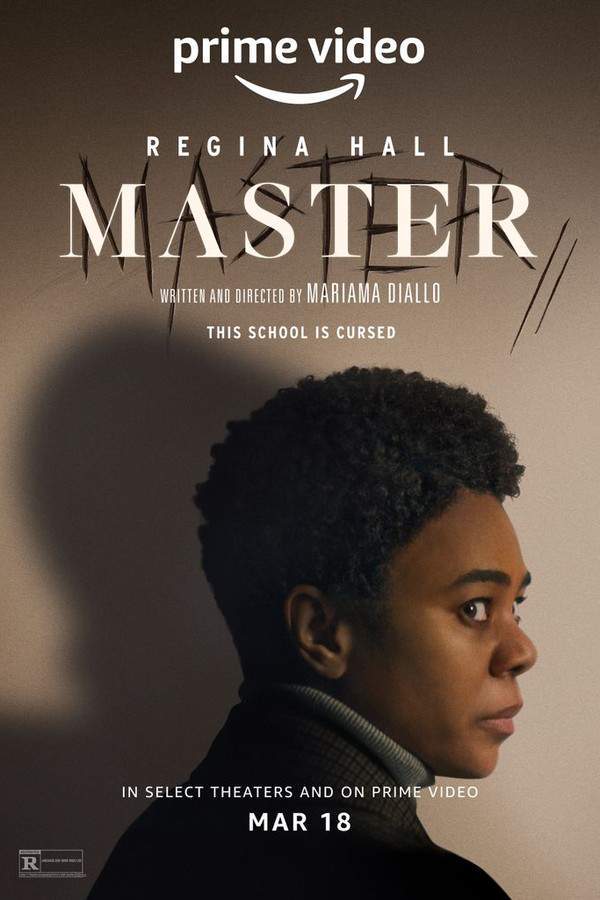
Master (2022) movie poster

Ending Explained

Master (2022) Ending Explained – Final Scene & Meaning

Release, runtime and language
2022 · 91 min · English
Echo score 62
Directed by
Mariama Diallo
Starring
Regina Hall, Talia Balsam, Talia Ryder, Molly Bernard, Ella Hunt, Jennifer Dundas

When Gail Bishop becomes the first Black woman to lead Ancaster College’s historic residence hall, she's immediately entangled in a web of secrets and unsettling events. As she navigates the challenges of her new position, she forms a connection with Jasmine Moore, a bright-eyed freshman whose personal journey reflects the college’s deeply buried truths. Gail’s investigation into the institution’s hidden history leads her to confront a troubling question: are the unsettling occurrences caused by supernatural forces or something far more contemporary?

On this page (6)
  1. 1 What happens at the end
  2. 2 Final events in order
  3. 3 Ending questions answered
  4. 4 Movie threads
  5. 5 Movies like Master
  6. 6 Every angle

Ending explained · contains spoilers

What Happens at the End of Master?

How Master (2022) ends, what the final scene means, which earlier moments set it up and how to read the ending if the film leaves it open. The full ending explained, with every spoiler.

The ending of Master is deliberately ambiguous, leaving viewers questioning what was real and what was symbolic. Throughout the film, there are signs pointing to supernatural events, such as Jasmine experiencing visions of a witch and injuries that could be attributed to sleepwalking, which ties into the New England folklore of Margaret Millet, a woman executed as a witch. However, the film also offers a non-supernatural explanation—that Jasmine's injuries might be the result of sleepwalking or hallucinations, and the figures seen around campus might be part of a religious group rather than ghosts. This ambiguity is intentional, emphasizing that the real horrors the characters face are rooted in racial trauma rather than supernatural forces.

The story culminates with Jasmine's tragic death, hanging herself in the cursed Room 302, fulfilling the local legends and possibly symbolizing her personal torment and the racial violence inflicted upon her. Yet, it's left uncertain whether her death was caused by supernatural influence or the brutal reality of racism and emotional abuse. Similarly, the eerie appearances of hooded figures are never definitively explained, adding to the unsettling atmosphere.

A major twist reveals that Liv, the professor who harshly judges Jasmine, might be hiding her true identity—the daughter of a white woman claiming to be Black—a deception that aligns with real-life cases of racial impersonation like Rachel Dolezal. This revelation underscores a core theme of the film: that some individuals may perform racial identities for personal or institutional gain, exploiting the desire for diversity while perpetuating deep-seated inequalities. Liv’s complicated story raises questions about authenticity and the corrupting influence of institutions that rely on surface-level diversity to mask ongoing oppression.

In the final scenes, Gail, the college administrator fighting against the campus racism, decides to leave Ancaster altogether, symbolizing her realization that the institution is incapable of meaningful change. Her discovery of symbols of white supremacy within the college’s history and her confrontation with persistent racism suggest that she feels her efforts are futile in a system built on racial injustice. The ending, like the film itself, remains open-ended—whether the supernatural elements were real or metaphorical, the real terror lies in the ongoing, persistent racial violence and the ways institutions perpetuate it. Ultimately, Master leaves viewers pondering the boundaries between myth and reality, and the profound impact of racial trauma hidden beneath the veneer of high society.
Last updated: June 25, 2025 at 08:59

Was this helpful?

The last 4 events

How Master Ends: The Final Events in Order

The last events of Master (2022) in chronological order, the run-up to the ending explained above. The complete timeline has all 15 events, scene by scene.

Open the full timeline
  1. Confrontation at the Party

    In a bold move, Roth and Maya confront R.G. and Sissy during a raucous party, reigniting their chaotic relationship. The event escalates dramatically when gunfire erupts, reflecting the dangers that surround their new life.

  2. Maya's Choice

    As Roth hands Maya a gun, she makes a pivotal choice not to kill R.G. Instead, Roth resorts to brutal violence by breaking their legs, showcasing the contrasting approaches to dealing with their adversaries.

  3. The Proposal

    Back at Gracewood Gardens, Roth confronts Mrs. Haverhill with a threefold proposal: returning the Luger, rejuvenating the gardens, and asserting that he and Maya will now live together as husband and wife. This bold declaration shocks Mrs. Haverhill and sets the stage for a standoff.

    Where
    Gracewood Gardens
  4. A New Beginning

    After a tense standoff, Roth and Maya are reluctantly allowed to leave with a sense of victory. The film concludes with Roth and Maya sharing a joyful dance on the porch of his cabin, symbolizing their newfound freedom and commitment to one another as they look towards their future.

    Where
    Roth's cabin

Ending questions answered

Master Ending: Your Questions Answered

The questions people ask most about the ending of Master (2022): what the final scene means, how the twist works, what happens to each character and how to read the ending. Each answer contains spoilers.

Q1

Why does Jasmine kill herself in Room 302?

Jasmine commits suicide in Room 302, fulfilling the local legend about the cursed room. Her death appears to stem from either supernatural influence or the brutal reality of racial trauma and emotional abuse she experienced at Ancaster. The film leaves it deliberately unclear which force drove her to this tragic end, using her death as a powerful symbol of the personal toll exacted by institutional racism.

Foreshadowing: Earlier scenes show Jasmine experiencing disturbing visions and injuries that could be attributed to supernatural forces or her own psychological unraveling.

  • jasmine moore
  • room 302
  • suicide
  • curse
  • racial trauma
Q2

Is Liv really Black or is she pretending to be Black?

The film reveals that Liv, the professor who harshly judges Jasmine, might be hiding her true identity as the daughter of a white woman claiming to be Black. This revelation mirrors real-life cases of racial impersonation like Rachel Dolezal, suggesting Liv may be performing a Black identity for personal gain within the institution.

Foreshadowing: Liv's intense focus on diversity and her harsh treatment of Jasmine become suspicious when viewed through the lens of her potentially fraudulent racial identity.

  • liv
  • professor
  • racial identity
  • pretending
  • deception
  • rachel dolezal
Q3

Why does Gail decide to leave Ancaster at the end?

Gail leaves Ancaster after discovering symbols of white supremacy within the college's history and confronting the persistent racism that pervades the institution. Her departure symbolizes her realization that the college is incapable of meaningful change, the system is built on racial injustice and cannot be reformed from within.

Foreshadowing: Throughout the film, Gail faces escalating resistance to her efforts to address racism, with each discovery about the school's hidden past making her position increasingly untenable.

  • gail bishop
  • leave
  • ancaster
  • institution
  • resignation
  • racism
Q4

Was the supernatural stuff real or was it all in Jasmine's head?

The film intentionally leaves this ambiguous. Evidence points both ways: Jasmine experiences visions of a witch and suffers injuries that could stem from sleepwalking, while the hooded figures might be members of a religious group rather than ghosts. The film suggests that whether supernatural or psychological, these manifestations represent the real horror of racial trauma.

Foreshadowing: Early scenes establish the New England folklore about Margaret Millet, the witch executed in the area, creating doubt about whether the disturbances are supernatural or symbolic.

  • supernatural
  • witch
  • hallucinations
  • sleepwalking
  • ghosts
  • ambiguous
Q5

What does Room 302 represent in the story?

Room 302 is central to the film's mythology, a room associated with the witch legend where previous students have died. It becomes the site of Jasmine's death, functioning as both a literal cursed location and a symbol of the hidden violence and trauma embedded in the institution's history.

Foreshadowing: The legend of Room 302 and its tragic history is introduced early, building toward its role as the story's tragic climax.

  • room 302
  • cursed
  • witch
  • legend
  • symbolism
Q6

What is the real horror that Master is about?

The film reveals that the real horror is not supernatural but rather the ongoing racial violence and trauma perpetuated by institutions like Ancaster College. Whether the supernatural elements are real or metaphorical, the true terror lies in the centuries-old racism that continues to harm students like Jasmine.

Foreshadowing: The film consistently grounds its scary moments in real-world racial tensions rather than purely supernatural occurrences.

  • racial trauma
  • real horror
  • institution
  • racism
  • symbolic
Q7

What are the hooded figures that appear throughout the film?

The hooded figures remain never fully explained, adding to the film's unsettling atmosphere. They could be ghosts connected to the witch legend, members of a secret religious group, or manifestations of the characters' psychological states. The film deliberately leaves their true nature ambiguous.

Foreshadowing: The figures appear at key moments throughout the narrative, often in connection to significant plot developments involving Jasmine.

  • hooded figures
  • ghosts
  • cult
  • religious group
  • mysterious
Q8

Why does Master leave its ending so ambiguous?

The ambiguity is intentional, emphasizing that the supernatural elements, whether real or imagined, serve as a metaphor for the real terrors of racial trauma. By refusing to confirm what was real, the film forces viewers to confront the reality that institutional racism exists regardless of whether it manifests through supernatural or purely human cruelty.

Foreshadowing: The film's balance between supernatural and realistic explanations builds throughout, with neither ever definitively winning.

  • ambiguous ending
  • ambiguous
  • metaphor
  • interpretation
  • open ending
Q9

What happens to Jasmine Moore in the end?

Jasmine dies by suicide in Room 302, the legendary cursed room of Ancaster College. Her death represents either a supernatural fulfillment of the local legend or a tragic outcome of the racial abuse and emotional trauma she endured. The film leaves unclear whether external forces or her own psychological suffering led to her death.

Foreshadowing: Jasmine's escalating visions, injuries, and emotional distress throughout the film all foreshadow her tragic fate.

  • jasmine moore
  • death
  • fate
  • tragedy
  • room 302
Q10

What does Gail discover about Ancaster's history?

Gail discovers symbols of white supremacy embedded within Ancaster College's history, revealing that the institution's prestigious facade masks a deep legacy of racial violence and oppression. This discovery fundamentally shapes her decision to leave, as she recognizes the school cannot be reformed.

Foreshadowing: Gail's investigation throughout the film progressively uncovers the college's buried secrets, each revelation more disturbing than the last.

  • white supremacy
  • history
  • discovery
  • secrets
  • ancaster college
Q11

What does the ending mean for Gail's future?

Gail's departure from Ancaster represents both a loss and a form of self-preservation. While she fails to change the institution from within, she chooses to remove herself from a system built on racial injustice. The ending suggests she will carry the knowledge of Ancaster's true nature with her, though whether she can truly escape its impact remains uncertain.

Foreshadowing: Gail's growing frustration and the escalating resistance to her reforms foreshadow her ultimate decision to leave.

  • gail future
  • leaving
  • hope
  • escape
  • moving on

Movie threads

More Movies Like Master, by Mood & Story

Curated lists built around what makes Master tick: the same mood, the same kind of story or the same emotional payoff. Each list explains why these movies belong together.

Dark Academia and Institutional Secrets like in Master

Character-driven stories where uncovering a dark past forces a moral reckoning. If you liked the tense uncovering of secrets in Master, explore movies with similar dark academia or institutional themes. These stories feature protagonists navigating complex power structures, revealing hidden histories, and facing moral dilemmas in atmospheric, guarded settings.

  • atmospheric
  • tense
  • guarded
  • reflective
  • unsettling
  • melancholic
  • Tone: tense, melancholic, reflective
  • Pacing: steady, investigative
Why these movies?

The story pattern: Stories in this thread often follow a newcomer or an insider who begins to question the integrity of their institution. The plot unfolds through investigation and personal discovery, building tension as long-buried secrets—racism, corruption, violence—come to light, forcing characters into difficult moral choices.

Why they belong together: Movies are grouped here for their shared focus on a guarded, atmospheric mood, a steady pacing that builds investigative tension, and a central theme of confronting a dark past hidden within a powerful system. They often feature a bittersweet emotional tone.

Mentorship and Protective Bonds like in Master

Stories where a flawed guardian finds purpose by protecting a vulnerable charge. For viewers who appreciated the protective dynamic in Master, this list highlights movies about complex mentorship and found family. These films explore themes of redemption, witness protection, and the sacrifices made for a newfound connection, often with a bittersweet tone.

  • redemptive
  • tense
  • vulnerable
  • hopeful
  • melancholic
  • protective
  • Tone: bittersweet, redemptive, vulnerable
  • Pacing: steady, character-driven
Why these movies?

The story pattern: The narrative pattern involves a guardian figure, often burdened by a dark past or current dangers, who is thrust into a protective role. The journey focuses on the evolution of this bond, tested by external threats and internal flaws, culminating in a resolution that offers hope but is tempered by the cost of violence or loss.

Why they belong together: These films share a specific character dynamic: the protector-protégé relationship. They are united by a medium emotional weight, a focus on themes like redemption and witness protection, and a bittersweet tone where safety is achieved but not without moral complexity and emotional scars.

If you liked this

Movies Like Master

Similar movies to Master: the same genre, themes or kind of story. Each one comes with its own plot summary, timeline and ending explained.

Browse all movie summaries

Every angle

Master (2022) Explained: Plot, Ending, Timeline & Characters

Everything about Master in one place: what happens in the plot summary, the timeline in chronological order, the characters and meaning, the ending explained and a spoiler-free summary. What's After the Movie adds the cast, box office and post-credit scenes.

Coming soon on iOS and Android

The Plot Explained Movie Summary App

Plot summaries, endings explained and timelines on your phone. Catch up on any movie in minutes, save your favorites and never miss a twist again.

Be the first to know when we launch. Your email stays private, always.

Learn more about the app