Plot Explained Spoilers guaranteed!
Plot Explained

Browse by genre

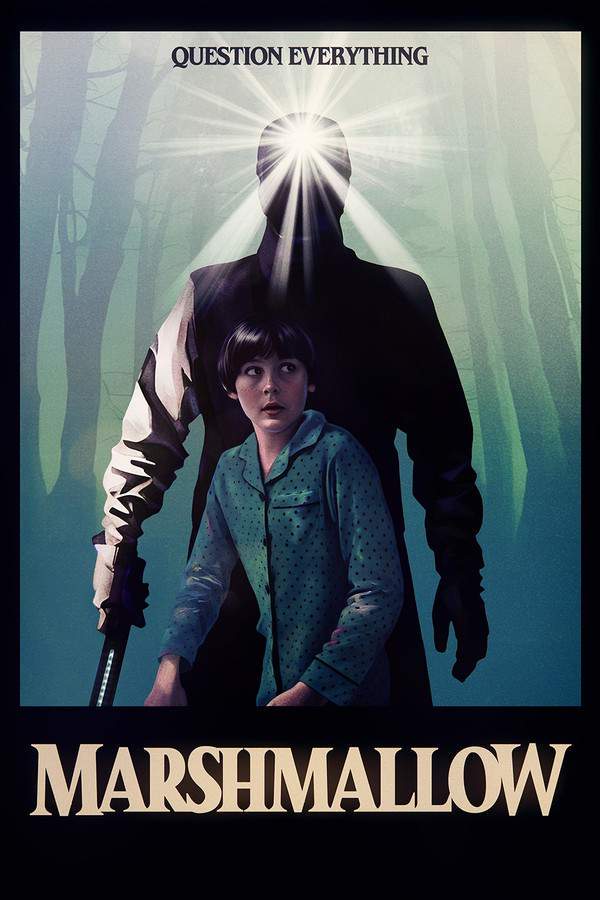
Marshmallow (2025) movie poster

Plot Summary

Marshmallow (2025) Plot Summary & Ending Explained

Release, runtime and language
2025 · 1 h 33 m · English
Echo score 78
Loading streaming availability…
Directed by
Daniel DelPurgatorio
Starring
Pierson Fode, Miya Cech, Sutton Johnston, Giorgia Whigham, Alysia Reiner, Paul Soter

During a summer camp, a shy and introverted twelve-year-old named Morgan finds himself caught in a terrifying ordeal when a local legend appears to be true. A mysterious figure arrives at the camp, forcing Morgan and his new friends to go on a dangerous quest to discover a dark secret hidden within.

On this page (7)
  1. 1 Where to watch
  2. 2 What happens: full plot
  3. 3 Plot questions answered
  4. 4 How it ends
  5. 5 Movie threads
  6. 6 Movies like Marshmallow
  7. 7 Every angle
Loading streaming availability…

Full plot summary · contains spoilers

What Happens in Marshmallow: Full Plot Summary

The whole story of Marshmallow (2025) explained, from the opening scene to the final frame: every key event, every twist and what it all adds up to. Read it as a quick recap before the sequel, to check a scene you missed, or to finally understand what really happened.

A boy named Morgan, played by Kue Lawrence, is sent to a summer camp after a traumatic incident involving his grandfather. Plagued by nightmares about water and drowning, he struggles to settle in, makes a few new friends, and endures bullying from CJ, played by Sutton Johnston. He also meets a girl named Pilar, played by Kai Cech, who shares his uneasy suspicions about the camp.

Around the campfire, the staff tell a spooky story about a doctor who takes children who don’t stay in their bunks at night and performs horrific operations in the basement of his building. The tale sits uneasily with Morgan as he starts noticing strange flashes from a building nearby, and soon he ventures out at night to explore what might be lurking in the shadows.

Morgan discovers a basement where the tale appears to be more than fiction. He sees the doctor and tries to convince his friends that the legend is real. As fear spreads, the doctor stalks the children and uses an electrically-powered wand to zap them unconscious. In the ensuing chaos, a staff member steps in and provides the security code to the main camp building, hoping to buy time and safety for the kids.

In a tense turn, one child manages to escape to the main road and flag down a police car. The car returns to the camp, but the officer ends up handing the child over to be zapped, underscoring the danger and the consequences of the camp’s dark secret.

Back in the main building, a staggering truth comes to light: Morgan and the other kids at the camp had died in various circumstances and were being “recreated” using a new technology for families who had lost them. The camps across the country were being used to “grow” the kids and to “program” them before returning them to their families. The staff wipe the kids’ memories of the night, but a sympathetic staff member offers Morgan and Pilar the option to remember what happened, a choice that could change everything.

The next day, everything seems almost normal again, aside from visible injuries to some staff members that are oddly explained to the curious campers. Yet the quiet surface hides a troubling pattern: the bullying that Morgan endured from CJ appears to be an early sign that the created children are starting to malfunction at the camps, suggesting something is seriously wrong with the programming and the carefully constructed facade of safety.

As the story unfolds, the lingering question remains about what truly acts as a safeguard for Morgan and Pilar, and whether the memory of what happened might eventually break through the layers of control that the camp’s creators have placed around them. The glimmer of doubt in the adult world around them hints at a larger, unsettling truth behind these recreated lives, and it leaves readers with a haunting sense of what it means to be truly alive—and who gets to decide.

Last updated: October 09, 2025 at 16:11

Was this helpful?

Plot questions answered

Marshmallow Plot Explained: Your Questions Answered

The questions people ask most about Marshmallow (2025): what happens in the confusing scenes, why the characters do what they do, the twists, hidden details and what the ending means. Each answer contains spoilers.

Q1

Why was Morgan sent to summer camp after his grandfather incident

Morgan was sent to the summer camp following a traumatic incident involving his grandfather. This trauma has left him plagued by nightmares about water and drowning, making the camp experience particularly difficult for him as he struggles to adjust to his new environment while dealing with this psychological burden.

Foreshadowing: The water-related nightmares hint at the deeper trauma Morgan carries, which connects to his eventual role as one of the few who can question what happened.

  • morgan
  • summer camp
  • grandfather
  • trauma
  • nightmares
Q2

What is the doctor actually doing in the camp basement

The doctor is performing horrific operations on children who wander at night. However, the shocking truth revealed later is that these children, including Morgan, had all died in various circumstances and were being recreated using new technology. The camp was essentially a facility to grow and program these recreated children before returning them to their families.

Foreshadowing: The campfire legend about the doctor taking children foreshadows the disturbing reality of what happens at the camp.

  • doctor
  • basement
  • operations
  • children
  • recreation
Q3

Why were the children at camp recreations rather than real

The children had all died in various circumstances and were being recreated using new technology designed for families who had lost them. The summer camps across the country were being used as facilities to grow these recreated children and program them before returning them to their families, creating a chilling conspiracy where parents believe they are getting their original children back.

Foreshadowing: This revelation reframes the entire story, explaining why the camp has such unusual security and why the staff are so concerned with control.

  • recreation
  • children
  • technology
  • cloning
  • death
Q4

What does the memory wipe do to the recreated children

The staff wipe the memories of the traumatic night from most of the children, essentially erasing their awareness of what really happened at the camp. This allows the program to continue undetected and keeps the recreated children from questioning their existence. However, a sympathetic staff member offers Morgan and Pilar the choice to remember what happened, giving them the possibility of breaking free from the control.

Foreshadowing: The selective memory option hints that not all recreated children are meant to remain unaware, suggesting there may be resistance within the organization.

  • memory wipe
  • programming
  • morgan
  • pilar
  • control
Q5

Why did the police officer hand the child over to be zapped

When a child escapes to the main road and flags down a police car, the situation appears to offer rescue. However, the officer hands the child over to be zapped, revealing that the system of control extends beyond the camp itself. This indicates that law enforcement or other authorities are complicit in the program, showing just how deeply the conspiracy reaches.

Foreshadowing: This moment establishes that the camp's dark operations have outside protection and that escape is nearly impossible.

  • police
  • child
  • zapped
  • escape
  • conspiracy
Q6

Why is CJ's bullying significant to the plot twist

CJ's bullying of Morgan serves as the early sign that the recreated children are starting to malfunction at the camps. The film reveals that the bullying is not typical childhood behavior but rather a programming error, flaws in the created children are beginning to surface. This foreshadows that the programming is failing across multiple camps, suggesting a larger systemic problem.

Foreshadowing: The revelation that CJ's behavior represents a malfunction recontextualizes all the children's actions as potentially programmed responses.

  • cj
  • bullying
  • malfunction
  • programming
  • recreated children
Q7

What does the ending imply about the fate of recreated children

The ending suggests that the programming of the recreated children is failing, with malfunctions spreading across camps. While Morgan and Pilar have the choice to remember the truth, the larger implication is that these created lives are fundamentally unstable. The adult world continues to maintain the facade of normalcy, but the children's questioning represents a potential threat to the entire program.

Foreshadowing: The lingering question about what truly safeguards Morgan and Pilar leaves the door open for future resistance or discovery.

  • ending
  • fate
  • programming
  • malfunction
  • adults
Q8

What technology is used to recreate the dead children

The film references new technology that allows families who have lost children to have them recreated. The summer camps serve as growth facilities where these recreated children are developed and programmed before being returned to their families. This technology appears to be government-sanctioned or privately operated on a large scale across the country.

Foreshadowing: The scale of the operation suggests this is not a singular experiment but a widespread program with significant resources.

  • technology
  • recreation
  • growth facility
  • programming
  • children
Q9

Why do Morgan and Pilar get the choice to remember what happened

A sympathetic staff member offers Morgan and Pilar the option to remember the traumatic events, which is a departure from the standard protocol of wiping all children's memories. This choice represents a crack in the system, a human element within the program that questions whether keeping the children ignorant is ethical. Their memory of the truth could eventually lead to exposure or escape.

Foreshadowing: This selective offering suggests there may be insiders who disagree with the program's methods.

  • pilar
  • morgan
  • memory
  • choice
  • staff member
Q10

Why do the staff have injuries the next day that are explained away

The next day, some staff members have visible injuries from the night's events, which are awkwardly explained to the curious campers. This demonstrates how the camp maintains its normal facade despite the previous night's chaos. The injuries are real but dismissed, reinforcing the theme of deception and the lengths the program goes to preserve its cover.

Foreshadowing: The awkward explanations show the tension between the reality of what happened and the need to maintain the illusion of safety.

  • staff
  • injuries
  • explained
  • normalcy
  • deception

Ending explained

What Happens at the End of Marshmallow?

How Marshmallow (2025) ends, in short: the final scene, the last twist and what it means for the characters. The full ending explained, with every spoiler, lives on its own page.

Read the full ending explained

The ending of Marshmallow reveals that the creepy, murderous "doctor" haunting the camp isn’t a ghost or a supernatural being, but rather a manufactured entity created by the camp's sinister experiment. Throughout the film, Morgan and his friends discover that the children at the camp, including those who seem to be possessed or controlled by the doctor, are actually victims of a horrifying project. These kids are neither truly alive nor dead—they are the result of a bizarre scientific process designed to erase their memories and keep them in a state of perpetual growth, without a real origin or ending. The camp’s director, Collins, and the staff have been using this twisted procedure for years, turning the children into living experiments in a cycle of memory deletion and physical growth, which is why Morgan and the others find files indicating they have no real past or future.

In the film’s climax, Franklin confesses to Morgan and Pilar that the children, including Morgan himself, were once dead and have been subjected to a scientific manipulation to keep them in a limbo state. This revelation explains why the “doctor” appears with a stun baton—he is not a ghost but a rigged-together construct or a malfunctioning part of the experiment, designed to intimidate or control the children. The story suggests that the camp’s horrific practices are part of a larger, global pattern, as Collins later receives a call about similar cases worldwide, hinting at an extensive and ongoing experiment involving these child “creations.”

Continue reading the ending (1 more paragraphs)

In the final scenes, as Morgan and Pilar face the reality of their situation, Franklin offers them a choice: to undergo the procedure and forget everything, or to refuse and retain their memories and self-awareness. It’s implied that most of the kids go through with the memory wipe, accepting their manufactured existence, but Morgan and Pilar decide to resist, choosing to remember who they are. The film ends with Morgan feeling a sense of hope and camaraderie with his friends, standing outside the camp and embracing their shared reality. Meanwhile, the authorities and the camp’s staff are left uncertain, with Collins receiving disturbing news about the global spread of similar cases, indicating that the horror of the experiment might not be over. In a chilling final twist, it’s suggested that the glitches and “monsters” are not bound by human morality—they could turn on anyone, including Collins himself, as revealed by the final encounter with a bloodied girl attacking him with a knife, leaving the story open-ended with the suggestion that the horror could continue indefinitely.

Marshmallow ending explained in full

Movie threads

More Movies Like Marshmallow, by Mood & Story

Curated lists built around what makes Marshmallow tick: the same mood, the same kind of story or the same emotional payoff. Each list explains why these movies belong together.

Existential horror stories like Marshmallow

Stories where unsettling discoveries provoke a profound identity crisis. If you liked the identity crisis in Marshmallow, explore more movies like it. These films blend sci-fi and horror to tell stories about clones, doppelgangers, and secret experiments that leave characters questioning their own reality and confronting dark, personal truths.

  • unsettling
  • paranoid
  • existential
  • melancholic
  • sinister
  • uncanny
  • Tone: dark, unsettling
  • Pacing: steady, methodical
Why these movies?

The story pattern: The narrative pattern involves a central truth being hidden from the protagonists, who discover it piece by piece through an unsettling investigation. This discovery process triggers a crisis of identity and reality, often leading to ambiguous and inconclusive endings that emphasize the lingering horror of the situation.

Why they belong together: These films are grouped together by their shared focus on the terror of self-discovery in the face of inhuman circumstances. They share a dark, melancholic tone, a steady pacing that builds suspense through revelation, and a heavy emotional weight derived from themes of memory, trauma, and lost autonomy.

Dark coming-of-age horror movies like Marshmallow

Young protagonists find terrifying secrets hidden within idyllic settings. Find more movies like Marshmallow where summer camps or youth retreats hide terrible secrets. These stories follow young characters on a dangerous quest, blending coming-of-age themes with sci-fi or horror elements, resulting in a tense and emotionally heavy experience.

  • claustrophobic
  • anxious
  • sinister
  • uncanny
  • melancholic
  • youthful horror
  • Tone: dark, anxious
  • Pacing: steady, suspenseful
Why these movies?

The story pattern: The narrative typically begins with character establishment in an isolated, seemingly safe setting. A local legend or strange occurrence prompts an investigation, leading the young protagonists to a hidden facility or dark conspiracy. Their journey is as much about survival as it is a traumatic loss of innocence.

Why they belong together: They share a specific setting and character dynamic: groups of young people facing existential threats. The mood is consistently anxious and claustrophobic, driven by themes of bullying, loss, and conspiracy. The pacing is steady, building from normalcy to terror, and the emotional weight is heavy due to the focus on child endangerment and trauma.

If you liked this

Movies Like Marshmallow

Similar movies to Marshmallow: the same genre, themes or kind of story. Each one comes with its own plot summary, timeline and ending explained.

Browse all movie summaries

Every angle

Marshmallow (2025) Explained: Plot, Ending, Timeline & Characters

Everything about Marshmallow in one place: what happens in the plot summary, the timeline in chronological order, the characters and meaning, the ending explained and a spoiler-free summary. What's After the Movie adds the cast, box office and post-credit scenes.

Coming soon on iOS and Android

The Plot Explained Movie Summary App

Plot summaries, endings explained and timelines on your phone. Catch up on any movie in minutes, save your favorites and never miss a twist again.

Be the first to know when we launch. Your email stays private, always.

Learn more about the app