Plot Explained Spoilers guaranteed!
Plot Explained

Browse by genre

Camp Hell (2010) movie poster

Plot Summary

Camp Hell (2010) Plot Summary Explained

Release, runtime and language
2010 · 99 mins · English
Directed by
George VanBuskirk
Starring
Jesse Eisenberg, Bruce Davison, Christopher Denham, Dana Delany, James McCaffrey, Spencer Treat Clark

Each summer, children from a New Jersey Christian community travel to the secluded Camp Hope, deep in the woods, to study the ways of the Lord, the perils of the flesh, and the horror of the Devil under a priest. Unaware, the priest brings evil, turning the once‑safe spiritual retreat into a nightmarish ordeal that faith alone cannot defeat.

On this page (4)
  1. 1 What happens: full plot
  2. 2 Plot questions answered
  3. 3 Movie threads
  4. 4 Every angle

Full plot summary · contains spoilers

What Happens in Camp Hell: Full Plot Summary

The whole story of Camp Hell (2010) explained, from the opening scene to the final frame: every key event, every twist and what it all adds up to. Read it as a quick recap before the sequel, to check a scene you missed, or to finally understand what really happened.

Every summer, children from a strict fundamentalist Catholic community in the suburbs of New Jersey attend Camp Hope, a secluded retreat hidden deep in the woods where the curriculum centers on sin and salvation. The head priest, Fr. Phineas McAllister, Bruce Davison, leads the lessons, pressing the idea that every thought and action carries the weight of sin and that temptations of the flesh must be acknowledged and controlled.

At the heart of this rigid world is Tommy Leary, Will Denton, a boy already haunted by the recent death of his grandfather and preoccupied with what lies beyond life. His innocent relationship with his childhood crush, Melissa, Valentina de Angelis, grows more intimate, and the two slip away into the woods for a private moment.

Melissa is caught and sent home, and the priest uses the incident to sharpen his grip on Tommy, turning moral panic into a real‑life torment as the boy begins to sense a demon haunting him. The atmosphere at Camp Hope thickens with fear, and the boundary between faith and superstition blurs as Tommy’s mind starts to fill with unsettling possibilities.

The priest’s methods intensify, blending psychological manipulation with spiritual drama, until the boy’s fear crystallizes into a palpable presence. Tommy’s world tightens around him, and the line between demonic belief and personal terror becomes dangerously hard to distinguish.

In a brutal culmination, Tommy confronts the priest in his cabin, a clash that drives him toward a suicide attempt. The emotional car‑crash of that moment leaves Fr. Phineas McAllister [Bruce Davison] with a grave stroke, and the community is left to decide whether to pull the plug, watching as the priest spends the rest of his life in a persistent vegetative state, eyes wide open, haunted by the events he set in motion.

On the drive home from the hospital, Tommy finds a note Melissa had given him telling him where to meet her again. He rolls down the window and tosses out a copy of Dante's Inferno, and as the page skids along the road, a powerful image of a demon seems to emerge in the darkness ahead.

Last updated: October 09, 2025 at 16:57

Was this helpful?

Plot questions answered

Camp Hell Plot Explained: Your Questions Answered

The questions people ask most about Camp Hell (2010): what happens in the confusing scenes, why the characters do what they do, the twists, hidden details and what the ending means. Each answer contains spoilers.

Q1

Why was Melissa sent home from Camp Hope?

Melissa was caught sneaking into the woods with Tommy, which violated the camp's strict rules about the dangers of the flesh. The priest used this incident to demonstrate moral failure and sent her away as a warning to the other children, particularly Tommy, about the consequences of giving in to temptation.

Foreshadowing: The priest had been watching Tommy closely since the woods incident, waiting for an opportunity to tighten his control.

  • melissa
  • tommy
  • woods
  • punishment
  • priest control
Q2

Why does Tommy start sensing a demonic presence at camp?

Tommy's fear of sin, amplified by the priest's constant teachings about the Devil and the perils of the flesh, manifests as a perceived demonic haunting. The priest's psychological manipulation blurs the line between religious fear and actual supernatural terror, making Tommy believe a demon is targeting him specifically.

Foreshadowing: The priest's early lessons about sin and the Devil planted the idea that evil is always watching.

  • demon
  • tommy
  • fear
  • priest manipulation
  • psychological terror
Q3

Why does Tommy attempt suicide at Camp Hope?

Tommy reaches his breaking point after weeks of psychological torment from the priest, who convinced him that his thoughts and actions are inherently sinful and that he is damned. The cumulative pressure of guilt, fear, and manipulation drives him to see suicide as the only escape from the spiritual terror he has been subjected to.

Foreshadowing: The priest's escalating methods from moral panic to real torment progressively wore down Tommy's mental state.

  • tommy
  • suicide
  • breakdown
  • priest manipulation
  • guilt
Q4

What happens when Tommy confronts the priest in his cabin?

Tommy confronts Fr. McAllister in his cabin during the climax, directly challenging the priest's authority and the psychological torture he has inflicted. The confrontation becomes violent and emotionally charged, triggering Tommy's suicide attempt and causing the priest to suffer a catastrophic stroke.

Foreshadowing: Tommy's fear had been building throughout the summer, eventually crystallizing into this direct confrontation.

  • tommy
  • priest
  • confrontation
  • cabin
  • stroke
Q5

Why does Fr. McAllister have a stroke?

The priest suffers a severe stroke during the crisis when Tommy attempts suicide in his cabin. The emotional shock and physical toll of the confrontation triggers a massive stroke that leaves him in a persistent vegetative state, forcing the community to decide whether to keep him on life support.

Foreshadowing: The confrontation was the breaking point where the priest's control finally erupted into chaos.

  • priest
  • stroke
  • confrontation
  • vegetative state
  • health
Q6

What is the significance of Dante's Inferno in the ending?

Dante's Inferno represents the priest's teachings about hell and eternal damnation that tormented Tommy throughout the summer. When Tommy throws the book out the window on the drive home, he is symbolically rejecting the religious guilt and fear that were used to manipulate him, though the final demon image suggests this psychological damage may be permanent.

Foreshadowing: The priest constantly used imagery of hell and sin to control the children.

  • dante
  • inferno
  • book
  • symbolism
  • rejection
  • hell
Q7

Is the demon at the end of the movie real or in Tommy's mind?

The movie leaves the demon's existence ambiguous. The ending suggests the psychological trauma may have created a permanent association between darkness and evil in Tommy's mind, making the demon a manifestation of his damaged psyche. However, the film also hints that something supernatural may have been unleashed at Camp Hope, leaving the interpretation open.

Foreshadowing: Throughout the film, the line between religious belief and actual supernatural presence is deliberately blurred.

  • demon
  • ending
  • ambiguous
  • psychological
  • supernatural
  • trauma
Q8

Why does Fr. McAllister focus so heavily on Tommy?

The priest targets Tommy because the boy is already emotionally vulnerable, grieving his grandfather and obsessed with what lies beyond death. This makes Tommy more susceptible to religious guilt and easier to manipulate. The priest exploits Tommy's grief and curiosity about mortality to establish control over him.

Foreshadowing: Tommy's preoccupation with death was evident from the start of summer.

  • priest
  • tommy
  • manipulation
  • grief
  • target
  • vulnerability
Q9

What was Fr. McAllister's goal at Camp Hope?

Fr. McAllister used Camp Hope to exert psychological control over the children by convincing them that every thought and action is sinful and that only through complete obedience to religious authority can they avoid damnation. His methods were about power and control rather than genuine spiritual guidance, using fear of the Devil to dominate the camp.

Foreshadowing: The priest's curriculum framed every aspect of life as a potential sin from the beginning.

  • priest
  • control
  • power
  • manipulation
  • religion
  • authority
Q10

Why does the community debate pulling the plug on the priest?

After the priest's stroke leaves him in a persistent vegetative state, the community must decide whether to withdraw life support. This decision forces them to confront the consequences of their rigid theology and the physical trauma it caused, raising questions about mercy, responsibility, and whether the priest deserves salvation after the suffering he inflicted.

Foreshadowing: The community had blindly supported the priest's harsh methods throughout the summer.

  • community
  • life support
  • debate
  • priest
  • vegetative state
  • decision

Movie threads

More Movies Like Camp Hell, by Mood & Story

Curated lists built around what makes Camp Hell tick: the same mood, the same kind of story or the same emotional payoff. Each list explains why these movies belong together.

Religious Horror Movies Set in Isolation Like Camp Hell

Stories where faith is tested against supernatural evil in a remote location. Discover movies like Camp Hell where spiritual journeys in remote settings turn into nightmares. These films explore religious faith under supernatural siege, featuring secluded retreats, cult-like communities, and the terrifying corruption of safe havens. If you liked the oppressive dread of Camp Hell, you'll find similar chilling experiences here.

  • oppressive
  • claustrophobic
  • sinister
  • haunting
  • dread
  • psychological
  • Tone: dark, tense, oppressive
  • Pacing: steady, methodical
Why these movies?

The story pattern: The narrative pattern typically involves a group or individual seeking sanctuary, enlightenment, or community in a remote, isolated place. Instead of peace, they encounter a malevolent force—be it supernatural, human, or psychological—that turns their refuge into a prison. The story unfolds as a battle for survival that is deeply intertwined with a crisis of faith, where beliefs are weaponized or shattered.

Why they belong together: Movies in this thread share a potent mix of a specific setting (isolation), a central theme (religious or spiritual crisis), and a high-intensity horror tone. They create a claustrophobic, anxious mood by trapping characters both physically and ideologically, making the viewer experience the psychological unraveling firsthand.
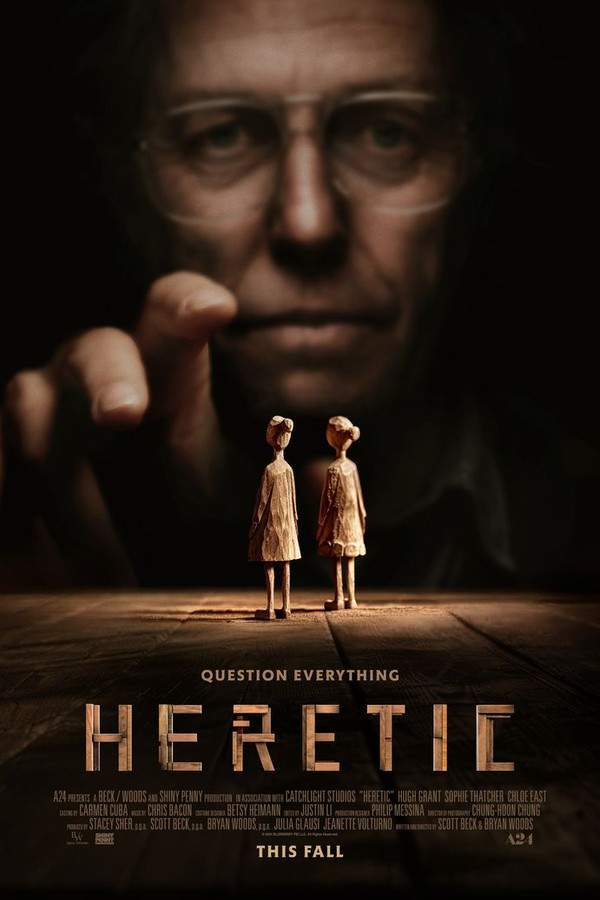
Psychological Horror Movies About Corruption Like Camp Hell

A steady, grim descent into madness fueled by manipulation and trauma. Find movies similar to Camp Hell that explore the slow, psychological corruption of a protagonist. These films feature heavy emotional weight, steady pacing, and dark themes of manipulation and trauma. If you appreciated the grim character study and psychological dread in Camp Hell, this collection captures that specific, unsettling vibe.

  • psychological
  • dread
  • unsettling
  • traumatic
  • grim
  • anxious
  • Tone: dark, grim, unsettling
  • Pacing: steady, slow-burn
Why these movies?

The story pattern: The narrative follows a clear but painful path of psychological decline. A vulnerable character is subjected to sustained pressure from a manipulative force or a traumatic situation. The story beats focus on the gradual breaking point—the loss of innocence, the crisis of identity, and the final, often ambiguous, state of the character's mind, leaving a lasting sense of unease.

Why they belong together: These films are grouped by their shared focus on the internal horror of a mind coming apart. They prioritize a steady, building pace over shock, and their emotional impact comes from witnessing a believable psychological collapse. The tone is consistently dark and the intensity is high, but it's driven by character trauma rather than just jump scares.

Every angle

Camp Hell (2010) Explained: Plot, Timeline & Characters

Everything about Camp Hell in one place: what happens in the plot summary, the timeline in chronological order, the characters and meaning and a spoiler-free summary. What's After the Movie adds the cast, box office and post-credit scenes.

Coming soon on iOS and Android

The Plot Explained Movie Summary App

Plot summaries, endings explained and timelines on your phone. Catch up on any movie in minutes, save your favorites and never miss a twist again.

Be the first to know when we launch. Your email stays private, always.

Learn more about the app