









Plot Explained Spoilers guaranteed!
Plot Explained

Browse by genre

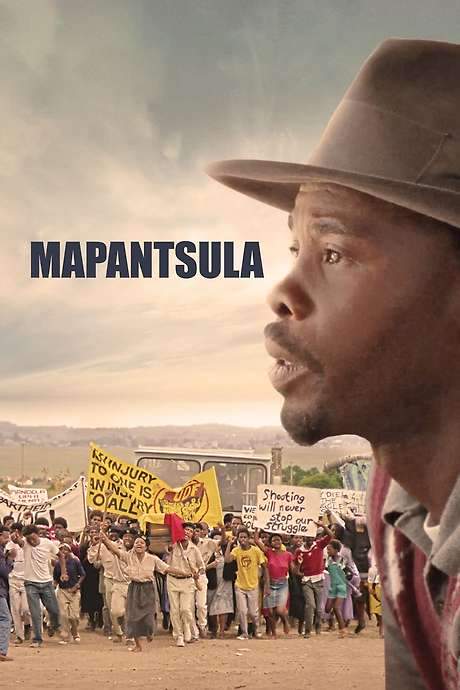
Mapantsula (1988) movie poster

Timeline

Mapantsula (1988) Timeline Explained – Every Event in Order

Release, runtime and language
1988 · 104 mins · Zulu
Directed by
Oliver Schmitz
Starring
Marcel Van Heerden, Brad Morris, Arthur Molepo, Dolly Rathebe, Darlington Michaels, Thomas Mogotlane

A petty gangster inevitably becomes involved in the growing anti-apartheid struggle and is forced to choose between individual gain and a united stand against the system.

On this page (6)
  1. 1 Where to watch
  2. 2 Events in order (12)
  3. 3 Timeline questions answered
  4. 4 Movie threads
  5. 5 Movies like Mapantsula
  6. 6 Every angle

Where to watch

Where to Watch Mapantsula (1988)

Where can you watch Mapantsula? Stream, rent or buy it in the US, including on Film Movement Plus, Hoopla and Kanopy: current JustWatch availability with up-to-date prices.

Streaming availability powered by JustWatch

12 events in order · contains spoilers

Mapantsula Timeline: Events in Chronological Order

Every key event of Mapantsula (1988) in order, scene by scene, with when and where it takes place. Use it to untangle flashbacks, time jumps and parallel storylines, to refresh your memory before the sequel or to find the exact scene you are thinking of.

  1. Arrest during protest

    The film opens with a heated protest and a brutal police crackdown. A voiceover reminds viewers that those detained violated the Internal Security Act by gathering without permission. Panic, along with other prisoners, is herded into a crowded cell, marking the beginning of his perilous life under apartheid.

    When
    opening scene
    Where
    Johannesburg prison
  2. First robbery with Dingaan

    Panic and his partner Dingaan ambush a white man on a busy Johannesburg street, wielding a knife as the victim resists. They loot his wallet and later celebrate at a corner store, trading bravado about their misdeeds. Dingaan even suggests they quit, but Panic's temperament remains reckless.

    When
    day
    Where
    Johannesburg street
  3. Soweto home life and Ma Mobise’s warning

    Panic returns to the Soweto township and rents a small one‑room home from Ma Mobise. She warns him to stay out of trouble, noting his tsotsi image and the burden of rising rents. Her son Sam listens as the talk unfolds.

    When
    evening
    Where
    Soweto, Ma Mobise's home
  4. Stander’s first interview with Panic

    Panic is brought into Stander’s orbit as the police begin to interrogate him. In the office, Stander asks whether Panic speaks Afrikaans, and Panic replies that he does not. The exchange signals the growing scrutiny Panic will face from the authorities.

    When
    day
    Where
    Stander's office
  5. Prison interrogation begins

    Back in prison, Panic is interrogated about his extensive criminal history as cells overflow with detainees. Stander implies Panic has been working for the police, highlighting the uneasy lines between informant and suspect. Panic resists, but the pressure mounts as the system tightens around him.

    When
    days after arrest
    Where
    Prison
  6. Pat and money; Joyce’s rejection

    Pat, Panic’s girlfriend, works as a housemaid for Joyce, a white employer. Panic asks Joyce for money, but she sends him away, deepening his financial precarity. Ma Mobise lectures Panic about rising rents and the need to stay out of trouble.

    When
    morning
    Where
    Joyce's house
  7. Bar confrontation and terrorism accusation

    Panic and Dingaan reconvene in a bar after a failed theft, where a thief confronts Panic about his jail record. A white officer arrives and accuses the group of terrorists, underscoring the state’s punitive framing of Black suspects. Panic is eventually hauled to Stander’s office for questioning.

    When
    evening
    Where
    Bar (and later Stander's office)
  8. Second theft attempt and escalation

    Panic dresses in a suit and visits Joyce’s house to see Pat, who sends him away in anger. Joyce brings a dog to threaten him, and Panic retaliates by throwing a brick through her window. The incident further destabilizes his precarious ties to Pat and Joyce.

    When
    night
    Where
    Joyce's house
  9. Pat fired; Sam and the ANC gathering

    Pat is fired from her job as a housemaid. Sam takes Pat to a local African National Congress gathering where residents press the mayor to curb rent increases. Duma speaks out against the mayor and the current order, widening Panic’s political stakes.

    When
    next day
    Where
    Soweto ANC gathering
  10. Mall trouble and Dingaan’s exit

    Panic and Dingaan target a wealthy shopper in a mall, but the man resists. Panic stabs him, and the duo flee to a movie theater. Afterward, Dingaan tells Panic he wants nothing more to do with him, deepening Panic’s isolation and resolve.

    When
    late day
    Where
    Mall and cinema
  11. Funeral riot and Sam’s fate

    A funeral in Soweto provokes a violent police response, and Sam is taken away as the crowd riots. Ma Mobise runs into the street to demand justice and is shot in the chaos. Panic and Duma slip through the turmoil, hunted by soldiers.

    When
    funeral day
    Where
    Soweto
  12. Final confession and Panic’s stand

    In Stander’s office a record- and riot-based confession is placed before Panic, accusing him of aiding Duma. Panic refuses to sign the confession, staring straight at the camera as the film ends.

    When
    final scene
    Where
    Stander's office

Last updated: October 09, 2025 at 14:34

Was this helpful?

Timeline questions answered

Mapantsula Timeline Explained: Your Questions Answered

When does it happen, and why in that order? The questions people ask about the chronology of Mapantsula (1988): time jumps, flashbacks, cause and effect between scenes and the correct order of events, each answered with spoilers.

Q1

Why does Panic refuse to sign the confession at the end?

Panic refuses to sign the confession because signing would mean betraying Duma and admitting to crimes he did not commit. The document frames him as an accomplice to Duma, essentially making him a state witness against the anti-apartheid movement. By staring directly into the camera and refusing to sign, Panic chooses personal integrity over survival through collaboration. This moment represents his transformation from a self-interienced petty criminal to someone willing to sacrifice personal safety for collective resistance.

Foreshadowing: Earlier in the film, Panic is confronted in a bar where a thief accuses him of being a paid informer, and he strongly defends his name against that accusation.

  • panic
  • confession
  • refusal
  • sign
  • duma
  • stander
  • police
  • resistance
Q2

How does Panic become involved in the anti-apartheid struggle?

Panic's involvement grows gradually through his connections to the people around him. His girlfriend Pat loses her job after becoming involved with Duma, a vocal ANC critic. His friend Sam gets close to Duma and is later arrested during the funeral riot. Ma Mobise, who rents him a room, is shot by police during the protests. As the police pressure Panic to become an informant and his personal relationships become entangled with the political movement, he is forced to choose between staying out of trouble and standing with his community.

Foreshadowing: Dingaan's early remark about stopping their criminal lifestyle foreshadows the larger moral choices Panic will face.

  • panic
  • anti-apartheid
  • involvement
  • struggle
  • duma
  • sam
  • pat
Q3

Why is Panic accused of being a police informant?

Panic is accused of being an informant because the police treat him as one. Stander, the police officer, tells Panic that he has been "working for us," implying he is a paid collaborator. However, this appears to be coercion rather than truth. In the bar scene, another thief confronts Panic about his jail record and suggests he has sold out to the authorities. The accusation likely stems from the police's strategy of turning criminals into informants and the paranoid atmosphere where everyone is suspect under apartheid surveillance.

Foreshadowing: The opening scene establishes that the Internal Security Act is used to detain people arbitrarily, creating an environment where anyone can be framed as a collaborator.

  • informant
  • police
  • accusation
  • stander
  • traitor
  • bar
Q4

What triggers the funeral riot in Soweto?

The funeral riot erupts when police violently disrupt a funeral, violently halts the ceremony and attempts to arrest attendees. Sam is among those hauled away by police. Ma Mobise runs into the street crying for justice and is shot in the chaos. The funeral becomes a flashpoint because the community is already agitated by rent hikes and police harassment. The violent police response transforms grief into open rebellion, sparking widespread rioting.

Foreshadowing: Earlier, Sam takes Pat to an ANC gathering where residents confront the mayor about rent increases, showing growing tensions in the community.

  • funeral
  • riot
  • police
  • sam
  • ma-mobise
  • soweto
  • shooting
Q5

Why does Dingaan abandon Panic after the mall incident?

Dingaan leaves Panic after they target a wealthy shopper at the mall. During the theft, Panic stabs the man, which escalates what was supposed to be a simple robbery into a violent attack. After fleeing to a cinema to hide, Dingaan tells Panic he wants nothing more to do with him. The stabbing represents a line Dingaan is unwilling to cross, and he sees Panic as someone whose reckless temperament now makes him too dangerous to be around.

Foreshadowing: Dingaan's earlier comment "Eh man, we should stop this" after their first theft already signals his desire to leave the criminal life behind.

  • dingaan
  • leaves
  • panic
  • mall
  • stabbing
  • abandon
Q6

Why does Panic throw a brick through Joyce's window?

Panic throws a brick through Joyce's window because he goes to her house hoping to see Pat, but both Pat and Joyce reject him. Pat sends him away in anger, and Joyce brings a dog to threaten him and drive him off her property. In a moment of impulsive desperation and humiliation, Panic retaliates by breaking the window with a brick. This act destroys whatever fragile connection he had to Pat and escalates the conflict between him and the white power structure that employs his girlfriend.

Foreshadowing: Earlier, Panic asks Joyce for money but she sends him away, deepening his financial precarity and sense of humiliation.

  • brick
  • window
  • joyce
  • pat
  • attack
  • humiliation
Q7

What does Stander mean when he says Panic has been "working for us"?

When Stander says Panic has been "working for us," he is implying that Panic is a police informant who has been providing information in exchange for money or reduced charges. This is a common tactic under apartheid where the state turned criminals into informants. The statement is meant to intimidate and coerce Panic into actual collaboration. Whether Panic has actually been working for the police remains ambiguous, but the accusation creates suspicion among his peers and puts Pressure on him to either cooperate or prove his loyalty.

Foreshadowing: The opening scene establishes the widespread use of the Internal Security Act to detain and control Black South Africans.

  • stander
  • working
  • police
  • informant
  • coercion
  • threat
Q8

Why does Ma Mobise get shot during the funeral?

Ma Mobise gets shot because she runs into the street during the police crackdown on the funeral procession. When Sam is arrested and the police begin violently dispersing the crowd, Ma Mobise rushes out demanding justice for her son. The police response is brutal and indiscriminate, and she is shot in the chaos. Her shooting represents the indiscriminate violence of the apartheid state against even elderly community members who speak out.

Foreshadowing: Earlier, Ma Mobise warns Panic to stay out of trouble and lectures about rising rents, showing her as a concerned community matriarch.

  • ma-mobise
  • shot
  • funeral
  • police
  • sam
  • arrest
  • soweto
Q9

How does Pat become involved with the anti-apartheid movement?

Pat becomes involved with Duma after she is fired from her job as a housemaid for Joyce. Sam then takes her to a local ANC gathering where residents confront the mayor about rent increases. Duma speaks out against the mayor and the broader political order. Pat's firing removes her from the white household and gives her freedom to join the political gatherings. Her involvement with Duma represents how the apartheid system inadvertently pushed Black South Africans toward political resistance by cutting off their economic options.

Foreshadowing: Pat's initial position as a housemaid working for a white employer establishes her as trapped in the system Duma fights against.

  • pat
  • duma
  • anc
  • involvement
  • fired
  • house
  • ma
  • activism
Q10

Why does Panic follow the potential thief in the flashback?

Panic follows a would-be thief because he wants to assert his status and territory in the criminal underworld. However, he is then recognized by another man who confronts him about supposedly selling out to the authorities. This confrontation leads to the bar scene where Panic must defend his reputation against accusations of being an informer. The incident shows how the criminal world under apartheid was entangled with politics, as any Black man could be suspected of collaboration with the state.

Foreshadowing: This scene establishes the paranoid atmosphere where trust is scarce and accusations of informers are common.

  • panic
  • thief
  • follow
  • bar
  • accusation
  • informant
Q11

What is the significance of the rent increases in the story?

The rent increases represent the economic pressure that keeps Soweto's residents trapped in poverty and under the state's control. Ma Mobise warns Panic about rising rents, and the community organizes around this issue. Sam takes Pat to an ANC gathering where residents confront the mayor about rent hikes. The rent is not just money, it is the system's tool for keeping people compliant and desperate. When Sam is arrested during the funeral riot, the rent struggle becomes tied to the broader fight for dignity and survival.

Foreshadowing: Ma Mobise's warning about rent hikes early in the film establishes the economic stakes that drive the community toward resistance.

  • rent
  • hikes
  • soweto
  • ma-mobise
  • sam
  • anc
  • protest
  • poverty
Q12

Why does Panic stab the shopper at the mall?

Panic stabs the wealthy shopper at the mall because the man resists during their robbery attempt. Unlike their earlier theft where they used a knife to threaten but did not use violence, this victim fights back, and Panic reacts with escalated violence. The stabbing marks a turning point where Panic's criminal activities become more dangerous and lethal. It also accelerates Dingaan's decision to abandon him, as the stabbing crosses a line Dingaan is unwilling to cross.

Foreshadowing: Dingaan's earlier suggestion that they stop committing crimes foreshadows his rejection of Panic's increasing recklessness.

  • panic
  • stab
  • mall
  • shopper
  • robbery
  • dingaan
  • violence

Movie threads

More Movies Like Mapantsula, by Mood & Story

Curated lists built around what makes Mapantsula tick: the same mood, the same kind of story or the same emotional payoff. Each list explains why these movies belong together.

Movies about political awakening like Mapantsula

Personal stories of reluctant heroes rising against systemic injustice. Discover films similar to Mapantsula that follow characters undergoing a political awakening. If you liked the story of a petty criminal finding purpose in the anti-apartheid struggle, you'll find more movies here about reluctant heroes rising against oppression.

  • urgent
  • oppressive
  • anxious
  • gritty
  • somber
  • desperate
  • Tone: tense, urgent, somber
  • Pacing: variable, character-driven
Why these movies?

The story pattern: The narratives in this thread typically follow a character initially focused on personal gain or survival, who is gradually pulled into a larger political conflict. Through encounters with injustice, their perspective shifts from individualism to a sense of collective responsibility, often at great personal risk.

Why they belong together: These films are grouped by their shared focus on a specific character arc—the political awakening—set within high-stakes, oppressive environments. They blend intense personal drama with broader social commentary, creating stories that are both emotionally gripping and thematically weighty.


Gritty crime dramas with moral choices like Mapantsula

Street-level crime stories where survival forces difficult ethical decisions. Find movies like Mapantsula that dive into the gritty underworld of crime and the tough moral choices characters must make. These similar drama stories often feature desperate individuals navigating poverty, loyalty, and survival in a harsh urban landscape.

  • gritty
  • tense
  • desperate
  • anxious
  • somber
  • urban decay
  • Tone: gritty, tense, somber
  • Pacing: variable, urgent
Why these movies?

The story pattern: Stories in this thread follow protagonists entangled in crime, not as masterminds but as individuals trying to get by. The central conflict arises when their criminal activities collide with a moral dilemma, forcing them to choose between self-interest and a greater good, or between different loyalties, often leading to an ambiguous or bittersweet resolution.

Why they belong together: These movies share a potent mix of a crime-based plot with a heavy emphasis on moral and ethical conflict. The similarity comes from the gritty atmosphere, the focus on survival-level decisions, and the tension between personal ambition and communal or ethical obligations.

If you liked this

Movies Like Mapantsula

Similar movies to Mapantsula: the same genre, themes or kind of story. Each one comes with its own plot summary, timeline and ending explained.

Browse all movie summaries

Every angle

Mapantsula (1988) Explained: Plot, Timeline & Characters

Everything about Mapantsula in one place: what happens in the plot summary, the timeline in chronological order, the characters and meaning and a spoiler-free summary. What's After the Movie adds the cast, box office and post-credit scenes.

Coming soon on iOS and Android

The Plot Explained Movie Summary App

Plot summaries, endings explained and timelines on your phone. Catch up on any movie in minutes, save your favorites and never miss a twist again.

Be the first to know when we launch. Your email stays private, always.

Learn more about the app