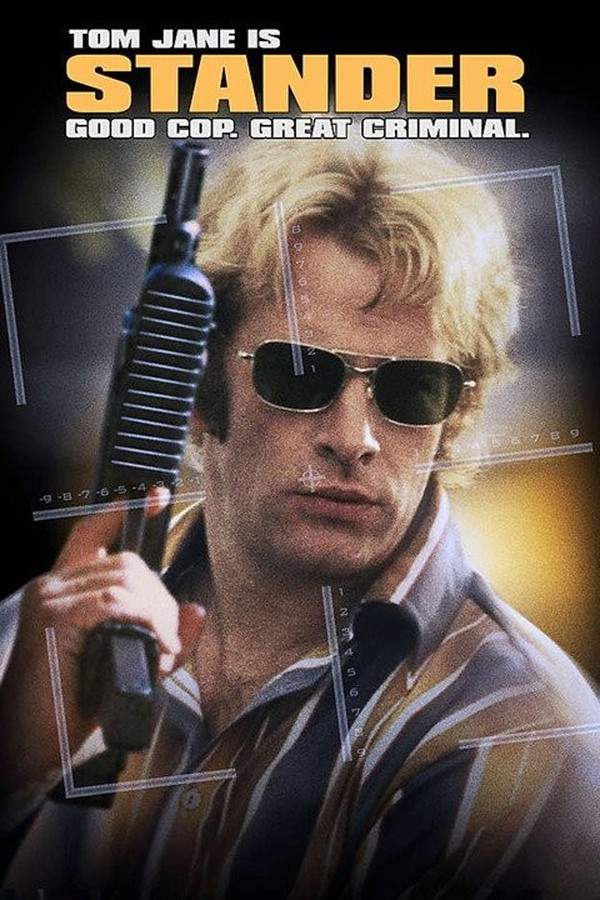
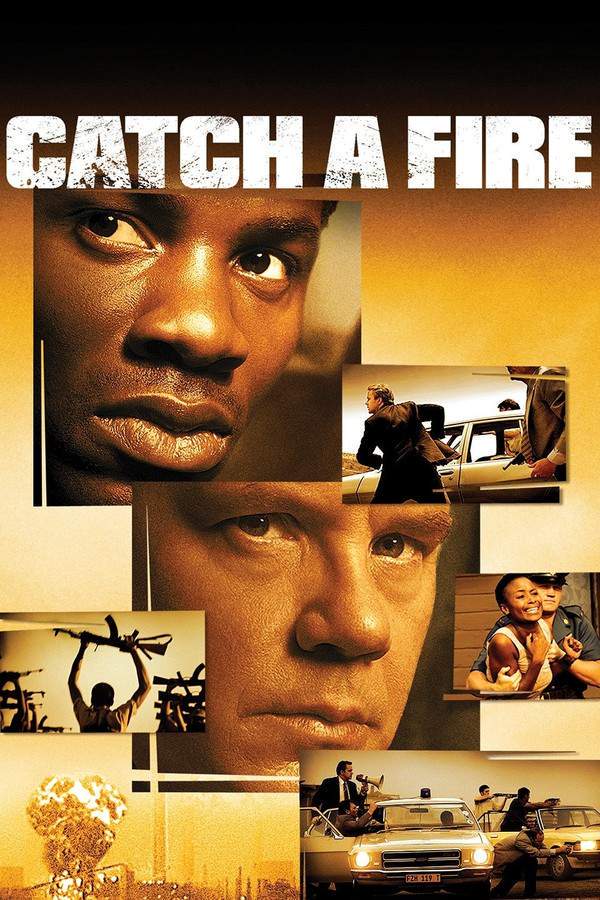
In apartheid-era South Africa, André Stander is a police officer newly married and earning a reputation as the youngest captain on the force. He and his partner are sent to riot duty after the Soweto uprising, and during a chaotic clash in Tembisa, Stander shoots a young, unarmed protester. The act unsettles him and seeds a growing disillusionment with the regime he serves. On a routine lunch break, he makes a impulsive choice to walk into a bank and rob it, and the thrill of that rush hooks him. This moment marks the beginning of a dangerous spree, one that sometimes uses his badge to help him escape and even allows him to carry out robberies while still in official capacity.
As the heist fever spreads, the police tighten the net under none other than Cor Van Deventer, who leads a task force determined to bring down the new bank robber. Stander is ultimately exposed, stripped of his position, and sentenced to 32 years in prison. Behind bars, he befriends two other inmates, Lee McCall and Allan Heyl, and the trio quickly forms a tight bond, imagining a future where they will protect each other once free.
After more than a year, Stander and McCall stage a daring escape during a staged rugby match, luring guards and snatching weapons in the infirmary. They return for Heyl and reinvent themselves with new identities, resuming their criminal career by robbing banks, purchasing a costly safehouse, and even cruising in a bright yellow Porsche 911 Targa. The exploits grow bolder, but so does the risk, as the Stander Gang becomes a conspicuous target for the police, led by the relentless pursuit that began the moment their crimes escalated.
A pivotal bank robbery leaves a woman wounded and an eyewitness able to identify the gang, while McCall’s erratic money drops and a spree of gunfire draw a citywide chase. Stander dreams of exiting for good, proposing an audacious plan to hit the airport’s exchange office and depart South Africa using disguises and flight timetables. Yet before the day arrives, Stander returns to Tembisa to make peace with the father of the protester he killed, only to be beaten by him. McCall’s frustration over Stander’s absence boils over, and Heyl sums up the mood with a rueful line: >Even when he's wrong, he's right.
In 1984, the gang begins to execute the exit strategy. Stander travels to Cape Town to buy a boat, while Heyl contemplates a departure to Greece. McCall’s path is cut short when police surround the safehouse. As Stander hurries to the aid of his friends, Heyl recaps a bitter story about his relationship with a Black woman, underscoring the personal toll of their rebellion against the system. McCall makes a final stand, grabbing two pistols and opening fire as police close in, and he’s shot dead. Stander and Heyl manage to escape in separate directions, continuing to flee South Africa, with Stander eventually being tracked to a flight out of the country.
At last, Stander reaches Fort Lauderdale, Florida, where the urge to act again proves fatal. He hotwires a Mercury Cougar, runs a red light, and after a brief, tense stand-off with a police officer, he is shot by the officer and dies, bringing the chase to a tragic close.