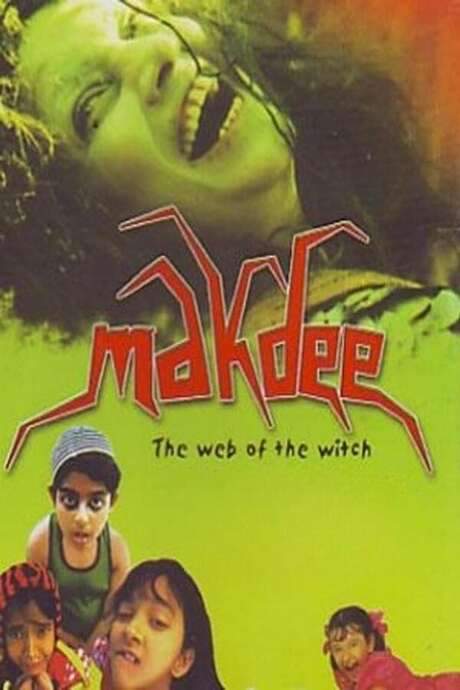
Life in the village centers on Chunni / Munni, a cheerful mischief-maker who delights in fooling the locals—even her own parents—with playful impersonations of her twin sister. The town’s peace feels timeless, and evenings drift by with simple joys, until whispers of a nearby mansion stir curiosity and fear. The place is said to be haunted by a witch named Makdee, and the legend goes that anyone who wanders inside emerges changed, sometimes transformed into an animal. The streets grow quiet at the thought, and no one dares to test the tale.
Trouble begins when Chunni’s pranks push too far, drawing a sharp line between humor and danger. Chunni, her sister Munni, and their friend Mughal-e-azam find themselves at odds with the village butcher, Kallu. In a moment of rage, Kallu chases Munni to the mansion, mistaking Munni for Chunni and forcing a dangerous turn of events. Munni slips into the mansion, and the girl who seems so gentle is suddenly missing. Chunni panics, but the village’s doubt about her credibility is a heavy weight; no one believes the distraught girl, and she musters her courage to enter the haunted place alone to find Munni.
Inside the creaky halls, she confronts the supposed witch and pleads for Munni’s return, arguing it was never Munni’s fault. Makdee proposes a grim bargain: she will turn Munni back into a human only if Chunni can bring her a hundred hens. The stakes are enormous, and Chunni’s resolve hardens into a true test of wits and bravery. The situation thickens when Chunni’s schoolmaster visits the mansion, and a small puppy slips out as if to prove the supernatural tale. Mughal-e-azam recognizes the canine as his long-lost pet, a revelation that exposes the entire setup as a cunning ruse. Makdee isn’t a real witch at all—she’s a conwoman, cunningly trapping people and searching for a hidden village treasure. She is aided by two policemen who play along with her plans.
As the truth comes to light, Chunni discovers the treasure the conwoman is chasing is central to her scheme, and Makdee activates a trap to seize it—and to flee the village with the people she has captured. The moment of reckoning arrives when Kallu enters the mansion in a bid to rescue the children and put an end to the con’s operation. A tense confrontation unfolds: the children and other villagers rise against the police who have been complicit, turning the tide in their favor. Chunni steps into the fray, using wit and the very trap she once endured to outsmart Makdee. The conwoman is ensnared in a reversal of her own game, falling into a trap of her design and beaten by the children she underestimated.
With Makdee defeated, everyone who had been locked up is freed, and the village begins to see Chunni as a genuine hero. The quiet girl who once relied on misdirection learns that courage, community, and truth can stand up to fear, turning a series of dangerous games into a story of collective resilience. The town finds a new sense of hope in Chunni’s courage, and the tale of the haunted mansion becomes a legend not of fear, but of ingenuity, solidarity, and vindication for the girl who refused to back down.