Plot Explained Spoilers guaranteed!
Plot Explained

Browse by genre

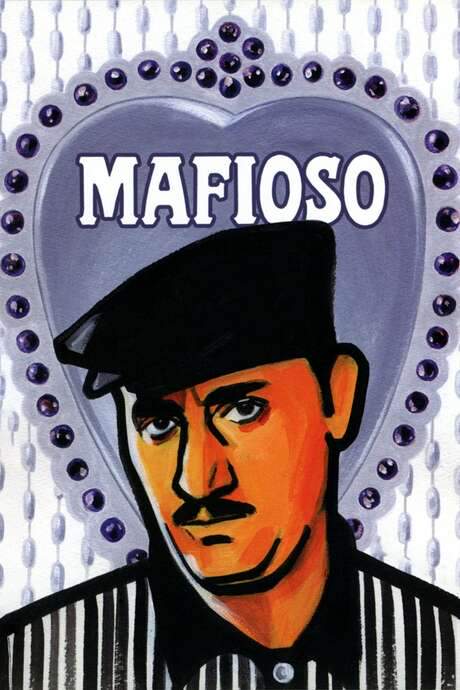
Mafioso (1962) movie poster

Characters & Themes

Mafioso (1962) Characters, Setting & Themes Explained

Release, runtime and language
1962 · 105 mins · Italian
Loading streaming availability…
Directed by
Alberto Lattuada
Starring
Alberto Sordi, Hugh Hurd, Norma Bengell, Gabriella Conti, Ugo Attanasio, Cinzia Bruno

A good‑natured factory supervisor living in Milan with his Northern wife returns to his native Sicily for a holiday, only to be reminded of an ancient oath. The silent codes of the Honored Society pull him back into a world of ruthless mafia loyalty, where his smile can turn savage as he confronts a nightmarish obligation.

On this page (8)
  1. 1 Where to watch
  2. 2 Characters explained (3)
  3. 3 Where & when it takes place
  4. 4 Themes & meaning (3)
  5. 5 Character & meaning questions
  6. 6 Movie threads
  7. 7 Movies like Mafioso
  8. 8 Every angle
Loading streaming availability…

3 main characters · contains spoilers

Mafioso Characters Explained: Who Is Who

The main characters of Mafioso (1962), heroes and villains: what drives them, how they change over the course of the story and what each of them reveals about the film's bigger ideas.

  • Antonio Badalamenti (Alberto Sordi)

    A Sicilian by birth who has long settled in Milan, Antonio is a practical, loyal family man who works at a car factory. Although he appears solid and capable, he is drawn into crime by the don’s machinations, exposing a conflicted conscience as he negotiates two worlds. He navigates being an insider in his wife’s world and an outsider in his homeland’s criminal ecosystem. His skill as a precise shot makes him a valuable tool for the mob, yet he longs for a quieter life.

    • 🧭 Identity
    • 🕊️ Moral conflict
    • 🗡️ Crime
  • Marta (Norma Bengell)

    Antonio’s blond, northern-Italian wife, she struggles to adapt to the rustic rhythms of Sicily. Her outsider status in the old country highlights cultural clashes and gender expectations. She remains a domestic center of the story, whose comfort and security are tested by unfamiliar customs but enduring affection for Antonio.

    • 🧭 Outsider
    • 🎭 Gender roles
    • 💕 Family
  • Don Vincenzo (Ugo Attanasio)

    The local mafia don who smooths over problems for a price and assigns Antonio the hit. He embodies the police of fear and leverage within the criminal underworld, representing both authority and manipulation. His control drives the plot’s tension and the moral stakes for Antonio.

    • 💼 Crime Boss
    • 🕳️ Power dynamics
    • ⚖️ Coercion

Last updated: March 05, 2026 at 18:23

Was this helpful?

Setting

Where and When Does Mafioso Take Place?

The setting of Mafioso (1962): the year and time period, the places and locations, and how they shape the characters, the mood and the tension of the story.

Time period

1960s

Mafioso is set in the early 1960s, a period of rapid modernization in Italy. The narrative juxtaposes the postwar industrial growth of the North with the enduring customs of rural Sicily, and even includes an interstate, and transatlantic, trip to the United States for a criminal operation. The time frame helps contrast traditional loyalties with the temptations and risks of a modern, global crime world.

Location

Milan, Sicily, New York City

The story shifts between Milan's industrial north and the rustic villages of Sicily, highlighting the contrast between modern factory life and traditional provincial living. The action also briefly travels to New York City for the mob assignment, underscoring the international reach of crime depicted in the film. The settings are used to explore family and cultural expectations across different Italian and American landscapes.

  • 🗺️ Milan
  • 🗺️ Sicily
  • 🗽 New York City

Last updated: March 05, 2026 at 18:23

Was this helpful?

3 major themes

Mafioso Meaning: Themes & Message Explained

What is Mafioso (1962) really about? The emotional, social and philosophical themes the film keeps returning to, its symbolism and the message beneath the surface.

  • Identity

    Antonio must reconcile his Sicilian roots with his life in Northern Italy, revealing how identity is shaped by place and family ties. He navigates being an insider in his wife’s world and an outsider in his homeland’s criminal ecosystem. The tension between belonging and conformity drives his choices and inner conflict.

  • Morality

    The mob assignment forces Antonio to perform violence far from home, testing his conscience and sense of right and wrong. The promise of a stable life at the factory clashes with the coercive lure of criminal obligation. His struggle shows how loyalty, fear, and pragmatism collide when personal ethics are bent by criminal necessity.

  • Tradition vs Modernity

    The film juxtaposes rural Sicilian traditions with the modern, industrial North, and an isolated, transatlantic crime plot that expands the world beyond intimate kinship. Antonio’s comfortable routine at the Milan factory is disrupted by a return to old country codes and family honor. This tension underlines how modernization can erode or reframe traditional loyalties.

Last updated: March 05, 2026 at 18:23

Was this helpful?

Character & theme questions

Mafioso Characters & Meaning: Your Questions Answered

The questions people ask about Mafioso (1962): who the characters really are, their relationships, what the symbols mean, where it takes place and what the movie is really about. Each answer contains spoilers.

Q1

Where is the movie set?

Mafioso is set across three main locations: Milan in Italy's industrial north, the rustic villages of Sicily, and briefly in New York City for a mob assignment. The story begins in Milan where Antonio works at a car factory, then travels to his native Sicily for a holiday, and finally to New York for the criminal operation.

  • setting
  • milan
  • sicily
  • new york
  • locations
Q2

What time period does the film take place in?

The movie is set in the early 1960s, during a period of rapid modernization in postwar Italy. This era is significant because it contrasts the industrial growth of Northern Italy with the enduring customs of rural Sicily.

  • 1960s
  • time period
  • era
  • setting
Q3

What are the main themes of the film?

The film explores three major themes: identity, as Antonio navigates between his Sicilian roots and his life in Northern Italy; morality, as he grapples with the conflict between his family life and criminal obligations; and tradition versus modernity, contrasting rural Sicilian customs with industrial Milanese life.

  • themes
  • identity
  • morality
  • tradition
  • modernity
Q4

Who is Antonio Badalamenti?

Antonio Badalamenti is the protagonist, a Sicilian-born factory supervisor living in Milan with his Northern Italian wife. He appears to be a practical, loyal family man, but is pulled back into the mafia world when he returns to Sicily, where his skills as a precise shot make him a valuable tool for the criminal organization.

  • antonio badalamenti
  • protagonist
  • main character
Q5

Who is Marta and what is her role in the story?

Marta is Antonio's blond, northern-Italian wife who accompanies him to Sicily. She struggles to adapt to the rustic rhythms of her husband's homeland, highlighting the cultural clash between modern Northern Italy and traditional Sicilian life. Her outsider status emphasizes the film's themes of belonging and cultural tension.

  • marta
  • wife
  • character
  • culture clash
Q6

Who is Don Vincenzo?

Don Vincenzo is the local mafia don who controls the criminal underworld in Antonio's Sicilian hometown. He assigns Antonio the assassination hit and embodies the system's use of fear and leverage. His manipulation drives the plot's tension and forces Antonio into a moral dilemma.

  • don vincenzo
  • mafia don
  • antagonist
  • crime boss
Q7

What does the film say about tradition versus modernity?

The film juxtaposes rural Sicilian traditions with modern industrial life in Northern Italy. Antonio's comfortable routine in Milan is disrupted when he returns to Sicily and its old-country codes of honor. This tension illustrates how modernization can both erode and reframe traditional loyalties, especially when criminal obligations are involved.

  • tradition
  • modernity
  • sicily
  • milan
  • cultural conflict
Q8

How does the film explore identity and belonging?

Antonio must reconcile his Sicilian heritage with his established life in Milan, revealing how identity is shaped by place and family ties. He exists as an insider in his wife's world but becomes an outsider when confronting his homeland's criminal ecosystem, creating ongoing inner conflict about where he truly belongs.

  • identity
  • belonging
  • roots
  • sicilian heritage
Q9

What does the film say about morality and loyalty?

The film portrays how loyalty, fear, and pragmatism collide when personal ethics are bent by criminal necessity. Antonio's desire for a stable family life at the factory clashes with the coercive lure of mafia obligation, forcing him to perform violence far from home and test his conscience.

  • morality
  • loyalty
  • ethics
  • crime
  • obligation
Q10

How do Milan and Sicily differ in the film?

Milan represents industrial modernity, comfort, and Antonio's chosen life, while Sicily represents tradition, family roots, and the inescapable criminal past. The settings are used to explore family and cultural expectations across different Italian landscapes, with Milan offering a escape from Sicilian codes while Sicily pulls him back in.

  • milan
  • sicily
  • contrast
  • settings
  • italy
Q11

What is the significance of New York City in the story?

New York City represents the international reach of organized crime beyond the intimate kinship networks of Sicily. The brief trip to New York for the mob assignment underscores how criminal operations have expanded into a global context, extending the stakes beyond local family ties.

  • new york
  • international
  • crime
  • transatlantic
Q12

What is the tone of the film?

The film begins with comedic and whimsical elements, particularly in the culture clash experienced by Antonio's Northern wife. However, it steadily shifts toward a dark, tense atmosphere as his mafia obligation takes over, creating a bittersweet tone that blends surface-level resolution with deep internal psychological conflict.

  • tone
  • mood
  • comedy
  • drama
  • atmosphere

Movie threads

More Movies Like Mafioso, by Mood & Story

Curated lists built around what makes Mafioso tick: the same mood, the same kind of story or the same emotional payoff. Each list explains why these movies belong together.

Movies about a dark obligation like Mafioso

Ordinary lives unravel as characters are pulled into inescapable moral compromises. If you liked watching Antonio's life become ensnared by the mafia in Mafioso, you'll appreciate these films about characters pulled from normality into a world of moral compromise and inescapable tradition.

  • tense
  • unsettling
  • obligated
  • claustrophobic
  • moral dilemma
  • psychological
  • Tone: bittersweet, tense, melancholic
  • Pacing: steady, deliberate build
Why these movies?

The story pattern: Narratives in this thread typically begin in a state of normalcy or innocence, often with a journey back to a place of origin. An old code, debt, or obligation re-emerges, forcing the protagonist to perform a morally reprehensible act. The pacing is steady, building tension as the protagonist is cornered, culminating in an action that forever changes them, leading to a bittersweet or melancholic resolution.

Why they belong together: These movies are grouped by their shared focus on the conflict between modern identity and archaic loyalty. They share a bittersweet tone, medium intensity, and a steady pacing that allows the dread of the obligation to build gradually, creating a powerful sense of claustrophobia and psychological unease.


Movies with a tense homecoming like Mafioso

A return to roots reveals dark secrets and forces a confrontation with the past. Fans of Mafioso's story of a family visit that turns sinister will enjoy these films about characters whose return home uncovers dark secrets and forces them to confront the oppressive weight of tradition.

  • nostalgic
  • claustrophobic
  • tense
  • unsettling
  • identity crisis
  • family secrets
  • Tone: bittersweet, nostalgic, tense
  • Pacing: steady, character-driven
Why these movies?

The story pattern: The narrative follows a protagonist, often accompanied by an outsider (like a partner), who journeys back to their childhood home or community. Initially filled with warmth and nostalgia, the visit soon unveils the oppressive rules and unspoken codes that govern the place. The protagonist is pressured to conform, leading to a crisis of identity as they are caught between their new life and the pull of tradition.

Why they belong together: This thread groups films that masterfully use the 'fish out of water' and 'tradition vs. modernity' themes. They share a bittersweet emotional core, a steady build from light to dark, and a palpable sense of claustrophobia as the protagonist feels trapped by the very place they once called home.

If you liked this

Movies Like Mafioso

Similar movies to Mafioso: the same genre, themes or kind of story. Each one comes with its own plot summary, timeline and ending explained.

Browse all movie summaries

Every angle

Mafioso (1962) Explained: Plot, Timeline & Characters

Everything about Mafioso in one place: what happens in the plot summary, the timeline in chronological order, the characters and meaning and a spoiler-free summary. What's After the Movie adds the cast, box office and post-credit scenes.

Coming soon on iOS and Android

The Plot Explained Movie Summary App

Plot summaries, endings explained and timelines on your phone. Catch up on any movie in minutes, save your favorites and never miss a twist again.

Be the first to know when we launch. Your email stays private, always.

Learn more about the app