Plot Explained Spoilers guaranteed!
Plot Explained

Browse by genre

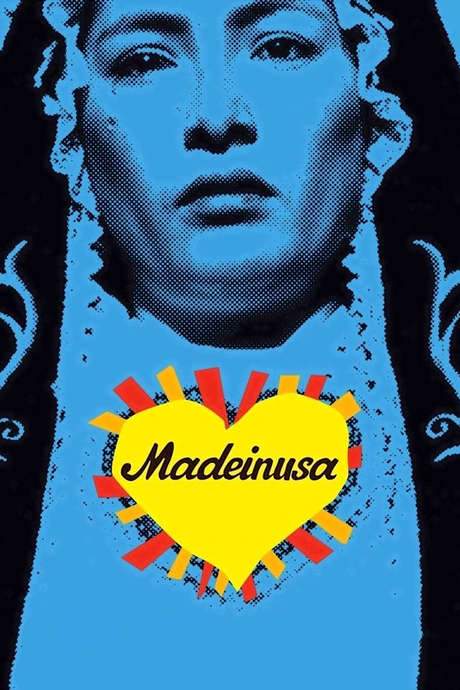
Madeinusa (2006) movie poster

Timeline

Madeinusa (2006) Timeline Explained – Every Event in Order

Release, runtime and language
2006 · 100 mins · Spanish
Loading streaming availability…
Directed by
Claudia Llosa
Starring
Magaly Solier, Juan Ubaldo Huaman, Yiliana Chong, Melvin Quijada, Carlos J. de la Torre, Vicento Llauca Trejo

Madeinusa follows a young woman in an isolated Andean village in Peru, where intense religious devotion governs daily life. From 3 p.m. on Good Friday until Easter Sunday, the community lifts all moral and legal restraints, allowing residents to act without consequence. The film shows how this brief freedom affects Madeinusa and her world.

On this page (6)
  1. 1 Where to watch
  2. 2 Events in order (12)
  3. 3 Timeline questions answered
  4. 4 Movie threads
  5. 5 Movies like Madeinusa
  6. 6 Every angle
Loading streaming availability…

12 events in order · contains spoilers

Madeinusa Timeline: Events in Chronological Order

Every key event of Madeinusa (2006) in order, scene by scene, with when and where it takes place. Use it to untangle flashbacks, time jumps and parallel storylines, to refresh your memory before the sequel or to find the exact scene you are thinking of.

  1. Salvador arrives in Manayaycuna for Tiempo Santo

    Salvador arrives in the isolated Peruvian village of Manayaycuna, sent by a mining company to evaluate the geology and to remain over the weekend. The festival of Tiempo Santo frames his entry, and the villagers greet him with guarded suspicion as they begin the rites.

    When
    Friday, start of Tiempo Santo weekend
    Where
    Manayaycuna
  2. Salvador sequestered in Cayo's barn

    The mayor, Cayo, confines Salvador to a barn, effectively imprisoning the outsider until travel can be arranged. The act reflects the town's control over him during the sacred weekend, even as tension rises around the festival.

    When
    Friday, early
    Where
    Cayo's barn, Manayaycuna
  3. Madeinusa is chosen Mater Dolorosa

    Madeinusa is designated as Mater Dolorosa, a central festival honor that heightens her status within the community. The designation also deepens jealousy in her sister Chale and foreshadows the disruptive desires the weekend will unleash.

    When
    Friday evening
    Where
    Festival site, Manayaycuna
  4. Private talk in the barn

    In the family barn, Madeinusa speaks with Salvador about her dreams of Lima and her plan to test the festival's boundaries during Holy Time. Their conversation sets up the personal stakes behind the forthcoming encounter.

    When
    Friday night
    Where
    Family barn, Manayaycuna
  5. The night march begins

    The village embarks on the nighttime march as part of Tiempo Santo, a ritual that threads the community's faith with superstition. The crowd's movement creates a charged backdrop for the weekend's private acts.

    When
    Friday night
    Where
    Village streets, Manayaycuna
  6. Madeinusa loses her virginity to Salvador

    During the night march, Madeinusa gives in to Salvador and loses her virginity, a public breaching of the sacred season's norms. The act becomes a focal point for the village's judgment and for Salvador's precarious position.

    When
    Friday night
    Where
    Along the march route, Manayaycuna
  7. Cayo discovers and intimidates Salvador

    Cayo discovers the intimate act and confronts Salvador, using intimidation to assert his authority over the outsider. The confrontation underscores the town's ruthless control during Holy Time.

    When
    Shortly after the act
    Where
    Cayo's vicinity, Manayaycuna
  8. Salvador watches through a wall crack

    Salvador watches through a crack in the wall as Cayo has sex with Madeinusa, a voyeuristic moment that reveals power dynamics and the community's complicity in the festival's moral inversions. The scene deepens the film's sense of surveillance and hypocrisy.

    When
    Later that night
    Where
    House with a wall crack, Manayaycuna
  9. Madeinusa pleads to go to Lima

    After the encounters, Madeinusa pleads with Salvador to take her to Lima, expressing a longing to escape the village's constraints. The plea intensifies the tension between desire, duty, and the festival's expectations.

    When
    Late night
    Where
    Indoor setting, Manayaycuna
  10. Holy Time: God is dead, nothing is sin

    During Tiempo Santo, the villagers embrace the belief that God is dead and that nothing is a sin. This inverted morality creates an atmosphere where violent and dangerous acts are more easily excused. The setting amplifies the characters' capacity for wrongdoing.

    When
    Tiempo Santo (Good Friday to Easter Sunday)
    Where
    Manayaycuna
  11. Madeinusa poisons her father

    In a drastic turn of events, Madeinusa poisons her father, Cayo, by slipping rat poison into his soup. The act devastates the family and reinforces the sense that the festival's chaotic moral code has real consequences.

    When
    End of the weekend
    Where
    Cayo's kitchen, Manayaycuna
  12. Blame shifts to Salvador; final image

    The sisters place the blame on Salvador for the weekend's disruptive acts, while Madeinusa sits in Salvador's imagined seat on the truck back to Lima. The final moment hints that Salvador's fate is sealed—either killed or imprisoned by the villagers.

    When
    Departure time, end of festival
    Where
    Village and truck to Lima

Last updated: October 09, 2025 at 16:45

Was this helpful?

Timeline questions answered

Madeinusa Timeline Explained: Your Questions Answered

When does it happen, and why in that order? The questions people ask about the chronology of Madeinusa (2006): time jumps, flashbacks, cause and effect between scenes and the correct order of events, each answered with spoilers.

Q1

Why do the villagers believe nothing is a sin during Tiempo Santo?

During Tiempo Santo, the villagers follow a syncretic belief that God is dead, symbolized by the effigy of Christ. Because God is considered absent, they interpret this as a suspension of moral and legal restraints. This theological concept gives residents permission to commit acts they would normally avoid, creating a dangerous atmosphere where violence, abuse, and transgression become spiritually permissible.

Foreshadowing: The villagers' belief is introduced early when Salvador arrives, setting up the moral inversion that enables later events.

  • tiempo santo
  • good friday
  • easter
  • peruvian festival
  • moral suspension
Q2

Why does Madeinusa want to lose her virginity during Holy Time?

Madeinusa has been resisting her father Cayo's sexual advances for years, promising him she will relent 'during Holy Time' as a way to delay him. She uses the festival's belief that nothing is a sin to finally end this pressure, by losing her virginity to someone else during Tiempo Santo, she technically keeps her promise to Cayo while denying him what he wants.

Foreshadowing: Early in the film, Madeinusa tells Salvador she plans to test the limits of Holy Time, revealing her calculated strategy.

  • madeinusa
  • virginity
  • cayo
  • holy time
  • father's abuse
Q3

Why does Cayo keep Salvador locked in the barn?

Cayo, as mayor and the town's authority figure, traps Salvador in the barn to control the outsider during the sacred weekend. The villagers view Salvador with suspicion as an outsider from Lima, and Cayo uses the festival's rules to effectively imprison him until travel becomes possible. This confinement also keeps Salvador away from Madeinusa, as Cayo has his own intentions toward his daughter.

Foreshadowing: Cayo's immediate sequestration of Salvador establishes his control over both outsiders and his own family.

  • cayo
  • salvador
  • barn
  • imprisonment
  • mayor
Q4

Why does Madeinusa pick Salvador to lose her virginity to?

Madeinusa chooses Salvador because he is an outsider who will leave the village after the weekend. She needs someone who can take her to Lima, her ultimate goal, but more immediately, she needs someone whose identity as an outsider means the act won't create complicated social consequences within the village. Salvador represents both escape and plausible deniability.

Foreshadowing: Their conversation in the barn reveals Madeinusa's dreams of Lima and her willingness to use the festival for her own purposes.

  • madeinusa
  • salvador
  • virginity
  • lima
  • escape
Q5

Why does Cayo confront Salvador after discovering the sexual encounter?

When Cayo learns Madeinusa lost her virginity to Salvador, he confronts the outsider not out of moral outrage but because Salvador has interfered with Cayo's own plans. Cayo uses intimidation to assert his authority and warn Salvador away, though he stops short of physical violence. The confrontation reveals Cayo's hypocrisy, he enforces village rules while pursuing his own incestuous intent.

Foreshadowing: Cayo's reaction directly contrasts with his own actions, exposing the town's moral corruption.

  • cayo
  • salvador
  • confrontation
  • intimidation
  • hypocrisy
Q6

What does Madeinusa see when watching through the wall crack?

Salvador witnesses Cayo having sex with Madeinusa through a crack in the wall, a scene that exposes the incestuous relationship between the father and daughter. This voyeuristic moment reveals why Madeinusa has been desperate to escape and clarifies Cayo's true intentions toward his own daughter, making his earlier threats toward Salvador more sinister.

Foreshadowing: The scene confirms Cayo's predatory behavior that has driven Madeinusa's desperation throughout the film.

  • cayo
  • madeinusa
  • incest
  • wall
  • sexual abuse
Q7

Why does Madeinusa poison her father with rat poison?

Madeinusa poisons her father because she sees no other way to escape his abuse and the village's oppressive control. After witnessing Cayo's sexual act and realizing Salvador cannot or will not protect her, Madeinusa takes drastic action. The poisoning occurs at the weekend's end whenTiempo Santo's moral suspension still offers plausible cover, she uses the festival's logic that nothing is a sin to justify patricide as her only escape route.

Foreshadowing: The buildup of Cayo's abuse and Madeinusa's desperation throughout the film makes this tragic act feel inevitable.

  • madeinusa
  • cayo
  • rat poison
  • patricide
  • escape
Q8

What happens to Salvador at the end of the film?

Salvador's fate is left ambiguous but strongly implied to be violent. The sisters blame Salvador for the weekend's disruptions, and the final shot shows Madeinusa sitting in what would have been Salvador's seat on the truck to Lima. This suggests the villagers have killed or imprisoned Salvador, taking their revenge out for an outsider who disrupted their community and became a scapegoat for the family's destruction.

Foreshadowing: The villagers' hostility toward Salvador and the town's need for someone to blame sets up his grim fate.

  • salvador
  • death
  • ending
  • truck
  • lima
  • blamed
Q9

Why do the sisters blame Salvador for everything that happened?

Chale and Madeinusa blame Salvador because they need a scapegoat for the chaos that destroyed their family. Salvador is an outsider from Lima who entered their community during the sacred weekend and became involved in the family's darkest secrets. By placing blame on him, the sisters protect themselves from the villagers' judgment and redirect anger away from Madeinusa's act of patricide.

Foreshadowing: The sisters' quick agreement to blame Salvador reveals their survival instinct and the community's tendency to target outsiders.

  • chale
  • salvador
  • blame
  • sisters
  • scapegoat
Q10

Why is Madeinusa chosen as Mater Dolorosa and what does it mean?

Madeinusa is designated as Mater Dolorosa, the Sorrowful Mother, at the festival, a position of religious honor traditionally held by a respected woman in the community. This choice is significant because it places Madeinusa in a sacred role representing purity and suffering while she is simultaneously dealing with the pressure of her father's abuse and her own sexual desires. The designation also fuels her sister Chale's jealousy, adding family conflict to the festival's tensions.

Foreshadowing: The honor bestowed on Madeinusa contrasts sharply with the impurity and trauma she actually experiences.

  • mater dolorosa
  • festival
  • honor
  • chele
  • religious role
Q11

What does the final image of Madeinusa in the truck seat represent?

The final image shows Madeinusa sitting in Salvador's intended seat on the truck heading to Lima, symbolizing that she has successfully escaped, but at a terrible cost. By poisoning her father and letting Salvador take the blame, Madeinusa achieves her dream of leaving for Lima, yet she has become complicit in murder. The empty seat represents both her victory and her corruption, she has escaped one form of imprisonment only to be trapped by guilt and complicity.

Foreshadowing: Madeinusa's repeated dreams of Lima throughout the film make this ending bittersweet rather than triumphant.

  • madeinusa
  • lima
  • truck
  • ending
  • escape
  • seat

Movie threads

More Movies Like Madeinusa, by Mood & Story

Curated lists built around what makes Madeinusa tick: the same mood, the same kind of story or the same emotional payoff. Each list explains why these movies belong together.

Rituals of Impunity and Moral Collapse in movies like Madeinusa

Stories where sacred traditions grant temporary freedom from all moral consequences. Discover movies like Madeinusa that delve into stories of isolated communities and sacred festivals where moral laws are temporarily suspended. If you were fascinated by the dark consequences of the 'Tiempo Santo' ritual, these films explore similar themes of transgression, power, and societal breakdown within closed cultural settings.

  • ritualistic
  • unsettling
  • oppressive
  • transgressive
  • grim
  • claustrophobic
  • Tone: dark, unsettling
  • Pacing: steady, methodical
Why these movies?

The story pattern: The narrative pattern involves a closed society with a unique custom that allows for lawlessness, often under a religious guise. An outsider or a young protagonist within the community becomes a catalyst or witness as suppressed desires and conflicts erupt, leading to irreversible acts of violence and a shattered status quo.

Why they belong together: These movies are grouped by their central premise of ritualized moral suspension, creating a high-tension environment where dark human impulses are unleashed. They share a grim tone, heavy emotional weight, and a focus on how tradition can mask and enable profound abuse and corruption.

Dark coming of age stories in isolated settings like Madeinusa

A young person's awakening unfolds within a sinister and closed-off society. If you liked the story of Madeinusa's harrowing awakening in a remote village, explore more movies about young protagonists coming of age within oppressive, closed communities. These films share a claustrophobic atmosphere, heavy themes, and a bleak perspective on innocence lost.

  • oppressive
  • claustrophobic
  • grim
  • somber
  • unsettling
  • dark
  • Tone: bleak, oppressive
  • Pacing: steady, character-driven
Why these movies?

The story pattern: The narrative follows a young individual, often a woman, in a tightly controlled environment. Their dawning awareness of the world's darkness—frequently tied to sexual awakening—clashes with the community's corrupt or abusive power structures. The climax typically involves a desperate, violent act to break free, resulting in a morally complex and bleak resolution.

Why they belong together: These films share a powerful combination of a 'coming of age' arc with a deeply oppressive and unsettling setting. The similarity stems from the claustrophobic mood, the high emotional intensity of the protagonist's ordeal, and the grim tone that defines their tragic journey into adulthood.

If you liked this

Movies Like Madeinusa

Similar movies to Madeinusa: the same genre, themes or kind of story. Each one comes with its own plot summary, timeline and ending explained.

Browse all movie summaries

Every angle

Madeinusa (2006) Explained: Plot, Timeline & Characters

Everything about Madeinusa in one place: what happens in the plot summary, the timeline in chronological order, the characters and meaning and a spoiler-free summary. What's After the Movie adds the cast, box office and post-credit scenes.

Coming soon on iOS and Android

The Plot Explained Movie Summary App

Plot summaries, endings explained and timelines on your phone. Catch up on any movie in minutes, save your favorites and never miss a twist again.

Be the first to know when we launch. Your email stays private, always.

Learn more about the app