Plot Explained Spoilers guaranteed!
Plot Explained

Browse by genre

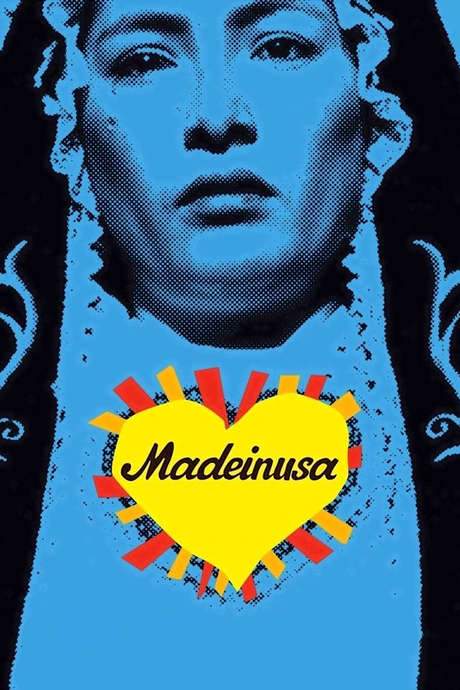
Madeinusa (2006) movie poster

Characters & Themes

Madeinusa (2006) Characters, Setting & Themes Explained

Release, runtime and language
2006 · 100 mins · Spanish
Loading streaming availability…
Directed by
Claudia Llosa
Starring
Magaly Solier, Juan Ubaldo Huaman, Yiliana Chong, Melvin Quijada, Carlos J. de la Torre, Vicento Llauca Trejo

Madeinusa follows a young woman in an isolated Andean village in Peru, where intense religious devotion governs daily life. From 3 p.m. on Good Friday until Easter Sunday, the community lifts all moral and legal restraints, allowing residents to act without consequence. The film shows how this brief freedom affects Madeinusa and her world.

On this page (8)
  1. 1 Where to watch
  2. 2 Characters explained (4)
  3. 3 Where & when it takes place
  4. 4 Themes & meaning (3)
  5. 5 Character & meaning questions
  6. 6 Movie threads
  7. 7 Movies like Madeinusa
  8. 8 Every angle
Loading streaming availability…

4 main characters · contains spoilers

Madeinusa Characters Explained: Who Is Who

The main characters of Madeinusa (2006), heroes and villains: what drives them, how they change over the course of the story and what each of them reveals about the film's bigger ideas.

  • Madeinusa (Magaly Solier)

    A teenage girl constrained by patriarchal expectations who yearns to leave Manayaycuna for Lima. She is chosen as Mater Dolorosa during Tiempo Santo, a role that intensifies attention on her and tests her desires. Her interactions with Salvador reveal a mix of curiosity, resilience, and risk as she navigates power, longing, and danger.

    • 🎭 Protagonist
    • 🧭 Escape
    • 💃 Desire
  • Cayo (Juan Ubaldo Huaman)

    The village mayor and paternal figure who wields controlling authority. He polices outsiders and family behavior, enforces traditional norms, and uses intimidation to maintain order. His actions illuminate the harsh patriarchal codes governing the community.

    • 🏛️ Authority
    • 👁️ Surveillance
    • ⚖️ Patriarchy
  • Salvador (Carlos J. de la Torre)

    A mining company representative arriving as a stranger during Tiempo Santo to assess the area. He is sequestered in a barn, becoming a focal point for desire, suspicion, and blame within the village’s ritual world. His outsider status intensifies the clash between tradition and intrusion.

    • 🧭 Outsider
    • 🧪 Stranger
    • ⚖️ Target
  • Chale (Yiliana Chong)

    Madeinusa’s sister, who resents her sister’s spotlight and the attention it brings. She embodies the tension within the family and provides a female perspective on the town’s strict codes, offering a counterpoint to Madeinusa’s ambitions.

    • 👧 Sister
    • 🧭 Perspective
    • 🎭 Family dynamics

Last updated: October 03, 2025 at 14:22

Was this helpful?

Setting

Where and When Does Madeinusa Take Place?

The setting of Madeinusa (2006): the year and time period, the places and locations, and how they shape the characters, the mood and the tension of the story.

Time period

Tiempo Santo (Good Friday to Easter Sunday)

The action unfolds over a Holy Week weekend in the Andean village. Tiempo Santo blends Catholic rituals with local beliefs, creating a window when conventional rules feel suspended. The community treats the period as a testing ground for desires, loyalties, and transgressions. The compact three-day span amplifies tensions and the consequences of each choice.

Location

Manayaycuna

Manayaycuna is a remote indigenous village high in the Peruvian Andes, cut off from outside travel and bound by tradition. The community bands together during Tiempo Santo, a festival that turns daily life into a liminal space where rules are tested. Its rugged landscape and close-knit social fabric shape every action, from gossip to punishment. The arrival of a stranger during this period unsettles the town’s careful balance.

  • 🏔️ Isolated
  • ❄️ Indigenous
  • 🏡 Village

Last updated: October 03, 2025 at 14:22

Was this helpful?

3 major themes

Madeinusa Meaning: Themes & Message Explained

What is Madeinusa (2006) really about? The emotional, social and philosophical themes the film keeps returning to, its symbolism and the message beneath the surface.

  • Transgression

    Desire, secrecy, and crossing social boundaries drive the plot. Madeinusa’s longing to escape confronts the village’s strict moral codes during the festival. Power dynamics, gender roles, and ritual expectations shape who can act, who is blamed, and who escapes scrutiny. The narrative links private longing to public judgment and consequences.

  • Religious Syncretism

    Tiempo Santo blends Catholic imagery with indigenous beliefs, creating a paradoxical space where transgression can be navigated through ritual. The belief that God is dead during Holy Time underpins a loosened morality and shifting loyalties. Sacred symbols, like the Christ effigy, become backdrops for social negotiation and moral ambiguity.

  • Power and Patriarchy

    Cayo embodies village authority, policing bodies and shaping outcomes to protect family honor. Madeinusa’s growing agency collides with her father’s control, while Salvador’s outsider status exposes the town’s thresholds for inclusion and punishment. The dynamic reveals how gender, status, and kinship govern blame and fate.

Last updated: October 03, 2025 at 14:22

Was this helpful?

Character & theme questions

Madeinusa Characters & Meaning: Your Questions Answered

The questions people ask about Madeinusa (2006): who the characters really are, their relationships, what the symbols mean, where it takes place and what the movie is really about. Each answer contains spoilers.

Q1

Where is Madeinusa set?

The film takes place in Manayaycuna, a remote indigenous village high in the Peruvian Andes. This isolated mountain community is cut off from outside travel and bound by strict traditions. The rugged landscape and close-knit social fabric shape every aspect of daily life, from gossip to punishment, creating an environment where outsiders are viewed with suspicion and tradition dominates every interaction.

Foreshadowing: The village's isolation is established early, showing how physical remoteness reinforces cultural rigidity.

  • manayaycuna
  • peruvian andes
  • isolated village
  • setting
  • remote location
Q2

What is Tiempo Santo?

Tiempo Santo is a festival that takes place during Holy Week, from 3 p.m. on Good Friday until Easter Sunday. It blends Catholic rituals with indigenous Andean beliefs, creating a paradoxical space where the community believes God is dead and conventional moral rules are suspended. During this three-day period, residents act without consequence, testing desires, loyalties, and transgressions within a ritualized framework.

Foreshadowing: The film opens by establishing the countdown to Tiempo Santo, signaling its central importance to the narrative.

  • tiempo santo
  • holy week
  • good friday
  • easter sunday
  • festival
  • religious ritual
Q3

What are the main themes in Madeinusa?

Madeinusa explores three interconnected themes: Transgression, which examines desire, secrecy, and the crossing of social boundaries; Religious Syncretism, which blends Catholic imagery with indigenous beliefs to create moral ambiguity; and Power and Patriarchy, which reveals how gender, status, and kinship govern blame and fate within the community. These themes intersect as Madeinusa's longing to escape confronts the village's strict moral codes during the festival.

Foreshadowing: Madeinusa's role as Mater Dolorosa during Tiempo Santo directly sets her at the center of these intersecting themes.

  • transgression
  • religious syncretism
  • power
  • patriarchy
  • themes
  • desire
  • morality
Q4

Who is Madeinusa?

Madeinusa is a teenage girl constrained by patriarchal expectations who yearns to escape Manayaycuna for Lima. She is chosen as Mater Dolorosa during Tiempo Santo, a role that intensifies attention on her and tests her desires. Her character represents both the vulnerability and growing agency of young women trapped by tradition, as she navigates power, longing, and danger throughout the festival.

Foreshadowing: Her name itself, Madeinusa, suggests the tension between being 'made in USA' (modernity/outside world) and her indigenous roots.

  • madeinusa
  • protagonist
  • mater dolorosa
  • teenage girl
  • escape
  • lima
Q5

Who is Cayo and what role does he play?

Cayo is the village mayor and paternal figure who wields controlling authority over Manayaycuna. He polices outsiders and family behavior, enforces traditional norms, and uses intimidation to maintain order. As Madeinusa's father, he embodies the harsh patriarchal codes governing the community, illuminating how gender, status, and kinship determine blame and fate.

Foreshadowing: Cayo's authority is established through his control over the festival's rituals and his suspicion of outsiders like Salvador.

  • cayo
  • mayor
  • father
  • patriarchal authority
  • village leader
  • control
Q6

What is life like in Manayaycuna?

Life in Manayaycuna is governed by intense religious devotion and strict social codes. The community bands together during Tiempo Santo, when the festival transforms daily life into a liminal space where rules are tested. The close-knit social fabric enforces tradition through both gossip and punishment, while the rugged Andean landscape reinforces the village's isolation from the modern world.

Foreshadowing: The arrival of stranger Salvador during Tiempo Santo directly unsettles this carefully balanced community.

  • village life
  • tradition
  • andean culture
  • religious devotion
  • community
  • social codes
Q7

How does religious syncretism function in the film?

Tiempo Santo blends Catholic rituals with local Andean beliefs, creating a paradoxical space where transgression can be navigated through ritual. The belief that God is dead during Holy Time underpins a loosened morality and shifting loyalties. Sacred symbols like the Christ effigy become backdrops for social negotiation and moral ambiguity, allowing the community to justify actions they would otherwise condemn.

Foreshadowing: TheChrist effigy serves as a visual symbol of this blending, appearing throughout the festival ceremonies.

  • religious syncretism
  • catholic
  • indigenous beliefs
  • holy week
  • ritual
  • moral ambiguity
Q8

How does the film explore power and patriarchy?

The film reveals how gender, status, and kinship govern blame and fate within the isolated community. Cayo embodies village authority, policing bodies and shaping outcomes to protect family honor. Madeinusa's growing agency collides directly with her father's control, while Salvador's outsider status exposes the town's thresholds for inclusion and punishment. The dynamic shows how patriarchal structures maintain power through both intimidation and tradition.

Foreshadowing: The power struggle between Madeinusa and Cayo builds throughout the film as her role in the festival amplifies her visibility.

  • patriarchy
  • power dynamics
  • gender roles
  • authority
  • family honor
  • control

Movie threads

More Movies Like Madeinusa, by Mood & Story

Curated lists built around what makes Madeinusa tick: the same mood, the same kind of story or the same emotional payoff. Each list explains why these movies belong together.

Rituals of Impunity and Moral Collapse in movies like Madeinusa

Stories where sacred traditions grant temporary freedom from all moral consequences. Discover movies like Madeinusa that delve into stories of isolated communities and sacred festivals where moral laws are temporarily suspended. If you were fascinated by the dark consequences of the 'Tiempo Santo' ritual, these films explore similar themes of transgression, power, and societal breakdown within closed cultural settings.

  • ritualistic
  • unsettling
  • oppressive
  • transgressive
  • grim
  • claustrophobic
  • Tone: dark, unsettling
  • Pacing: steady, methodical
Why these movies?

The story pattern: The narrative pattern involves a closed society with a unique custom that allows for lawlessness, often under a religious guise. An outsider or a young protagonist within the community becomes a catalyst or witness as suppressed desires and conflicts erupt, leading to irreversible acts of violence and a shattered status quo.

Why they belong together: These movies are grouped by their central premise of ritualized moral suspension, creating a high-tension environment where dark human impulses are unleashed. They share a grim tone, heavy emotional weight, and a focus on how tradition can mask and enable profound abuse and corruption.

Dark coming of age stories in isolated settings like Madeinusa

A young person's awakening unfolds within a sinister and closed-off society. If you liked the story of Madeinusa's harrowing awakening in a remote village, explore more movies about young protagonists coming of age within oppressive, closed communities. These films share a claustrophobic atmosphere, heavy themes, and a bleak perspective on innocence lost.

  • oppressive
  • claustrophobic
  • grim
  • somber
  • unsettling
  • dark
  • Tone: bleak, oppressive
  • Pacing: steady, character-driven
Why these movies?

The story pattern: The narrative follows a young individual, often a woman, in a tightly controlled environment. Their dawning awareness of the world's darkness—frequently tied to sexual awakening—clashes with the community's corrupt or abusive power structures. The climax typically involves a desperate, violent act to break free, resulting in a morally complex and bleak resolution.

Why they belong together: These films share a powerful combination of a 'coming of age' arc with a deeply oppressive and unsettling setting. The similarity stems from the claustrophobic mood, the high emotional intensity of the protagonist's ordeal, and the grim tone that defines their tragic journey into adulthood.

If you liked this

Movies Like Madeinusa

Similar movies to Madeinusa: the same genre, themes or kind of story. Each one comes with its own plot summary, timeline and ending explained.

Browse all movie summaries

Every angle

Madeinusa (2006) Explained: Plot, Timeline & Characters

Everything about Madeinusa in one place: what happens in the plot summary, the timeline in chronological order, the characters and meaning and a spoiler-free summary. What's After the Movie adds the cast, box office and post-credit scenes.

Coming soon on iOS and Android

The Plot Explained Movie Summary App

Plot summaries, endings explained and timelines on your phone. Catch up on any movie in minutes, save your favorites and never miss a twist again.

Be the first to know when we launch. Your email stays private, always.

Learn more about the app