Plot Explained Spoilers guaranteed!
Plot Explained

Browse by genre

Made in U.S.A (1966) movie poster

Characters & Themes

Made in U.S.A (1966) Characters, Setting & Themes Explained

Release, runtime and language
1966 · 85 mins · French
Loading streaming availability…
Starring
Anna Karina, Rita Maiden, Miguel, László Szabó, Marianne Faithfull, Fernand Coquet

Paula Nelson travels to Atlantic City to meet her lover, Richard Politzer, only to find his dead body and begin her own investigation. In her hotel room she confronts a man named Typhus, knocks him unconscious, and his corpse later turns up in the apartment of writer David Goodis. Paula is arrested, interrogated, and subsequently becomes entangled with a host of gangsters.

On this page (8)
  1. 1 Where to watch
  2. 2 Characters explained (10)
  3. 3 Where & when it takes place
  4. 4 Themes & meaning (3)
  5. 5 Character & meaning questions
  6. 6 Movie threads
  7. 7 Movies like Made in U.S.A
  8. 8 Every angle
Loading streaming availability…

10 main characters · contains spoilers

Made in U.S.A Characters Explained: Who Is Who

The main characters of Made in U.S.A (1966), heroes and villains: what drives them, how they change over the course of the story and what each of them reveals about the film's bigger ideas.

  • Paula Nelson (Anna Karina)

    A relentless journalist who travels to uncover the truth behind Richard Politzer's death. Resourceful and skeptical, she navigates a maze of suspects, double-crosses, and political machinations while maintaining a determined focus on facts over faction.

    • 🕵️‍♀️ Investigator
    • 🗞️ Journalist
    • 💪 Determined
  • Richard Politzer (Richard Politzer) (voice by Jean-Luc Godard)

    Paula's ex-boyfriend, a writer who published communist-leaning editorials. His death becomes the catalyst for Paula's investigation, and his radical past fuels the conspiracy surrounding Lacroix's death.

    • 🧭 Intellectual
    • 💥 Political
    • 💔 Ex-Partner
  • Edgar Typhus

    played by Ernest Menzer

    A former associate whose connections to the local political scene entangle Paula in a dangerous inquiry. He is implicated in violent acts and becomes a focal point in the hidden power struggles of Atlantic-Cité.

    • 🗡️ Violent
    • 🧩 Shadowy
    • 💥 Catalyst
  • Doris Mizoguchi

    played by Kyôko Kosaka

    David Goodis's girlfriend whose presence intensifies the probe into Richard's circle. Her involvement intersects personal and political intrigue, culminating in a deadly confrontation.

    • 💃 Muse
    • 🧪 Tragic
    • 🕵️‍♀️ Witness
  • David Goodis

    played by Yves Afonso

    The writer who becomes a key figure in Paula's investigation, serving as a conduit to Richard's world. He offers information and perspectives that complicate Paula's search for the truth.

    • 👓 Intellectual
    • ✍️ Writer
    • 🤝 Ally
  • Paul Widmark

    played by László Szabó

    Local police inspector who initially pursues Paula while also hinting at protective complicity. He advances the investigation but his loyalties appear unclear as the plot unfolds.

    • 🕵️‍♂️ Inspector
    • 🧩 Cautious
    • 🤝 Unreliable
  • Donald Siegel

    played by Jean-Pierre Léaud

    A dangerous figure who murders Typhus and Doris for being discovered in his tracks, and who attempts to further manipulate Paula by offering a villa-visit in exchange for money. He is ultimately shot by Paula.

    • 🔪 Murderer
    • 🗣️ Manipulator
    • 🧭 Opportunist
  • Inspector Aldrich

    played by Jean-Claude Bouillon

    An inspector who travels from Paris to Atlantic-Cité to pursue the Lacroix case. He represents the broader, official scrutiny of the affair and becomes involved in Paula's hunt for the truth.

    • 🕵️‍♂️ Inspector
    • ⚖️ Law & Order
    • 💬 Interrogation
  • Philippe Labro

    A real-life journalist who makes a cameo as himself at the film's end, driving past Paula and offering a pragmatic, skeptical perspective on the political climate.

    • 🎥 Cameo
    • 🗣️ Observer
  • Lacroix

    The former mayor of Atlantic-Cité whose death becomes a trigger point for the political machinations and power struggles that drive the investigation.

    • 🏛️ Politician
    • 🕳️ Deadly Secret

Last updated: October 04, 2025 at 19:36

Was this helpful?

Setting

Where and When Does Made in U.S.A Take Place?

The setting of Made in U.S.A (1966): the year and time period, the places and locations, and how they shape the characters, the mood and the tension of the story.

Time period

1968

Set in 1968, during a year of upheaval and social unrest across Europe. The narrative thrives on the era’s distrust, heated debates, and rapid media exposure surrounding radical politics. The city becomes a microcosm of the broader late-60s climate, where information can be as dangerous as a weapon.

Location

Atlantic-Cité, Paris

The story unfolds in Atlantic-Cité, a port city that doubles as a hotbed of political maneuvering. Paris also appears as a source of authority, with Inspector Aldrich arriving from the capital to oversee the investigation. The setting juxtaposes a working-class harbor town with a center of political power.

  • 🏙️ Urban
  • 🧭 Political intrigue
  • 🌊 Coastal town

Last updated: October 04, 2025 at 19:36

Was this helpful?

3 major themes

Made in U.S.A Meaning: Themes & Message Explained

What is Made in U.S.A (1966) really about? The emotional, social and philosophical themes the film keeps returning to, its symbolism and the message beneath the surface.

  • Power & Conspiracy

    The film centers on a hidden struggle within the local Communist milieu, where factions maneuver to seize control and suppress rivals. Allegiances shift as secrets about Lacroix’s death and Richard’s murder come to light. The pursuit of influence drives characters to betray others and to commit violent acts to protect their interests.

  • Truth & Deception

    Paula’s investigation hinges on deciphering a web of lies: audio tapes, stolen letters, and manipulated testimonies. Characters present altered versions of events to steer Paula away from the real evidence. The plot repeatedly blurs truth with fabrication, forcing Paula to question who she can trust.

  • Resistance & Agency

    Paula asserts agency in a male-dominated political landscape, using wit and daring to pursue the truth. Her actions counter those who would bury inconvenient facts or use violence to silence dissent. The narrative frames courage and persistence as the means to confront systemic manipulation.

Last updated: October 04, 2025 at 19:36

Was this helpful?

Character & theme questions

Made in U.S.A Characters & Meaning: Your Questions Answered

The questions people ask about Made in U.S.A (1966): who the characters really are, their relationships, what the symbols mean, where it takes place and what the movie is really about. Each answer contains spoilers.

Q1

Where is Atlantic-Cité located?

Atlantic-Cité is a fictional French port city created for the film, serving as both a working-class harbor town and a hotbed of political maneuvering. The city represents a microcosm of late-1960s European unrest, where local political intrigue intersects with broader social upheaval. Paris also appears as a source of authority, with Inspector Aldrich arriving from the capital to oversee the investigation.

  • atlantic-cité
  • setting
  • port city
  • france
  • fictional location
Q2

What time period is the film set in?

The film is set in 1968, during a year of widespread upheaval and social unrest across Europe. This era was marked by distrust, heated political debates, and rapid media exposure surrounding radical politics. The choice of 1968 as the setting is deliberate, the film uses this climate of instability to show how information can be as dangerous as a weapon, with the city becoming a microcosm of broader societal tensions.

  • 1968
  • time period
  • 1960s
  • europe
  • social unrest
  • historical setting
Q3

Who is Paula Nelson and what is her role in the story?

Paula Nelson is a relentless journalist portrayed by Anna Karina who travels to Atlantic-Cité to investigate the death of her ex-boyfriend Richard Politzer. She serves as the film's protagonist who navigates a maze of suspects, double-crosses, and political machinations while maintaining a determined focus on facts over faction. Her character represents agency in a male-dominated political landscape, using wit and daring to pursue truth against those who would bury inconvenient facts or use violence to silence dissent.

  • paula nelson
  • anna karina
  • journalist
  • protagonist
  • female lead
Q4

What does the film say about power and conspiracy?

The film centers on a hidden struggle within the local Communist milieu, where factions maneuver to seize control and suppress rivals. Allegiances shift as secrets about Lacroix's death and Richard's murder come to light. The pursuit of influence drives characters to betray others and commit violent acts to protect their interests, suggesting that political power dynamics inherently breed betrayal and manipulation.

  • power
  • conspiracy
  • communism
  • political intrigue
  • betrayal
  • lacroix
Q5

How does the film explore truth and deception?

Paula's investigation hinges on deciphering a web of lies: audio tapes, stolen letters, and manipulated testimonies. Characters present altered versions of events to steer Paula away from the real evidence. The plot repeatedly blurs truth with fabrication, forcing Paula to question who she can trust. This theme suggests that in a politically charged environment, truth becomes a fluid concept manipulated by those in power.

  • truth
  • deception
  • lies
  • manipulation
  • evidence
  • investigation
Q6

Who was Richard Politzer and why does his death matter?

Richard Politzer was Paula's ex-boyfriend, a writer who published communist-leaning editorials. His death becomes the catalyst for Paula's investigation, and his radical past fuels the conspiracy surrounding Lacroix's death. His voice was provided by Jean-Luc Godard himself, adding a meta layer to the film's exploration of political ideology and personal relationships.

  • richard politzer
  • communist
  • writer
  • death
  • godard
  • editorials
Q7

How does Paula's character represent resistance and agency?

Paula asserts agency in a male-dominated political landscape, using wit and daring to pursue the truth. Her actions counter those who would bury inconvenient facts or use violence to silence dissent. The narrative frames courage and persistence as the means to confront systemic manipulation, making her a distinctive female protagonist in 1960s cinema who refuses to be silenced or sidelined by the political forces around her.

  • paula nelson
  • agency
  • resistance
  • female protagonist
  • feminism
  • courage
Q8

Who is Donald Siegel and what threat does he pose?

Donald Siegel is a dangerous figure who murders Typhus and Doris after they are discovered in his tracks. He attempts to manipulate Paula by offering a villa visit in exchange for money, demonstrating how those involved in the conspiracy use both violence and bribery to protect their interests. He ultimately meets his end when Paula shoots him, representing the consequence of confronting embedded political corruption.

  • donald siegel
  • antagonist
  • villain
  • murder
  • violence
  • threat
Q9

Who was Lacroix and why is his death important?

Lacroix was the former mayor of Atlantic-Cité whose death becomes a trigger point for the political machinations and power struggles that drive the investigation. His death sets in motion the conspiracy that Paula unravels, connecting the hidden struggles within the local Communist milieu to the broader political landscape of 1960s France.

  • lacroix
  • mayor
  • former mayor
  • death
  • political machinations
  • conspiracy
Q10

What role does Inspector Aldrich play in the story?

Inspector Aldrich travels from Paris to Atlantic-Cité to pursue the Lacroix case, representing the broader, official scrutiny of the affair. He becomes involved in Paula's hunt for the truth, symbolizing how national-level authorities intersect with local political intrigue. His arrival from the capital underscores the film's theme of power dynamics between central and peripheral centers of authority.

  • inspector aldrich
  • paris
  • authority
  • investigation
  • government
  • police
Q11

Who is Philippe Labro and why does he appear at the end?

Philippe Labro is a real-life journalist who makes a cameo as himself at the film's end, driving past Paula and offering a pragmatic, skeptical perspective on the political climate. His cameo serves as a self-reflexive moment typical of French New Wave cinema, blurring the lines between fiction and reality while commenting on the role of journalists in uncovering political truth.

  • philippe labro
  • cameo
  • journalist
  • godard
  • french new wave
  • meta

Movie threads

More Movies Like Made in U.S.A, by Mood & Story

Curated lists built around what makes Made in U.S.A tick: the same mood, the same kind of story or the same emotional payoff. Each list explains why these movies belong together.

Surreal Political Detective Stories like Made in U.S.A

Where a personal investigation uncovers a bizarre and illogical political conspiracy. If you liked the unconventional investigation and political paranoia of Made in U.S.A, explore more movies where a personal search for answers leads into a stylized, conspiratorial world. These films blend crime, politics, and a surreal atmosphere, often featuring protagonists who find themselves in over their heads.

  • surreal
  • conspiratorial
  • investigative
  • unsettling
  • philosophical
  • stylized
  • Tone: tense, detached, conspiratorial
  • Pacing: fast, fragmented
Why these movies?

The story pattern: These narratives typically begin with a straightforward goal—finding a missing person, solving a murder—that quickly spirals into a broader, more confusing conflict with shadowy forces. The plot structure is often non-linear or episodic, emphasizing disorientation and the impossibility of a clear victory against systemic corruption or absurdity.

Why they belong together: Movies are grouped here for their shared blend of detective tropes with a surreal, politically charged atmosphere. They possess a distinct, often detached tone, where the investigation serves as a vehicle for exploring larger ideas about society, power, and truth, rather than providing simple closure.
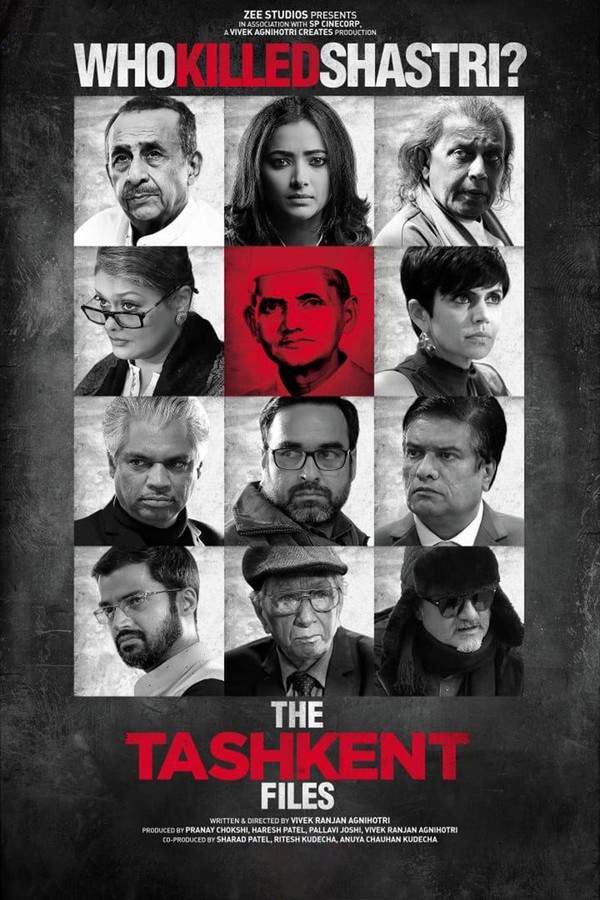
Stylized Crime with Philosophical Detachment like Made in U.S.A

Crime stories where style, dialogue, and ideas are as important as the plot. For viewers who appreciated the intellectual and stylistic approach to crime in Made in U.S.A, this section highlights similar movies that blend genre elements with philosophical themes. These films often feature sharp dialogue, abrupt violence, and a focus on mood over straightforward plot resolution.

  • stylized
  • detached
  • conspiratorial
  • unsettling
  • dialogue-driven
  • self-reflexive
  • Tone: tense, detached, intellectual
  • Pacing: fast, erratic
Why these movies?

The story pattern: The narrative often feels like a collage of scenes, conversations, and violent incidents rather than a tightly-wound plot. Character motivations can be ambiguous, and the story may deliberately subvert expectations of cause and effect. The emotional journey is more cognitive than visceral, encouraging reflection on the action.

Why they belong together: These films are connected by their willingness to break from conventional crime storytelling. They share a specific mood—simultaneously suspenseful and detached—where the execution of ideas through film form (editing, dialogue, composition) is central to the experience, creating a unique blend of tension and cerebral coolness.

If you liked this

Movies Like Made in U.S.A

Similar movies to Made in U.S.A: the same genre, themes or kind of story. Each one comes with its own plot summary, timeline and ending explained.

Browse all movie summaries

Every angle

Made in U.S.A (1966) Explained: Plot, Timeline & Characters

Everything about Made in U.S.A in one place: what happens in the plot summary, the timeline in chronological order, the characters and meaning and a spoiler-free summary. What's After the Movie adds the cast, box office and post-credit scenes.

Coming soon on iOS and Android

The Plot Explained Movie Summary App

Plot summaries, endings explained and timelines on your phone. Catch up on any movie in minutes, save your favorites and never miss a twist again.

Be the first to know when we launch. Your email stays private, always.

Learn more about the app