Plot Explained Spoilers guaranteed!
Plot Explained

Browse by genre

Made in U.S.A (1966) movie poster

Timeline

Made in U.S.A (1966) Timeline Explained – Every Event in Order

Release, runtime and language
1966 · 85 mins · French
Loading streaming availability…
Starring
Anna Karina, Rita Maiden, Miguel, László Szabó, Marianne Faithfull, Fernand Coquet

Paula Nelson travels to Atlantic City to meet her lover, Richard Politzer, only to find his dead body and begin her own investigation. In her hotel room she confronts a man named Typhus, knocks him unconscious, and his corpse later turns up in the apartment of writer David Goodis. Paula is arrested, interrogated, and subsequently becomes entangled with a host of gangsters.

On this page (6)
  1. 1 Where to watch
  2. 2 Events in order (13)
  3. 3 Timeline questions answered
  4. 4 Movie threads
  5. 5 Movies like Made in U.S.A
  6. 6 Every angle
Loading streaming availability…

13 events in order · contains spoilers

Made in U.S.A Timeline: Events in Chronological Order

Every key event of Made in U.S.A (1966) in order, scene by scene, with when and where it takes place. Use it to untangle flashbacks, time jumps and parallel storylines, to refresh your memory before the sequel or to find the exact scene you are thinking of.

  1. Paula arrives in Atlantic-Cité and learns Richard is dead

    In 1968, journalist Paula Nelson travels to Atlantic-Cité to reconnect with her ex-boyfriend Richard Pulitzer, only to discover he has died, apparently of a heart attack. The discovery sets Paula on a dangerous path as she begins to question the official version and seek the truth behind his death.

    When
    1968
    Where
    Atlantic-Cité
  2. Edgar Typhus crashes Paula's hotel room

    Edgar Typhus bursts into Paula's hotel room and offers to help investigate Richard's death, but Paula senses ulterior motives. She refuses his aid, knocks him out, and drags him into a neighboring room where she meets Richard's nephew David Goodis and David's girlfriend Doris Mizoguchi.

    When
    1968
    Where
    Paula's hotel room, Atlantic-Cité
  3. Paula meets Goodis and Doris and begins to investigate

    In the neighboring room, Paula forms a preliminary connection with David Goodis and Doris Mizoguchi, and together they begin to dig into Richard's disappearance. Paula's investigation starts pulling in people connected to Richard and the local political turmoil.

    When
    1968
    Where
    Neighboring hotel room, Atlantic-Cité
  4. Paula is followed by Widmark and Siegel

    Paula's every move is shadowed by Paul Widmark, the local police inspector, and Donald Siegel as she pursues leads. The pressure pushes her to distrust the authorities and continues the danger surrounding Richard's death.

    When
    1968
    Where
    Atlantic-Cité
  5. Anonymous call summons Paula to a warehouse

    An anonymous call lures Paula to a warehouse, where someone knocks her out. When she regains consciousness, she finds herself in a garage with Widmark, who questions her about Richard's hidden evidence and plays audio tapes of Richard's communist views.

    When
    1968
    Where
    Warehouse and garage, Atlantic-Cité
  6. Widmark reveals the killings tied to the case

    Back at the hotel, Widmark reveals that Typhus and Doris have been killed and that Inspector Aldrich has arrived from Paris to investigate. He hints that Paula herself might be a suspect and that she needs to cooperate to uncover the truth.

    When
    1968
    Where
    Paula's hotel, Atlantic-Cité
  7. Aldrich interrogates and releases Paula

    Inspector Aldrich interrogates Paula but eventually lets her go after David Goodis changes his story about Paula's involvement. The tension between Paula and the investigators deepens as the case develops.

    When
    1968
    Where
    Hotel room, Atlantic-Cité
  8. Richard's secret villa and the murder shock

    Paula learns that Richard owned a secret villa. Siegel, who had been cast aside by Widmark, shows her photos of Richard's murder and admits he killed Typhus and Doris after they discovered her room. He offers to lead Paula to the villa for money, but she shoots him instead.

    When
    1968
    Where
    Secret villa, unknown location
  9. An extremist wing drives the conspiracy

    Paula realizes that an extremist faction within the local Communist Party engineered Lacroix's murder to pit left factions against each other, and then killed Richard to cover their tracks. The case is reframed as a political power struggle rather than a simple homicide.

    When
    1967-1968
    Where
    Atlantic-Cité
  10. The plan to protect themselves with confessions

    Paula and Widmark devise a plan to protect themselves by exchanging letters confessing Typhus's murder and Richard's murder. Paula also hopes Widmark's confession implicates the powerful Dr. Edward Ludwig, shielding her from retaliation.

    When
    1968
    Where
    Atlantic-Cité
  11. Confrontation at the villa escalates to violence

    When Paula obtains Widmark's letter, David Goodis sneaks up and shoots Widmark from behind, killing him. Paula then shoots David in retaliation, a violent turn that cements the film's fatal politics and distrust.

    When
    1968
    Where
    Richard's villa
  12. Tollbooth encounter with Philippe Labro

    Standing at a highway tollbooth, Paula sees her friend Philippe Labro drive by and accepts a ride, beginning a discussion that hints at the uncertain future of political struggle. She warns that there will be a fascist uprising, but hopes for strength to resist.

    When
    1968
    Where
    Highway tollbooth
  13. Final reflection on politics and action

    In the car with Philippe, Paula and Labro debate the limits of political binaries and the need for new terms to discuss change. The ending leaves Paula resolved to fight back, signaling an ongoing, unresolved struggle beyond the case.

    When
    1968
    Where
    In Philippe Labro's car

Last updated: October 05, 2025 at 11:54

Was this helpful?

Timeline questions answered

Made in U.S.A Timeline Explained: Your Questions Answered

When does it happen, and why in that order? The questions people ask about the chronology of Made in U.S.A (1966): time jumps, flashbacks, cause and effect between scenes and the correct order of events, each answered with spoilers.

Q1

Why does Paula investigate Richard's death when she's just his ex-girlfriend?

Paula travels to Atlantic-Cité specifically to meet Richard, suggesting their relationship had recent unresolved tension. Even though they're exes, her motivation stems from怀疑 (suspicion) about the official cause of death, a heart attack seems dubious given Richard's political enemies. Her journalistic background and personal connection drive her to dig deeper, refusing to accept the convenient explanation.

Foreshadowing: The film hints early that Richard wrote controversial communist editorials, making his sudden death automatically suspicious.

  • paula nelson
  • richard politzer
  • investigation
  • ex-girlfriend
  • death investigation
Q2

What's the connection between Lacroix's death and Richard's murder?

Lacroix was the communist mayor of Atlantic-Cité who was killed earlier. Paula discovers that an extremist faction within the local Communist Party orchestrated Lacroix's murder to create chaos and blame moderate leftists. Richard was killed because he knew too much, his political writings and connections made him a threat to their power grab.

Foreshadowing: The anonymous caller and the police interest in Richard's hidden evidence directly link to Lacroix's missing materials.

  • lacroix
  • mayor
  • communist party
  • political conspiracy
  • richard murder
Q3

Who is the extremist faction in the Communist Party and why do they kill Richard?

The extremist faction operates within Atlantic-Cité's Communist Party and engineered Lacroix's murder to trigger internal conflict and seize power. They kill Richard because he was writing communist editorials and possessed evidence (hidden at his villa) that could expose their crimes. Richard became a liability who needed silencing.

Foreshadowing: Early references to Richard's 'communist-leaning editorials' and the political tension in the city set up this motive.

  • extremist faction
  • communist party
  • power grab
  • richard politzer
  • silencing witness
Q4

Why does Paula shoot Siegel instead of letting him take her to the villa?

Siegel admits to killing Typhus and Doris after they discovered him searching Paula's room, he's a murderer and an opportunist. When he offers to lead Paula to the villa in exchange for money, she recognizes him as a dangerous wildcard who would likely betray her or demand more. Shooting him prevents another potential betrayal and removes a known killer from the equation.

Foreshadowing: Siegel's earlier sidelining by Widmark and his secretive behavior already marked him as untrustworthy.

  • donald siegel
  • paula shoots
  • villa
  • betrayal
  • typhus
  • doris
Q5

Why does Widmark's confession implicate Dr. Edward Ludwig instead of protecting Paula?

Paula and Widmark's plan was to exchange confession letters that would implicate each other in separate murders, creating mutual hostage situations. However, Widmark's letter goes further than agreed, he implicates not just Richard's murder but also Dr. Edward Ludwig, a powerful figure. This betrayal puts Paula in immediate danger, as Ludwig's associates would now target her.

Foreshadowing: Widmark's promise to help Paula 'locate the evidence' while working with Aldrich hinted at his double-crossing nature.

  • widmark confession
  • dr edward ludwig
  • betrayal
  • conspiracy
  • confession letter
Q6

Why does David Goodis shoot Widmark and then why does Paula kill David?

When Paula obtains Widmark's incriminating letter, David sneaks up and shoots Widmark from behind, seemingly to protect Paula or eliminate a threat. However, David's true allegiance remains unclear given his earlier accusation of Paula. Paula then shoots David, possibly believing he's another betrayer, or to prevent him from revealing what she did. This brutal sequence reflects the film's theme of pervasive distrust where anyone could be an enemy.

Foreshadowing: David's earlier accusation of Paula and then sudden story change already marked him as unreliable and potentially dangerous.

  • david goodis
  • widmark
  • paula kills david
  • betrayal
  • murder sequence
Q7

What is Richard's secret villa and why does it matter?

Richard owned a secret villa where he kept hidden evidence about the political conspiracy, materials connecting Lacroix's murder to the extremist faction. The villa represents the smoking gun that could expose the entire plot. Both the police (Widmark) and the conspirators wanted this evidence, making it the most valuable prize in the investigation.

Foreshadowing: Siegel showing Paula photos of Richard's murder and offering to take her to the villa establishes its importance early.

  • richard villa
  • secret villa
  • hidden evidence
  • political conspiracy
  • lacroix evidence
Q8

What does Paula's final conversation with Philippe imply about the future?

At the tollbooth, Philippe suggests the political left and right are becoming indistinguishable, but Paula insists a fascist uprising is coming and vows to fight it. Their debate about finding new terms to discuss politics leaves her 'intent and resolve open to the future.' This ambiguous ending suggests Paula will continue resisting politically, though the outcome remains uncertain, the struggle continues but in an unresolved, open-ended way.

Foreshadowing: The entire film builds toward this political resolve through Paula's investigation and the escalating conspiracy.

  • paula labro
  • fascist uprising
  • political fight
  • ending
  • resolution
  • ambiguous ending
Q9

Why does Inspector Aldrich come from Paris to investigate the case?

Aldrich arrives from Paris because the case has escalated beyond local significance, Richard was a known writer with political connections, and the conspiracy involves elements (the Communist Party faction) that have implications beyond Atlantic-Cité. His official role is to review the investigation, but he's also there to protect certain interests, as Paula suspects he may have been involved in Richard's death.

Foreshadowing: Widmark's mention that Aldrich 'suspects' Paula hints at higher-level interference in the case.

  • inspector aldrich
  • paris
  • investigation
  • richard politzer
  • conspiracy cover-up
Q10

Why does Paula decide to work with Widmark despite trusting no one?

Paula and Widmark form a tactical alliance after realizing they're both being used or threatened by the conspiracy. Widmark is being sidelined by Aldrich, and Paula needs someone with police resources. Their mutual vulnerability creates a temporary truce, they exchange confession letters as insurance against each other, though this backfires catastrophically.

Foreshadowing: Widmark's hints that Aldrich suspects Paula and his promises of help in exchange for cooperation establish their fragile partnership.

  • paula widmark
  • alliance
  • confession letter
  • mutual suspicion
  • tactical partnership
Q11

What role does Edgar Typhus play in the conspiracy?

Edgar Typhus was a former associate of Richard who bursts into Paula's hotel offering to 'help' investigate, a clear red flag. He represents the conspiracy's attempt to monitor or manipulate Paula's investigation. When Paula knocks him out and later he dies, his death becomes another piece in the puzzle that Siegel uses against her.

Foreshadowing: Typhus's convenient arrival and offer to help immediately mark him as suspicious to viewers.

  • edgar typhus
  • conspiracy
  • paula investigation
  • richard associate
  • useful suspect

Movie threads

More Movies Like Made in U.S.A, by Mood & Story

Curated lists built around what makes Made in U.S.A tick: the same mood, the same kind of story or the same emotional payoff. Each list explains why these movies belong together.

Surreal Political Detective Stories like Made in U.S.A

Where a personal investigation uncovers a bizarre and illogical political conspiracy. If you liked the unconventional investigation and political paranoia of Made in U.S.A, explore more movies where a personal search for answers leads into a stylized, conspiratorial world. These films blend crime, politics, and a surreal atmosphere, often featuring protagonists who find themselves in over their heads.

  • surreal
  • conspiratorial
  • investigative
  • unsettling
  • philosophical
  • stylized
  • Tone: tense, detached, conspiratorial
  • Pacing: fast, fragmented
Why these movies?

The story pattern: These narratives typically begin with a straightforward goal—finding a missing person, solving a murder—that quickly spirals into a broader, more confusing conflict with shadowy forces. The plot structure is often non-linear or episodic, emphasizing disorientation and the impossibility of a clear victory against systemic corruption or absurdity.

Why they belong together: Movies are grouped here for their shared blend of detective tropes with a surreal, politically charged atmosphere. They possess a distinct, often detached tone, where the investigation serves as a vehicle for exploring larger ideas about society, power, and truth, rather than providing simple closure.
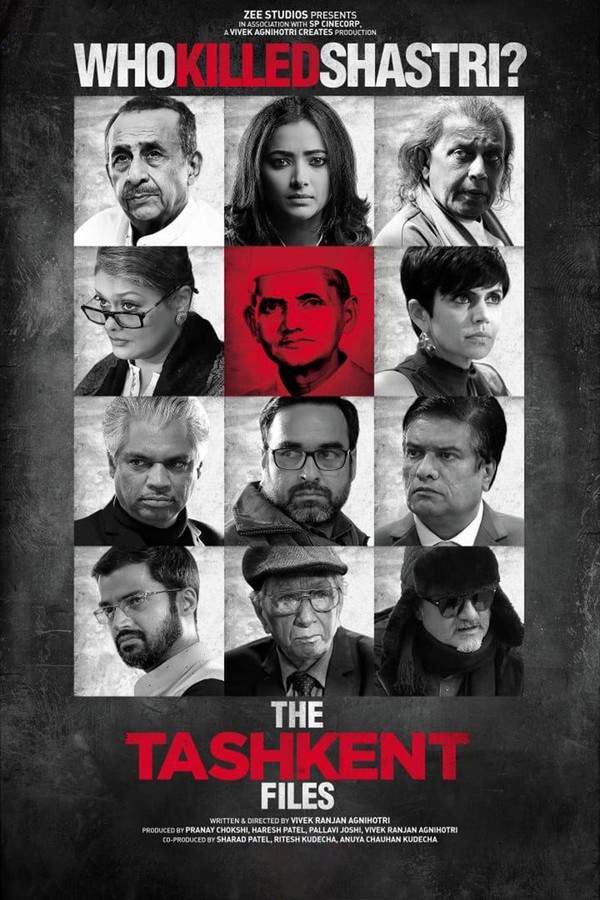
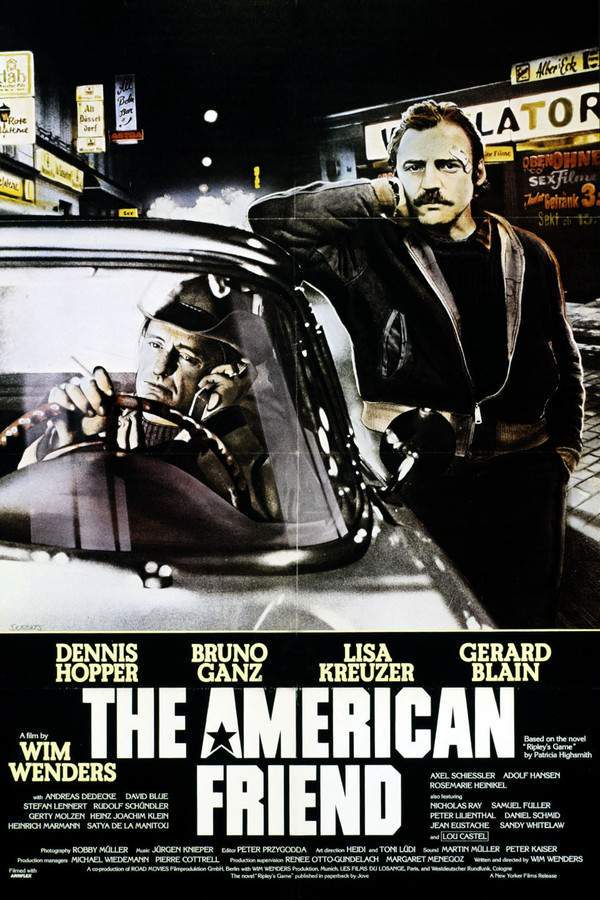
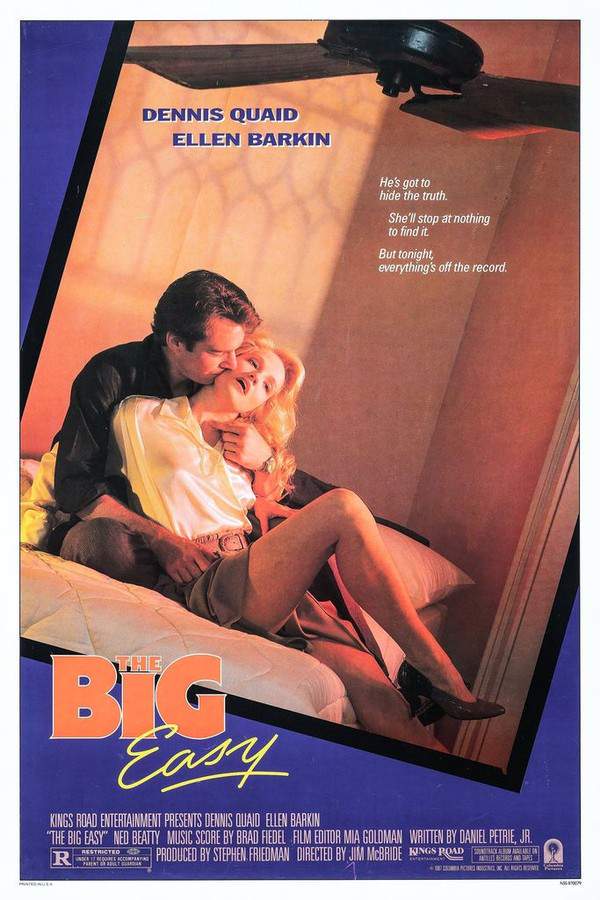
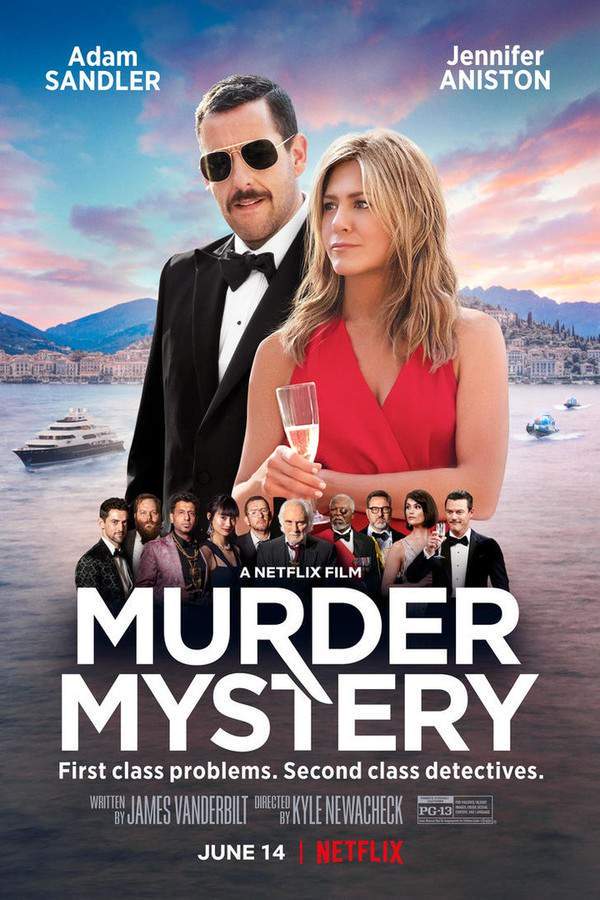
Stylized Crime with Philosophical Detachment like Made in U.S.A

Crime stories where style, dialogue, and ideas are as important as the plot. For viewers who appreciated the intellectual and stylistic approach to crime in Made in U.S.A, this section highlights similar movies that blend genre elements with philosophical themes. These films often feature sharp dialogue, abrupt violence, and a focus on mood over straightforward plot resolution.

  • stylized
  • detached
  • conspiratorial
  • unsettling
  • dialogue-driven
  • self-reflexive
  • Tone: tense, detached, intellectual
  • Pacing: fast, erratic
Why these movies?

The story pattern: The narrative often feels like a collage of scenes, conversations, and violent incidents rather than a tightly-wound plot. Character motivations can be ambiguous, and the story may deliberately subvert expectations of cause and effect. The emotional journey is more cognitive than visceral, encouraging reflection on the action.

Why they belong together: These films are connected by their willingness to break from conventional crime storytelling. They share a specific mood—simultaneously suspenseful and detached—where the execution of ideas through film form (editing, dialogue, composition) is central to the experience, creating a unique blend of tension and cerebral coolness.

If you liked this

Movies Like Made in U.S.A

Similar movies to Made in U.S.A: the same genre, themes or kind of story. Each one comes with its own plot summary, timeline and ending explained.

Browse all movie summaries

Every angle

Made in U.S.A (1966) Explained: Plot, Timeline & Characters

Everything about Made in U.S.A in one place: what happens in the plot summary, the timeline in chronological order, the characters and meaning and a spoiler-free summary. What's After the Movie adds the cast, box office and post-credit scenes.

Coming soon on iOS and Android

The Plot Explained Movie Summary App

Plot summaries, endings explained and timelines on your phone. Catch up on any movie in minutes, save your favorites and never miss a twist again.

Be the first to know when we launch. Your email stays private, always.

Learn more about the app