Plot Explained Spoilers guaranteed!
Plot Explained

Browse by genre

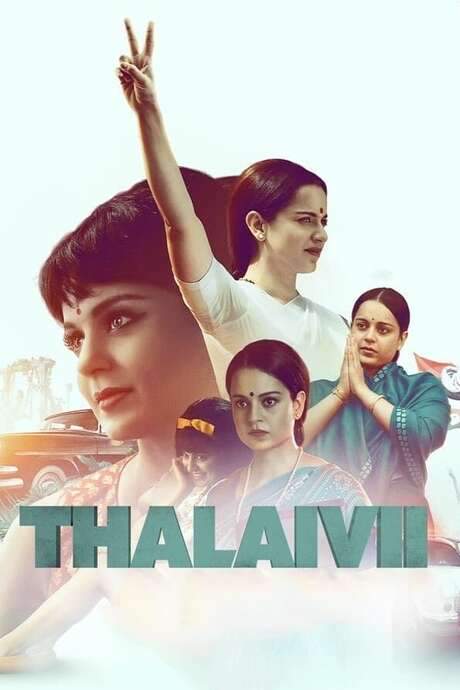
Madam Chief Minister (2021) movie poster

Plot Summary

Madam Chief Minister (2021) Plot Summary Explained

Release, runtime and language
2021 · 123 mins · Hindi
Echo score 41
Loading streaming availability…
Directed by
Subhash Kapoor
Starring
Saurabh Shukla, Manav Kaul, Akshay Oberoi, Richa Chadha, Shubhrajyoti Barat, Nikhil Vijay

A young woman defies societal norms and political barriers to rise from a small village and become chief minister. This political drama follows her journey as she challenges caste and patriarchy, overcoming opposition to champion the upliftment of marginalized communities and navigate the complexities of power.

On this page (6)
  1. 1 Where to watch
  2. 2 What happens: full plot
  3. 3 Plot questions answered
  4. 4 Movie threads
  5. 5 Movies like Madam Chief Minister
  6. 6 Every angle
Loading streaming availability…

Full plot summary · contains spoilers

What Happens in Madam Chief Minister: Full Plot Summary

The whole story of Madam Chief Minister (2021) explained, from the opening scene to the final frame: every key event, every twist and what it all adds up to. Read it as a quick recap before the sequel, to check a scene you missed, or to finally understand what really happened.

Tara is a young woman from a lower caste who dreams of making a difference in her community. She is betrayed and left by her political boyfriend Indu when she is pregnant, a turning point that tests her trust and resilience. Determined to shape her own future, she joins a political party and works her way up, eventually becoming a trusted aide to a senior leader, played by Saurabh Shukla. Despite her intelligence and hard work, Tara faces discrimination and prejudice from those around her, who see her caste as a barrier to success. The path is arduous, yet she presses on with grit, using her growing political savvy and steadfast ethics to push through the noise.

When the moment arrives, she stands for elections in her constituency and wins, becoming the youngest Chief Minister in the state's history. But the ascent is fraught with challenges: internal party opposition, rivalry from other parties, and relentless media scrutiny. On a personal level, she also contends with a relationship with a boyfriend from a higher caste, a dynamic that complicates the balance between private life and public duty.

The film uses Tara's journey to explore the complexities and contradictions of Indian politics, including the enduring influence of caste and the corruption that often shadows political life. It also highlights the struggles of women in positions of power, who must navigate a male-dominated world and confront entrenched biases and discrimination. In the end, Madam Chief Minister offers a vivid portrait of ambition, resilience, and the possibility of change against formidable odds.

Last updated: March 05, 2026 at 18:39

Was this helpful?

Plot questions answered

Madam Chief Minister Plot Explained: Your Questions Answered

The questions people ask most about Madam Chief Minister (2021): what happens in the confusing scenes, why the characters do what they do, the twists, hidden details and what the ending means. Each answer contains spoilers.

Q1

Why did Indu abandon Tara when she became pregnant?

Indu abandoned Tara because he was a politician from a higher caste who was unwilling to face the social consequences of a relationship with a lower-caste woman. His betrayal represents the calculated nature of political players who use people for their advancement but discard them when inconvenient. This abandonment hardened Tara's resolve to prove herself through political strength rather than personal relationships.

Foreshadowing: Earlier in the film, Tara's political aspirations were established alongside her relationship with Indu, hinting at his transactional approach to personal connections.

  • Indu
  • Tara
  • betrayal
  • pregnancy
  • caste discrimination
  • political boyfriend
Q2

How did Tara overcome caste discrimination in politics?

Tara overcame caste discrimination through relentless hard work, intelligence, and by building a reputation as a capable strategist within the party. She proved herself indispensable by handling complex party tasks successfully, which earned her the trust of senior leadership despite persistent prejudice from peers. Her mentor, a senior leader played by Saurabh Shukla, recognized her abilities and provided her opportunities to demonstrate her worth.

Foreshadowing: The timeline shows Tara facing discrimination from the moment she joins the party, with skeptics questioning her legitimacy due to her caste.

  • caste discrimination
  • Tara
  • political rise
  • party politics
  • mentorship
Q3

Why did Tara choose to join politics after being betrayed?

Tara chose politics as a path to power and autonomy after Indu abandoned her during her pregnancy. The betrayal demonstrated that without political power, she would remain vulnerable to exploitation by those with influence. Rather than retreat from public life, she used her personal pain as motivation to challenge the very system that had wronged her.

Foreshadowing: The film establishes Tara's desire to make a difference in her community from her early years, suggesting her political ambitions predated but were intensified by Indu's betrayal.

  • betrayal
  • politics
  • empowerment
  • Tara
  • ambition
  • pregnancy
Q4

What challenges did Tara face as a woman Chief Minister?

As a woman Chief Minister, Tara faced intense media scrutiny, internal party opposition, and constant questions about her competence due to gender. She navigated a male-dominated political environment where her decisions were often scrutinized through a gendered lens. Additionally, she balanced the personal costs of power, including maintaining a relationship with a higher-caste man while governing.

Foreshadowing: Throughout her rise, Tara is shown learning to navigate male-dominated spaces while staying true to her ideals.

  • woman chief minister
  • gender discrimination
  • media scrutiny
  • political challenges
  • patriarchy
Q5

Why was Tara's relationship with Indu controversial?

Tara's relationship with Indu was controversial because he came from a higher caste while she belonged to a lower caste, making their relationship socially forbidden in the context of caste hierarchies. The dynamic represented broader societal tensions around inter-caste relationships and the double standards women face when balancing personal lives with public duties. The relationship continued to be a focal point of societal criticism even after Tara achieved political success.

Foreshadowing: The timeline indicates that Tara's relationship with Indu becomes a focal point for ongoing societal tensions throughout her tenure.

  • Indu
  • inter-caste relationship
  • controversy
  • Tara
  • societal pressure
Q6

How did Tara become the youngest Chief Minister?

Tara became the youngest Chief Minister by winning a constituency election against significant opposition through hard campaigning and connecting with marginalized voters. She recognized a key opportunity within her party, gathered allies, and positioned herself to capitalize when the moment arose. Her victory broke significant glass ceilings, particularly for women from marginalized backgrounds.

Foreshadowing: The timeline shows Tara spotting a pivotal opportunity that could catapult her into higher leadership, demonstrating her political instinct.

  • youngest chief minister
  • election victory
  • political rise
  • Tara
  • constituency
Q7

What reforms did Tara push for as Chief Minister?

As Chief Minister, Tara pushed for reforms targeting caste-based discrimination and worked to hold corrupt officials accountable. She confronted entrenched interests within the political system, using her position to advocate for marginalized communities. The story highlights her efforts to balance policy reform with the reality of political corruption.

Foreshadowing: The film establishes early that Tara's motivation stems from witnessing systemic barriers that limit people from lower castes.

  • reforms
  • caste discrimination
  • corruption
  • accountability
  • Tara
  • policy
Q8

Why did opposition to Tara come from within her own party?

Opposition to Tara came from within her own party because senior politicians felt threatened by her rapid rise and feared losing their influence. As someone from a lower caste who had leapfrogged over established leaders, she represented a disruption to traditional power hierarchies. Additionally, her ethical approach to governance conflicted with the corrupt practices some party members benefited from.

Foreshadowing: The timeline notes that Tara faces internal party opposition once she gains power, reflecting the reality that success in politics often creates enemies among those who feel passed over.

  • internal opposition
  • party politics
  • Tara
  • power struggle
  • caste barriers
Q9

What does the film say about caste in Indian politics?

The film portrays caste as a persistent barrier in Indian politics that both limits opportunities for lower-caste individuals and is exploited by politicians for political gain. Tara's journey demonstrates that while caste discrimination remains deeply entrenched, individuals can overcome it through strategic maneuvering and demonstrated competence. However, the narrative also acknowledges that overcoming caste barriers requires significant personal sacrifice and constant navigation of prejudice.

Foreshadowing: Throughout Tara's career, the discrimination she faces is consistently tied to her caste, reinforcing the film's central theme about systemic barriers.

  • caste politics
  • discrimination
  • Indian politics
  • social reform
  • Tara
Q10

How did Tara's personal relationship affect her political image?

Tara's relationship with a higher-caste man became a point of political vulnerability that critics used to question her judgment and values. The personal dynamic was scrutinized through both a caste and gender lens, highlighting the double standards women in politics face. Despite these pressures, Tara continued the relationship while steering her political agenda forward.

Foreshadowing: The timeline emphasizes that Tara navigates pressures from both private life and public sphere throughout her tenure.

  • personal relationships
  • political image
  • Indu
  • media scrutiny
  • Tara
Q11

What message does the film convey about women in power?

The film conveys that women in power must navigate entrenched patriarchal structures while facing heightened scrutiny and opposition. Tara's journey shows that achieving leadership positions requires not just competence but also resilience against gender-based discrimination. The narrative suggests that women's success in male-dominated fields can inspire change, though it comes at significant personal cost.

Foreshadowing: The meta notes indicate the film highlights the struggles of women in positions of power who must confront entrenched biases.

  • women in power
  • patriarchy
  • gender discrimination
  • political leadership
  • Tara
  • empowerment
Q12

Does Tara succeed at the end of the film?

Tara succeeds in becoming Chief Minister and achieving her goal of reaching the highest political office in the state. Her victory represents a triumph against caste and gender barriers, making her the youngest Chief Minister in the state's history. However, the film presents this as a cautious optimism, acknowledging that the struggle for reform continues despite this achievement.

Foreshadowing: The meta notes confirm the ending is happy, with Tara achieving her goal while the path is marked by significant struggle.

  • ending
  • success
  • Chief Minister
  • Tara
  • victory
  • political achievement

Movie threads

More Movies Like Madam Chief Minister, by Mood & Story

Curated lists built around what makes Madam Chief Minister tick: the same mood, the same kind of story or the same emotional payoff. Each list explains why these movies belong together.

Political Underdog Stories like Madam Chief Minister

Stories of outsiders battling systemic corruption and prejudice to achieve political power. If you liked watching the determined rise in Madam Chief Minister, you'll enjoy these movies about political outsiders battling corruption and systemic barriers. This collection features similar stories of ambition against the odds, where characters from marginalized communities fight for power and representation in a hostile political landscape.

  • political
  • determined
  • oppressive
  • hopeful
  • challenging
  • uprising
  • Tone: dark, determined, hopeful
  • Pacing: steady, linear rise
Why these movies?

The story pattern: The narrative follows a linear, steady-paced ascent where the protagonist, often an underdog from a disenfranchised group, enters the political arena. They face consistent opposition rooted in discrimination, betrayal, and corrupt systems. The conflict is less about sudden twists and more about the relentless grind of overcoming institutional barriers, with the climax being the achievement of a significant political position that symbolizes a broader victory.

Why they belong together: These movies are grouped together because they share a core narrative of political empowerment against systemic injustice. They blend a dark, oppressive tone with a determined, hopeful core, featuring heavy emotional weight and a steady pacing that tracks a clear upward trajectory. The focus is on societal change through political struggle, making the victories feel collective and significant.


Movies about Defiant Women like in Madam Chief Minister

Emotionally heavy dramas about women challenging patriarchal and societal structures alone. Fans of the female empowerment and struggle in Madam Chief Minister will connect with these powerful dramas. This section collects movies featuring women who defy societal norms, battle patriarchy and corruption, and carry the emotional weight of their journey alone, leading to hard-won victories.

  • defiant
  • oppressive
  • challenging
  • lonely
  • determined
  • hopeful
  • Tone: dark, challenging, resilient
  • Pacing: steady, character-driven grind
Why these movies?

The story pattern: The narrative pattern follows a woman, often isolated by her circumstances (e.g., single motherhood, lower caste), who decides to confront a corrupt or oppressive system. Her journey is intensely personal yet politically charged, marked by moments of profound loneliness and betrayal. The story structure is a steady, grueling test of will, where her personal integrity and resilience are the primary weapons against a faceless, systemic adversary. The ending provides a validation of her struggle, though the path leaves deep scars.

Why they belong together: These films are united by their focus on a singular female experience of defiance. They share a dark, oppressive atmosphere, high emotional intensity, and a steady pacing that allows the weight of systemic opposition to be felt. The core appeal is the visceral, heavy journey of a woman navigating and ultimately overcoming a world not built for her success.

If you liked this

Movies Like Madam Chief Minister

Similar movies to Madam Chief Minister: the same genre, themes or kind of story. Each one comes with its own plot summary, timeline and ending explained.

Browse all movie summaries

Every angle

Madam Chief Minister (2021) Explained: Plot, Timeline & Characters

Everything about Madam Chief Minister in one place: what happens in the plot summary, the timeline in chronological order, the characters and meaning and a spoiler-free summary. What's After the Movie adds the cast, box office and post-credit scenes.

Coming soon on iOS and Android

The Plot Explained Movie Summary App

Plot summaries, endings explained and timelines on your phone. Catch up on any movie in minutes, save your favorites and never miss a twist again.

Be the first to know when we launch. Your email stays private, always.

Learn more about the app