Plot Explained Spoilers guaranteed!
Plot Explained

Browse by genre

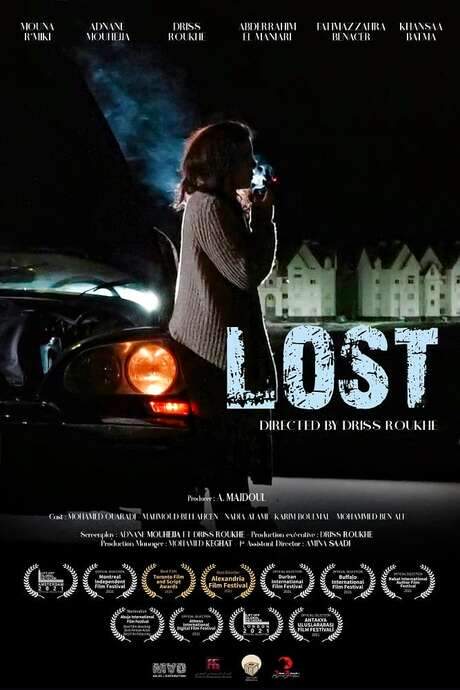
Lost (2005) movie poster

Characters & Themes

Lost (2005) Characters, Setting & Themes Explained

Release, runtime and language
2005 · 90 min · Arabic
Loading streaming availability…
Directed by
Darren Lemke

Ranya awakens to discover her life is not her own, as a clandestine force dictates her every action. Stripped of her identity and trapped within a complex web of deception, she fights to regain control. She must navigate a perilous journey to uncover the reasons behind her manipulation and the sinister forces orchestrating her existence.

On this page (10)
  1. 1 Where to watch
  2. 2 Characters explained (2)
  3. 3 Where & when it takes place
  4. 4 Themes & meaning (3)
  5. 5 Character & meaning questions
  6. 6 The book behind the movie
  7. 7 Movie threads
  8. 8 Movies like Lost
  9. 9 Categories
  10. 10 Every angle
Loading streaming availability…

2 main characters · contains spoilers

Lost Characters Explained: Who Is Who

The main characters of Lost (2005), heroes and villains: what drives them, how they change over the course of the story and what each of them reveals about the film's bigger ideas.

  • Bob

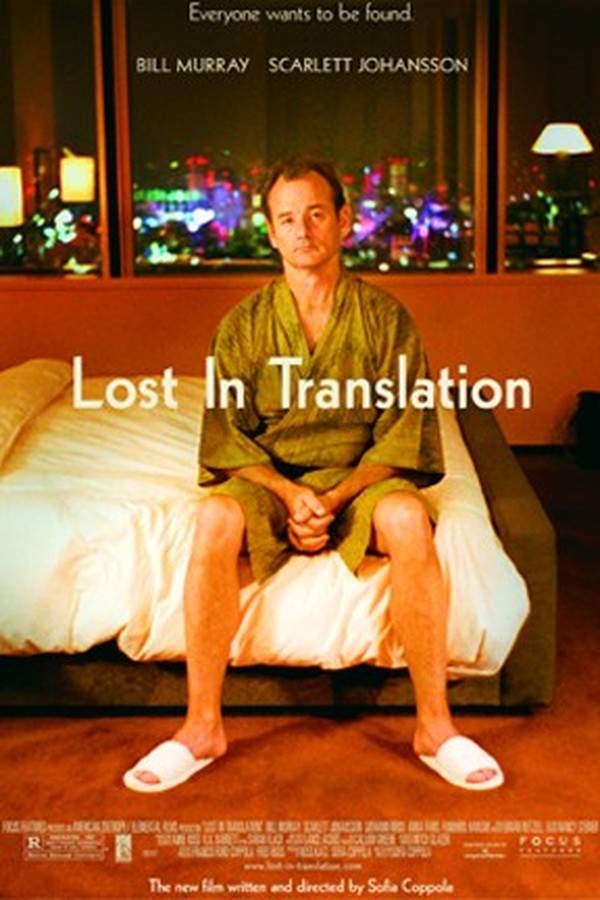
    Bob is a 55-year-old actor grappling with feelings of boredom and emotional detachment in both his career and personal life. His journey through Tokyo is marked by a series of introspective moments, revealing his vulnerability and desire for connection. His encounters with Charlotte prompt him to reflect on his life choices and the state of his marriage.

    • 🎬 Actor
    • 🌍 Lost
    • 🤔 Reflective
  • Charlotte

    Charlotte, at 25, embodies a sense of disillusionment and confusion regarding her life's direction. Despite her surroundings, she feels isolated and struggles with her emotional connections. Her relationship with Bob becomes a source of comfort and introspection as they share their fears and desires.

    • 💕 Connection
    • ⚡ Lost
    • 🌟 Introspective

Last updated: October 22, 2024 at 19:52

Was this helpful?

Setting

Where and When Does Lost Take Place?

The setting of Lost (2005): the year and time period, the places and locations, and how they shape the characters, the mood and the tension of the story.

Time period

The movie captures contemporary life, exploring themes of loneliness and existential reflection in the modern world. It encapsulates the struggles of personal fulfillment amidst busy urban settings, highlighting the emotional disconnect often felt in personal relationships.

Location

Tokyo, Kyoto

Tokyo, the bustling capital of Japan, is renowned for its vibrant culture, splendid architecture, and effervescent nightlife. Known for its juxtaposition of traditional and modern elements, the city showcases historical landmarks alongside towering skyscrapers. Kyoto, in contrast, is famous for its historical significance and numerous temples, representing the heart of Japanese heritage.

  • 🏙️ City
  • 🏯 Historical

Last updated: October 22, 2024 at 19:52

Was this helpful?

3 major themes

Lost Meaning: Themes & Message Explained

What is Lost (2005) really about? The emotional, social and philosophical themes the film keeps returning to, its symbolism and the message beneath the surface.

  • Isolation

    Isolation is a central theme in the film, reflected in both Bob and Charlotte's experiences. Bob feels disconnected from his family and career, while Charlotte grapples with her own sense of purpose and loneliness despite her glamorous surroundings. Their bond offers a fleeting solace amid the emotional voids they encounter.

  • Relationships

    The complexities of relationships are poignantly explored in the film, showcasing the emotional estrangement between Bob and his wife Lydia, as well as the deeper connection he finds with Charlotte. Their interactions highlight the challenges of intimacy, vulnerability, and the fleeting nature of human connections.

  • Self-discovery

    Self-discovery is a significant theme, as both Bob and Charlotte confront their own identities amidst the chaos of life. Their encounters enable them to reflect on their choices, aspirations, and the dissatisfaction that plagues them. Their journey together pushes them toward moments of clarity and introspection.

Last updated: October 22, 2024 at 19:52

Was this helpful?

Character & theme questions

Lost Characters & Meaning: Your Questions Answered

The questions people ask about Lost (2005): who the characters really are, their relationships, what the symbols mean, where it takes place and what the movie is really about. Each answer contains spoilers.

Q1

Where is Lost in Translation set?

The film is primarily set in Tokyo, Japan, with scenes also taking place in Kyoto. Tokyo serves as a bustling backdrop that emphasizes the protagonists' feelings of alienation and cultural disconnect.

  • tokyo
  • kyoto
  • japan
  • setting
  • location
Q2

What time period does Lost in Translation take place in?

The movie is set in contemporary modern times, reflecting the early 2000s urban landscape. It captures the fast-paced, impersonal nature of city life in a major metropolitan setting.

  • contemporary
  • modern
  • era
  • time period
Q3

What does Lost in Translation say about isolation?

Isolation is a central theme, manifested through both Bob and Charlotte's experiences. Bob feels disconnected from his family and career, while Charlotte struggles with her sense of purpose despite her glamorous surroundings. Their bond offers temporary solace amid the emotional voids they inhabit.

  • isolation
  • loneliness
  • disconnection
  • emotional void
Q4

How does Lost in Translation explore relationships?

The film poignantly examines relationship complexities, showing the emotional estrangement between Bob and his wife Lydia, contrasted with the deeper connection he develops with Charlotte. Their interactions highlight the challenges of intimacy, vulnerability, and the fleeting nature of human connections.

  • relationships
  • connection
  • intimacy
  • emotional estrangement
Q5

What role does self-discovery play in Lost in Translation?

Self-discovery is a significant theme as both Bob and Charlotte confront their identities amidst life's chaos. Their encounters prompt reflection on their choices, aspirations, and the dissatisfaction plaguing their lives, pushing them toward moments of clarity and introspection.

  • self-discovery
  • identity
  • introspection
  • reflection
Q6

Who is Bob in Lost in Translation?

Bob is a 55-year-old actor grappling with boredom and emotional detachment in his career and personal life. His journey through Tokyo is marked by introspective moments that reveal his vulnerability and desire for connection, prompting him to reflect on his life choices and marriage.

  • bob
  • actor
  • midlife crisis
  • detached
Q7

Who is Charlotte in the movie?

Charlotte is a 25-year-old woman who embodies disillusionment and confusion about her life's direction. Despite her surroundings, she feels isolated and struggles with emotional connections. Her relationship with Bob becomes a source of comfort and introspection as they share their fears and desires.

  • charlotte
  • young woman
  • disillusionment
  • lost
Q8

What is the tone and mood of Lost in Translation?

The film maintains a melancholic tone characterized by themes of boredom, isolation, and dissatisfaction. The pacing is slow, mirroring the characters' feelings of stasis and aimlessness, built around quiet conversations and reflective moments that create a bittersweet emotional landscape.

  • tone
  • mood
  • melancholic
  • bittersweet
  • emotional
Q9

How do Tokyo and Kyoto differ in the film?

Tokyo represents the bustling modern capital with its vibrant culture and nightlife, showcasing traditional elements alongside towering skyscrapers. Kyoto contrasts as a city of historical significance, known for its temples and representation of Japanese heritage, offering a different emotional atmosphere.

  • tokyo
  • kyoto
  • contrast
  • japan
  • settings
Q10

Does Lost in Translation explore midlife crisis?

Yes, the film deals with themes of midlife crisis and existential dread, though it approaches these serious topics in a gentle, reflective manner rather than through overt drama. Bob's character embodies this struggle with professional and personal dissatisfaction.

  • midlife crisis
  • existential
  • dissatisfaction
  • life choices

Movie threads

More Movies Like Lost, by Mood & Story

Curated lists built around what makes Lost tick: the same mood, the same kind of story or the same emotional payoff. Each list explains why these movies belong together.

Movies about existential yearning and quiet connections like Lost

Character-driven stories exploring loneliness and the search for meaning in unfamiliar places. If you liked the contemplative mood and themes of isolation in Lost, explore similar movies about characters facing midlife crises and existential ennui. These films often feature slow pacing, melancholic tones, and bittersweet endings, focusing on the profound impact of fleeting bonds.

  • lonely
  • contemplative
  • melancholic
  • atmospheric
  • introspective
  • yearning
  • Tone: melancholic, contemplative
  • Pacing: slow, deliberate
Why these movies?

The story pattern: Narratives in this thread typically follow characters who are dissatisfied with their lives, often experiencing a sense of cultural or emotional displacement. The journey revolves around an unexpected, often platonic, connection that offers temporary solace and prompts introspection, rather than leading to a conventionally happy resolution.

Why they belong together: Movies are grouped here for their shared focus on internal emotional states, a melancholic and atmospheric tone, and a slow, reflective pacing. They all explore themes of loneliness, the search for identity, and the bittersweet nature of human connection.
Atmospheric bittersweet character studies similar to Lost

Slow-burn stories where mood and emotional nuance take precedence over complex plots. Find movies like Lost that share its slow, atmospheric pacing and bittersweet emotional core. These character-focused stories prioritize mood and the development of intimate, often transient, connections over fast-paced action or intricate plotting.

  • bittersweet
  • atmospheric
  • quiet
  • somber
  • contemplative
  • gentle
  • Tone: melancholic, bittersweet
  • Pacing: slow, atmospheric
Why these movies?

The story pattern: The narrative pattern is straightforward, centering on the emotional arc of its characters. The conflict is often internal—a struggle with dissatisfaction or ennui—and the plot unfolds through quiet conversations and reflective moments. The resolution provides a sense of meaningful change, but it is tempered by realism and a touch of sadness.

Why they belong together: These films are united by a specific combination of a slow pace, low intensity, melancholic tone, and a bittersweet ending. The emotional weight is medium, creating a gentle yet impactful viewing experience that feels authentic and resonant.

If you liked this

Movies Like Lost

Similar movies to Lost: the same genre, themes or kind of story. Each one comes with its own plot summary, timeline and ending explained.

Browse all movie summaries

Categories

Movie Lists Featuring Lost

Lost appears in these hand-built movie categories. Each one groups movies by a specific mood, theme or story type, with their plot summaries and endings explained.

View all movie categories

Every angle

Lost (2005) Explained: Plot, Timeline & Characters

Everything about Lost in one place: what happens in the plot summary, the timeline in chronological order, the characters and meaning and a spoiler-free summary. What's After the Movie adds the cast, box office and post-credit scenes.

Coming soon on iOS and Android

The Plot Explained Movie Summary App

Plot summaries, endings explained and timelines on your phone. Catch up on any movie in minutes, save your favorites and never miss a twist again.

Be the first to know when we launch. Your email stays private, always.

Learn more about the app