









Plot Explained Spoilers guaranteed!
Plot Explained

Browse by genre

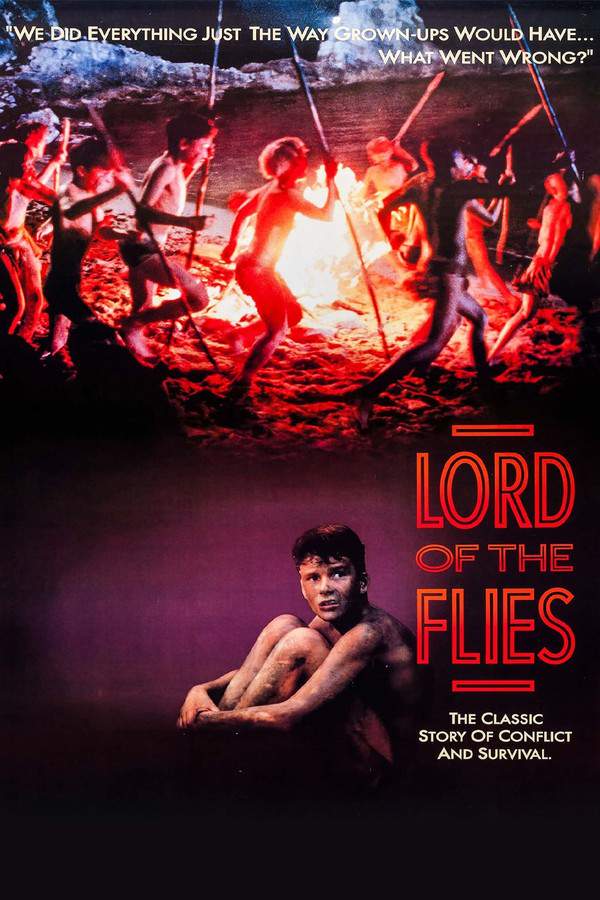
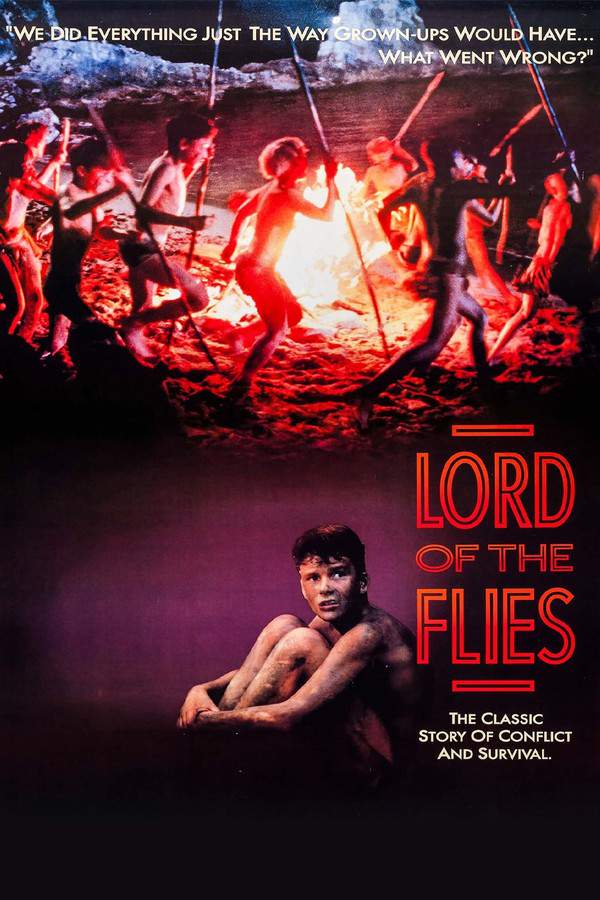
Lord of the Flies (1963) movie poster

Timeline

Lord of the Flies (1963) Timeline Explained – Every Event in Order

Release, runtime and language
1963 · 92 min · English
JustWatch #5,618 7
Directed by
Peter Brook
Starring
Nicholas Hammond, David Brunjes, Hugh Edwards, James Aubrey, Kent Fletcher, Peter Davy

After a plane crash leaves a group of British schoolboys stranded on a deserted island, they attempt to govern themselves. Ralph is elected leader, but his authority is challenged by the charismatic Jack, who prioritizes hunting and primal instincts. As the boys struggle to maintain order and face their fears, their attempts at civilization erode, revealing a descent into savagery and a frightening glimpse into the darker aspects of human nature.

On this page (7)
  1. 1 Where to watch
  2. 2 Events in order (15)
  3. 3 Timeline questions answered
  4. 4 The book behind the movie
  5. 5 Movie threads
  6. 6 Movies like Lord of the Flies
  7. 7 Every angle

Where to watch

Where to Watch Lord of the Flies (1963)

Where can you watch Lord of the Flies? Stream, rent or buy it in the US, including on HBO Max, Kanopy and Amazon Video: current JustWatch availability with up-to-date prices.

Streaming availability powered by JustWatch

15 events in order · contains spoilers

Lord of the Flies Timeline: Events in Chronological Order

Every key event of Lord of the Flies (1963) in order, scene by scene, with when and where it takes place. Use it to untangle flashbacks, time jumps and parallel storylines, to refresh your memory before the sequel or to find the exact scene you are thinking of.

  1. Aircraft Crash

    A British aircraft crashes onto a remote Pacific island, leaving a group of young boys stranded. This catastrophic event sets the stage for their struggle for survival amidst the chaos of war.

    Where
    Pacific Island
  2. Discovery of the Conch

    Ralph and Piggy discover a conch shell on the beach and use it as a makeshift horn to gather the other survivors. This act symbolizes the beginning of their attempts to establish order within their new environment.

    Where
    Beach
  3. Ralph Becomes Chief

    Utilizing the conch, Ralph asserts his leadership qualities and is elected as chief of the group. His leadership marks a crucial turning point as the boys seek to create a sense of community.

  4. Establishing Order

    The boys unite under Ralph’s leadership to establish three primary objectives: enjoying their freedom, surviving in the hostile environment, and maintaining a signal fire. This initial unity promotes hope for rescue and survival.

  5. Igniting the Signal Fire

    Ralph, Jack, and Simon use Piggy's glasses to start a signal fire, marking the beginning of their efforts to attract rescuers. This moment symbolizes their initial commitment to rescue and civilization.

  6. Fear of the Beast Emerges

    As time passes, fear begins to take hold of the boys as they imagine the existence of a 'beast' on the island. This fear spirals into obsession, creating division among the boys as they respond to their shared anxiety.

  7. Jack's Hunt for the Beast

    Jack takes charge and organizes a frantic hunt for the supposedly lurking beast. His charismatic leadership attracts followers, causing tension to rise within the group as some boys neglect their responsibilities.

  8. Signal Fire Extinguished

    During Jack's hunt, the boys assigned to maintain the signal fire become distracted and let it extinguish. This critical failure deepens Ralph's frustrations, highlighting the growing divide between his rational leadership and Jack's primal instincts.

  9. Parachutist Arrival

    A fierce air battle occurs overhead, dropping a deceased fighter pilot onto the island. Mistaken for the beast, the boys' hysteria reaches a boiling point, marking a significant shift in leadership dynamics as Jack tries to assert his power.

    Where
    Island
  10. Jack's Ritual Dance

    Under the cloak of twilight, Jack's tribe engages in a disturbing ritualistic dance centered around a pig's head. This act reinforces the descent into savagery and the loss of their previous morals, celebrating the 'Lord of the Flies.'

  11. Simon's Revelation

    Simon stumbles upon the pig’s head and enters into a surreal conversation with it. His encounter foreshadows his tragic fate as he begins to understand the true nature of the beast, which is ultimately a reflection of their own darkness.

    Where
    Forest
  12. Piggy's Glasses Stolen

    In an act of aggression, Jack's tribe steals Piggy's glasses, the only means of creating fire. This theft exemplifies the conflict over power and control on the island, further escalating the tension between the two factions.

  13. Piggy's Death

    In a tragic turn of events, the reckless actions of Roger lead to Piggy's death, marking a pivotal moment in the moral decline of the group. This loss symbolizes the complete collapse of order and civility among the boys.

  14. Forest on Fire

    Jack's followers ignite the forest in a destructive fit of rage. The ensuing inferno serves to illustrate the extent of their savagery and the obliteration of their childhood innocence.

    Where
    Island
  15. Encounter with the Officer

    Ralph escapes the chaos and encounters a British naval officer, whose presence symbolizes a return to civilization. The meeting starkly contrasts the tragic turn of events that unfolded, forcing the boys to confront the loss of their innocence.

    Where
    Island

Last updated: November 22, 2024 at 18:21

Was this helpful?

Timeline questions answered

Lord of the Flies Timeline Explained: Your Questions Answered

When does it happen, and why in that order? The questions people ask about the chronology of Lord of the Flies (1963): time jumps, flashbacks, cause and effect between scenes and the correct order of events, each answered with spoilers.

Q1

Why does Ralph become the leader instead of Jack?

Ralph becomes leader because he uses the conch shell to gather the boys and assert his leadership qualities. When he calls the first meeting, his calm demeanor and clear thinking impress the group. While Jack is charismatic and attracts followers through his hunting abilities, Ralph is elected as chief because he represents order and rational decision-making, focusing on survival priorities like the signal fire and shelter.

  • ralph leader
  • conch shell
  • chief
  • jack challenge
Q2

What is the significance of the conch shell?

The conch shell serves as a symbol of civilization and order on the island. It is used as a horn to gather the boys for meetings, and whoever holds the conch has the right to speak. The conch initially gives Ralph his authority as chief, representing democratic governance and structure. Its eventual destruction marks the complete collapse of order.

  • conch
  • civilization
  • order
  • symbolism
  • authority
Q3

Why do the boys become obsessed with the beast?

The boys develop an irrational fear of the beast as time passes on the island. Their initial excitement fades, leaving them with idle time and growing anxiety. Unable to cope with the unknown dangers of their environment and their own内在的恐惧, they project their fears onto an imaginary monster. This collective hysteria represents the breakdown of rational thought and the appeal of scapegoating as a way to channel their terror.

  • beast
  • fear
  • monster
  • hysteria
  • imagination
Q4

What does the Lord of the Flies symbolize?

The Lord of the Flies is the pig's head that Jack's tribe offers as a sacrifice to the beast. It symbolizes the inherent evil and savagery within human nature. In Simon's hallucination, the pig's head speaks to him, telling him that the boys cannot escape their own darkness. The title references Satan, suggesting that the boys have invited evil into their midst through their abandonment of civilization's rules.

  • lord of flies
  • pig head
  • sacrifice
  • evil
  • symbolism
Q5

Why does Simon talk to the pig's head?

Simon engages in a surreal conversation with the pig's head while in a dissociative state, brought on by his seizures and isolation. During this hallucination, the Lord of the Flies tells Simon that the boys will betray him. This psychological encounter foreshadows Simon's murder at the hands of the tribe, as he tries to bring truth to a group that has rejected reason and embraced savagery.

  • simon
  • hallucination
  • pig head
  • betrayal
  • prophecy
Q6

Why does Jack steal Piggy's glasses?

Jack steals Piggy's glasses because they are the only means of producing fire on the island. This act represents Jack's seizure of power and control over essential resources. By taking the glasses, Jack forces Ralph's group to depend on him for fire, demonstrating how the hunt for survival tools became intertwined with the struggle for authority between the two factions.

  • piggy glasses
  • fire theft
  • jack power
  • control
Q7

How does Piggy die?

Piggy dies when Roger pushes a boulder down from the castle rock onto him during a confrontation. While Ralph and Piggy attempt to reason with Jack and reclaim the stolen glasses, Roger acts on impulse and releases the boulder, striking Piggy in the head. This tragic moment represents the complete collapse of any remaining moral constraints among the boys and marks the loss of the last voice of reason.

  • piggy death
  • roger
  • boulder
  • tragedy
  • murder
Q8

Why does the signal fire matter so much?

The signal fire represents the boys' hope for rescue and their connection to civilization. Ralph insists on maintaining the fire because it is their only means of attracting passing ships. When the fire goes out during Jack's hunt, it symbolizes the boys' abandonment of their chance for salvation in favor of primal pleasures. This neglect creates deep tension between Ralph's commitment to rescue and Jack's focus on hunting.

  • signal fire
  • rescue
  • hope
  • civilization
  • responsibility
Q9

What triggers the boys' descent into savagery?

The descent into savagery is triggered by the gradual erosion of structure and the boys' failure to maintain order. As time passes, the initial excitement of freedom gives way to fear and primal instincts. Jack's hunting provides excitement and belonging that Ralph's rational leadership cannot match. The breakdown is accelerated by the beast hysteria, the stolen glasses, and the death of Piggy, each event stripping away another layer of civilization.

  • savagery
  • civilization breakdown
  • jack
  • instincts
  • chaos
Q10

What does the ending represent?

The ending represents the return of civilization, but at a terrible cost. When a British naval officer arrives, he represents the adult world the boys have been cut off from. However, the boys have already been fundamentally corrupted, their tears show they now understand what they have become and lost. The officer's disapproving stare captures the tragedy: rescue came too late to save their innocence, and they must now face the civilized world knowing they are capable of murder.

  • ending
  • rescue
  • civilization
  • innocence loss
  • officer
Q11

Why does Jack challenge Ralph's authority?

Jack challenges Ralph because he represents a different kind of leadership that appeals to the boys' primal desires. While Ralph focuses on long-term survival and rescue through boring but necessary tasks, Jack offers excitement through hunting and freedom from rules. Jack's charisma and his ability to provide food make him an attractive alternative leader, especially as the boys grow restless with Ralph's restrictions.

  • jack ralph conflict
  • leadership challenge
  • power struggle
  • hunting
Q12

What is the beast actually revealed to be?

The beast is revealed to be the corpse of a fighter pilot from an earlier air battle that crashed on the other side of the island. Simon discovers this truth while wandering in the forest. The boys mistake the parachute and body for a monster because of their paranoid state and the creature's movements in the wind. This revelation is crucial because it shows the beast was never a real threat, the boys created their own terror.

  • beast
  • pilot corpse
  • parachute
  • truth
  • discovery

Movie threads

More Movies Like Lord of the Flies, by Mood & Story

Curated lists built around what makes Lord of the Flies tick: the same mood, the same kind of story or the same emotional payoff. Each list explains why these movies belong together.

Movies about civilization's collapse like Lord of the Flies

Stories where the veneer of civilization is stripped away by survival. If you liked Lord of the Flies, explore these movies about the descent into savagery. This collection features similar survival stories and group dynamics where characters struggle to maintain order, leading to terrifying glimpses into the darker aspects of human nature.

  • savage
  • anxious
  • oppressive
  • paranoid
  • tragic
  • unsettling
  • Tone: dark, bleak, unsettling
  • Pacing: steady, escalating
Why these movies?

The story pattern: The narrative pattern typically begins with a group attempting to establish order after a catastrophic event or in an isolated setting. A power struggle emerges between characters representing order and chaos, leading to a steady escalation of conflict where primal instincts overwhelm reasoned cooperation, culminating in a bleak outcome.

Why they belong together: Movies are grouped here for their shared focus on the psychological and moral collapse of a micro-society. They share a dark tone, steady pacing that builds dread, high intensity from internal conflict, and a heavy emotional weight derived from the loss of innocence and descent into brutality.
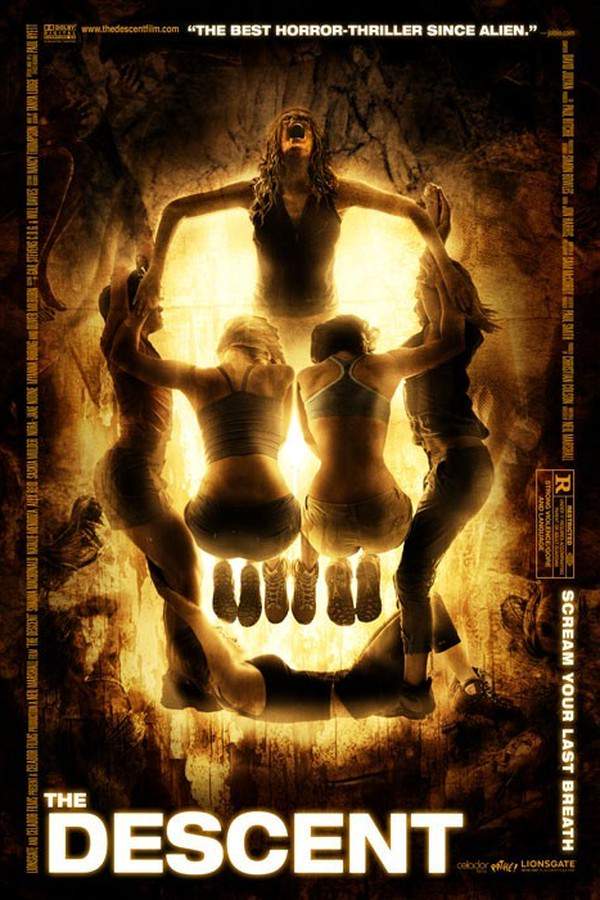
Psychological thrillers in isolation like Lord of the Flies

Claustrophobic tales where a confined setting breeds paranoia and violence. Find movies like Lord of the Flies that trap characters in confined spaces. These similar thrillers and dramas use isolation to explore group dynamics, power struggles, and the descent into madness, creating an oppressive and paranoid atmosphere.

  • claustrophobic
  • paranoid
  • anxious
  • unsettling
  • oppressive
  • fearful
  • Tone: oppressive, paranoid, tense
  • Pacing: steady, methodical
Why these movies?

The story pattern: The narrative is defined by a confined or inescapable setting—an island, a bunker, a remote outpost—that forces characters into intense proximity. Internal group dynamics, rather than an external monster, become the primary source of conflict, leading to fractured loyalties, mob mentality, and tragic consequences.

Why they belong together: These films are united by their use of a contained world to generate relentless psychological pressure. They share an oppressive and anxious mood, a steady pacing that allows tension to simmer and boil over, and a high intensity derived from the characters being trapped with their own worst impulses.

If you liked this

Movies Like Lord of the Flies

Similar movies to Lord of the Flies: the same genre, themes or kind of story. Each one comes with its own plot summary, timeline and ending explained.

Browse all movie summaries

Every angle

Lord of the Flies (1963) Explained: Plot, Timeline & Characters

Everything about Lord of the Flies in one place: what happens in the plot summary, the timeline in chronological order, the characters and meaning and a spoiler-free summary. What's After the Movie adds the cast, box office and post-credit scenes.

Coming soon on iOS and Android

The Plot Explained Movie Summary App

Plot summaries, endings explained and timelines on your phone. Catch up on any movie in minutes, save your favorites and never miss a twist again.

Be the first to know when we launch. Your email stays private, always.

Learn more about the app