Plot Explained Spoilers guaranteed!
Plot Explained

Browse by genre

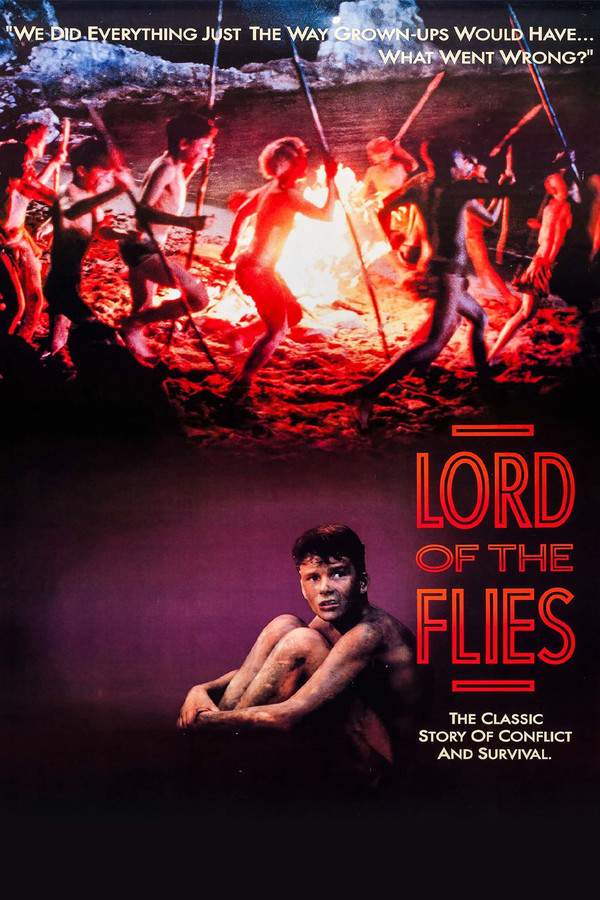
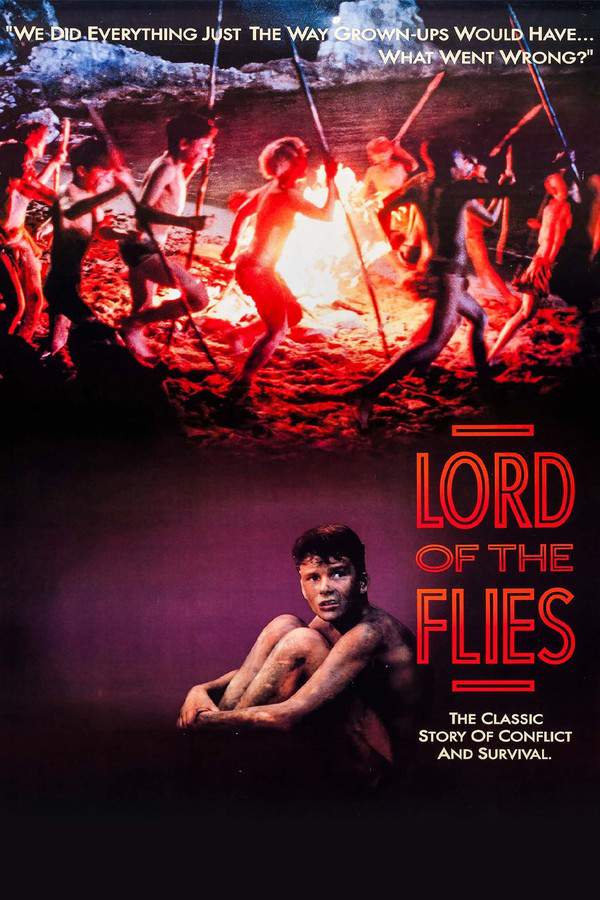
Lord of the Flies (1963) movie poster

Characters & Themes

Lord of the Flies (1963) Characters, Setting & Themes Explained

Release, runtime and language
1963 · 92 min · English
Loading streaming availability…
Directed by
Peter Brook
Starring
Nicholas Hammond, David Brunjes, Hugh Edwards, James Aubrey, Kent Fletcher, Peter Davy

After a plane crash leaves a group of British schoolboys stranded on a deserted island, they attempt to govern themselves. Ralph is elected leader, but his authority is challenged by the charismatic Jack, who prioritizes hunting and primal instincts. As the boys struggle to maintain order and face their fears, their attempts at civilization erode, revealing a descent into savagery and a frightening glimpse into the darker aspects of human nature.

On this page (9)
  1. 1 Where to watch
  2. 2 Characters explained (4)
  3. 3 Where & when it takes place
  4. 4 Themes & meaning (3)
  5. 5 Character & meaning questions
  6. 6 The book behind the movie
  7. 7 Movie threads
  8. 8 Movies like Lord of the Flies
  9. 9 Every angle
Loading streaming availability…

4 main characters · contains spoilers

Lord of the Flies Characters Explained: Who Is Who

The main characters of Lord of the Flies (1963), heroes and villains: what drives them, how they change over the course of the story and what each of them reveals about the film's bigger ideas.

  • Ralph

    played by Nicholas Hammond

    Ralph is the charismatic leader who struggles to maintain order among the boys. Initially confident in his leadership, he embodies the hope of civilization. However, as savagery takes hold, his authority wanes, illustrating the challenges of leadership in turbulent times.

    • 👔 Leader
    • 💔 Struggler
  • Piggy

    played by David Brunjes

    Piggy serves as the voice of reason, often using his intellect to guide the group. His reliance on his glasses symbolizes the fragility of civilization and logic in the face of chaos. Piggy's tragic fate underscores the theme of innocence lost amidst brutality.

    • 👓 Intelligent
    • 🥲 Innocent
  • Jack

    played by Hugh Edwards

    Jack is the antagonistic force who seeks power through intimidation and violence. His allure to primal instincts creates a stark contrast to Ralph's leadership. Jack's transformation reflects the dark side of human nature when stripped of societal constraints.

    • 🗡️ Hunter
    • 🚷 Barbaric
  • Simon

    played by James Aubrey

    Simon is the sensitive, introspective boy who represents innate goodness. His hallucinatory encounter with the 'Lord of the Flies' illustrates the theme of enlightenment amidst chaos. Simon's fate as a misunderstood victim of savagery emphasizes the tragic loss of innocence.

    • 🌿 Spiritual
    • 😢 Martyr

Last updated: October 22, 2024 at 22:07

Was this helpful?

Setting

Where and When Does Lord of the Flies Take Place?

The setting of Lord of the Flies (1963): the year and time period, the places and locations, and how they shape the characters, the mood and the tension of the story.

Time period

The events of the movie occur during an unspecified time of war, highlighting the fragility of society amid conflict. This backdrop amplifies the themes of loss of innocence and the descent into barbarism as the boys navigate their new reality away from civilization.

Location

Remote Island, Pacific Ocean

The movie takes place on a remote island in the Pacific Ocean, characterized by its lush vegetation and isolation. This island becomes a microcosm for the boys' struggle between civilization and savagery. Its beauty contrasts sharply with the chaos that unfolds among the group of survivors.

  • 🏝️ Island
  • 🌊 Ocean

Last updated: October 22, 2024 at 22:07

Was this helpful?

3 major themes

Lord of the Flies Meaning: Themes & Message Explained

What is Lord of the Flies (1963) really about? The emotional, social and philosophical themes the film keeps returning to, its symbolism and the message beneath the surface.

  • Savagery

    At its core, the film explores the theme of savagery versus civilization. The boys' descent into chaos serves as a powerful commentary on human nature and the thin veneer of societal norms. The transformation of Ralph's leadership into a struggle for survival highlights the ease with which order can fracture.

  • Leadership

    Leadership and power dynamics are central themes in the film. Ralph's initial authority is challenged by Jack, whose primal instincts attract followers. This shift showcases the conflict between democratic leadership and authoritarianism, revealing how fear can manipulate allegiances.

  • Fear

    Fear plays a pivotal role in the story, manifesting through the boys' creation of the mythical 'beast.' This collective fear leads to paranoia and irrational behavior, ultimately propelling them toward violence and savagery. The beast symbolizes internal fears that drive the boys to betrayal and madness.

Last updated: October 22, 2024 at 22:07

Was this helpful?

Character & theme questions

Lord of the Flies Characters & Meaning: Your Questions Answered

The questions people ask about Lord of the Flies (1963): who the characters really are, their relationships, what the symbols mean, where it takes place and what the movie is really about. Each answer contains spoilers.

Q1

Where is the story set?

The story takes place on a remote island in the Pacific Ocean. The island is characterized by lush vegetation and complete isolation, which becomes a microcosm for the boys' struggle between civilization and savagery. The contrast between the island's beauty and the chaos that unfolds among the group highlights the film's exploration of human nature.

  • island setting
  • pacific ocean
  • remote island
  • location
Q2

What time period does the movie take place in?

The movie occurs during an unspecified time of war. This backdrop of global conflict underscores the fragility of society and amplifies the film's themes of loss of innocence and descent into barbarism. The war context suggests that the boys are escaping a world already consumed by violence and chaos.

  • war
  • time period
  • era
  • historical context
Q3

What does the movie say about savagery?

The film explores savagery versus civilization as its core theme. The boys' descent into chaos serves as a powerful commentary on human nature, showing how easily the thin veneer of societal norms can fracture. Ralph's leadership gradually transforms into a struggle for survival, illustrating how order can break down even among children.

  • savagery
  • civilization
  • human nature
  • chaos
  • society
Q4

How does the movie depict leadership?

Leadership and power dynamics are central to the film. Ralph is initially elected leader and embodies the hope of civilization, but his authority is challenged by Jack, whose primal instincts and authoritarian approach attract followers. The conflict showcases how fear can manipulate allegiances and how democratic leadership can be overtaken by more aggressive, dominant forces.

  • leadership
  • power
  • Ralph
  • Jack
  • authority
  • democracy
Q5

What role does fear play in the story?

Fear plays a pivotal role, manifesting through the boys' creation of the mythical 'beast.' This collective fear leads to paranoia and irrational behavior, ultimately propelling them toward violence. The beast symbolizes the internal fears that drive the boys toward betrayal and madness, showing how fear can override reason and civility.

  • fear
  • beast
  • paranoia
  • collective fear
  • symbolism
Q6

Who is Ralph and what does he represent?

Ralph is the charismatic leader elected by the boys to maintain order. He embodies the hope of civilization and initially approaches leadership with confidence. However, as savagery takes hold among the group, his authority wanes, illustrating the challenges of maintaining civilized leadership in turbulent times.

  • Ralph
  • leader
  • civilization
  • order
  • hope
Q7

Who is Piggy and what does he symbolize?

Piggy serves as the voice of reason among the boys, using his intellect to guide the group. His reliance on his glasses symbolizes the fragility of civilization and logic in the face of chaos. Piggy's tragic fate underscores the theme of innocence lost amidst brutality, as rational thought is ultimately overwhelmed by primal violence.

  • Piggy
  • reason
  • intellect
  • glasses
  • civilization
  • innocence
Q8

Who is Jack and why is he important?

Jack serves as the film's antagonistic force, seeking power through intimidation and violence. His allure to primal instincts creates a stark contrast to Ralph's democratic leadership. Jack's transformation throughout the film reflects the dark side of human nature when stripped of societal constraints, making him central to the movie's exploration of savagery.

  • Jack
  • antagonist
  • power
  • violence
  • primal instincts
  • savagery
Q9

Who is Simon and what role does he play?

Simon is the sensitive, introspective boy who represents innate goodness and moral clarity in the story. His hallucinatory encounter with the 'Lord of the Flies' illustrates the theme of enlightenment amidst chaos. Simon's tragic fate as a misunderstood victim of savagery emphasizes the film's depiction of the loss of innocence and how goodness can be destroyed by fear and violence.

  • Simon
  • goodness
  • innocence
  • enlightenment
  • Lord of the Flies
Q10

What does the island setting represent?

The island functions as a microcosm representing the world in miniature. Its isolation removes the boys from the structures of civilized society, allowing the film to examine human nature in its purest form. The island's initial beauty contrasting with the unfolding chaos suggests that civilization is fragile and that without societal constraints, darker instincts emerge.

  • island
  • microcosm
  • society
  • isolation
  • human nature
  • constraints

Movie threads

More Movies Like Lord of the Flies, by Mood & Story

Curated lists built around what makes Lord of the Flies tick: the same mood, the same kind of story or the same emotional payoff. Each list explains why these movies belong together.

Movies about civilization's collapse like Lord of the Flies

Stories where the veneer of civilization is stripped away by survival. If you liked Lord of the Flies, explore these movies about the descent into savagery. This collection features similar survival stories and group dynamics where characters struggle to maintain order, leading to terrifying glimpses into the darker aspects of human nature.

  • savage
  • anxious
  • oppressive
  • paranoid
  • tragic
  • unsettling
  • Tone: dark, bleak, unsettling
  • Pacing: steady, escalating
Why these movies?

The story pattern: The narrative pattern typically begins with a group attempting to establish order after a catastrophic event or in an isolated setting. A power struggle emerges between characters representing order and chaos, leading to a steady escalation of conflict where primal instincts overwhelm reasoned cooperation, culminating in a bleak outcome.

Why they belong together: Movies are grouped here for their shared focus on the psychological and moral collapse of a micro-society. They share a dark tone, steady pacing that builds dread, high intensity from internal conflict, and a heavy emotional weight derived from the loss of innocence and descent into brutality.
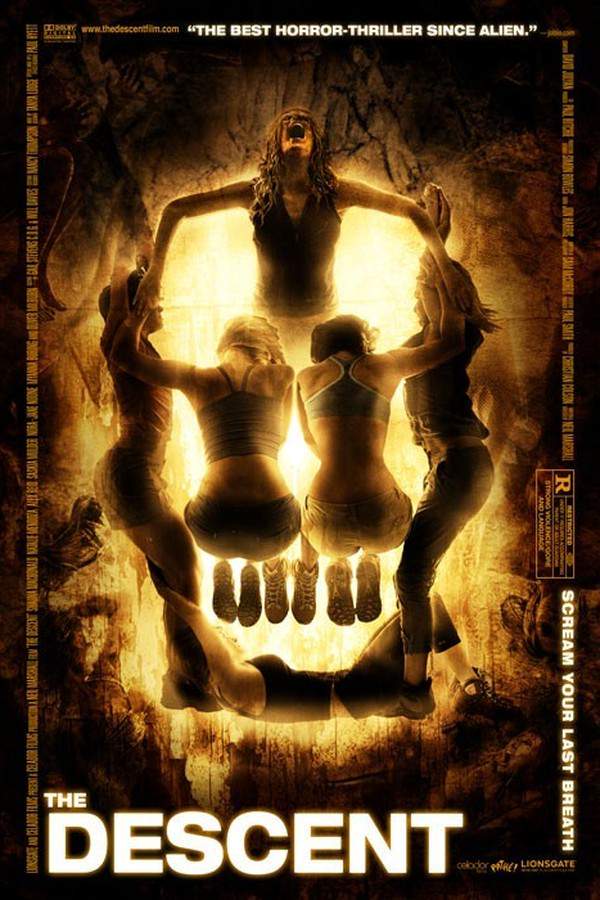
Psychological thrillers in isolation like Lord of the Flies

Claustrophobic tales where a confined setting breeds paranoia and violence. Find movies like Lord of the Flies that trap characters in confined spaces. These similar thrillers and dramas use isolation to explore group dynamics, power struggles, and the descent into madness, creating an oppressive and paranoid atmosphere.

  • claustrophobic
  • paranoid
  • anxious
  • unsettling
  • oppressive
  • fearful
  • Tone: oppressive, paranoid, tense
  • Pacing: steady, methodical
Why these movies?

The story pattern: The narrative is defined by a confined or inescapable setting—an island, a bunker, a remote outpost—that forces characters into intense proximity. Internal group dynamics, rather than an external monster, become the primary source of conflict, leading to fractured loyalties, mob mentality, and tragic consequences.

Why they belong together: These films are united by their use of a contained world to generate relentless psychological pressure. They share an oppressive and anxious mood, a steady pacing that allows tension to simmer and boil over, and a high intensity derived from the characters being trapped with their own worst impulses.

If you liked this

Movies Like Lord of the Flies

Similar movies to Lord of the Flies: the same genre, themes or kind of story. Each one comes with its own plot summary, timeline and ending explained.

Browse all movie summaries

Every angle

Lord of the Flies (1963) Explained: Plot, Timeline & Characters

Everything about Lord of the Flies in one place: what happens in the plot summary, the timeline in chronological order, the characters and meaning and a spoiler-free summary. What's After the Movie adds the cast, box office and post-credit scenes.

Coming soon on iOS and Android

The Plot Explained Movie Summary App

Plot summaries, endings explained and timelines on your phone. Catch up on any movie in minutes, save your favorites and never miss a twist again.

Be the first to know when we launch. Your email stays private, always.

Learn more about the app