Plot Explained Spoilers guaranteed!
Plot Explained

Browse by genre

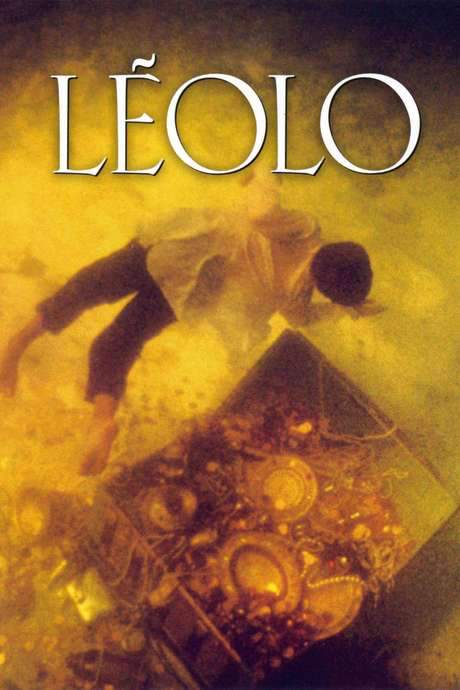
Léolo (1992) movie poster

Characters & Themes

Léolo (1992) Characters, Setting & Themes Explained

Release, runtime and language
1992 · 107 mins · French
Loading streaming availability…
Directed by
Jean-Claude Lauzon
Starring
Denys Arcand, Gilbert Sicotte, Ginette Reno, Julien Guiomar, Cat Lemieux, Germain Houde

Growing Up Can Be Painfully Funny. The story of an imaginative boy who pretends he is the child of a sperm-laden Sicilian tomato upon which his mother accidentally fell.

On this page (8)
  1. 1 Where to watch
  2. 2 Characters explained (4)
  3. 3 Where & when it takes place
  4. 4 Themes & meaning (3)
  5. 5 Character & meaning questions
  6. 6 Movie threads
  7. 7 Movies like Léolo
  8. 8 Every angle
Loading streaming availability…

4 main characters · contains spoilers

Léolo Characters Explained: Who Is Who

The main characters of Léolo (1992), heroes and villains: what drives them, how they change over the course of the story and what each of them reveals about the film's bigger ideas.

  • Léo Lauzon

    A young boy living in a dysfunctional family, Léo uses vivid fantasies and books to cope with his harsh reality. His imagination sparks a journey of self-discovery, and his narrative reveals deep emotional struggles within his environment.

    • 🧠 Imaginative
    • 🌧️ Troubled
    • 📝 Writer
  • Grandfather

    played by Julien Guiomar

    Léolo’s grandfather is depicted as an oppressive figure involved in manipulative and abusive behaviors. His actions contribute to the chaos in the family and influence Léolo’s perception of safety and trust.

    • 👴 Authoritarian
    • 🐍 Corrupt
    • 🩺 Elder
  • Bianca

    played by Cat Lemieux

    A neighboring young woman who becomes a focal point of Léolo’s fantasies. She symbolizes innocence and beauty, representing a desirable yet unreachable ideal within his imagination.

    • 🎶 Artist
    • ✨ Innocent
    • 💭 Object of Desire
  • Regina

    A prostitute whom Léolo seeks out, symbolizing the child's awareness of adult sexuality and his desire for connection amidst chaos. Her character highlights themes of innocence lost and the blurred boundaries of childhood.

    • 💃 Adult
    • 🚺 Sympathetic
    • 🔥 Complex

Last updated: August 19, 2025 at 05:05

Was this helpful?

Setting

Where and When Does Léolo Take Place?

The setting of Léolo (1992): the year and time period, the places and locations, and how they shape the characters, the mood and the tension of the story.

Time period

1980s

The movie is set in the 1980s, a period marked by economic challenges and cultural shifts in Montreal. This era allows for the depiction of a gritty urban environment and the struggles of a dysfunctional family, reflecting the social and economic realities of that time.

Location

Mile End, Montreal

Mile End is a vibrant neighborhood in Montreal known for its eclectic artistic scene and historic tenement buildings. The area features diverse cultures and a bohemian atmosphere that influences the lives of its residents. Its unique setting offers a gritty yet creative backdrop for the movie's narrative of a young boy's imaginative escape.

  • 🏙️ Urban
  • 🎨 Artistic
  • 🏚️ Tenement

Last updated: August 19, 2025 at 05:05

Was this helpful?

3 major themes

Léolo Meaning: Themes & Message Explained

What is Léolo (1992) really about? The emotional, social and philosophical themes the film keeps returning to, its symbolism and the message beneath the surface.

  • Chaos

    The film explores themes of family dysfunction and mental instability, illustrating the chaos within Léolo's household. The narrative portrays a world where reality and imagination blur, emphasizing disorder and confusion in family relationships.

  • Imagination

    Léolo’s vivid fantasies serve as an escape from his troubled environment. The movie highlights the power of imagination to provide hope and refuge amid adversity, showcasing how a child copes with a dysfunctional family through creative daydreams.

  • Identity

    The film deals with themes of self-perception and racial identity, especially Léolo’s declaration of being Italian rather than French Canadian. His identity is fluid and influenced by his fantasies and the turbulent realities of his environment.

Last updated: August 19, 2025 at 05:05

Was this helpful?

Character & theme questions

Léolo Characters & Meaning: Your Questions Answered

The questions people ask about Léolo (1992): who the characters really are, their relationships, what the symbols mean, where it takes place and what the movie is really about. Each answer contains spoilers.

Q1

Where is the movie set?

Léolo is set in the Mile End neighborhood of Montreal, known for its eclectic artistic scene and historic tenement buildings. This urban environment provides a gritty yet creative backdrop for the narrative. The location influences the lives of the residents and shapes the boy's imaginative escape.

  • mile end
  • montreal
  • setting
  • urban
  • location
Q2

When does the story take place?

The story takes place in the 1980s, a period marked by economic challenges and cultural shifts in Montreal. This era allows for the depiction of a gritty urban environment and the struggles of a dysfunctional family. The time context reflects the social and economic realities of that decade.

  • 1980s
  • time period
  • era
  • montreal
  • context
Q3

Why does Léo claim he was born from a tomato?

Léo pretends he is the child of a Sicilian tomato upon which his mother accidentally fell as a way to cope with his harsh reality. This imaginative origin story is central to the plot of Léolo and highlights the power of fantasy. It serves as an escape from his troubled environment and family dysfunction.

  • tomato
  • origin
  • fantasy
  • imagination
  • coping
Q4

Why does Léo say he is Italian?

Léo declares himself Italian rather than French Canadian to assert a fluid identity influenced by his fantasies. This theme of identity is key in Léolo and explores self-perception and racial identity. His declaration is a response to the turbulent realities of his environment.

  • identity
  • italian
  • french canadian
  • self-perception
  • culture
Q5

Who is Léo Lauzon?

Léo Lauzon is the young protagonist living in a dysfunctional family who uses vivid fantasies and books to cope. His character drives the narrative of Léolo through a journey of self-discovery and emotional struggle. He represents the fragile mental state of a child seeking refuge.

  • leo lauзон
  • protagonist
  • child
  • character
  • role
Q6

What role does the grandfather play?

The grandfather is depicted as an oppressive figure involved in manipulative and abusive behaviors within the family. His actions contribute to the chaos in Léolo and influence the protagonist's perception of safety. He represents the darker aspects of the household dynamic.

  • grandfather
  • abusive
  • oppressive
  • family
  • conflict
Q7

Who is Bianca in the story?

Bianca is a neighboring young woman who becomes a focal point of Léo's fantasies and symbolizes innocence. In Léolo, she represents a desirable yet unreachable ideal within his imagination. Her presence highlights the child's awareness of beauty amidst chaos.

  • bianca
  • neighbor
  • fantasy
  • innocence
  • ideal
Q8

What does Regina represent?

Regina is a prostitute whom Léo seeks out, symbolizing the child's awareness of adult sexuality and desire for connection. Her character in Léolo highlights themes of innocence lost and blurred boundaries of childhood. She underscores the intensity of the narrative.

  • regina
  • prostitute
  • sexuality
  • innocence
  • theme
Q9

What does the theme of chaos represent?

The theme of chaos explores family dysfunction and mental instability illustrating the disorder within the household. In Léolo, this emphasizes how reality and imagination blur amidst confusion. It defines the emotional weight and heavy narrative tone.

  • chaos
  • dysfunction
  • mental instability
  • family
  • theme
Q10

How does imagination function in the film?

Imagination serves as an escape from the troubled environment and provides hope and refuge amid adversity. Léolo showcases how a child copes with a dysfunctional family through creative daydreams. This mechanism is vital for the protagonist's survival.

  • imagination
  • escape
  • hope
  • coping
  • fantasy
Q11

What is the overall tone of the movie?

The tone is firmly dark, rooted in abuse, insanity, and trauma, though filtered through whimsical imagination. Léolo maintains high intensity due to relentless psychological pressure and disturbing events. The surreal contrast defines the unique viewing experience.

  • tone
  • dark
  • surreal
  • intense
  • trauma
Q12

What is the family dynamic like?

The family dynamic is characterized by dysfunction, mental instability, and oppressive behaviors from elders. Léolo portrays a world where trust is compromised by manipulative actions. This environment forces the child to seek refuge in fantasy.

  • family
  • dynamic
  • dysfunction
  • instability
  • home
Q13

How is the story narrated?

The narrative is complex due to unreliable narration blending fantasy and reality with layered themes. Léolo shifts between slow internal observation and sudden bursts of violence. This style reflects the protagonist's fragile mental state.

  • narration
  • unreliable
  • complex
  • style
  • perspective
Q14

How does the setting influence the story?

The Mile End setting offers a gritty yet creative backdrop that influences the lives of residents and the boy's escape. In Léolo, the tenement buildings and urban atmosphere shape the conflicts. The location grounds the imaginative narrative in reality.

  • setting
  • influence
  • mile end
  • urban
  • backdrop
Q15

What cultural context shapes the identity conflict?

The cultural context involves a shift between French Canadian and Italian identity within the 1980s Montreal era. Léolo deals with themes of self-perception and racial identity shaped by this environment. The conflict highlights the fluid nature of the protagonist's self-view.

  • culture
  • context
  • identity
  • conflict
  • montreal

Movie threads

More Movies Like Léolo, by Mood & Story

Curated lists built around what makes Léolo tick: the same mood, the same kind of story or the same emotional payoff. Each list explains why these movies belong together.

Movies About Imagination as Escape Like Léolo

Where characters create elaborate inner worlds to survive unbearable realities. Discover movies like Léolo that explore the power of fantasy as a refuge. This thread gathers surreal coming-of-age stories and character-driven dramas where imagination battles trauma. If you liked Léolo's unique blend of dark reality and creative fantasy, you'll find similar emotional journeys here.

  • dreamlike
  • melancholic
  • surreal
  • anxious
  • poignant
  • imaginative
  • Tone: melancholic, surreal, dark
  • Pacing: variable, introspective
Why these movies?

The story pattern: These narratives follow a character navigating a harsh, oppressive, or traumatic reality by retreating into a complex inner world. The plot often hinges on the tension between the beautiful or absurd inventions of the mind and the grim truths they seek to mask, leading to an emotionally complex resolution that may involve a tragic collapse or a bittersweet survival.

Why they belong together: Movies in this thread share a core theme of psychological survival through invention. They are connected by a melancholic, dreamlike mood, a contrast between dark tones and whimsical elements, and a focus on the fragility of a mind under pressure.
Surreal Family Dysfunction Movies Like Léolo

Distorted, dreamlike portraits of family life filled with madness and dark humor. Explore films similar to Léolo that depict family life as a surreal nightmare. If you were captivated by Léolo's bizarre and anxious portrayal of a dysfunctional household, this list features other darkly humorous and haunting stories about families unraveling in uniquely cinematic ways.

  • dysfunctional
  • surreal
  • oppressive
  • alienating
  • dark humor
  • bizarre
  • Tone: dark, absurd, alienating
  • Pacing: variable, observational
Why these movies?

The story pattern: These stories unfold within the claustrophobic confines of a family unit that operates by its own bizarre, sometimes terrifying, logic. The narrative is less about external plot and more about observing the strange rituals, inherited madness, and emotional violence that define the characters' lives, often viewed from the perspective of a confused or sensitive observer.

Why they belong together: These movies are grouped by their shared surreal aesthetic applied to domestic drama. They combine a high emotional weight with a dark, often absurdist tone, creating a specific vibe that is simultaneously funny, disturbing, and deeply sad.

If you liked this

Movies Like Léolo

Similar movies to Léolo: the same genre, themes or kind of story. Each one comes with its own plot summary, timeline and ending explained.

Browse all movie summaries

Every angle

Léolo (1992) Explained: Plot, Timeline & Characters

Everything about Léolo in one place: what happens in the plot summary, the timeline in chronological order, the characters and meaning and a spoiler-free summary. What's After the Movie adds the cast, box office and post-credit scenes.

Coming soon on iOS and Android

The Plot Explained Movie Summary App

Plot summaries, endings explained and timelines on your phone. Catch up on any movie in minutes, save your favorites and never miss a twist again.

Be the first to know when we launch. Your email stays private, always.

Learn more about the app