Year: 1992
Runtime: 107 mins
Language: French
Director: Jean-Claude Lauzon
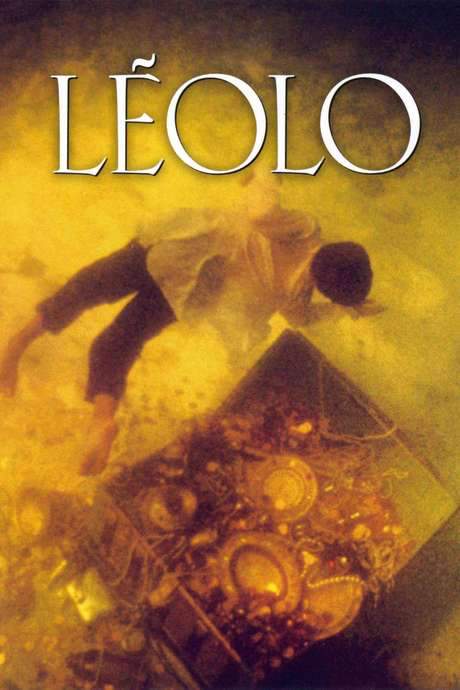
Growing Up Can Be Painfully Funny. The story of an imaginative boy who pretends he is the child of a sperm-laden Sicilian tomato upon which his mother accidentally fell.
Warning: spoilers below!
Haven’t seen Léolo yet? This summary contains major spoilers. Bookmark the page, watch the movie, and come back for the full breakdown. If you're ready, scroll on and relive the story!
Read the complete plot breakdown of Léolo (1992), including all key story events, major twists, and the ending explained in detail. Discover what really happened, and what it all means.
In the vibrant neighborhood of Mile End in Montreal, we follow the life of Léo Lauzon, a young boy navigating the chaos of a dysfunctional family living in a cramped tenement. As the unreliable narrator, Léo relies heavily on his vivid imagination and the influence of L’avalée des avalés, a novel by Québécois writer Réjean Ducharme, to cope with his harsh reality. His world is fractured, marked by feelings of alienation—he believes his father is insane and even denies being his son, creating a boundary between himself and his family members.
Léo’s sense of identity is complex; a dream reveals that his mother was pregnant after falling into a cart of tomatoes contaminated by an Italian man’s semen. This bizarre incident leads him to adopt an Italian identity, calling himself Léolo Lozone, and embracing a cultural shift that distances him from his French Canadian roots. His upbringing is unusual: he lives in an apartment inhabited by a rat in the bathtub, a turkey, and a family fixated on their bowel movements, all of which highlight the eccentricities that define his childhood.
Throughout his days, Léo writes about his world and thoughts, finding solace and expression through storytelling. One of his mysterious influences is the Word Tamer, a character who acts as a modern-day Don Quixote, rummaging through trash for letters and photographs, symbolizing the search for meaning amid chaos. Léo’s keen observations are focused on a neighbor girl named Bianca, whom he imagines singing to him from a closet, her voice emanating as a luminous white light that electrifies his fantasies. His grandfather, Germain Houde, plays a significant role in this young boy’s life—Léo perceives him as a potential threat, believing he once tried to drown him in a pool, seeding a deep mistrust.
In a disturbing turn, Léo witnesses his grandfather engaging in manipulative and exploitative behavior toward Bianca, financializing her and ultimately forcing her into sexual favors, exposing her breasts and even putting his feet into her mouth. This scene deepens Léo’s sexual curiosity, leading him to explore masturbation and develop complex fantasies about Bianca. His innocent explorations are complicated further by his brother, Fernand, who, after being beaten by a bully and failing in school, begins to build his muscles in an attempt to become stronger and invincible. His hopes, along with Léolo’s, are monitored perpetually by the Word Tamer, who reads their thoughts and dreams. Despite Léolo’s longing for courage and strength, a confrontation with the bully ends in Fernand’s overwhelming fear, resulting in another brutal beating that shocks Léolo deeply.
As the story unfolds, Léolo becomes increasingly convinced that his grandfather is the root of all family troubles. His frustration and anger reach a boiling point when he attempts to hang his grandfather while he is bathing, only to be caught in the act—his grandfather chokes but survives, and Léolo sustains injuries himself. This incident lands him in the hospital, where medical practitioners warn that his actions could have been attempted murder, though they do not press charges.
Seeking comfort, Léolo then turns to Regina, a prostitute, in his quest to understand sexuality and intimacy, reacting with a mixture of innocence and curiosity. His journey through these tumultuous experiences leaves him contemplating the darker aspects of human relationships. Ultimately, his fragile mental state leads him to seek refuge in a psychiatric institution, where many of his family members have also been treated, symbolizing the cycle of their struggles.
Throughout his turbulent childhood, Léo Lauzon’s world is a surreal blend of fantasy and reality—one that exposes the vulnerabilities of a boy trying to find meaning in a chaotic environment. The film paints a poignant yet vivid portrait of innocence lost within a complex web of family dysfunction, imagination, and the painful process of growing up.
Last updated: August 19, 2025 at 05:16
Explore frequently asked questions about Léolo (1992) with spoiler-rich answers covering the full plot summary, major story beats, character motivations, hidden details, and ending meaning. This movie summary FAQ helps explain confusing scenes, plot twists, and narrative decisions in clear, searchable detail.
Léolo has a surreal dream that reveals he was conceived when his mother accidentally fell into a cart of tomatoes that had been contaminated by an Italian man's semen. This bizarre origin story leads him to adopt the Italian name 'Léolo Lozone' and embrace an Italian identity, using it as a way to distance himself from his French Canadian family and create a more desirable origin for himself.
The dream plant the seeds of his Italian identity early in the film, which becomes central to his sense of self.
The Word Tamer is a mystical figure who roams the neighborhood collecting discarded letters and photographs from trash cans. Modeled after Don Quixote, this character represents Léolo's search for meaning in a chaotic world. The Word Tamer monitors Léolo and his brother Fernand, reading their thoughts and dreams, serving as a surreal narrative device that connects the boy's inner fantasy world to his harsh reality.
The Word Tamer appears early, observing the family and hinting at the psychological themes to come.
Léolo becomes convinced that his grandfather is the source of all his family's problems. After witnessing his grandfather exploit Bianca sexually and financially, and believing the old man once tried to drown him in a pool, Léolo's frustration reaches a breaking point. He attempts to hang his grandfather while he's in the bathtub as an act of revenge, but the plan goes wrong, his grandfather chokes and Léolo himself sustains injuries.
Léolo's deep mistrust of his grandfather builds throughout the film, with early scenes showing his fear of the old man.
Léolo observes his grandfather manipulating Bianca financially and sexually, he pays her and forces her to expose her breasts, even putting his feet into her mouth. This disturbing exploitation deeply impacts Léolo, awakening his own sexual curiosity about Bianca and fueling his hatred toward his grandfather.
This exploitation directly precedes Léolo's sexual fantasies about Bianca and his violent decision against his grandfather.
After seeing other boys his age pursuing sexual experiences and feeling confused about sexuality due to witnessing his grandfather's exploitation of Bianca, Léolo seeks out Regina, a prostitute, to explore his own sexuality and understand intimacy. This encounter represents his painful coming-of-age journey, mixing innocence with curiosity in his attempt to make sense of adult relationships.
His sexual confusion has been building since witnessing his grandfather's actions with Bianca.
Fernand, Léolo's brother, is bullied at school and fails academically, leading him to become obsessed with physical strength. He begins weight training in an attempt to become invincible and protect himself from further harm. Despite his hopes, Fernand's fear overwhelms him during a confrontation with the bully, resulting in another brutal beating that Léolo witnesses helplessly.
This subplot runs parallel to Léolo's own desire for strength and courage against his problems.
After his failed attempt to hang his grandfather, Léolo is hospitalized and medical staff warn him that his actions could constitute attempted murder. The accumulated trauma, witnessing sexual exploitation, his brother's beatings, his family's dysfunction, and his own violent impulses, proves overwhelming. He eventually becomes ill and is placed in a psychiatric institution where many of his family members have already been treated, completing the cycle of mental struggle.
His violent outburst and family's history of mental illness set the stage for his institutionalization.
By adopting the surname 'Lozone' (a play on Lauzon, his real family name), Léolo creates an Italian-sounding alternative identity. This renaming represents his rejection of his French Canadian heritage and his desperate attempt to fabricate a more appealing personal history. The Italian identity becomes his psychological refuge, allowing him to mentally escape his troubled family and circumstances.
This Italian identity stems from the dream about his origins and persists throughout the film.
Léolo fantasizes about Bianca as a luminous being who sings to him from within a closet, her voice emanating as a bright white light that electrifies his imagination. This fantasy represents his innocentidealization of her, a stark contrast to the dark reality of what his grandfather does to her. Bianca becomes both a sexual object of his pubescent curiosity and an angelic figure of pure imagination.
This fantasy prepares the viewer for the shocking contrast when Léolo witnesses the reality of his grandfather's exploitation.
Léolo narrates his childhood through the filter of intense imagination and psychological trauma. He escapes harsh reality by immersing himself in the novel 'L'avalée des avalés' and creating elaborate fantasies. His perceptions are shaped by his desire to believe his father is insane, his conviction that his grandfather tried to drown him, and his fabricated Italian identity, making viewers question what is real versus what he has imagined or rationalized.
The Word Tamer's presence suggests the fluid boundary between Léolo's fantasy and reality.
The eccentric household includes a rat living in the bathtub and a turkey roaming the apartment, reflecting the chaotic, dysfunctional nature of Léolo's family environment. These unusual details highlight the family's neglect and the bizarre conditions under which Léolo grows up, blending surreal imagery with the harsh realities of his upbringing.
These odd elements establish the film's tone of chaotic realism from the start.
Discover curated groups of movies connected by mood, themes, and story style. Browse collections built around emotion, atmosphere, and narrative focus to easily find films that match what you feel like watching right now.
Where characters create elaborate inner worlds to survive unbearable realities.Discover movies like Léolo that explore the power of fantasy as a refuge. This thread gathers surreal coming-of-age stories and character-driven dramas where imagination battles trauma. If you liked Léolo's unique blend of dark reality and creative fantasy, you'll find similar emotional journeys here.
These narratives follow a character navigating a harsh, oppressive, or traumatic reality by retreating into a complex inner world. The plot often hinges on the tension between the beautiful or absurd inventions of the mind and the grim truths they seek to mask, leading to an emotionally complex resolution that may involve a tragic collapse or a bittersweet survival.
Movies in this thread share a core theme of psychological survival through invention. They are connected by a melancholic, dreamlike mood, a contrast between dark tones and whimsical elements, and a focus on the fragility of a mind under pressure.
Distorted, dreamlike portraits of family life filled with madness and dark humor.Explore films similar to Léolo that depict family life as a surreal nightmare. If you were captivated by Léolo's bizarre and anxious portrayal of a dysfunctional household, this list features other darkly humorous and haunting stories about families unraveling in uniquely cinematic ways.
These stories unfold within the claustrophobic confines of a family unit that operates by its own bizarre, sometimes terrifying, logic. The narrative is less about external plot and more about observing the strange rituals, inherited madness, and emotional violence that define the characters' lives, often viewed from the perspective of a confused or sensitive observer.
These movies are grouped by their shared surreal aesthetic applied to domestic drama. They combine a high emotional weight with a dark, often absurdist tone, creating a specific vibe that is simultaneously funny, disturbing, and deeply sad.
Don't stop at just watching - explore Léolo in full detail. From the complete plot summary and scene-by-scene timeline to character breakdowns, thematic analysis, and a deep dive into the ending - every page helps you truly understand what Léolo is all about. Plus, discover what's next after the movie.
Track the full timeline of Léolo with every major event arranged chronologically. Perfect for decoding non-linear storytelling, flashbacks, or parallel narratives with a clear scene-by-scene breakdown.
Discover the characters, locations, and core themes that shape Léolo. Get insights into symbolic elements, setting significance, and deeper narrative meaning - ideal for thematic analysis and movie breakdowns.
Discover movies like Léolo that share similar genres, themes, and storytelling elements. Whether you’re drawn to the atmosphere, character arcs, or plot structure, these curated recommendations will help you explore more films you’ll love.
Léolo (1992) Scene-by-Scene Movie Timeline
Léolo (1992) Movie Characters, Themes & Settings
Léolo (1992) Spoiler-Free Summary & Key Flow
Movies Like Léolo – Similar Titles You’ll Enjoy
Lolo (2016) Plot Summary & Ending Explained
Little Lili (2004) Full Movie Breakdown
Loue-moi ! (2017) Spoiler-Packed Plot Recap
Lulu (2005) Full Summary & Key Details
Lolita’s Club (2007) Movie Recap & Themes
Tom and Lola (1990) Detailed Story Recap
Leef! (2005) Film Overview & Timeline
A Leap in the Dark (1980) Plot Summary & Ending Explained
Lola’s Secret (1984) Full Movie Breakdown
The Ages of Lulu (1990) Film Overview & Timeline
Lolita Separates (1988) Plot Summary & Ending Explained
Luna (1979) Ending Explained & Film Insights
Playing with Love (1977) Full Summary & Key Details
The World of Ludovic (1993) Full Movie Breakdown
Ovosodo (1997) Movie Recap & Themes