Plot Explained Spoilers guaranteed!
Plot Explained

Browse by genre

Living Proof (2017) movie poster

Plot Summary

Living Proof (2017) Plot Summary Explained

Release, runtime and language
2017 · 97 mins · English
Loading streaming availability…
Starring
Joan Embry, Matt Embry, Ashton Embry

Filmmaker Matt Embry explores the complexities of multiple sclerosis in this documentary. After being diagnosed with the condition, he embarks on a journey across international locations, including Italy and Canada. The film combines scientific insights from laboratories with personal experiences and the realities of living with MS, offering a revealing look at the challenges and politics surrounding the disease.

On this page (6)
  1. 1 Where to watch
  2. 2 What happens: full plot
  3. 3 Plot questions answered
  4. 4 Movie threads
  5. 5 Movies like Living Proof
  6. 6 Every angle
Loading streaming availability…

Full plot summary · contains spoilers

What Happens in Living Proof: Full Plot Summary

The whole story of Living Proof (2017) explained, from the opening scene to the final frame: every key event, every twist and what it all adds up to. Read it as a quick recap before the sequel, to check a scene you missed, or to finally understand what really happened.

This documentary follows Matt Embry as he investigates the complexities of multiple sclerosis (MS). The journey begins with a conversation between Embry and Larry Findlater, an MS patient who shares his personal experience with the disease's progression and his participation in experimental drug programs.

To better understand the condition, Matt Embry consults with experts, including George Ebers, a neurologist at Oxford University, who explains the two stages of MS and its potential triggers. The search for solutions leads Embry to California, where he explores stem cell therapy through discussions with Christopher Duma and a patient named Viola Tsang. He also meets with Jeff Beal and his wife, who introduced him to Mike Dake, a cardiothoracic surgeon specializing in the treatment of chronic cerebrospinal venous insufficiency (CCSVI).

The personal stakes are highlighted when it is revealed that Matt Embry's father, Ashton Embry, a research scientist, discovered a lack of effective treatments following Matt's diagnosis. This led Ashton Embry to focus on the impact of vitamin D and dietary changes. The film further examines lifestyle modifications through the stories of David Lyons, who emphasizes fitness, author Judy Graham, and physician Terry Wahls, who discusses the significant health improvements she achieved by altering her diet and daily habits.

Last updated: October 20, 2026 at 01:17

Was this helpful?

Plot questions answered

Living Proof Plot Explained: Your Questions Answered

The questions people ask most about Living Proof (2017): what happens in the confusing scenes, why the characters do what they do, the twists, hidden details and what the ending means. Each answer contains spoilers.

Q1

Why did Matt Embry make Living Proof?

Matt Embry was diagnosed with multiple sclerosis, which prompted him to investigate the disease thoroughly. The documentary follows his personal mission to explore scientific insights, experimental treatments, and lifestyle interventions after conventional medicine offered him limited answers. His own diagnosis became the entry point for examining MS from medical, political, and patient perspectives.

  • matt embry
  • diagnosis
  • motivation
  • personal journey
  • documentary purpose
Q2

Why did Ashton Embry focus on diet and vitamin D instead of conventional MS treatments?

Ashton Embry, Matt's father, investigated available options after his son's diagnosis and concluded that no truly effective pharmaceutical treatments existed for multiple sclerosis. As a research scientist, he turned to lifestyle-based interventions, centering on diet and vitamin D supplementation. This philosophy shaped the documentary's emphasis on patient-driven alternatives over mainstream drug therapy.

  • ashton embry
  • vitamin d
  • diet
  • alternative treatment
  • lifestyle intervention
Q3

What is CCSVI and how does Mike Dake's work connect to MS?

CCSVI (chronic cerebrospinal venous insufficiency) is a vascular condition that some researchers believe is linked to multiple sclerosis. Cardiothoracic surgeon Mike Dake treats patients for CCSVI, proposing that impaired venous drainage may contribute to MS progression. The documentary examines his approach as part of its exploration of treatment possibilities beyond conventional neurology.

  • ccsvi
  • mike dake
  • venous insufficiency
  • vascular treatment
  • alternative theory
Q4

What are the two stages of MS that George Ebers explains?

Neurologist George Ebers describes multiple sclerosis as a disease that progresses in two distinct stages. The first stage involves inflammatory activity, while the second stage is characterized by progressive neurodegeneration with less inflammation. This framework is important because it shapes how treatments, including lifestyle interventions discussed in the documentary, are evaluated for effectiveness.

  • george ebers
  • two stages
  • ms progression
  • inflammation
  • neurodegeneration
Q5

Why did Jeff Beal's wife reach out to Mike Dake?

Jeff Beal's wife contacted cardiothoracic surgeon Mike Dake while searching for treatment options after MS affected their family. Looking beyond conventional neurology, she sought out alternative approaches including Dake's CCSVI-related work. Her outreach became one of the human stories the documentary uses to highlight how patients pursue unconventional paths when standard care falls short.

  • jeff beal
  • wife
  • mike dake
  • patient advocacy
  • family experience
Q6

What stem cell treatment did Viola Tsang receive in Living Proof?

Viola Tsang is an MS patient who underwent stem cell therapy, an experimental procedure explored in the California segment of Living Proof. Her firsthand account of the treatment and its effects on her condition provides a patient-centered look at this experimental option. Her interview with Embry offers viewers a concrete example of the risks and possibilities of stem cell-based MS treatment.

  • viola tsang
  • stem cell therapy
  • experimental treatment
  • california
  • patient experience
Q7

Why did Larry Findlater participate in experimental drug programs?

Larry Findlater, the first MS patient featured in Living Proof, took part in experimental drug programs as his condition progressed and standard options failed to provide relief. His participation reflects the desperation many MS patients feel when facing a disease with limited effective treatments. His story sets the tone for the documentary's investigation into alternatives beyond mainstream pharmaceuticals.

  • larry findlater
  • experimental drugs
  • drug trials
  • patient desperation
  • early patient
Q8

How did Terry Wahls' diet transform her MS symptoms?

Physician Terry Wahls, herself diagnosed with multiple sclerosis, adopted a nutrition-based lifestyle approach and reported meaningful improvements in her symptoms. She credits specific dietary changes with helping her regain function and manage the disease. Her story reinforces the documentary's central argument that food and lifestyle can serve as a form of medicine for chronic illness.

  • terry wahls
  • diet transformation
  • physician
  • nutrition
  • ms improvement
Q9

What lifestyle changes did David Lyons adopt to manage MS?

David Lyons, an MS patient featured in Living Proof, committed to a rigorous fitness and diet regimen to manage his condition. His segment showcases the physical commitment required to live with MS through structured exercise and nutrition. Lyons' example embodies the documentary's emphasis on patient agency and active self-management of chronic illness.

  • david lyons
  • fitness
  • lifestyle changes
  • exercise
  • ms management
Q10

Why does Judy Graham's 43-year experience with MS matter?

Judy Graham, an author, has lived with multiple sclerosis for 43 years, making her one of the longest-surviving patients featured in the documentary. Her decades-long perspective offers insight into long-term disease management and the evolving landscape of MS treatment. Graham's story provides hope and continuity, contrasting with the more recent diagnoses explored elsewhere in the film.

  • judy graham
  • long-term ms
  • 43 years
  • author
  • disease management
Q11

What is the central message of Living Proof?

Living Proof argues that multiple sclerosis patients can take meaningful control of their condition through diet, exercise, and alternative treatment strategies rather than relying solely on pharmaceutical drugs. By weaving together expert interviews, experimental treatments, and personal patient stories, the documentary promotes patient empowerment. Its hopeful tone positions lifestyle change as a form of evidence-based medicine.

  • central message
  • patient empowerment
  • lifestyle medicine
  • documentary theme
  • hope
Q12

Why did Matt Embry travel to multiple countries for the documentary?

Matt Embry traveled across international locations, including Oxford, California, Italy, and Canada, to consult with leading MS researchers and patients using diverse treatment approaches. Each destination offered a different lens on the disease, from cutting-edge stem cell research to long-standing lifestyle intervention programs. The international scope allowed the documentary to compare global perspectives on MS care.

  • international travel
  • research locations
  • global perspective
  • multiple sclerosis
  • investigative documentary

Movie threads

More Movies Like Living Proof, by Mood & Story

Curated lists built around what makes Living Proof tick: the same mood, the same kind of story or the same emotional payoff. Each list explains why these movies belong together.

Investigative medical documentaries like Living Proof

Ordinary patients become investigators, uncovering corruption and profit motives hidden behind conventional medicine. If you liked Living Proof and want more movies like it, explore these investigative documentaries and dramas that follow patients challenging the medical establishment. Discover similar films that expose pharmaceutical politics, alternative treatment research, and patient-led inquiries into chronic illness, combining personal narrative with rigorous scientific and journalistic investigation.

  • investigative
  • determined
  • informative
  • personal
  • revealing
  • thoughtful
  • Tone: investigative, determined
  • Pacing: steady, methodical
Why these movies?

The story pattern: These stories typically begin with a personal diagnosis or medical crisis that the protagonist refuses to accept as final. They escalate into broader investigations involving travel to international clinics, laboratories, and conferences, where the central character interviews both mainstream and alternative practitioners. Conflicts arise between patient experience and institutional resistance, and the narrative often reveals uncomfortable truths about funding, regulation, and industry influence, ultimately reframing the protagonist from patient to advocate.

Why they belong together: Films in this thread share an investigative, determined tone and a steady, interview-driven pacing that builds evidence methodically. They are united by their focus on chronic illness, alternative therapies, drug industry politics, and patient advocacy, while maintaining enough narrative throughline to feel personal rather than purely academic.

Hopeful chronic illness documentaries like Living Proof

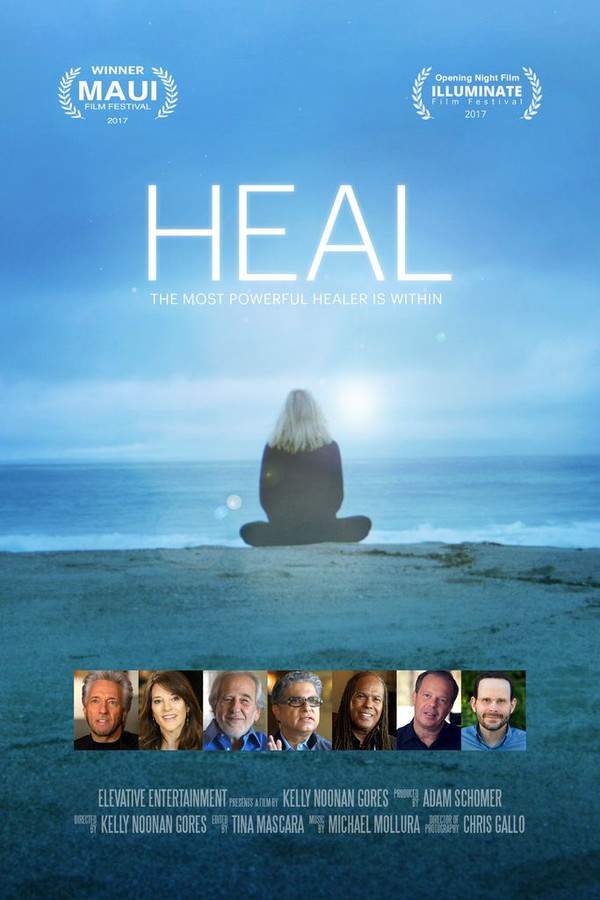
Hopeful stories that turn devastating diagnoses into quests for agency, healing, and new possibilities. Movies like Living Proof that balance hardship with hope, showing patients reclaiming their lives through empowerment, lifestyle change, and alternative healing. If you appreciated Living Proof's reflective and uplifting approach to chronic illness, you'll find similar documentaries and dramas here that follow determined individuals finding meaning, improvement, and agency beyond their diagnosis.

  • hopeful
  • empowering
  • reflective
  • personal
  • determined
  • sober
  • Tone: hopeful, empowering
  • Pacing: steady, reflective
Why these movies?

The story pattern: These stories open with a sobering medical reality, then pivot as the protagonist commits to a personal project of self-study and transformation. The narrative moves through setbacks, breakthroughs, and emotionally meaningful encounters with doctors, families, and fellow patients, building toward a conclusion that is rarely a clean cure but often a meaningful, empowering reorientation toward life with illness.

Why they belong together: Films in this thread share a hopeful yet sober tone and a steady, reflective pacing that honors both the difficulty of chronic illness and the possibility of growth. They emphasize patient agency, dietary and lifestyle interventions, scientific curiosity, and personal storytelling, creating an emotional arc that feels heavy but ultimately uplifting rather than tragic.

If you liked this

Movies Like Living Proof

Similar movies to Living Proof: the same genre, themes or kind of story. Each one comes with its own plot summary, timeline and ending explained.

Browse all movie summaries

Every angle

Living Proof (2017) Explained: Plot, Timeline & Characters

Everything about Living Proof in one place: what happens in the plot summary, the timeline in chronological order, the characters and meaning and a spoiler-free summary. What's After the Movie adds the cast, box office and post-credit scenes.

Coming soon on iOS and Android

The Plot Explained Movie Summary App

Plot summaries, endings explained and timelines on your phone. Catch up on any movie in minutes, save your favorites and never miss a twist again.

Be the first to know when we launch. Your email stays private, always.

Learn more about the app