





Plot Explained Spoilers guaranteed!
Plot Explained

Browse by genre

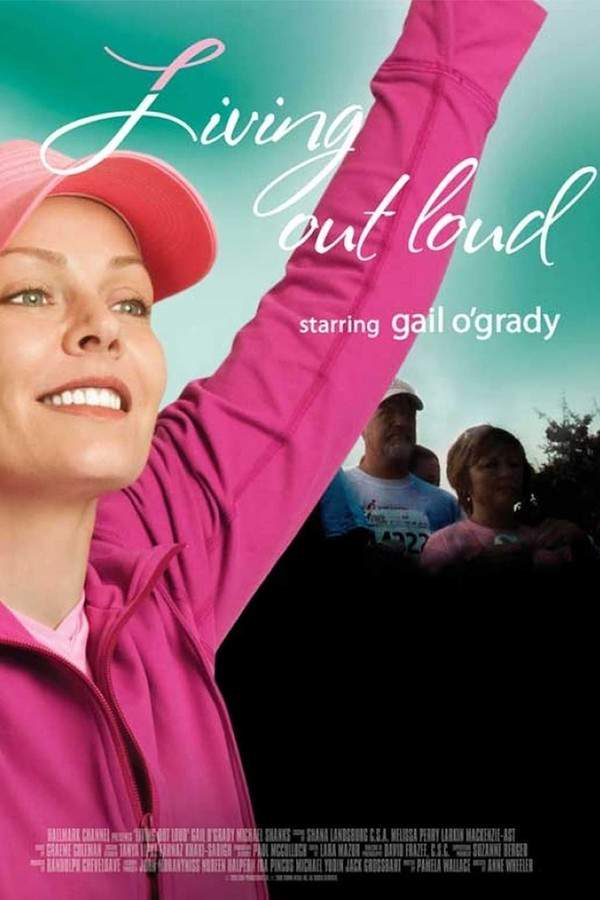
Living Out Loud (1998) movie poster

Characters & Themes

Living Out Loud (1998) Characters, Setting & Themes Explained

Release, runtime and language
1998 · 100 min · English
Directed by
Richard LaGravenese
Starring
Holly Hunter, Danny DeVito
Budget
$20M

Facing a difficult diagnosis, a high school chorus teacher resolves to continue sharing her love of music and teaching. She embraces life with unwavering optimism, inspiring her students and colleagues alike. Through her passion and resilience, she demonstrates the importance of finding joy and connection, reminding everyone to live each day to the fullest.

On this page (8)
  1. 1 Where to watch
  2. 2 Characters explained (3)
  3. 3 Where & when it takes place
  4. 4 Themes & meaning (3)
  5. 5 Character & meaning questions
  6. 6 Movie threads
  7. 7 Movies like Living Out Loud
  8. 8 Every angle

Where to watch

Where to Watch Living Out Loud (1998)

Where can you watch Living Out Loud? Stream, rent or buy it in the US, including on Amazon Video, Apple TV Store and Fandango At Home: current JustWatch availability with up-to-date prices.

Streaming availability powered by JustWatch

3 main characters · contains spoilers

Living Out Loud Characters Explained: Who Is Who

The main characters of Living Out Loud (1998), heroes and villains: what drives them, how they change over the course of the story and what each of them reveals about the film's bigger ideas.

  • Judith Moore

    Judith is a dedicated private caregiver grappling with the pain of her husband's betrayal. Her resilience shines through as she learns to navigate her emotional landscape and redefine her identity. Judith embodies the struggle between despair and hope, demonstrating her capacity for growth amidst heartbreak.

    • 👩‍⚕️ Caregiver
    • 💔 Betrayal
    • 🌱 Growth
  • Pat Francato

    played by Danny DeVito

    Pat, the building's superintendent, grapples with his own loneliness while being a supportive figure for Judith. His understanding nature and willingness to help others reveal a depth of character that contrasts with his financial struggles. Pat's journey reflects the importance of companionship and emotional support in challenging times.

    • 🏢 Superintendant
    • 🤝 Friendship
    • 🌧️ Loneliness
  • Liz Bailey

    played by Holly Hunter

    Liz is a vibrant singer who challenges Judith to confront her marital issues and embrace her true self. As a liberator, she introduces Judith to new experiences that help her break free from her inhibitions. Liz's charisma and confidence serve as an inspirational force in Judith's life.

    • 🎤 Singer
    • 💃 Empowerment
    • 🎉 Adventure

Last updated: October 22, 2024 at 22:31

Was this helpful?

Setting

Where and When Does Living Out Loud Take Place?

The setting of Living Out Loud (1998): the year and time period, the places and locations, and how they shape the characters, the mood and the tension of the story.

Time period

Modern Day

The film takes place in contemporary society, exploring themes of marital fidelity and personal growth. It reflects the struggles of urban life and the challenges individuals face when their relationships falter. Judith's journey through infidelity and self-discovery resonates with the modern zeitgeist of the late 20th century.

Location

Judith's Apartment, Nightclub, Italy

Judith's apartment serves as a sanctuary during her emotional turmoil, where she navigates the fallout from her husband's betrayal. The local nightclub is a vibrant backdrop where Judith confronts her feelings and meets new people, including Liz Bailey. Italy symbolizes a dream for new beginnings, reflected in Pat's business aspirations and the tickets he offers Judith.

  • 🏢 Apartment
  • 🎶 Nightclub
  • 🇮🇹 Italy

Last updated: October 22, 2024 at 22:31

Was this helpful?

3 major themes

Living Out Loud Meaning: Themes & Message Explained

What is Living Out Loud (1998) really about? The emotional, social and philosophical themes the film keeps returning to, its symbolism and the message beneath the surface.

  • Heartbreak

    The theme of heartbreak runs deeply through Judith's experience as she confronts her husband's infidelity. This emotional turmoil propels her into a journey of self-discovery, forcing her to reevaluate her past choices and the nature of her marriage. Ultimately, Judith's heartbreak leads to personal growth and a quest for new beginnings.

  • Connection

    Connection is an important theme, highlighted by the bond that forms between Judith and Pat as they navigate their loneliness together. Their relationship evolves from friendship to a deeper emotional support system, showcasing the importance of human connection in overcoming personal challenges. This connection serves as a crucial stepping stone for both characters in their journeys.

  • Self-Discovery

    Self-discovery becomes a vital aspect of Judith's journey as she learns to embrace her individuality after her marriage dissolves. Through her experiences, she finds strength in her career and personal aspirations, leading her to explore new paths in life. Judith's transformation highlights the empowering nature of self-awareness and resilience.

Last updated: October 22, 2024 at 22:31

Was this helpful?

Character & theme questions

Living Out Loud Characters & Meaning: Your Questions Answered

The questions people ask about Living Out Loud (1998): who the characters really are, their relationships, what the symbols mean, where it takes place and what the movie is really about. Each answer contains spoilers.

Q1

Where is Living Out Loud set?

The movie takes place in a contemporary urban setting, primarily in Judith's apartment and a local nightclub. Judith's apartment serves as her sanctuary during her emotional turmoil, while the nightclub becomes a vibrant backdrop where she confronts her feelings and meets new people. Italy also appears as a symbolic destination representing dream for new beginnings.

  • setting
  • new york
  • urban
  • nightclub
  • apartment
  • italy
Q2

When does Living Out Loud take place?

The film is set in modern day, contemporary society during the late 20th century. This time period reflects the struggles of urban life and the challenges individuals face when their relationships falter, capturing the modern zeitgeist of that era.

  • modern day
  • 1990s
  • contemporary
  • late 20th century
Q3

What are the main themes in Living Out Loud?

Living Out Loud explores three interconnected themes: Heartbreak, as Judith confronts her husband's betrayal and uses that pain to fuel self-discovery; Connection, highlighting the bond that forms between Judith and Pat as they navigate loneliness together; and Self-Discovery, as Judith learns to embrace her individuality after her marriage dissolves and finds strength in her career and personal aspirations.

  • heartbreak
  • connection
  • self-discovery
  • love
  • growth
Q4

Who is Judith Moore in Living Out Loud?

Judith Moore is a dedicated private caregiver who grapples with the pain of her husband's betrayal. Her journey embodies the struggle between despair and hope, demonstrating her capacity for growth amidst heartbreak. She is resilient, navigating her emotional landscape while learning to redefine her identity beyond her marriage.

  • judith moore
  • main character
  • caregiver
  • betrayal
Q5

Who is Pat Francato in Living Out Loud?

Pat Francato is the building's superintendent, portrayed by Danny DeVito. He grapples with his own loneliness while serving as a supportive figure for Judith. Despite his financial struggles, Pat's understanding nature and willingness to help others reveal a depth of character. His journey reflects the importance of companionship and emotional support in challenging times.

  • pat francato
  • danny devito
  • superintendent
  • loneliness
Q6

Who is Liz Bailey in Living Out Loud?

Liz Bailey, played by Holly Hunter, is a vibrant singer who challenges Judith to confront her marital issues and embrace her true self. Acting as a liberator, she introduces Judith to new experiences that help break free from her inhibitions. Liz's charisma and confidence serve as an inspirational force in Judith's journey of self-discovery.

  • liz bailey
  • holly hunter
  • singer
  • liberator
Q7

What does Italy represent in Living Out Loud?

Italy symbolizes a dream for new beginnings in the film. It is tied to Pat's business aspirations and the tickets he offers Judith, representing the possibility of escape and transformation. Italy serves as a metaphorical destination where characters can reinvent themselves and pursue unmet dreams.

  • italy
  • dream
  • new beginnings
  • aspiration
  • escape
Q8

What is the tone of Living Out Loud?

The film has a predominantly melancholic tone due to its focus on the raw emotional fallout of betrayal and the pervasive theme of loneliness. However, moments of liberation and new friendships provide counterbalance, creating a bittersweet tone. The emotional weight is moderate, serious subjects like divorce and financial debt are present, but the film maintains hope through Judith's optimism and personal growth.

  • tone
  • melancholy
  • bittersweet
  • emotional
  • loneliness
Q9

What does the relationship between Judith and Pat represent?

The relationship between Judith and Pat represents the importance of human connection in overcoming personal challenges. Their bond evolves from friendship to a deeper emotional support system as they both navigate their loneliness. This connection serves as a crucial stepping stone for both characters in their individual journeys of healing and self-discovery.

  • relationship
  • friendship
  • connection
  • support
  • companionship
Q10

What is the ending of Living Out Loud about?

The ending is bittersweet: Judith finds professional purpose and personal peace, embracing her love of music and teaching. However, her connection with Pat remains unfulfilled, reflecting an acceptance of reality over fantasy. The film suggests that while full romantic resolution may not occur, personal growth and self-acceptance are themselves meaningful victories.

Foreshadowing: The unfulfilled connection between Judith and Pat was foreshadowed throughout their hesitant, realistic interactions.

  • ending
  • bittersweet
  • resolution
  • acceptance
  • growth

Movie threads

More Movies Like Living Out Loud, by Mood & Story

Curated lists built around what makes Living Out Loud tick: the same mood, the same kind of story or the same emotional payoff. Each list explains why these movies belong together.

Movies with Urban Melancholy and Quiet Resilience like Living Out Loud

Quiet stories of self-discovery and connection in the modern city. If you liked the mood of Living Out Loud, explore more movies like it that focus on quiet self-discovery in a city setting. These similar drama and comedy films feature characters finding their footing after a personal crisis, blending melancholic reflection with resilient optimism.

  • melancholic
  • introspective
  • resilient
  • urban life
  • yearning
  • bittersweet
  • Tone: melancholic, reflective
  • Pacing: steady, character-driven
Why these movies?

The story pattern: These narratives follow characters, often in mid-life, as they process a significant loss or life change. The story unfolds at a steady, reflective pace, using the city as a backdrop for chance encounters and small, meaningful interactions that guide them toward a new sense of self, culminating in a bittersweet but hopeful resolution.

Why they belong together: They are grouped by their shared mood: a blend of melancholy and resilience, set against an urban canvas. The pacing is consistently steady, allowing for character depth, and the emotional journey is one of introspection and gradual, hard-won acceptance rather than swift, dramatic transformation.


Bittersweet Journeys of Late Bloomers like in Living Out Loud

Stories of finding purpose and connection when you least expect it. For viewers who enjoyed the personal journey in Living Out Loud, this section features similar movies about characters starting over. These drama and romance films share a bittersweet tone, exploring themes of unrequited affection, friendship, and finding joy in new beginnings.

  • bittersweet
  • starting over
  • unresolved
  • friendship
  • self-discovery
  • reflective
  • Tone: bittersweet, hopeful
  • Pacing: steady, linear progression
Why these movies?

The story pattern: The plot typically begins with a personal catalyst—like divorce, job loss, or an existential crisis—that forces the protagonist to re-evaluate their life. They form unexpected friendships and grapple with complex, sometimes unfulfilled, romantic feelings. The arc is about embracing imperfection and finding fulfillment in new purposes and connections, leading to an ending that acknowledges what was lost while celebrating what was gained.

Why they belong together: These films share a specific emotional and narrative pattern: a bittersweet ending feel, a moderate complexity with intertwining personal subplots, and a central theme of self-discovery catalyzed by a late-life upheaval. The tone consistently balances sadness with hope.

If you liked this

Movies Like Living Out Loud

Similar movies to Living Out Loud: the same genre, themes or kind of story. Each one comes with its own plot summary, timeline and ending explained.

Browse all movie summaries

Every angle

Living Out Loud (1998) Explained: Plot, Timeline & Characters

Everything about Living Out Loud in one place: what happens in the plot summary, the timeline in chronological order, the characters and meaning and a spoiler-free summary. What's After the Movie adds the cast, box office and post-credit scenes.

Coming soon on iOS and Android

The Plot Explained Movie Summary App

Plot summaries, endings explained and timelines on your phone. Catch up on any movie in minutes, save your favorites and never miss a twist again.

Be the first to know when we launch. Your email stays private, always.

Learn more about the app