The Abandoned Field: Free Fire Zone

The Abandoned Field: Free Fire Zone

Year: 1979

Runtime: 95 mins

Language: Vietnamese

WarDrama

In the swamps of Dong Thap Muoi during the Vietnam War, Ba Do, Sau Xoa and their infant live in a modest shack amid an abandoned wetland. Charged with keeping the Viet Minh’s communication lines open, they endure daily threats, ever vigilant for mortar fire and danger dropping from the sky.

Warning: spoilers below!

Haven’t seen The Abandoned Field: Free Fire Zone yet? This summary contains major spoilers. Bookmark the page, watch the movie, and come back for the full breakdown. If you're ready, scroll on and relive the story!

The Abandoned Field: Free Fire Zone (1979) – Full Plot Summary & Ending Explained

Read the complete plot breakdown of The Abandoned Field: Free Fire Zone (1979), including all key story events, major twists, and the ending explained in detail. Discover what really happened, and what it all means.

In the flooded landscapes of Dong Thap Muoi during the Vietnam War, the film unfolds entirely within the perimeter of a vast water-logged field. The setting feels intimate and constraining, with a small shack tucked among reeds and open water, where life unfolds at a quiet, stubborn pace under the constant shadow of war.

The film follows Ba Đô, his wife Sáu Xoa, and their young child as they live and work. They are tasked by the revolution with maintaining communication lines for the armed forces, a duty that binds their daily routine to the rhythms of conflict. Their life is shown in patient detail: planting rice, caring for their child, catching snakes, and fishing, activities that reveal resilience, tenderness, and a quiet dignity amid danger.

Interwoven with these ordinary tasks are sudden disruptions: American helicopters skim the sky, scanning the watery maze for guerrilla fighters. The raids interrupt the couple’s routine, turning the landscape into a tense stage where every ripple could signal trouble and every quiet moment hides a potential threat.

A pivotal, violent moment reshapes their fate: Ba Đô is shot by an American helicopter, and Sáu Xoa responds with a defiant act, shooting the craft down to avenge him. This act of resistance marks a turning point, illustrating the blurred lines between protector and casualty in a war that forces families to endure unimaginable risks.

The field’s micro-society is brought into sharper relief by a few supporting figures. The Station Zone’s Leader oversees communications in the area, while The Communication Girl helps keep information flowing under pressure. Together, these roles underscore how ordinary people on all sides are pulled into the conflict, bound by duty, fear, and a shared humanity that the film treats with care and restraint.

In the final sequence, a photograph—reminding viewers of the pilot’s wife and child—falls from the pilot’s chest. Although there were calls to edit this moment, the film keeps it, using the image to confront the viewer with the humanity behind the uniforms. American soldiers, like Ba Đô and Sáu Xoa, are shown as people with families and lives interrupted by war, and the scene prompts reflection on how conflicts pull families across oceans and borders, forcing them into roles they never chose yet must play. The ending keeps a quiet, poignant balance: grit and tenderness coexist, and the human costs of warfare echo through the water, the air, and the field’s edge.

Last updated: February 18, 2026 at 23:46

Was this helpful?

The Abandoned Field: Free Fire Zone (1979) Plot Questions Answered – Summary FAQ

Explore frequently asked questions about The Abandoned Field: Free Fire Zone (1979) with spoiler-rich answers covering the full plot summary, major story beats, character motivations, hidden details, and ending meaning. This movie summary FAQ helps explain confusing scenes, plot twists, and narrative decisions in clear, searchable detail.

Q1

Why does Sáu Xoa shoot down the American helicopter?

A.

Sáu Xoa shoots down the American helicopter in retaliation after her husband Ba Đô is shot during the raid. This act of defiance transforms her from a civilian bystander into an active combatant, demonstrating the desperate measures that war forces upon ordinary people. The shooting represents both personal vengeance and a broader statement of resistance against the foreign forces invading their homeland.

Earlier scenes show the couple's daily life disrupted by helicopter raids, building tension toward this violent confrontation.

Sáu XoahelicopterrevengeBa Đôresistanceattack
Q2

What is the significance of the pilot's photograph at the end?

A.

The photograph of the American pilot's wife and child falling from his chest serves as the film's emotional climax. It humanizes the enemy by revealing that the attacking soldiers have families waiting for them, just like Ba Đô and Sáu Xoa. This moment challenges viewers to see beyond the binary of combatant and civilian, suggesting that war destroys families on all sides regardless of which uniform they wear.

The narrative's gradual juxtaposition of the family's suffering with the soldiers in the air builds toward this revelation of shared humanity.

pilotphotographfamilyhumanityendingwar
Q3

What happens to Ba Đô during the American raid?

A.

Ba Đô is shot by gunfire from an American helicopter during one of the raids that sweep through the flooded field. The attack occurs suddenly, turning the quiet domestic life of the family into immediate tragedy. This violent disruption marks a devastating turning point in the film, shifting the stakes from distant danger to personal loss.

The earlier helicopter raids establish the constant threat that eventually culminates in this direct strike.

Ba Đôshothelicopterraidinjury
Q4

Why are Ba Đô and Sáu Xoa tasked with maintaining communication lines?

A.

The couple is assigned by the Viet Minh revolutionary forces to keep communication lines open, a crucial yet often invisible role in wartime resistance. This duty connects their remote shack to the larger war effort, blending their domestic responsibilities with military necessity. Their work ensures that information flows between scattered guerrilla units, making them essential to the resistance despite their seemingly isolated location.

Early scenes establish their routine of technical labor alongside farming and child-rearing, showing how ordinary life becomes intertwined with revolutionary duty.

communication linesViet Minhresistancedutyrevolutionary
Q5

Why does the family continue living in the field despite constant danger?

A.

The family remains in the flooded field because they are assigned a critical military role, maintaining communication lines for the Viet Minh. Leaving would mean abandoning their revolutionary duty and the resistance network that depends on them. Additionally, their shack represents both home and battlefield; there is nowhere safer in a war zone, and their survival depends on staying connected to the people who support them.

The opening scenes establish their daily routine as a form of quiet resistance, suggesting their commitment goes beyond mere survival.

familydangerdutyresistancesurvivalVietnam War
Q6

How does the film humanize the American soldiers?

A.

The film humanizes American soldiers primarily through the final photograph scene, which reveals that the dead pilot carries an image of his own wife and child. Earlier, the narrative also juxtaposes the family's suffering with the perspective of soldiers in the air, suggesting both sides are pulled into the conflict by forces beyond their control. This technique challenges viewers to recognize that enemies wear uniforms but carry the same hopes and fears as anyone else.

The gradual shift between the family's perspective and the aerial view of soldiers plants the seeds for this thematic reveal.

American soldiershumanityempathypilotwarperspective
Q7

Why is the swamp setting significant to the story?

A.

The flooded Dong Thap Muoi swamp creates an intimate, claustrophobic battlefield where there is nowhere to hide from aerial surveillance. The water transforms the landscape into both a protective barrier and a deadly exposure, reeds offer concealment, but open water makes every movement visible to helicopter pilots. This setting forces the family to live in constant vigilance while carrying out their essential resistance work.

The opening daybreak scenes establish how the water and reeds shape daily life and survival strategies.

swampDong Thap MuoisettingVietnamlandscapesurvival
Q8

Why do the American helicopter raids intensify over time?

A.

The raids intensify as American forces conduct more systematic searches for guerrilla fighters hidden in the Mekong Delta's maze-like waterways. The helicopters sweep closer to the couple's shack with each pass, suggesting that intelligence about resistance activity in the area is increasing. This escalation transforms the family from potential bystanders to direct targets, forcing them into increasingly dangerous situations while trying to maintain their communication duties.

Early helicopter appearances are brief reconnaissance passes, but later sequences show more aggressive searching patterns.

helicopterraidAmericanescalationguerrillasearch
Q9

What role does the Communication Girl play in the story?

A.

The Communication Girl helps maintain information flow under pressure, working alongside the Station Zone's Leader to coordinate resistance communications in the area. Her presence underscores how ordinary people across the region are pulled into the conflict, each playing invisible but essential roles. She represents the broader network of civilians whose contributions remain unnoticed in conventional war narratives.

The communication work is established early as a collective effort requiring multiple people to function.

Communication GirlcommunicationnetworkresistanceViet Minh
Q10

What makes the film's ending bittersweet?

A.

The ending balances two competing emotional currents: Sáu Xoa's successful revenge against the helicopter represents a hard-won victory against the forces that wounded her husband, yet this triumph is immediately shadowed by the discovery of the pilot's family photograph. The image transforms a military success into a moment of shared grief, suggesting that every act of violence creates additional victims on all sides. This duality leaves viewers with a sense of inconclusive mourning rather than clear resolution.

The raid sequence alternates between moments of action and quiet tenderness, establishing the film's pattern of mixing triumph with tragedy.

endingbittersweetvictorytragedyphotographhumanity
Mobile App Preview

Coming soon on iOS and Android

The Plot Explained Mobile App

From blockbusters to hidden gems - dive into movie stories anytime, anywhere. Save your favorites, discover plots faster, and never miss a twist again.

Sign up to be the first to know when we launch. Your email stays private, always.

Explore Movie Threads

Discover curated groups of movies connected by mood, themes, and story style. Browse collections built around emotion, atmosphere, and narrative focus to easily find films that match what you feel like watching right now.

Movies about civilian war survival like The Abandoned Field: Free Fire Zone

The harrowing experience of ordinary families caught in the crossfire of conflict.If you were captivated by the civilian perspective in The Abandoned Field: Free Fire Zone, explore more movies that depict the harrowing experiences of ordinary families and individuals trying to survive amidst the brutality and chaos of war. These films focus on resilience, sacrifice, and the human cost of conflict.

war-torndesperatesomberresilientoppressivegrippingemotionalsurvival

Narrative Summary

Narratives in this thread typically follow individuals or families whose lives are irrevocably changed by war. The plot revolves around survival tactics, maintaining humanity in inhumane conditions, and the conflict between personal duty to family and the larger societal collapse. The journey is one of endurance against overwhelming external pressures.

Why These Movies?

These movies are grouped together because they share a core focus on the non-combatant experience of war. They prioritize the emotional weight of loss, the tension of constant danger, and the grim reality of trying to preserve a semblance of normal life. The tone is consistently heavy and somber, focusing on sacrifice and resilience.
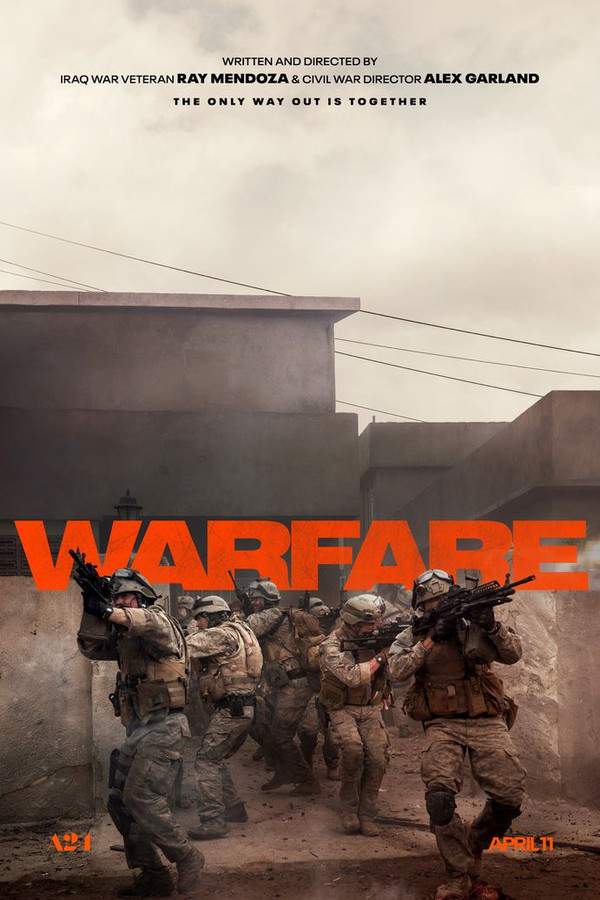
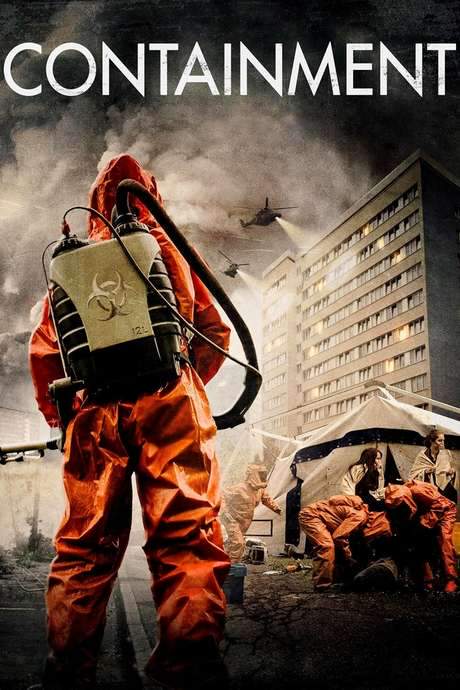
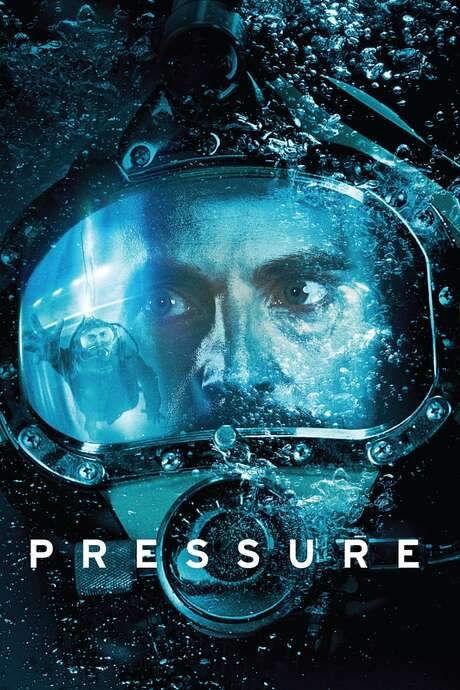
Claustrophobic survival thrillers like The Abandoned Field: Free Fire Zone

Stories of individuals trapped in a small, dangerous space, battling external threats and internal fear.If you appreciated the tense, confined setting of The Abandoned Field: Free Fire Zone, discover more movies that trap their characters in dangerous locations under constant threat. These films masterfully build claustrophobic tension and explore the psychological toll of living on the edge, waiting for the next attack.

claustrophobictenseanxiousoppressivedesolateon-edgesuspensefulsurvival

Narrative Summary

These narratives unfold within a restricted 'free fire zone' where safety is an illusion. The plot is driven by the characters' vigilance and their attempts to maintain their position while a powerful external force—be it an army, monsters, or nature—threatens to invade their fragile sanctuary. The structure often alternates between quiet dread and sudden, violent action.

Why These Movies?

These films are linked by a shared, oppressive mood of being trapped and vulnerable. The pacing is typically steady, building a palpable sense of unease that erupts in bursts of high-intensity action. The core experience is one of sustained tension, a feeling of being hunted or besieged in a place that should be safe.

Unlock the Full Story of The Abandoned Field: Free Fire Zone

Don't stop at just watching - explore The Abandoned Field: Free Fire Zone in full detail. From the complete plot summary and scene-by-scene timeline to character breakdowns, thematic analysis, and a deep dive into the ending - every page helps you truly understand what The Abandoned Field: Free Fire Zone is all about. Plus, discover what's next after the movie.

The Abandoned Field: Free Fire Zone Timeline

Track the full timeline of The Abandoned Field: Free Fire Zone with every major event arranged chronologically. Perfect for decoding non-linear storytelling, flashbacks, or parallel narratives with a clear scene-by-scene breakdown.

The Abandoned Field: Free Fire Zone Timeline

Characters, Settings & Themes in The Abandoned Field: Free Fire Zone

Discover the characters, locations, and core themes that shape The Abandoned Field: Free Fire Zone. Get insights into symbolic elements, setting significance, and deeper narrative meaning - ideal for thematic analysis and movie breakdowns.

Characters, Settings & Themes in The Abandoned Field: Free Fire Zone

The Abandoned Field: Free Fire Zone Spoiler-Free Summary

Get a quick, spoiler-free overview of The Abandoned Field: Free Fire Zone that covers the main plot points and key details without revealing any major twists or spoilers. Perfect for those who want to know what to expect before diving in.

The Abandoned Field: Free Fire Zone Spoiler-Free Summary

More About The Abandoned Field: Free Fire Zone

Visit What's After the Movie to explore more about The Abandoned Field: Free Fire Zone: box office results, cast and crew info, production details, post-credit scenes, and external links - all in one place for movie fans and researchers.

More About The Abandoned Field: Free Fire Zone

Similar Movies to The Abandoned Field: Free Fire Zone

Discover movies like The Abandoned Field: Free Fire Zone that share similar genres, themes, and storytelling elements. Whether you’re drawn to the atmosphere, character arcs, or plot structure, these curated recommendations will help you explore more films you’ll love.