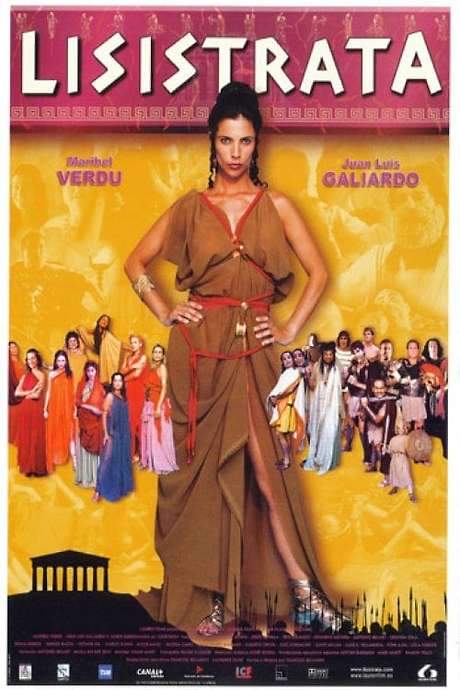
Lisístrata
Year: 2002
Runtime: 89 mins
Language: Spanish
Director: Francesc Bellmunt
In 411 BC, the warring city‑states of Sparta and Athens are locked in an endless conflict. Lisistrata, a strikingly beautiful woman, devises a bold plan: she rallies the women of both sides to withhold sexual relations until the men negotiate peace. Her daring sex strike forces the warriors to confront the cost of war and seek an end to the fighting.
Warning: spoilers below!
Haven’t seen Lisístrata yet? This summary contains major spoilers. Bookmark the page, watch the movie, and come back for the full breakdown. If you're ready, scroll on and relive the story!
Timeline & Setting – Lisístrata (2002)
Explore the full timeline and setting of Lisístrata (2002). Follow every major event in chronological order and see how the environment shapes the story, characters, and dramatic tension.
Last updated: October 03, 2025 at 10:25
Main Characters – Lisístrata (2002)
Meet the key characters of Lisístrata (2002), with detailed profiles, motivations, and roles in the plot. Understand their emotional journeys and what they reveal about the film’s deeper themes.
Last updated: October 03, 2025 at 10:25
Major Themes – Lisístrata (2002)
Explore the central themes of Lisístrata (2002), from psychological, social, and emotional dimensions to philosophical messages. Understand what the film is really saying beneath the surface.
Last updated: October 03, 2025 at 10:25
Lisístrata (2002) Character & Theme Questions Answered – Info FAQ
Browse frequently asked questions about Lisístrata (2002) focused on characters, relationships, themes, symbols, setting, and story context. This movie info FAQ gives spoiler-aware explanations for character arcs, world details, and thematic interpretation so readers can better understand what the film is really about.
Where is the movie set?
The film takes place on the Acropolis in Athens, the political and ceremonial heart of ancient Greece. This setting anchors the story in a city-state world where public political life and private desires collide, with the surrounding Greek wartime backdrop framing the satirical revolt.
What time period is depicted?
The story is set in 411 BC during the late stages of the Peloponnesian War between Athens and Sparta. This historical period was marked by prolonged military conflict, political maneuvering, and rigid gender roles that the film satirically challenges.
What are the main themes of the movie?
The film explores several interconnected themes: Gender & Power, as women use a sex strike as a political lever; Love & Loyalty, where sexual relationships become tools for diplomacy; Myth & History, using Greek mythology to critique warfare; and Peace & Diplomacy, suggesting unconventional routes to ending conflict.
Who is Lisístrata in the film?
Lisístrata, played by Maribel Verdú, is the leader of the women's sex strike on the Acropolis. She devises a strategic plan to withhold sexual relations from the warring men until they negotiate peace. Her character represents a nuanced take on female power in a male-dominated ancient Greek world, using social action to influence political outcomes.
What role does Zeus play in the story?
Zeus appears as a divine commentator voiced by Constantino Romero, providing tongue-in-cheek mythic commentary on the war's events. His presence underscores the film's blend of legend and political satire, highlighting the absurdity of human conflict while bridging the gap between Greek mythology and the contemporary political commentary.
Who is Hepatitos in Lisístrata?
Hepatitos, played by Juan Luis Galiardo, is a comic figure posing as a medical doctor who proposes unorthodox remedies to relieve sexual tension among the soldiers. He suggests temporary homosexuality among soldiers as a solution, guiding the generals through this controversial plan and challenging rigid codes of honor and masculinity.
How does the film portray gender and power?
The film satirically examines how gender dynamics intersect with political authority. Lisístrata mobilizes women to press for peace by withholding sex, turning private acts into a public political lever. The farce exposes the fragility of masculine codes of power and invites reflection on alternative, nonviolent paths to diplomacy in a male-dominated society.
How does the film use Greek mythology?
The film braids myth and history together in a satirical manner, including a life-size replica of the Phidian statue of Pallas Athene and echoes of Achilles and Troilus. These mythic elements are used to critique warfare and power, with divine commentary punctuating the farce and highlighting the gulf between legendary heroism and political reality.
What does the Acropolis represent in the story?
The Acropolis serves as both the literal setting and symbolic center of the women's revolt. As Athens' political and ceremonial heart, it represents where public life and private desire collide. The women occupy this masculine political space to stage their unconventional protest, using the very heart of male authority as their protest ground.
Is the story based on history?
The film is based on Aristophanes' ancient Greek comedy 'Lysistrata' from 411 BC, written during the same era it depicts. While the play is a satirical comedy, the movie adapts it as a period piece set during the Peloponnesian War, blending historical setting with fictional satirical premise about a sex strike ending the war.
What is the tone of the movie?
The film has a whimsical, farcical tone despite tackling serious subjects like war. It features exaggerated visual gags and absurd solutions, creating a notable contradiction between the serious subject of war and the persistent farcical execution. The treatment remains purely comedic and satirical, focusing on human folly rather than genuine trauma.
What does the film say about peace and diplomacy?
The film suggests that social experiments and unconventional tactics can influence diplomacy. The sex strike leads to peace, implying that intimate personal choices can ripple through political agreements. It offers a provocative take on nonviolent protest and unconventional routes to ending conflict, ultimately achieving a happy, humorous resolution.

Explore Movie Threads
Discover curated groups of movies connected by mood, themes, and story style. Browse collections built around emotion, atmosphere, and narrative focus to easily find films that match what you feel like watching right now.
Subversive Social Satire Movies like Lisístrata
Outrageous and humorous critiques of society that challenge the status quo.Explore other witty and audacious movies like Lisístrata that use humor as a weapon against societal norms. These films offer a similar blend of sharp political satire and farcical comedy, perfect for viewers who enjoy thought-provoking laughs.
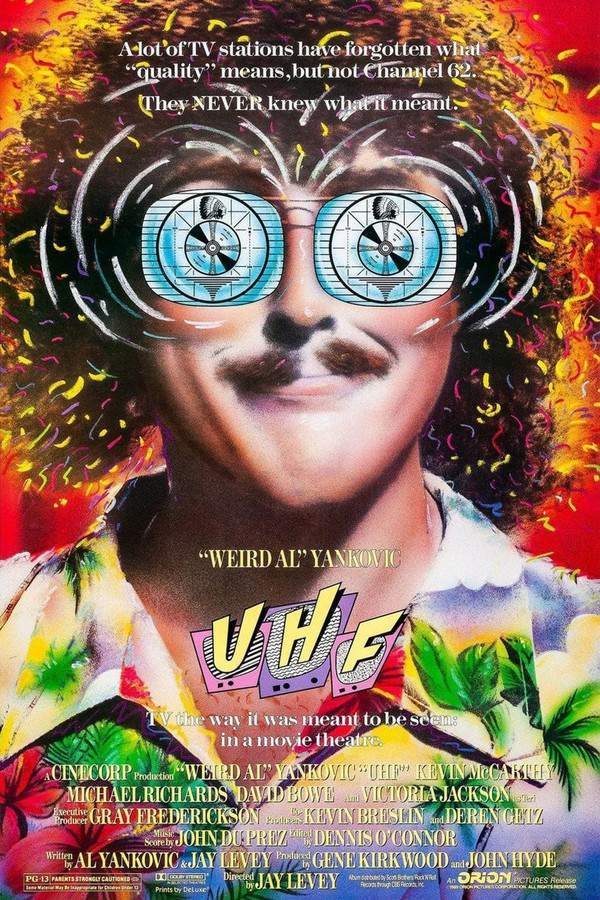
UHF
1989

Delirious
1991
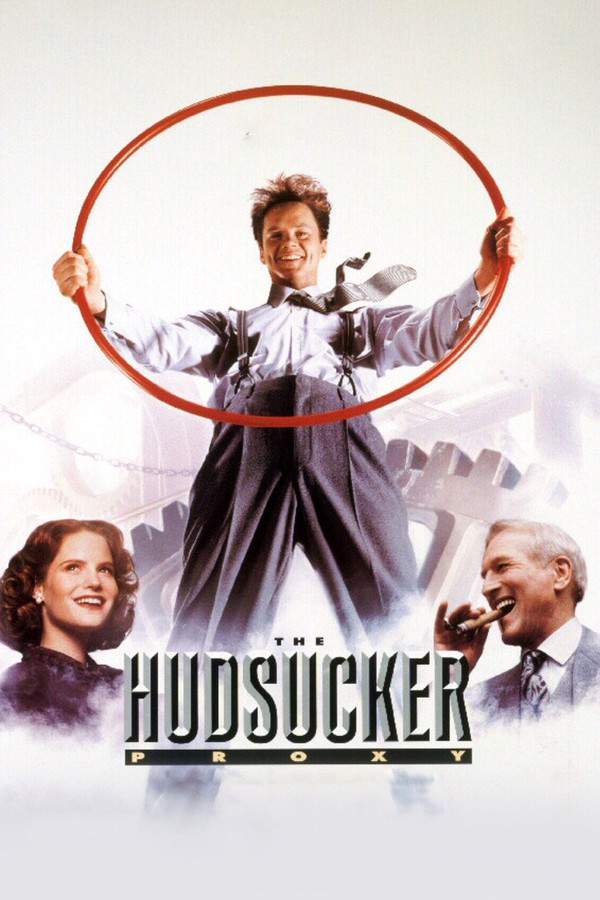
The Hudsucker Proxy
1994
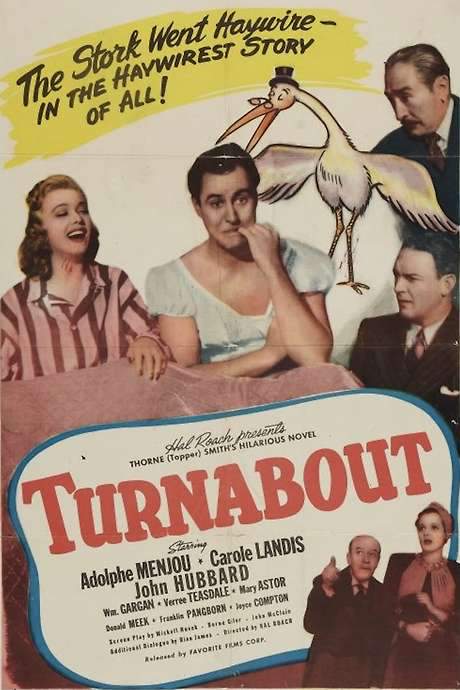
Turnabout
1940

My Big Fat Independent Movie
2005

The Rebel
1961

Blithe Spirit
1945
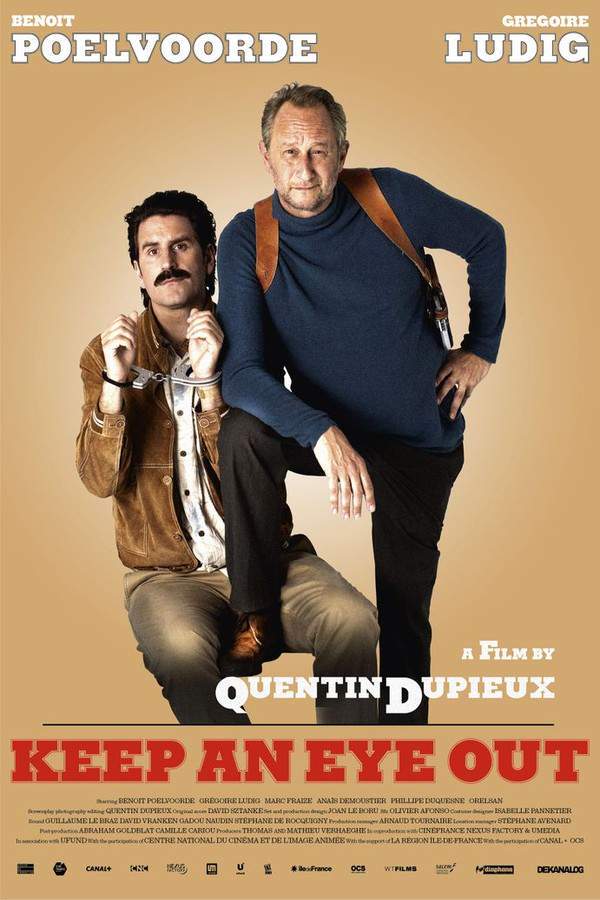
Keep an Eye Out
2021

Laughing Gravy
1931

Delusions of Grandeur
1971

Never Been Thawed
2005

The Sin of Harold Diddlebock
1947

Laughter in Paradise
1951

Fierce Creatures
1997

The Adventure of Sherlock Holmes’ Smarter Brother
1975
Narrative Summary
The narrative typically involves a bold, unconventional idea or character that disrupts a rigid system. The plot follows the escalating consequences of this disruption, often through absurd cause-and-effect chains, leading to a humorous yet revealing resolution that questions authority.
Why These Movies?
These films are grouped by their shared purpose: to entertain while questioning the establishment through a lens of clever, often bawdy, humor. They share a lighthearted yet pointed approach to serious topics, making social commentary accessible and fun.
Playful Historical Farce Movies similar to Lisístrata
Comedic anachronisms and humorous takes on serious historical settings.If you liked the anachronistic humor and playful ancient Greece setting of Lisístrata, you'll enjoy these other historical farces. Discover movies that share its lighthearted, bawdy, and satirical take on the past.

Bizarre, Bizarre
1937

The Great Garrick
1937
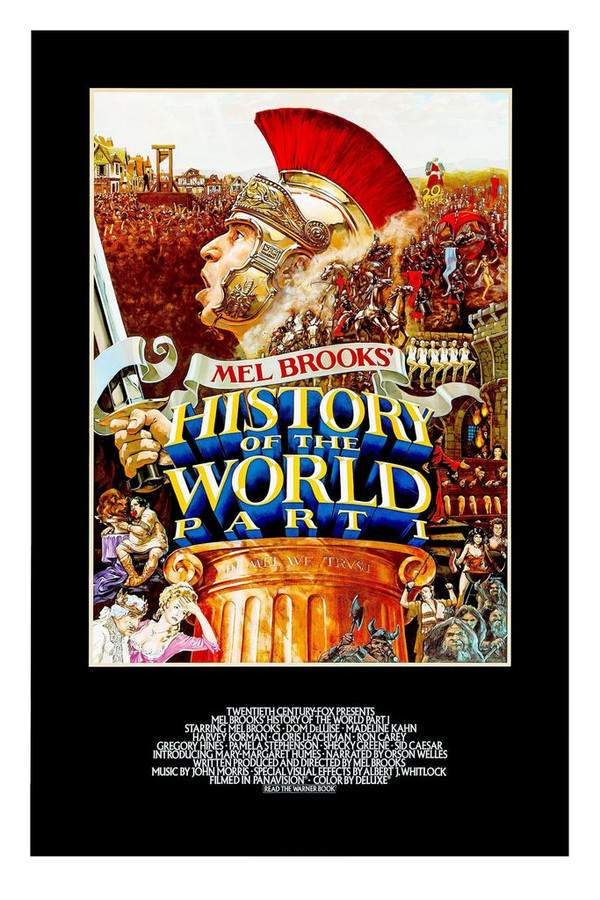
History of the World: Part I
1981

A Funny Thing Happened on the Way to the Forum
1966

The Importance of Being Earnest
1952

Theodora Goes Wild
1936

The Happiest Days of Your Life
1950

A Royal Scandal
1945

For Love and Gold
1966

Carry On Cleo
1964

The Importance of Being Earnest
2011

The Importance of Being Earnest
2018

Love Happy
1949

Lost in a Harem
1944

The Triumph of Love
2002
Narrative Summary
Stories are set in a recognizable historical period but are driven by comedic anachronisms and exaggerated characters. The plot often revolves around a high-concept premise that feels modern, using the historical setting to highlight universal human follies in a fresh, humorous way.
Why These Movies?
These movies are connected by their unique blend of history and humor. They share a specific vibe: taking a serious setting and filling it with playful energy, anachronistic jokes, and a farcical plot, resulting in a consistently light and uplifting comic experience.
Unlock the Full Story of Lisístrata
Don't stop at just watching - explore Lisístrata in full detail. From the complete plot summary and scene-by-scene timeline to character breakdowns, thematic analysis, and a deep dive into the ending - every page helps you truly understand what Lisístrata is all about. Plus, discover what's next after the movie.
Lisístrata Summary
Read a complete plot summary of Lisístrata, including all key story points, character arcs, and turning points. This in-depth recap is ideal for understanding the narrative structure or reviewing what happened in the movie.

Lisístrata Timeline
Track the full timeline of Lisístrata with every major event arranged chronologically. Perfect for decoding non-linear storytelling, flashbacks, or parallel narratives with a clear scene-by-scene breakdown.


