Plot Explained Spoilers guaranteed!
Plot Explained

Browse by genre

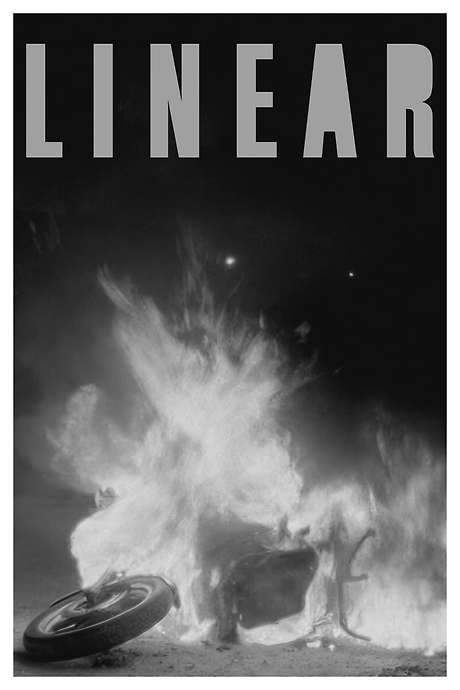
Linear (2009) movie poster

Timeline

Linear (2009) Timeline Explained – Every Event in Order

Release, runtime and language
2009 · 56 mins · English
Directed by
Anton Corbijn
Starring
Saïd Taghmaoui, Bono, Lizzie Brocheré, Mona Goodwin, The Edge, Marta Barrio

Based on a story by Anton Corbijn and Bono, the film weaves in several characters Bono created for his album. It follows a disillusioned Parisian motorcycle officer, portrayed by Saïd Taghmaoui, who is weary of the growing tension between immigrants and police in the city. Frustrated, he abandons his post in Paris to travel to Tripoli and reunite with his girlfriend, hoping to escape the mounting unrest.

On this page (5)
  1. 1 Events in order (13)
  2. 2 Timeline questions answered
  3. 3 Movie threads
  4. 4 Categories
  5. 5 Every angle

13 events in order · contains spoilers

Linear Timeline: Events in Chronological Order

Every key event of Linear (2009) in order, scene by scene, with when and where it takes place. Use it to untangle flashbacks, time jumps and parallel storylines, to refresh your memory before the sequel or to find the exact scene you are thinking of.

  1. Paris by Night

    The film opens with Paris at night as the city lights flicker and the journey begins. A motorcycle cop sits on his police-issued bike, staring at graffiti on a wall that reads 'Fuck the Police' in French. He kicks the bike over, pours petrol on it, and sets it alight, watching the blaze before the dawn signals the next leg of his travels.

    When
    Night
    Where
    Paris, France
  2. Dawn in the French Countryside

    As dawn breaks, the cop mounts his motorcycle and leaves Paris behind, forging a path through the French countryside. The early light marks a transition from city streets to open road as he heads toward Spain. His destination remains personal: to reach Tripoli to see his girlfriend.

    When
    Dawn
    Where
    French countryside
  3. Crossing into Spain

    He crosses into Spain, continuing his long ride toward his goal. The landscape shifts from fields to new horizons as he presses on toward the Mediterranean route. The central mission to reunite with his girlfriend in Tripoli shapes every mile.

    When
    Morning
    Where
    France–Spain border
  4. Cloud of Africa

    During a mid-drive break in the Spanish countryside, the cop lies back and watches a cloud form the image of the African continent. The surreal moment underscores the distance and the weight of his journey. He soon drifts back to the road and resumes his ride.

    When
    Afternoon
    Where
    Spanish countryside
  5. Resuming the Road

    After waking, he resumes his journey across Spain, the road unfolding before him. He pushes through rolling landscapes, accelerates toward Cádiz and the eventual crossing toward the sea. The trip continues to push him toward his destination.

    When
    Daytime
    Where
    Spain
  6. Fez – Being Born

    In a small town, he pulls off for lunch and enters a café that is nearly empty except for a lone waitress. The quiet interior contrasts with the international journey outside, heightening the tension of his erratic trip. He sits, eats, and watches the quiet world go by.

    When
    Daytime
    Where
    Small town café, Spain
  7. Magnificent on the TV

    The waitress flicks on the television and they watch a U2 music video 'Magnificent'. The moment injects pop culture into a sparse setting, punctuating the isolation of his voyage. The scene blends ordinary life with the film's recurring travel mood.

    When
    Daytime
    Where
    Café, Spain
  8. Arrival in Cádiz

    Resuming his journey, he travels through the Spanish countryside until arriving in Cádiz. The coastal city marks a waypoint where the road story can pivot toward new encounters. The distance from home remains the emotional engine of the trip.

    When
    Afternoon
    Where
    Cádiz, Spain
  9. Bar Encounter

    Inside a Cádiz bar, a woman begins to dance and catches the cop's gaze. The bartender pours drinks as the moment unfolds, giving him a brief respite from the road. The scene captures a momentary escape from his solitary quest.

    When
    Evening
    Where
    Cádiz, Spain
  10. Peephole and Moustaches

    Before leaving, he slips his keys to the dancer on the table. As he steps out, he glances through a peephole and sees several women with moustaches dancing inside. The strange, carnival-like image heightens the film's surreal travel mood.

    When
    Evening
    Where
    Cádiz, Spain
  11. Beached and Alone

    Walking alone through the streets with nowhere to stay overnight, he makes his way down to the beach and falls asleep on the sand. The night by the sea underscores his isolation and the miles left to travel. Dawn looms as his voyage continues.

    When
    Night
    Where
    Cadiz coast
  12. Rowboat Across the Mediterranean

    In the morning, he rents a rowboat and begins to paddle across the Mediterranean toward Tripoli. The voyage marks a transition from land to sea in his pursuit of the girlfriend. The horizon offers a promise of reunion, even as the voyage tests his endurance.

    When
    Morning
    Where
    Mediterranean Sea
  13. Cedars of Lebanon

    The journey continues across the Mediterranean toward Tripoli, with the Cedars of Lebanon echoing as the destination. The voyage carries him toward his goal and the film's final stretch, blending travel with anticipation of reunion.

    When
    Daytime
    Where
    Mediterranean Sea toward Tripoli

Last updated: October 09, 2025 at 11:02

Was this helpful?

Timeline questions answered

Linear Timeline Explained: Your Questions Answered

When does it happen, and why in that order? The questions people ask about the chronology of Linear (2009): time jumps, flashbacks, cause and effect between scenes and the correct order of events, each answered with spoilers.

Q1

Why does the motorcycle cop burn his police bike in Paris?

He burns his police-issued bike as a symbolic act of abandoning his role as a police officer. The act is triggered by seeing the graffiti message 'Fuck the Police' on a wall, which represents his disillusionment with the police force and the growing tension between immigrants and police in Paris that has worn him down.

  • police bike burning
  • paris
  • protest
  • disillusionment
Q2

Why does the motorcycle officer leave Paris?

He leaves Paris because he is weary of the mounting tension between immigrants and police in the city. The job has worn him down emotionally, and he abandons his post to travel to Tripoli where his girlfriend lives, seeking to escape the unrest and start fresh.

  • paris
  • tripoli
  • immigration tension
  • leaving paris
Q3

What is the significance of the 'Fuck the Police' graffiti in the film?

The graffiti appears as the opening image of the film and serves as the catalyst for the cop's departure. It represents the anti-police sentiment in the city and reflects the social tension that has made his job unbearable. Seeing it prompts him to reject his identity as an officer entirely.

  • graffiti
  • police tension
  • opening scene
Q4

Why does a cloud shaped like Africa appear in the film?

While resting in the Spanish countryside, the cop lies on his back and watches a cloud form the shape of the African continent. This surreal moment visually represents the distance he has traveled and the distance still ahead, reinforcing the theme of the journey as both physical and metaphorical.

  • cloud
  • africa
  • surreal
  • journey metaphor
Q5

Why does he stop at the bar in Cádiz?

After riding through the Spanish countryside, he arrives in Cádiz and enters a local bar where a woman dances. The encounter provides a brief moment of human connection and escape from his solitary journey. The bar scene also introduces surreal elements that blur reality and dream.

  • cadiz
  • bar
  • dancer
  • spain
Q6

What do the women with moustaches represent in the film?

As he leaves the bar, he looks through a peephole and sees several women with moustaches dancing inside. This surreal, carnival-like image is part of the film's dreamlike atmosphere and may represent the strange, otherworldly quality of his journey or the blurred line between reality and his emotional state.

  • moustaches
  • surreal
  • dream
  • bar scene
Q7

Why does he cross the Mediterranean in a rowboat instead of a ferry?

He rents a rowboat in Cádiz and paddles across the Mediterranean toward Tripoli. The choice of a small, manual vessel emphasizes the personal and physical nature of his journey. The act of rowing rather than taking modern transportation underscores that the journey itself, not the destination, is the film's focus.

  • rowboat
  • mediterranean
  • tripoli
  • crossing
Q8

Does he reach Tripoli at the end of the film?

The film ends with him rowing toward Tripoli across the Mediterranean, accompanied by the song 'Cedars of Lebanon.' Whether he actually arrives is left ambiguous. The ending emphasizes the act of moving forward through the journey itself rather than providing a definitive arrival or reunion.

  • tripoli
  • ending
  • arrival
  • ambiguous
Q9

Why does the film focus on the journey instead of the destination?

The film is a meditative odyssey rather than a plot-driven story. Its slow pace and emphasis on landscapes, sensory details, and the protagonist's inner reflection create an atmosphere of melancholic introspection. The girlfriend in Tripoli serves as a motivation, but the real focus is on the physical and emotional journey of escaping disillusionment.

  • journey
  • destination
  • symbolism
  • narrative focus
Q10

What is the significance of the U2 music videos in the film?

The film features U2 music videos, including 'Magnificent' playing in the Spanish café. Since the film is based on a story by Bono and weaves in characters from his album, the music videos serve as a thematic thread connecting the protagonist's journey to the album's emotional landscape of longing, pursuit, and movement.

  • u2
  • music videos
  • bono
  • magnficent
Q11

Who is the waitress at the café in Spain?

The waitress is portrayed by Lizzie Brocheré. In the small Spanish café, she serves the cop and turns on the television where a U2 music video plays. Her presence provides a brief moment of ordinary human connection amid his long, solitary journey.

  • waitress
  • cafe
  • lizzie brocheré
  • spain
Q12

Why does the film have almost no dialogue?

The film is deliberately minimal in dialogue, relying on visual storytelling, atmosphere, and music to convey the protagonist's emotional state. This approach reinforces the meditative, introspective tone and emphasizes his isolation and inner journey over external conflict or conversation.

  • dialogue
  • silence
  • storytelling
  • atmosphere

Movie threads

More Movies Like Linear, by Mood & Story

Curated lists built around what makes Linear tick: the same mood, the same kind of story or the same emotional payoff. Each list explains why these movies belong together.

Solitary journey movies like Linear

Solitary travels to escape disillusionment and search for personal meaning. Discover movies like Linear that follow a character's quiet, introspective escape from disillusionment. If you enjoyed the melancholic road trip and the search for meaning in Linear, you'll find similar stories of personal journeys and atmospheric self-discovery here.

  • melancholic
  • reflective
  • lonely
  • atmospheric
  • slow burn
  • dreamlike
  • Tone: melancholic, reflective
  • Pacing: slow, contemplative
Why these movies?

The story pattern: The narrative pattern follows a protagonist, often weary or disillusioned with their current life, who embarks on a physical journey. The plot is straightforward, prioritizing mood and introspection over complex twists, as the character grapples with their past and an uncertain future.

Why they belong together: They are grouped by their shared melancholic tone, slow pacing, and focus on a solitary protagonist using travel as a means of escape and reflection. The emotional core is a medium-weight sense of longing and the bittersweet act of moving on.

Atmospheric slow burn movies similar to Linear

Films where ambiance, feeling, and sensory details drive the experience. Find films with a similar atmospheric and melancholic vibe to Linear. This list features slow-burn mood pieces where the feeling and visual poetry are as important as the story, perfect if you liked the dreamlike and reflective atmosphere of Linear.

  • atmospheric
  • dreamlike
  • slow burn
  • meditative
  • melancholic
  • contemplative
  • Tone: melancholic, dreamlike
  • Pacing: slow, immersive
Why these movies?

The story pattern: Narratives in this thread are character-driven and straightforward, serving as a vessel for exploring a specific mood. The pacing is deliberately slow, emphasizing lingering shots, evocative settings, and a focus on the protagonist's internal state over external plot events.

Why they belong together: They share a primary focus on creating a sustained, cohesive atmosphere. The similarity comes from a combination of slow pacing, low intensity, a melancholic or reflective tone, and a visual style that prioritizes mood over complex storytelling.

Categories

Movie Lists Featuring Linear

Linear appears in these hand-built movie categories. Each one groups movies by a specific mood, theme or story type, with their plot summaries and endings explained.

View all movie categories

Every angle

Linear (2009) Explained: Plot, Timeline & Characters

Everything about Linear in one place: what happens in the plot summary, the timeline in chronological order, the characters and meaning and a spoiler-free summary. What's After the Movie adds the cast, box office and post-credit scenes.

Coming soon on iOS and Android

The Plot Explained Movie Summary App

Plot summaries, endings explained and timelines on your phone. Catch up on any movie in minutes, save your favorites and never miss a twist again.

Be the first to know when we launch. Your email stays private, always.

Learn more about the app