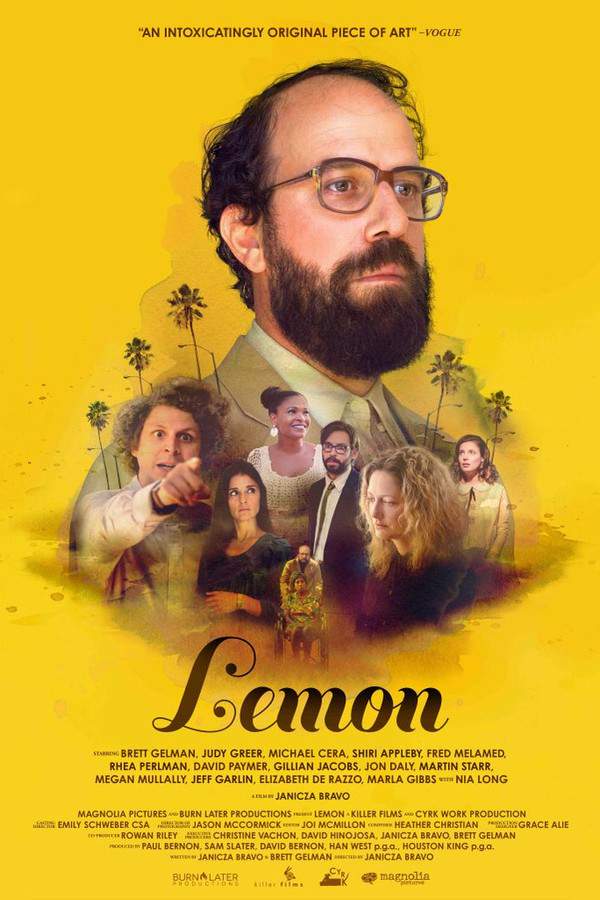
Isaac is a mid‑career actor whose life is tangled between work, relationships, and the pressure to stay relevant. He lives with his girlfriend, Ramona, a blind woman who travels frequently for her job at a pharmaceutical company, a detail that keeps their rhythm and plans constantly shifting. In his own world, Isaac runs a small acting workshop where he showers lavish praise on his star pupil, Alex, who is also a working actor, while he routinely dismisses or ignores another student, Tracy. The dynamic inside the class reveals a man torn between pride in one success and insecurity about a stalled career, as his own acting gigs have mostly become commercials and product modeling for pharmaceutical brands.
The tension outside the studio bleeds into the home. After Isaac overhears a message from Ramona with a distant male voice in the background, a sudden breakdown ripples through him. He invites Alex over for dinner, a move that quickly spirals as he accuses the younger actor of using him and then makes an attempt to kiss him. The confrontation leaves Isaac shaken and unsettled, while Ramona returns from her trip and ends their ten‑year relationship, a blow that silence and unspoken grief only deepen.
Seeking some family grounding, Isaac goes to his relatives during Passover. The gathering is filled with petty grievances and bickering, and Isaac notices the lack of acknowledgement about the breakup—no one mentions the rift in his life, and he absorbs the familiar noise without finding the solace he seeks. The sense of disconnection grows clearer as he drifts through the holiday, his eagerness to reconnect clashing with a stubborn sense of distance.
In a bid to recapture some spark, Isaac decides to pursue Cleopatra, a makeup artist he met on a photo shoot. The first date is awkward, colored by nerves, but Cleopatra shows a glimmer of interest and gives him a second chance. The follow‑up date is not much smoother, yet Isaac persists, trying to insert himself into Cleopatra’s life and rhythm as if romance could untangle the knots in his world.
A barbecue with Cleopatra’s family becomes another test of Isaac’s social skills and boundaries. He finds himself in awkward conversations and, at a moment of vulnerability, he takes a few hits from a blunt. While under its influence, he speaks with Cleopatra’s aunt, a fleeting sense that she might be lonely; she urges him to “> run.” The moment feels like a warning from a stranger about the path he is on, a moment that lingers as he fights to regain his footing in a life that feels increasingly unmanageable.
The evening’s tension peaks when Cleopatra tracks down Isaac and his aunt’s quiet suggestion echoes in his head. He rushes back to the safety of home, desperate to find Ramona and salvage something of what they had. In a final, quiet beat, Ramona arrives to drop off her house key, makes it clear she has come only to return the key, and then leaves, leaving Isaac to confront the consequences of the choices that led them there.
This story threads together themes of artistic self‑image, romantic misfires, and the fragile balance between dependence and independence. It probes how a single night of confession, miscommunication, and risky decisions can ripple through a long‑term relationship, a family gathering, and a growing distance from one’s own ambitions. The result is a portrait of a man who is both trying to hold on and learning what it means to let go, even as he clings to the hope that the past might still offer a path forward.