Plot Explained Spoilers guaranteed!
Plot Explained

Browse by genre

Lady (2026) movie poster

Spoiler-Free Summary

Lady (2026) Spoiler-Free Summary – What It's About

Release, runtime and language
2026 · 1 h 37 m · English
Loading streaming availability…
Directed by
Samuel Abrahams
Starring
Sian Clifford, Laurie Kynaston, Juliet Cowan, Olisa Odele

A lonely, self‑obsessed aristocrat convinces a struggling, opportunistic director to record her every gesture. As Lady Isabella pursues her artistic vision, her world spirals into surreality, and she discovers that without the constant spotlight she fears she may simply fade away.

On this page (6)
  1. 1 Where to watch
  2. 2 What it is about
  3. 3 Is it worth watching?
  4. 4 After you watch
  5. 5 Movie threads
  6. 6 Every angle
Loading streaming availability…

Spoiler-free summary · safe to read

What Is Lady About? (No Spoilers)

The plot of Lady (2026) without spoilers: what it is about, who it follows and where it takes place, told without the twists or the ending. Enough to decide whether it is your next watch, not enough to ruin it.

In the hushed grandeur of an English countryside estate, Lady Isabella inhabits a world entirely of her own making. A self-possessed member of the aristocracy with an insatiable appetite for attention, she decides that her life deserves to be preserved on film — every sigh, every gesture, every fleeting thought captured for posterity. To realize this vision, she brings in a struggling filmmaker whose ambitions have outpaced his opportunities, and together they embark on a documentary project unlike any other.

The estate becomes a stage where artifice and authenticity blur into one another. The director, Sam, finds himself drawn into Isabella's eccentric orbit, where lavish surroundings mask deeper uncertainties and the line between subject and observer grows increasingly fragile. What begins as a professional arrangement slowly transforms into something more intimate, as the two share long days amid the manicured grounds and storied halls of the ancestral home. Their creative partnership is charged with a restless, bohemian energy, fueled by indulgence and improvisation.

Beneath the polished veneer of nobility, Isabella's obsession with being seen hints at a creeping dread of disappearing entirely. Her need to perform, to be witnessed, to remain the center of every frame, reveals a woman whose identity is bound up in spectacle. Sam, in turn, must reconcile his own artistic ambitions with the gravitational pull of his enigmatic subject. The estate — with its watchful wildlife, echoing rooms, and secluded corners — feels both a sanctuary and a strange, dreamlike arena where reality bends under the weight of one woman's self-mythology.

As filming unfolds, the project takes on a life beyond either of them, hinting at revelations neither expected and a portrait more revealing than either is prepared to confront.

Last updated: September 30, 2026 at 11:04

Was this helpful?

What to expect

Is Lady Worth Watching? What It Feels Like

Is it dark, sad, slow, intense or confusing? The mood of Lady (2026) in a few tags, without a word about how it ends. Each tag opens a list of movies that feel the same.

After you watch

Seen Lady? Now Read the Spoilers

Once you have watched Lady (2026), come back for the full story: the plot summary with spoilers, the timeline in chronological order, the characters and meaning.

Movie threads

More Movies Like Lady, by Mood & Story

Curated lists built around what makes Lady tick: the same mood, the same kind of story or the same emotional payoff. Each list explains why these movies belong together.

Surreal dark comedies like Lady

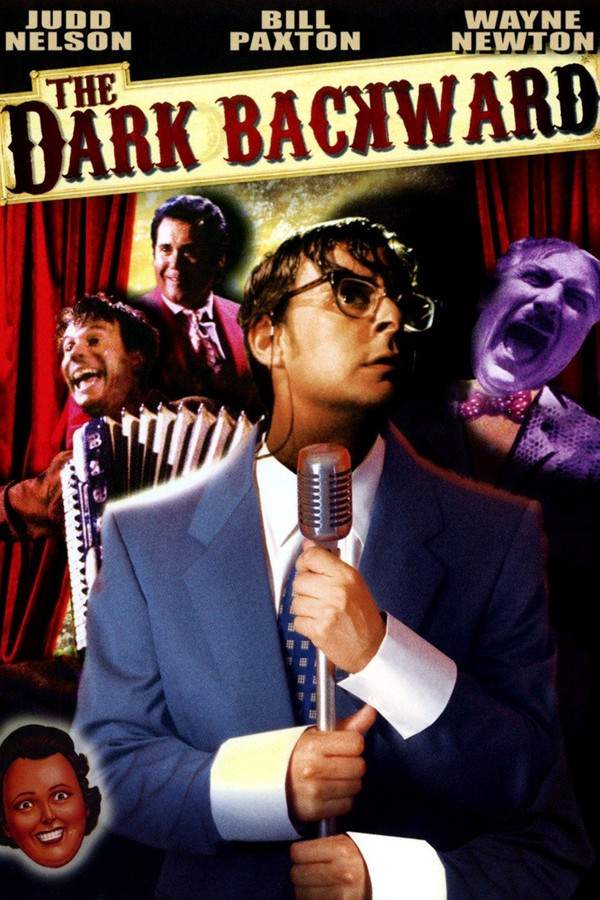
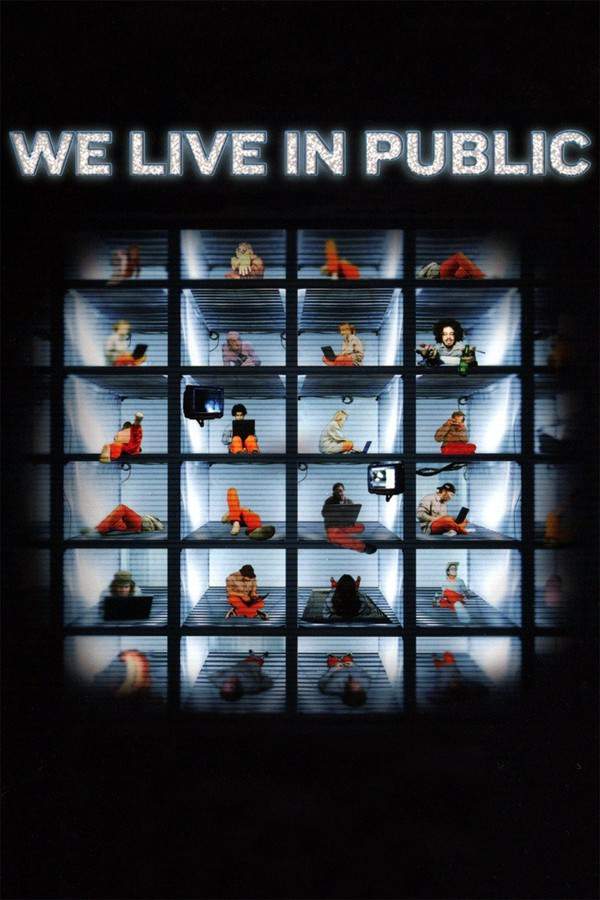
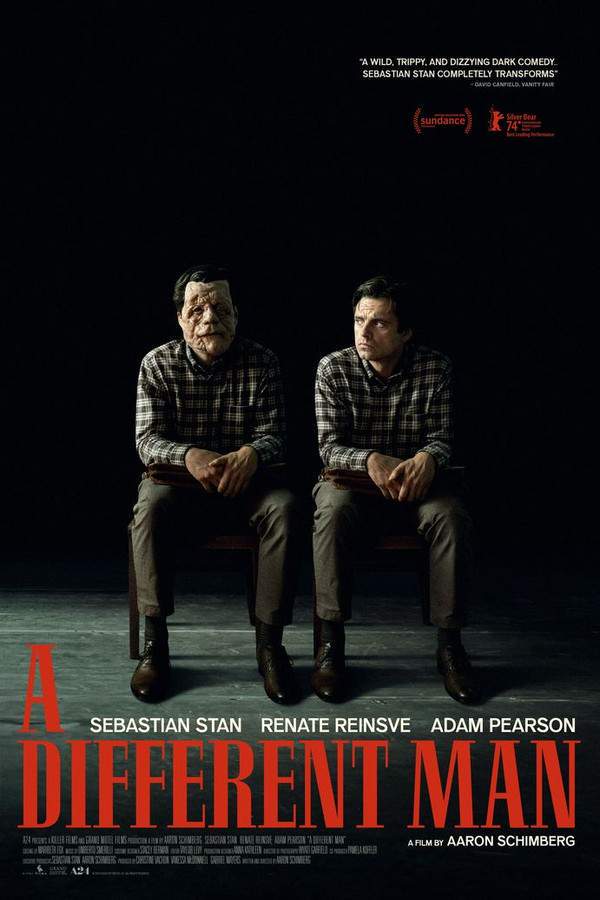
Strange worlds where absurd nightmares unfold with a straight face and a smirk. Movies like Lady blend absurdist scenarios with deadpan humor and existential dread. If you enjoyed Lady's surreal dark comedy and strange metaphors for selfhood, these surreal comedies with unsettling twists offer a similarly off-kilter, darkly funny viewing experience that lingers.

  • surreal
  • absurdist
  • deadpan
  • darkly comedic
  • unsettling
  • existential
  • Tone: dark, absurdist, melancholic
  • Pacing: variable, drifting with surreal peaks
Why these movies?

The story pattern: Narratives typically follow characters drifting through increasingly strange and disorienting circumstances where ordinary social rules quietly break down or the physical world itself becomes unreliable. The escalation is gradual, punctuated by surreal peaks that crystallize the protagonist's inner crisis into absurd external form, from a single impossible symptom to an entire collapsing reality. By the end, the boundary between subjective unraveling and literal strangeness blurs, leaving audiences with the sense that something has gone very wrong, but also kind of beautifully so.

Why they belong together: These films share a commitment to deadpan delivery that lets absurd and sometimes disturbing content land without screaming for attention. They prioritize mood and metaphor over plot mechanics, often using bizarre visual premises such as invisibility, ritual humiliation, or social collapse as compressed expressions of existential themes. The mix of melancholy, discomfort, and dry humor creates a signature feeling of being gently unnerved by something you might also find funny.


Narcissism and performance like in Lady

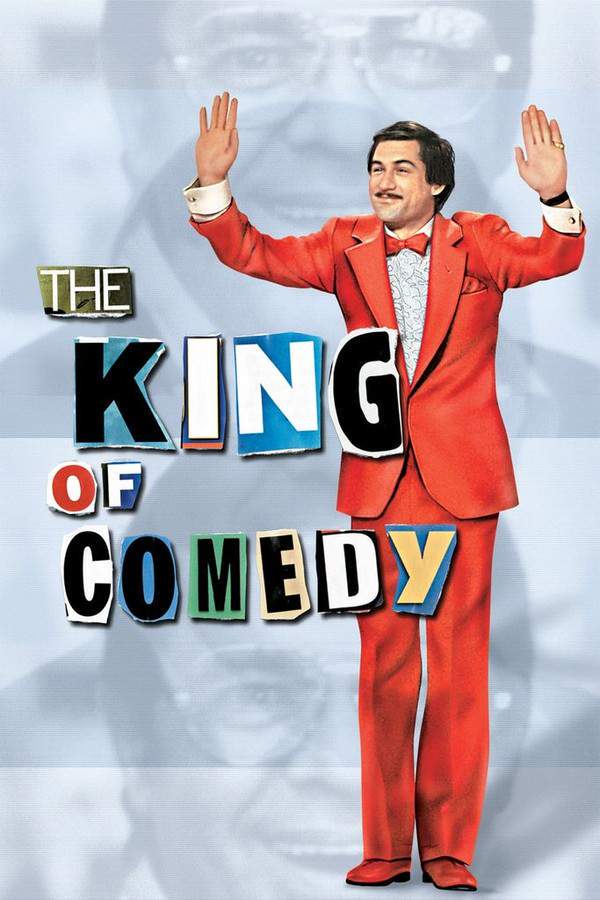
Self-obsessed performers watch themselves unravel as the lens becomes a mirror. Movies like Lady explore narcissistic characters whose self-presentation becomes their undoing. If you liked Lady's portrait of a self-obsessed aristocrat filmed by a complicit director, these films about performance, vanity, and identity under the camera's gaze offer a similar compelling and uncomfortable dynamic.

  • narcissism
  • performance
  • identity
  • self-obsession
  • artistic ego
  • uncomfortable intimacy
  • Tone: dark, uncomfortable, melancholic
  • Pacing: variable, character-driven with emotional spikes
Why these movies?

The story pattern: The narrative typically centers on a self-obsessed protagonist who recruits or attracts an observer, often a filmmaker, writer, or admirer, into a project that flatters their ego. As the filming or observation proceeds, cracks appear in the protagonist's carefully curated image and the collaborator becomes participant, enabler, or quiet escapee. The dynamic between watcher and watched powers the story, with the observer's complicity serving as both engine and indictment, and the ending usually refuses to resolve whether art saved, exposed, or simply recorded the collapse.

Why they belong together: These films share a fascination with the toxic intimacy between an egotistical subject and the person documenting or witnessing them, treating performance and self-presentation as sites of both artistic creation and psychological exposure. Across the group, the central tension is the same: the protagonist needs to be seen in order to feel real, while the act of being seen slowly dissolves them. The endings tend to linger in ambiguity, leaving the audience to weigh whether we were watching a portrait, a confession, or a quiet disappearance.

Every angle

Lady (2026) Explained: Plot, Timeline & Characters

Everything about Lady in one place: what happens in the plot summary, the timeline in chronological order, the characters and meaning and a spoiler-free summary. What's After the Movie adds the cast, box office and post-credit scenes.

Coming soon on iOS and Android

The Plot Explained Movie Summary App

Plot summaries, endings explained and timelines on your phone. Catch up on any movie in minutes, save your favorites and never miss a twist again.

Be the first to know when we launch. Your email stays private, always.

Learn more about the app