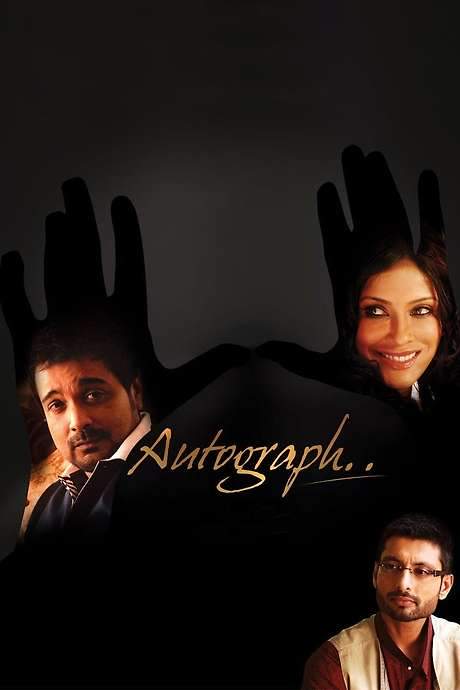
Autograph
Year: 2010
Runtime: 120 mins
Language: Bengali, Bangla
Director: Srijit Mukherji
Arun, a celebrated Bengali film star, gives the green light to Shuvobrata’s plan to remake Satyajit Ray’s classic ‘Nayak’. Tension soon mounts when Shuvobrata insists that his live‑in partner, Shrin, be cast as Arun’s co‑lead, creating both professional and personal complications.
Where to Watch Autograph?
Find where to stream, rent, or buy Autograph (2010) in the US with current JustWatch availability, up-to-date pricing, and platform listings for subscription, rental, and digital purchase options.



Streaming availability powered by 
Warning: spoilers below!
Haven’t seen Autograph yet? This summary contains major spoilers. Bookmark the page, watch the movie, and come back for the full breakdown. If you're ready, scroll on and relive the story!
Autograph (2010) – Full Plot Summary & Ending Explained
Read the complete plot breakdown of Autograph (2010), including all key story events, major twists, and the ending explained in detail. Discover what really happened, and what it all means.
Shubhabrata, Indraneil Sengupta, is an ambitious but green filmmaker who aims for a breakthrough with his first foray into fiction: a modern remake of Satyajit Ray’s Nayak. He reimagines the story by swapping out classic settings for current ones—an airplane replaces the train, and the ending of Ray’s original is stretched out in his script. His dream project quickly collides with the practical reality of getting a big star on board. He repeatedly tries to recruit Prosenjit Chatterjee to play the hero, but is curtly dismissed by the actor’s team, led by Ashish (Pijush Ganguly) and Partha (Dwijen Banerjee).
The turning point arrives when Arun Chatterjee confronts a public, ego-shaking rebuke from Manoj Sarkar on a TV platform. Spurred by pride and a hunger to prove himself, Arun privately decides to bankroll and front the film, curbing the objections of Ashish and Partha and treating the project as a personal referendum on his own star power. The casting choice lands squarely on Srinandita, Shubhabrata’s live-in girlfriend, an actress rooted in translated European theatre. Srinandita—played by Nandana Sen—agrees to take the role after some initial hesitation, first aligning with Shubhabrata’s vision and later becoming a crucial emotional touchstone in the film’s unfolding drama.
As the production moves forward, Manoj Sarkar approaches Shubhabrata with a lifeline in case Arun falters, only to be rebuffed. Meanwhile, the two leads form a visible rapport in front of the camera, and Shubhabrata’s confidence grows along with a hint of arrogance. The lines between fiction and reality blur when the film’s narrative starts echoing in real life, and Arun and Srinandita’s closeness deepens into genuine companionship. Srinandita becomes not just a co-star but a confidante, and the film’s sense of ethical boundaries begins to fray.
The emotional core tightens when Arun, in a drunken moment, confesses to exploiting an aspiring actress during casting. Srinandita consoles him, framing his guilt as a sign of potential redemption. This confession is recorded on Srinandita’s handycam, a device she carries to rehearse for her next stage appearance as Antigone. Seizing a chance for publicity, Shubhabrata contends that the clip could turbocharge the film’s launch. Srinandita, sensing the danger of such a use, urges him to scrap the idea and insists on keeping the material private. Yet Shubhabrata proceeds, passing the clip to a TV news channel without Srinandita’s knowledge, sparking a cascade of consequences.
When the broadcast surfaces, Arun confronts both Shubhabrata and Srinandita, feeling betrayed and hurting from the manipulation. Srinandita reaches out to explain and apologize, but the moment hardens into distance. Arun’s response is fierce: he refuses to take legal action against the channel and, in a decisive blow, damages the relationship and pauses the film’s future. The revelation of Srinandita’s innocence helps him see the harm in the filmmaker’s opportunistic tactics, yet he ultimately decides to cancel the project and warns Shubhabrata about the consequences of inflating power with a camera and a story.
In the aftermath, Shubhabrata is seen missing Srinandita, but the final note of the film remains unresolved. A meeting with Manoj hints at a possible future, yet the outcome is deliberately left open, lingering like the ethical questions the film raises about ambition, art, and the price of success. The narrative artfully tracks the way a director’s drive to create a hit can pull the people around him into a web where friendship, responsibility, and fame collide, leaving viewers to ponder where art ends and personal integrity begins.
Last updated: October 01, 2025 at 10:25
Autograph (2010) Plot Questions Answered – Summary FAQ
Explore frequently asked questions about Autograph (2010) with spoiler-rich answers covering the full plot summary, major story beats, character motivations, hidden details, and ending meaning. This movie summary FAQ helps explain confusing scenes, plot twists, and narrative decisions in clear, searchable detail.
Why did Arun agree to star in Shubhabrata's film after the TV humiliation?
Arun decided to finance and star in the film after being publicly humiliated by producer Manoj Sarkar on a TV platform. The public put-down wounded his ego and convinced him he needed to prove his star power by delivering a hit film single-handedly. When he learned about Shubhabrata's script, he saw an opportunity to validate his status as a leading actor beyond the control of studio gatekeepers like Ashish and Partha.
Early in the film, Shubhabrata's repeated pitch attempts are dismissed by Arun's team, establishing the power dynamic that flips after the TV incident.
Why did Shubhabrata cast his girlfriend Srinandita as the lead actress?
Shubhabrata cast Srinandita, his live-in girlfriend, as the female lead because he wanted someone who aligned with his artistic vision. Srinandita had a background in translated European theatre, which fit the sophisticated tone he was aiming for. Additionally, casting his partner represented a personal stake in the project, deepening his emotional investment in the film's success.
The casting decision is introduced early as a point of tension with Arun's team, who question the choice.
Why did Arun confess to exploiting an aspiring actress during filming?
Arun made the confession in a drunken state during a late-night visit to Shubhabrata and Srinandita's apartment, revealing that he had exploited an aspiring actress during the casting process. The guilt had been building within him, and the alcohol lowered his inhibitions. This moment exposed the moral hypocrisy at the core of his celebrity persona.
The confession occurs on the last day of shooting, as the boundaries between the film's narrative and real-life relationships have already blurred.
Why did Shubhabrata leak the confession video to TV news despite Srinandita's warnings?
Shubhabrata leaked the confession video to a TV news channel because he saw it as a publicity opportunity that could generate massive attention for his film. Despite Srinandita's strong objections and her demand that he keep the material private, he secretly passed the clip to the media without her knowledge, prioritizing promotional gain over ethical boundaries and personal trust.
Srinandita had explicitly threatened to intervene if he used the recording, warning him of the moral consequences.
Why did Arun cancel the film after learning Srinandita was innocent?
Arun cancelled the film after discovering that Srinandita had no involvement in leaking the video and had actually tried to prevent its release. Recognizing the harm caused by Shubhabrata's opportunistic tactics, Arun decided to pull his support entirely. He also warned Shubhabrata that he would use his influence to end his career if he attempted anything similar again, treating the betrayal as a moral line crossed.
Earlier, Arun had been buoyed by the attention and on-set bonding, making his harsh response to the betrayal more impactful.
Why did Srinandita leave Shubhabrata after the video leak?
Srinandita left Shubhabrata because he violated her explicit trust by leaking the confession video to TV without her consent. She had begged him not to use the recording and even threatened to intervene, but he betrayed her by passing it to a news channel behind her back. The breach of confidence was irreparable, leading her to leave the relationship and pursue a future as a drama teacher away from the city.
The moment mirrors the film's own ethical collapse, as Shubhabrata prioritizes ambition over the people closest to him.
How does the film's narrative within Autograph connect to the real story?
The film-within-the-film mirrors the real-life events unfolding around its production. As Arun and Srinandita's on-screen relationship develops, their off-screen friendship deepens into genuine companionship, with Srin becoming Arun's confidante. This blurring of fiction and reality heightens the stakes of the betrayal when Shubhabrata exploits Arun's confession for publicity, echoing the ethical compromises the movie itself critiques.
The growing bond between the leads is encouraged by Shubhabrata to increase authenticity, but the lines progressively blur beyond his control.
What is the significance of remaking Satyajit Ray's Nayak in this story?
Shubhabrata's remake of Nayak serves as a meta-commentary on ambition and star power. By updating Ray's classic, replacing the train with an airplane and extending the ending, Shubhabrata attempts to make the story his own. The irony is that he himself becomes consumed by the same ego-driven ambition that Ray's original hero grappled with, ultimately sacrificing integrity for success.
The film's title and premise are established early as Shubhabrata's ambitious attempt to make his mark.
Why does Autograph end with an ambiguous meeting?
The ending remains open to emphasize the lingering consequences of the characters' actions and the unresolved ethical questions raised throughout the film. While Shubhabrata is shown missing Srinandita and arranging a meeting with producer Manoj Sarkar, the outcome is deliberately left uncertain. This reflects the film's thematic focus on the price of ambition, some choices, once made, cannot be easily undone.
The final meeting with Manoj, who originally offered to help if Arun faltered, suggests potential future consequences for Shubhabrata's actions.
Why did Arun refuse to take legal action against the TV channel?
Arun refused to pursue legal action against the TV channel that broadcast his confession, despite Ashish's urging. Instead, he directed his anger toward Shubhabrata, whom he held responsible for the leak. Arun's decision to confront the betrayal personally rather than through legal channels reflected his desire to punish Shubhabrata directly and maintain control over how the situation was resolved.
This decision contrasts with Arun's earlier focus on protecting his public image and star status.

Explore Movie Threads
Discover curated groups of movies connected by mood, themes, and story style. Browse collections built around emotion, atmosphere, and narrative focus to easily find films that match what you feel like watching right now.
Movies about artistic ambition and moral collapse like Autograph
Stories where the pursuit of art leads to profound ethical compromise.If you liked the ethical dilemmas of Autograph, this thread features movies where the drive for artistic success leads to personal betrayal and moral compromises. You'll find similar tense dramas about the film industry, creative pursuits, and the dark cost of ambition.

Bel Ami
2012

The Client
1994

Better Living Through Chemistry
2014

The Affair of the Necklace
2001

Lying and Stealing
2019

Etiquette for Mistresses
2015

All Square
2018

A Crooked Somebody
2018

Painted Skin: The Resurrection
2012
Autograph
2010

Poisons or the World History of Poisoning
2001

Mister Designer
1987

Vanity Fair
1932

Upperworld
1934

The Great Man
1956
Narrative Summary
Narratives in this thread typically follow talented but driven individuals or collaborators whose single-minded focus on an artistic project causes them to exploit others or betray their own principles. The central conflict often lies in the tension between the purity of the artistic vision and the corrupting nature of the process to achieve it.
Why These Movies?
These movies are grouped because they share a dark tone, medium to high emotional weight, and a central theme of ethical conflict within creative fields. They offer a reflective, often melancholic look at the personal toll of ambition.
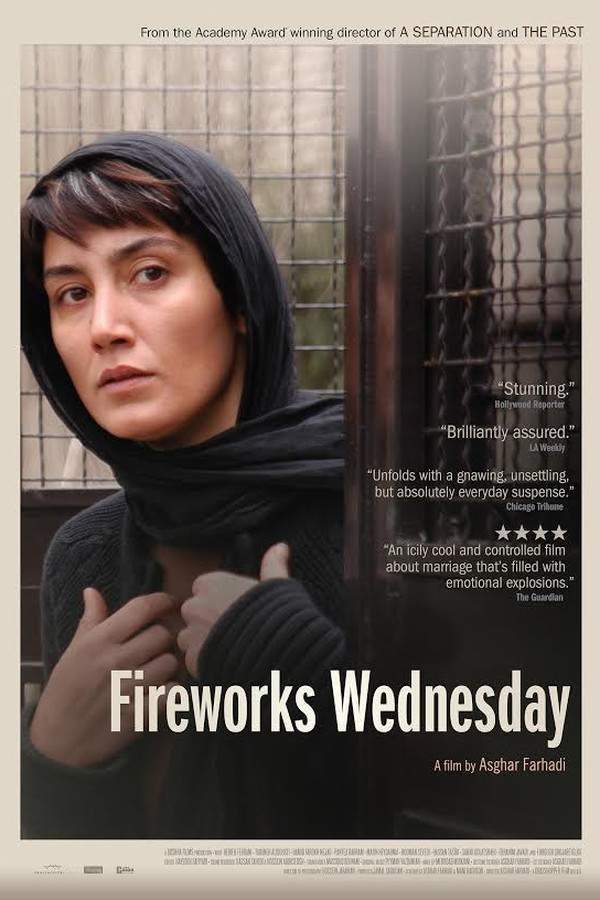
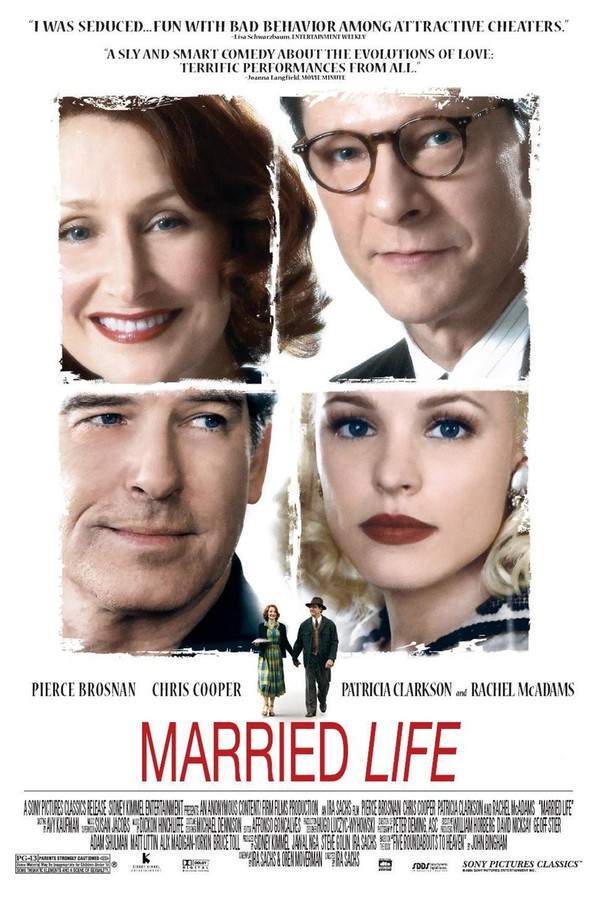
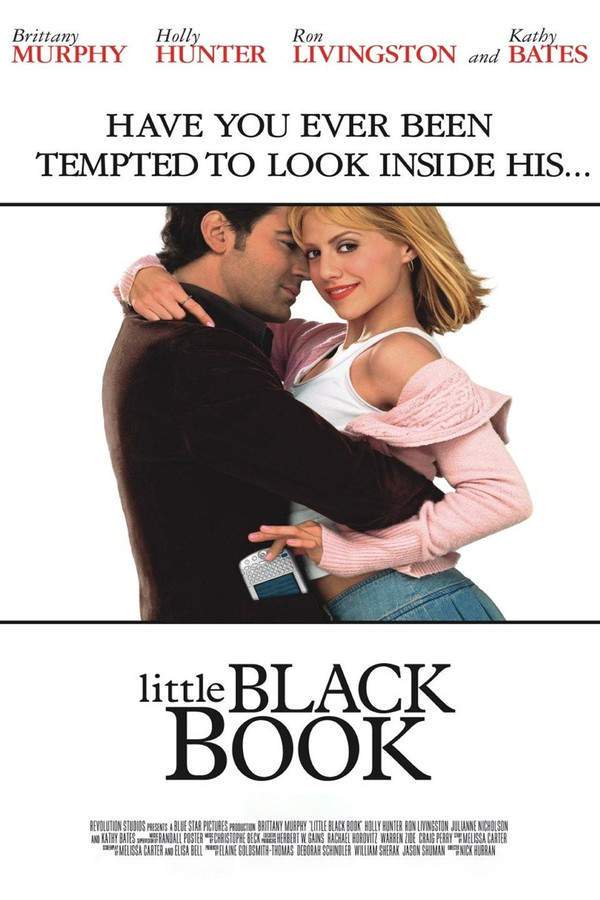
Claustrophobic relationship dramas with toxic dynamics like Autograph
Intimate stories where relationships become suffocating traps of power and manipulation.For viewers who appreciated the tense, manipulative relationship dynamics in Autograph, this collection features movies about toxic partnerships and power struggles. Discover similar stories with a claustrophobic feel, exploring emotional manipulation and the complications of blurred personal and professional lines.








Narrative Summary
The narrative pattern involves a close-knit group or partnership – often professional collaborators or romantic couples – where boundaries dissolve and power is exploited. The story unfolds in a steady, inward-focused manner, escalating the psychological pressure as characters become increasingly trapped by the toxic dynamics they've created or enabled.
Why These Movies?
These films are united by their tense, anxious mood and a claustrophobic atmosphere created within intimate relationships. They share a medium intensity and a steady pacing that allows the psychological unease to build effectively, focusing on dramatic interpersonal conflict rather than external action.
Unlock the Full Story of Autograph
Don't stop at just watching - explore Autograph in full detail. From the complete plot summary and scene-by-scene timeline to character breakdowns, thematic analysis, and a deep dive into the ending - every page helps you truly understand what Autograph is all about. Plus, discover what's next after the movie.
Autograph Timeline
Track the full timeline of Autograph with every major event arranged chronologically. Perfect for decoding non-linear storytelling, flashbacks, or parallel narratives with a clear scene-by-scene breakdown.

Characters, Settings & Themes in Autograph
Discover the characters, locations, and core themes that shape Autograph. Get insights into symbolic elements, setting significance, and deeper narrative meaning - ideal for thematic analysis and movie breakdowns.


