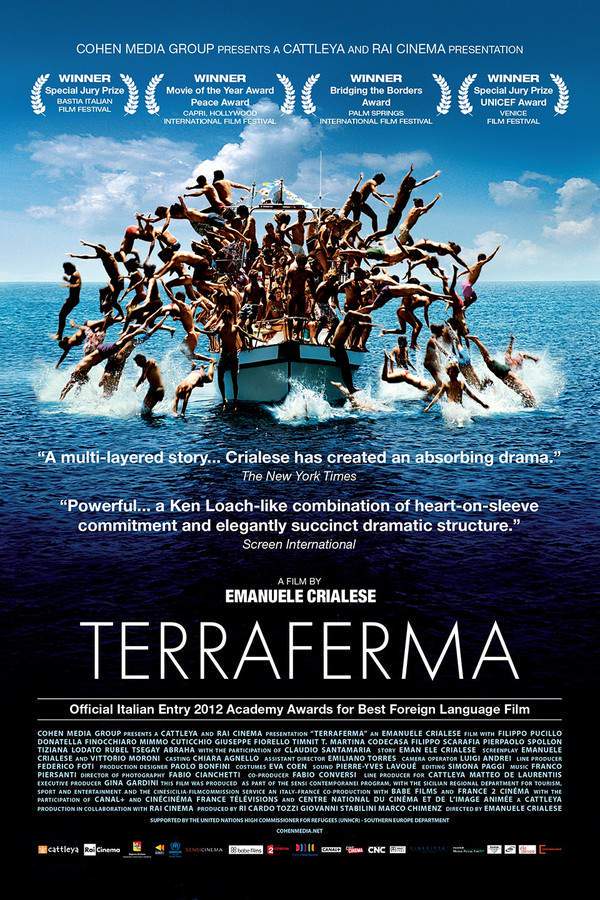
The film unfolds in five sections—a prologue, three main phases, and an epilogue—planting the Valastro family firmly in the everyday rhythms of a small Sicilian fishing village, Aci Trezza. The Valastro are working-class fishermen whose lives are woven with the sea, the price they can fetch for their catch, and the stubborn social order that keeps them in place.
In the first phase, the community confronts the economic squeeze that binds them. They demand a better price for their fish, and their eldest son Antonio Arcidiacono Ntoni urges a drastic protest: to throw the wholesalers’ scales into the ocean. The act lands them in jail, exposing the fragility of their resistance. The wholesalers, sensing a power shift, realize it is more profitable to have the fishermen depend on them, and they order the men released. Ntoni, who spent time on the mainland and has brought back new, open-minded ideas, dreams of forming a cooperative. He tries to rally his family to this new path, but the idea falters; no one joins, and the family finds themselves cornered by a system that resists collective change. In a bid to seize control of a different future, he convinces his family to mortgage their house to buy a boat, bankrolling a risky new life on their own terms.
The second phase centers on the vulnerability that accompanies risking everything for change. The Valastro family discovers that owning their own boat comes with steep costs they cannot fully bear. A particularly brutal storm damages their vessel, leaving them financially paralyzed with no funds to repair it. The disappointment is amplified by the social chorus around them: other fishermen and wholesalers mock their ambition, convinced that the old order cannot be altered. The dream of self-determination falters under pressure, and the new reality tests their resilience and their willingness to endure hardship for a hopeful future.
The third phase traces the social and psychological consequences of their attempted renaissance. Their ventures fail to translate into stable work, and the family slides further into economic precarity. Jobs disappear, opportunities dry up, and the wholesalers once again hold the strings, setting the prices for their fish. As despair grows, Cola [Giuseppe Arcidiacono] runs away to seek a better life elsewhere, a stark symbol of how far the Valastro’s gamble has taken them and how precarious any break from the past can be.
In the epilogue, poverty tightens its grip. Ntoni is overwhelmed by hunger and want, and, with his two young brothers, Vanni Antonino Micale and Alessio, he heads back into the labor pool, taking a precarious role as a day laborer for the wholesalers who now possess new boats of their own. The film closes on a note of endurance amid ongoing struggle, a portrait of a family caught between the sea’s call and an economy that resists transformative change.