Plot Explained Spoilers guaranteed!
Plot Explained

Browse by genre

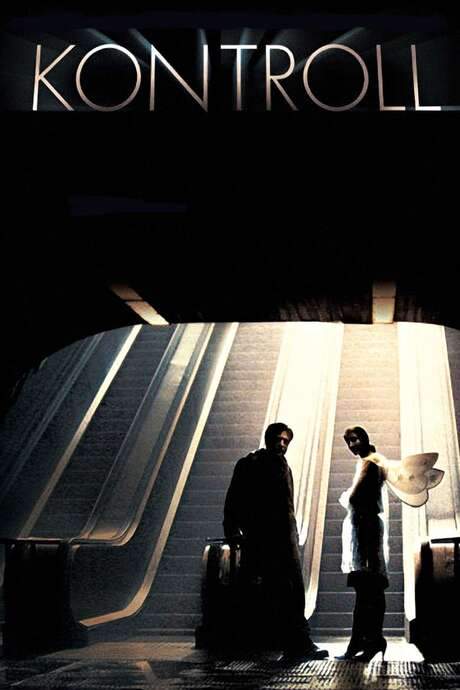
Kontroll (2003) movie poster

Plot Summary

Kontroll (2003) Plot Summary Explained

Release, runtime and language
2003 · 107 mins · Hungarian
Loading streaming availability…
Directed by
Nimród Antal
Starring
János Derzsi, Andrew Hefler, György Cserhalmi, Sándor Csányi, Zsolt Nagy, János Kulka

In the underground world of the Budapest Metro, ticket inspector Bulcsú and his crew patrol the trains, confronting fare evaders and a chilling serial killer who stalks the tunnels. Amid high‑speed chases along the tracks, personal loyalties and a budding romance surface, revealing the human side of the night shift.

On this page (6)
  1. 1 Where to watch
  2. 2 What happens: full plot
  3. 3 Plot questions answered
  4. 4 Movie threads
  5. 5 Movies like Kontroll
  6. 6 Every angle
Loading streaming availability…

Full plot summary · contains spoilers

What Happens in Kontroll: Full Plot Summary

The whole story of Kontroll (2003) explained, from the opening scene to the final frame: every key event, every twist and what it all adds up to. Read it as a quick recap before the sequel, to check a scene you missed, or to finally understand what really happened.

Bulcsú, Sándor Csányi is a ticket inspector on the underground; he spends his nights sleeping on the train platforms, and never leaves the subterranean world. His ragtag team of inspectors – consisting of the veteran Zoltán Mucsi as Professzor, the disheveled Sándor Badár as Lecsó, the neurotic narcoleptic Csaba Pindroch as Muki and the dimwitted greenhorn Zsolt Nagy as Tibi – is routinely disrespected and assaulted by commuters who evade paying fines in a variety of ways.

One of Bulcsú's company rivals, model employee Gonzó Balázs Mihályfi, challenges him to a "rail run": after the last metro leaves a station, the two leap onto the tracks and race to the next station on foot before the midnight maintenance carriage runs them over. Bulcsú wins the contest, barely saving Gonzó, who wets himself from the rush. The spectacle underscores the hazy line between discipline and chaos that anchors their daily grind.

During a routine inspection, he is enamored by a bear-suited girl named Zsófi, Eszter Balla, the daughter of veteran metro driver Béla Lajos Kovács. The encounter pulls Bulcsú toward a fragile, forbidden warmth amid a world that distrusts him at every turn, a small spark in the dim tunnels that feel like a second home to him.

On another occasion, Bulcsú tries to calm his colleague Laci, László Nádasi, after Laci loses his temper with a passenger and then takes the situation too far, ultimately slitting the passenger's throat. The act rattles Bulcsú and casts a pall of fear over the squad, showing how close violence lives to the surface in their charged environment.

After chasing a repeat-offender prankster called Bootsie (portrayed by Bence Mátyássy), Bulcsú becomes entangled in a new threat: a hooded figure dressed identically to Bootsie who pushes people onto the tracks, feeding rumors of a string of apparent suicides. The mystery deepens as Bulcsú’s recurring nightmare of this figure mars his judgment, and he resists sharing crucial details with the lead executive of the company, György Cserhalmi, who warns of consequences if the truth fails to surface.

During an underground costume party, Bulcsú spots the hooded figure again and they engage in another daring rail run. Bulcsú manages to outrun the mysterious pursuer, but the hooded figure never resurfaces from the tracks, leaving a lingering shadow over everything that happened that night. In the end, Bulcsú encounters Zsófi again, this time as an angel, and together they emerge back to the surface, stepping into the uncertain daylight that waits above ground.

The film offers a stark, patient look at urban fatigue, loyalty under pressure, and the quiet, stubborn humanity that persists in a world built on trains, tunnels, and late-night shifts. It is a story told with a cool, observational gaze that lets the tension simmer, letting small acts of connection stand out against the vast, watching anonymity of the underground.
Last updated: October 09, 2025 at 16:51

Was this helpful?

Plot questions answered

Kontroll Plot Explained: Your Questions Answered

The questions people ask most about Kontroll (2003): what happens in the confusing scenes, why the characters do what they do, the twists, hidden details and what the ending means. Each answer contains spoilers.

Q1

Who is the hooded figure pushing people onto the metro tracks?

The hooded figure is never definitively identified. The film presents the figure as a mysterious presence that dresses identically to Bootsie, a repeat-offender prankster, and pushes commuters onto the tracks in what appear to be suicides. During the underground costume party, Bulcsú chases this figure in another rail run and outruns them, but the figure never resurfaces from the tracks. The ambiguity suggests the killer could be a literal threat or a symbolic manifestation of the underground's dark undercurrent.

Foreshadowing: The figure first appears after Bulcsú chases Bootsie, establishing a visual connection that later becomes ambiguous.

  • hooded killer
  • serial killer
  • metro
  • Bootsie
  • tunnels
Q2

Why does Laci slit the passenger's throat?

Laci loses control after a confrontation with a fare-evading passenger escalates beyond his usual job-related frustration. While Bulcsú tries to calm him, Laci crosses an irrevocable line by slitting the passenger's throat. The scene illustrates how the constant abuse from commuters and the pressure of the job create a volatile environment where violence simmers just beneath the surface, ready to erupt.

Foreshadowing: Earlier scenes show inspectors routinely disrespected and assaulted by commuters, building Laci's cumulative tension.

  • Laci
  • violence
  • passenger
  • ticket inspector
  • underground
Q3

Is Zsófi real or a hallucination in Kontroll?

Zsófi first appears as a bear-suited girl Bulcsú encounters during a routine inspection, and he is visibly captivated by her. In the ending, she returns as an angel-like figure who emerges with Bulcsú onto the surface. The film leaves this ambiguous, she could represent a real romantic connection, a symbol of hope and redemption, or a psychological projection Bulcsú uses to escape his subterranean existence. The surreal quality suggests the answer is deliberately left open to interpretation.

Foreshadowing: The first meeting occurs in a mundane inspection context, grounding her as potentially real before the fantastical ending transforms her meaning.

  • Zsófi
  • bear costume
  • angel
  • Bulcsú
  • romance
  • surreal ending
Q4

Why does Bulcsú live entirely underground in the metro?

Bulcsú spends his nights sleeping on train platforms and never leaves the underground world. The metro has become his second home, a space where he belongs despite the constant disrespect and danger. The underground represents both his domain of expertise and a form of self-imposed exile from the surface world above, suggesting he has withdrawn from mainstream society into this nocturnal realm of trains, tunnels, and the workers who inhabit them.

Foreshadowing: His nightly routine of sleeping on platforms and his ease in navigating the tunnels establish the underground as his natural habitat.

  • Bulcsú
  • underground
  • metro
  • subterranean
  • surface
Q5

What is the significance of the rail runs in Kontroll?

The rail runs, dangerous sprints along the tracks after the last metro, serve as tests of courage and skill among the ticket inspectors. Bulcsú wins a rail run against rival Gonzó, barely saving him from the oncoming maintenance carriage. These sequences blur the line between discipline and chaos, representing the adrenaline and existential risk that define the inspectors' lives. They also function as a dark ritual that binds the workers in a shared language of danger and camaraderie.

Foreshadowing: The first rail run establishes the stakes and danger that permeate the inspectors' nightly reality.

  • rail run
  • tracks
  • Gonzó
  • challenge
  • metro
  • danger
Q6

Why does Bulcsú hide his nightmares about the hooded figure?

Bulcsú is haunted by recurring nightmares of the hooded killer, which cloud his judgment and create psychological distress. He resists sharing these details with György Cserhalmi, the company executive, despite warnings about consequences for withholding information. His silence likely stems from fear of appearing unstable, losing his job, or perhaps a deeper personal connection to the mystery that he cannot articulate. The secrecy strains his relationships and adds to the mounting pressure from management.

Foreshadowing: The nightmares begin after his first encounter with the hooded figure, linking his subconscious to the emerging threat.

  • nightmares
  • hooded figure
  • György Cserhalmi
  • secrets
  • psychological
Q7

What happens to the hooded killer at the end of Kontroll?

During the second rail run at the underground costume party, Bulcsú outruns the hooded pursuer, but the figure never resurfaces from the tracks. They simply vanish into the darkness of the tunnels, leaving their fate ambiguous. Whether they died on the tracks, escaped unseen, or were somehow eliminated remains unresolved. The lingering uncertainty maintains the film's enigmatic atmosphere and leaves the central threat forever partially unexplained.

Foreshadowing: Earlier rumors of suicides and the killer's mysterious presence foreshadow this unresolved disappearance.

  • hooded figure
  • ending
  • tracks
  • vanish
  • mystery
Q8

Why does Bulcsú emerge onto the surface at the end?

Bulcsú steps into the uncertain daylight above ground alongside Zsófi, who appears as an angel. This emergence marks his first departure from the underground world that has defined his existence. The surface represents possibility, redemption, and escape from the claustrophobic cycle of nightly patrols, violence, and isolation. However, the film presents this as tentative and uncertain, the daylight is described as "uncertain," suggesting Bulcsú's transition is more symbolic than definitively hopeful, leaving questions about whether this change will last.

Foreshadowing: Zsófi's earlier appearance as a bear-suited girl provides the human connection that motivates his departure.

  • surface
  • daylight
  • ending
  • Zsófi
  • escape
  • redemption
Q9

Are the metro deaths suicides or murders in Kontroll?

The deaths initially appear to be suicides, people jumping or falling onto the tracks. However, the hooded figure is witnessed pushing people onto the tracks, suggesting these are murders staged to look like suicides. The ambiguity is deliberate: the film weaves genuine suicides, potential murders, and the mysterious hooded figure into a single tapestry of tragedy. The inspectors speculate about the connection between the deaths and the hooded presence, but the truth remains murky, reflecting the film's overall atmosphere of uncertainty and danger.

Foreshadowing: Bootsie impostor incidents directly precede the surge in deaths, establishing the killer's presence.

  • suicides
  • murders
  • metro tracks
  • deaths
  • hooded figure
Q10

What warning does György Cserhalmi give Bulcsú about the truth?

György Cserhalmi, the company's top executive, warns Bulcsú that withholding crucial information about the hooded figure will have serious consequences for the entire agency. This warning creates additional pressure on Bulcsú, who is already burdened by his nightmares and secrets. The threat underscores the stakes involved, not just personal job security, but the reputation and safety of the entire organization. It also highlights the tension between institutional authority and the individual struggles of the underground workers.

Foreshadowing: Bulcsú's prior silence about his nightmares creates the basis for this confrontation.

  • György Cserhalmi
  • executive
  • warning
  • consequences
  • truth

Movie threads

More Movies Like Kontroll, by Mood & Story

Curated lists built around what makes Kontroll tick: the same mood, the same kind of story or the same emotional payoff. Each list explains why these movies belong together.

Claustrophobic urban thrillers like Kontroll

Thrillers set in cramped, subterranean worlds where danger feels inescapable. If you liked the tense, subterranean atmosphere of Kontroll, explore more movies like it. These films are set in confined urban underworlds, where the grimy, oppressive setting fuels a constant sense of danger and psychological unease, perfect for fans of high-stakes thrillers.

  • claustrophobic
  • grimy
  • atmospheric
  • tense
  • oppressive
  • urban decay
  • Tone: dark, tense, oppressive
  • Pacing: variable, with intense bursts
Why these movies?

The story pattern: Stories in this thread often feature characters operating in or trapped by an urban underground. The narrative leverages the confined setting to create unavoidable conflicts, whether it's a cat-and-mouse chase, a survival scenario, or a descent into a dark subculture, where escape to the surface is a recurring thematic goal.

Why they belong together: Movies are grouped here for their shared reliance on a cramped, subterranean setting to generate a unique form of tension. They share a grimy, atmospheric visual style and a feeling of being trapped, making the urban landscape a central source of the thriller's power.

Dark workplace comedies and dramas like Kontroll

Stories where absurd jobs meet dark humor and heavy emotional stakes. For viewers who enjoyed the mix of crude humor and heavy drama in Kontroll's subway setting. These movies like Kontroll feature eccentric crews in high-stress jobs, using dark comedy to explore themes of alienation, found family, and survival in a surreal professional world.

  • satirical
  • grimy
  • unsettling
  • bittersweet
  • found family
  • absurd
  • Tone: dark, satirical, bittersweet
  • Pacing: variable, character-driven
Why these movies?

The story pattern: The narrative pattern focuses on a group of characters bound by a strange or stressful profession. Their shared experience creates a 'found family' dynamic, where dark humor serves as a coping mechanism for the grim realities of their work. The story often oscillates between satirical jabs at the system and deeper explorations of personal crisis and loyalty.

Why they belong together: These films are united by their unique tonal blend: they are not purely comedies or dramas. They use the specific microcosm of a workplace to generate a mix of crude humor, surreal satire, and genuine human pathos, creating a bittersweet and often unsettling vibe.

If you liked this

Movies Like Kontroll

Similar movies to Kontroll: the same genre, themes or kind of story. Each one comes with its own plot summary, timeline and ending explained.

Browse all movie summaries

Every angle

Kontroll (2003) Explained: Plot, Timeline & Characters

Everything about Kontroll in one place: what happens in the plot summary, the timeline in chronological order, the characters and meaning and a spoiler-free summary. What's After the Movie adds the cast, box office and post-credit scenes.

Coming soon on iOS and Android

The Plot Explained Movie Summary App

Plot summaries, endings explained and timelines on your phone. Catch up on any movie in minutes, save your favorites and never miss a twist again.

Be the first to know when we launch. Your email stays private, always.

Learn more about the app