Plot Explained Spoilers guaranteed!
Plot Explained

Browse by genre

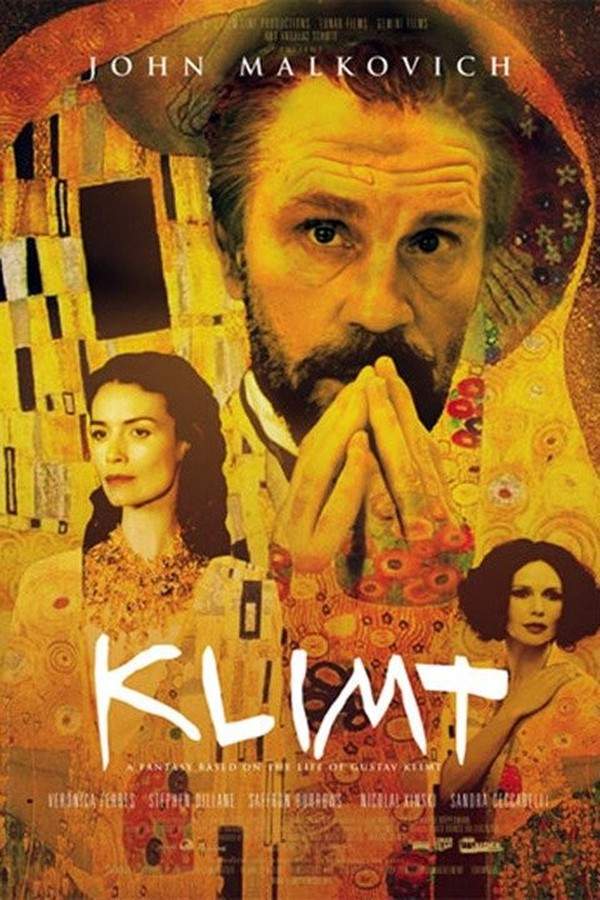
Klimt (2007) movie poster

Timeline

Klimt (2007) Timeline Explained – Every Event in Order

Release, runtime and language
2007 · English
Loading streaming availability…
Directed by
Raoul Ruiz

During Vienna's Golden Age, Gustav Klimt’s groundbreaking and often controversial artwork sparked a new artistic movement. His evocative paintings, filled with symbolism and sensuality, captivated audiences while his personal life became intertwined with passion, creativity, and public scandal. The film explores the complex relationship between the artist’s inner world and the opulent society that both celebrated and condemned him.

On this page (6)
  1. 1 Where to watch
  2. 2 Events in order (12)
  3. 3 Timeline questions answered
  4. 4 Movie threads
  5. 5 Movies like Klimt
  6. 6 Every angle
Loading streaming availability…

12 events in order · contains spoilers

Klimt Timeline: Events in Chronological Order

Every key event of Klimt (2007) in order, scene by scene, with when and where it takes place. Use it to untangle flashbacks, time jumps and parallel storylines, to refresh your memory before the sequel or to find the exact scene you are thinking of.

  1. Klimt rises as Vienna's leading artist

    Gustav Klimt is established as a leading artist in Vienna, with a growing reputation that attracts a steady stream of commissions and attention. His studio is constantly filled with nude models posing for his drawings and oil paintings. This period cements his fascination with the female form and his bold, inventive style.

    When
    Early career
    Where
    Vienna
  2. Bohemian studio life and intimate liaisons

    Klimt forms casual, intimate relationships with several models and uses their likenesses in his art. Some of these liaisons bear him children, though he does not always know all their identities. This bohemian lifestyle fuels a prolific and controversial period in his creative life.

    When
    Mid-career
    Where
    Vienna
  3. The brothel encounter and a claimed daughter

    During a night at a local brothel with a male acquaintance, Klimt is introduced to a prostitute as being his daughter, a claim tied to rumors about his past. He responds with ambiguity, saying he does not know the truth. The scene highlights how his private life becomes part of the public legend surrounding him.

    When
    Younger years
    Where
    Vienna
  4. A government patronage and a three-panel commission

    A recurring government official arranges commissions from the Ministry of Culture for Klimt. He receives a three-panel commission for three large canvases, elevating his work into the realm of state art. Klimt completes the canvases and they are prepared for a formal government reception.

    When
    Mid-career
    Where
    Vienna
  5. Reception and official recognition

    The three large canvases are presented at a government reception, and the reception is mixed in its assessment of Klimt's quality. Nevertheless, he is acknowledged as an artist of stature by officials across society. The moment solidifies both public interest and institutional respect for his work.

    When
    Mid-career
    Where
    Vienna
  6. Egon Schiele visits Klimt

    Throughout the vignettes, the younger painter Egon Schiele visits Klimt at various points, underscoring the continuity of the Viennese modernist milieu. These visits occur while Klimt is reflecting on his life during the mercury treatment. The interactions highlight the mentorship and dialogue among Vienna's artists.

    When
    Throughout life
    Where
    Vienna
  7. Emilie Floege – love and unconventional marriage plans

    Klimt's long-standing relationship with Emilie Floege, a trusted Austrian confidante, features prominently in his recollections. He envisions marriage with Emilie, but only as an open marriage, reflecting his belief in freedom within love. This relationship informs both his personal life and his art.

    When
    Mid-life
    Where
    Vienna
  8. Lea de Castro – love from Paris

    Klimt also pursues a romance with Lea de Castro, a Parisian actress who features in his works. The Parisian connection expands his horizon and the range of female beauty he seeks to depict. Like Emilie, Lea becomes a muse who shapes his art.

    When
    Mid-life
    Where
    Paris
  9. Family concerns and rumors of illegitimate children

    In a vision of his past, Klimt confronts his mother and sister, both held in asylum, about rumors of illegitimate children. He maintains a stance of ignorance about the number and identities of his progeny. The scene contrasts family anxieties with his singular devotion to art.

    When
    Late life
    Where
    Vienna
  10. Mercury treatment begins in hospital

    As his syphilis is treated with mercury, Klimt's memories become a sequence of recollections rather than a linear biography. The hospital setting frames his aging, while the art-filled visions persist. He clings to the beauty of his art even as his body suffers.

    When
    Late life
    Where
    Hospital
  11. Artistic legacy in the face of mortality

    With the treatment continuing, Klimt's reflections emphasize his career and the beauty he created rather than moral judgments about his personal life. The memories sustain him as his life nears its end. The film foregrounds art as the core of his identity.

    When
    Late life
    Where
    Hospital
  12. Death and last recollections

    Klimt expires during mercury treatment, and his final recollections revolve around the beauty of his art. The narrative closes on an affirmation that art endures beyond personal scandal. The life is framed as a meditation on artistic vocation rather than life details.

    When
    End of life
    Where
    Hospital

Last updated: November 22, 2025 at 15:57

Was this helpful?

Timeline questions answered

Klimt Timeline Explained: Your Questions Answered

When does it happen, and why in that order? The questions people ask about the chronology of Klimt (2007): time jumps, flashbacks, cause and effect between scenes and the correct order of events, each answered with spoilers.

Q1

Why was Gustav Klimt receiving mercury treatment in the hospital?

Klimt was being treated for syphilis with mercury in a hospital. The mercury treatment was a standard but toxic therapy for the disease during that era. The film frames his recollections as he endures this treatment, with his memories becoming increasingly vivid and dreamlike as his condition deteriorates.

  • syphilis
  • mercury treatment
  • hospital
  • illness
  • death
Q2

Why did Klimt propose an open marriage to Emilie Floege?

Klimt proposed marriage to Emilie Floege on the condition that it be an open marriage, reflecting his unconventional beliefs about love and freedom. He believed in maintaining his artistic freedom and bohemian lifestyle, which included relationships with multiple women. This stance contrasted sharply with conventional expectations of the time and illustrated his priority of personal freedom over traditional domesticity.

  • emilie floege
  • open marriage
  • love
  • proposal
  • relationship
Q3

What was the three-panel commission that brought Klimt into official recognition?

The three-panel commission refers to a major governmental artwork order that Klimt received through a Ministry of Culture official. Klimt completed three large canvases which were displayed at a grand government reception. While the reception was mixed in its assessment, the commission elevated his work into the realm of state art and solidified his recognition as a major artist of stature among both officials and the public.

Foreshadowing: The recurring government official who secured commissions for Klimt appears throughout his mid-career, setting up this pivotal moment.

  • three panel commission
  • ministry of culture
  • government
  • art
  • recognition
Q4

Who was the woman introduced as Klimt's daughter at the brothel?

During a night at a local brothel with a male acquaintance, Klimt was introduced to a prostitute who was claimed to be his daughter, tied to rumors about his past relationships with models. When asked directly if this was true, Klimt calmly replied that he did not know, continuing the evening without clarification. The scene highlights how his numerous relationships had become part of his public legend.

  • brothel
  • daughter
  • prostitute
  • rumors
  • illegitimate children
Q5

Why were Klimt's mother and sister in an asylum?

Klimt's mother and sister were both under care in an asylum for the mentally ill. In one of his recollections, they confronted him about rumors of his illegitimate children. This family scene reveals the personal toll of his chaotic personal life and suggests possible hereditary mental health issues in his family, adding to the film's exploration of his complex legacy.

  • mother
  • sister
  • asylum
  • mental illness
  • family
Q6

What was Klimt's relationship with Egon Schiele?

Egon Schiele, the younger Austrian expressionist painter, visited Klimt at various points throughout his life. These visits are portrayed in the film as occurring during Klimt's reflections while undergoing treatment. Schiele appears as both a contemporary commentator and participant in Klimt's recollections, highlighting the mentorship and artistic dialogue within the Viennese modernist milieu.

Foreshadowing: Schiele's visits occur throughout the timeline, representing the continuity of Vienna's artistic community.

  • egon schiele
  • visits
  • artist relationship
  • mentor
  • vienna
Q7

Who was Lea de Castro and what was her role in Klimt's life?

Lea de Castro was a Parisian actress who became one of Klimt's two principal romantic relationships. Like Emilie Floege, Lea embodied the type of beauty that inspired his art. Their romance expanded his artistic horizons beyond Vienna, and she became a muse who shaped his depiction of female beauty in his paintings.

  • lea de castro
  • paris
  • actress
  • love
  • muse
Q8

Did Klimt have children with his models?

The film suggests that several of Klimt's intimate relationships with his nude models bore him children. However, Klimt himself admits in the film that he does not know how many children he fathered or where many of them are. This uncertainty becomes a recurring theme as he reflects on his legacy and personal life.

  • children
  • models
  • relationships
  • illegitimate
  • families
Q9

How did Klimt die and what were his final thoughts?

Klimt died during the course of his mercury treatment in the hospital. His final recollections remained saturated with the splendor of his art rather than focusing on moral judgments about his personal life. The film closes with an affirmation that art endures beyond personal scandal, presenting his death as a meditation on artistic vocation.

Foreshadowing: The film has been building toward this ending since the opening scenes of mercury treatment.

  • death
  • final moments
  • art
  • legacy
  • mercury treatment
Q10

Why did Klimt work with so many nude models in his studio?

Klimt's lifelong fascination with the beauty of the female form drove both his art and his personal life. His studio was a constant theater of nude models who posed for his drawings and oil paintings. This fascination led to his distinctive style of capturing female beauty and sensuality, which became central to his controversial and groundbreaking art.

  • nude models
  • studio
  • female form
  • art
  • creative process

Movie threads

More Movies Like Klimt, by Mood & Story

Curated lists built around what makes Klimt tick: the same mood, the same kind of story or the same emotional payoff. Each list explains why these movies belong together.

Dreamlike artist biographies like Klimt

Biographical films that blend an artist's life and work in a reflective, dreamlike style. Discover movies like Klimt that explore the lives of artists through a dreamlike, non-linear lens. These films capture the sensual and melancholic aspects of creativity, blending biographical details with the artist's inner vision. If you liked the reflective and visually rich journey of Klimt, you'll find similar stories here.

  • dreamlike
  • melancholic
  • contemplative
  • sensual
  • reflective
  • nostalgic
  • Tone: melancholic, reflective, sensual
  • Pacing: slow, contemplative
Why these movies?

The story pattern: Stories in this thread often unfold through memory and flashback, eschewing strict chronology to better reflect the fragmented nature of recollection and artistic inspiration. The central conflict is typically internal, pitting the artist's visionary drive against societal conventions, personal relationships, or their own physical and mental decline. The journey is one of profound reflection on the connection between life and art.

Why they belong together: These movies are grouped by their shared approach to biographical storytelling, prioritizing mood, visual symbolism, and thematic exploration over conventional plot. They share a melancholic tone, slow pacing, and a heavy emotional weight centered on the price of genius and the specter of mortality.

Bittersweet stories about mortality like Klimt

Slow-paced dramas where characters confront their past and legacy near the end of life. Find films similar to Klimt that explore themes of memory, mortality, and legacy with a bittersweet tone. These movies often feature characters in decline reflecting on their lives, creating a contemplative and emotionally resonant experience. If you appreciated the heavy, reflective mood of Klimt, this collection is for you.

  • contemplative
  • bittersweet
  • melancholic
  • reflective
  • poignant
  • nostalgic
  • Tone: bittersweet, melancholic, contemplative
  • Pacing: slow, reflective
Why these movies?

The story pattern: The narrative pattern involves a character, often facing illness or old age, revisiting key moments from their past through a series of vignettes or flashbacks. The central journey is an internal reckoning, weighing personal failings against achievements and searching for peace. The structure is frequently non-linear, mirroring the associative nature of memory, and builds towards a conclusion that is sad yet infused with a sense of hard-won wisdom or the enduring value of one's creations.

Why they belong together: This thread connects films through their shared thematic focus on life's end, the weight of memory, and the bittersweet nature of evaluating one's impact. They consistently feature a slow, reflective pace, a melancholic or bittersweet tone, and a complex emotional landscape that results in a heavy but meaningful viewing experience.

If you liked this

Movies Like Klimt

Similar movies to Klimt: the same genre, themes or kind of story. Each one comes with its own plot summary, timeline and ending explained.

Browse all movie summaries

Every angle

Klimt (2007) Explained: Plot, Timeline & Characters

Everything about Klimt in one place: what happens in the plot summary, the timeline in chronological order, the characters and meaning and a spoiler-free summary. What's After the Movie adds the cast, box office and post-credit scenes.

Coming soon on iOS and Android

The Plot Explained Movie Summary App

Plot summaries, endings explained and timelines on your phone. Catch up on any movie in minutes, save your favorites and never miss a twist again.

Be the first to know when we launch. Your email stays private, always.

Learn more about the app