Plot Explained Spoilers guaranteed!
Plot Explained

Browse by genre

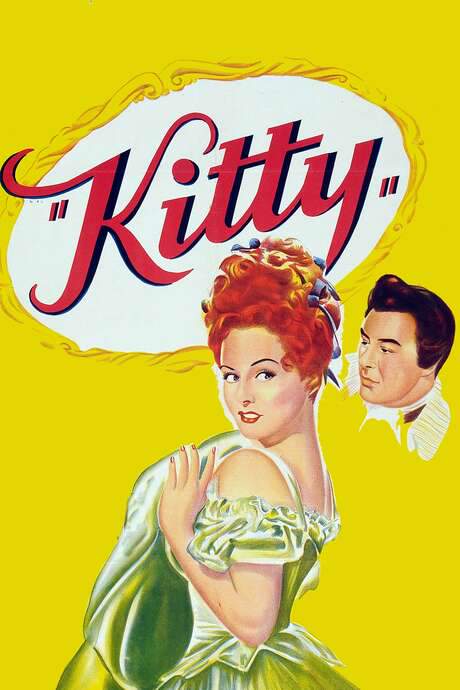
Kitty Foyle (1940) movie poster

Characters & Themes

Kitty Foyle (1940) Characters, Setting & Themes Explained

Release, runtime and language
1940 · 108 mins · English
Loading streaming availability…
Directed by
Sam Wood
Starring
Gladys Cooper, Florence Bates, Ginger Rogers, Heather Angel, Helen Brown, K.T. Stevens

The natural history of a woman A hard-working, white-collar girl falls in love with a young socialite, but meets with his family’s disapproval.

On this page (8)
  1. 1 Where to watch
  2. 2 Characters explained (6)
  3. 3 Where & when it takes place
  4. 4 Themes & meaning (3)
  5. 5 Character & meaning questions
  6. 6 Movie threads
  7. 7 Movies like Kitty Foyle
  8. 8 Every angle
Loading streaming availability…

6 main characters · contains spoilers

Kitty Foyle Characters Explained: Who Is Who

The main characters of Kitty Foyle (1940), heroes and villains: what drives them, how they change over the course of the story and what each of them reveals about the film's bigger ideas.

  • Kitty Foyle (Ginger Rogers)

    A resourceful, compassionate saleswoman who faces a life-changing choice between love and security. She navigates social pressure with wit and resilience, choosing a path that honors her integrity. Her journey shows a strong moral compass and readiness to sacrifice personal happiness for others.

    • 💖 Romantic lead
    • 🧭 Determination
  • Wyn Strafford (Dennis Morgan)

    A scion of a wealthy Main Line family who loves Kitty but is torn by duties to his lineage. He is generous and charismatic yet constrained by expectations, often acting out of deference to tradition rather than personal conviction.

    • 💼 Wealth & Duty
    • 💑 Romantic lead
  • Mark Eisen (James Craig)

    A earnest doctor who respects Kitty for who she is rather than her social status. He provides steady, sincere support and a pragmatic counterpoint to Wyn's privileged world.

    • 🩺 Doctor
    • 💖 Stable romance
  • Delphine Detaille (Odette Myrtil)

    Owner of a fashion house and Kitty's employer; savvy, stylish, and practical. She represents the professional path Kitty forges in New York.

    • 🧵 Fashion
    • 💼 Boss
  • Pop (Ernest Cossart)

    Kitty's father, a voice of wisdom who cautions against chasing fantasies. His guidance grounds Kitty's choices and emphasizes family responsibility.

    • 👨 Father figure
    • 🧭 Guidance
  • Mrs. Strafford (Gladys Cooper)

    Wyn's mother, representing aristocratic expectations and social scrutiny. Her presence underscores the pressures Kitty faces when courting Wyn.

    • 🏰 Mother figure
    • 🧭 Social pressure

Last updated: October 04, 2025 at 17:08

Was this helpful?

Setting

Where and When Does Kitty Foyle Take Place?

The setting of Kitty Foyle (1940): the year and time period, the places and locations, and how they shape the characters, the mood and the tension of the story.

Time period

Location

Philadelphia, New York City

The story moves between the chic fashion districts of New York and the exclusive Main Line of Philadelphia. It alternates between stylish boutiques and drawing rooms where social rules govern relationships. These settings establish Kitty's ascent from working girl to society figure, highlighting the tension between aspiration and status.

  • 🏙️ City life
  • 🎭 High society
  • 🧵 Fashion world

Last updated: October 04, 2025 at 17:08

Was this helpful?

3 major themes

Kitty Foyle Meaning: Themes & Message Explained

What is Kitty Foyle (1940) really about? The emotional, social and philosophical themes the film keeps returning to, its symbolism and the message beneath the surface.

  • Love vs Duty

    Kitty is torn between marrying Mark, a man she respects, and Wyn, whose wealth offers security but conflicts with true happiness. The dilemma pits personal desire against social expectations and financial risk. The film uses Kitty's decisions to examine how society values class over authentic connection. Ultimately, the story asks whether personal happiness can survive in a world that prizes status.

  • Class & Society

    A wealthy Main Line upbringing, inheritance concerns, and banking family duties frame the choices before Kitty. The risk of disinheritance and the pressure to maintain a revered lineage drive key plot turns. The film critiques a culture where worth is measured by wealth and lineage rather than character. Kitty's path challenges these rigid codes.

  • Identity & Autonomy

    Kitty's sense of self evolves from dreamer to decisive adult capable of choosing her own path. Past experiences in Philadelphia shape her values and expectations for love and life. The narrative foregrounds personal agency amid social constraints, using romance and family ties to test her autonomy. The final choice marks a reaffirmation of her own identity.

Last updated: October 04, 2025 at 17:08

Was this helpful?

Character & theme questions

Kitty Foyle Characters & Meaning: Your Questions Answered

The questions people ask about Kitty Foyle (1940): who the characters really are, their relationships, what the symbols mean, where it takes place and what the movie is really about. Each answer contains spoilers.

Q1

Where does the story take place?

The film is set in two interconnected worlds: the chic fashion districts of New York City, where Kitty works as a saleswoman, and the exclusive Main Line suburbs of Philadelphia, representing the wealthy aristocratic society Wyn comes from. These contrasting locations highlight the class divide that defines Kitty's central dilemma.

  • new york
  • philadelphia
  • main line
  • setting
  • fashion district
Q2

What time period is the movie set in?

Kitty Foyle is set in the late 1930s to early 1940s, contemporary with its release. The period is indicated by the fashion world setting, the banking family dynamics, and the social customs portrayed, reflecting the era when class distinctions heavily determined romantic prospects.

  • time period
  • 1940s
  • era
  • historical context
Q3

What is the main theme of the movie?

The film explores three interconnected themes: love versus duty as Kitty chooses between genuine affection and financial security; class and society's rigid expectations that measure worth by wealth and lineage; and identity and autonomy as Kitty evolves from a dreamer into a woman who claims the right to choose her own path.

  • love vs duty
  • class
  • society
  • identity
  • autonomy
  • themes
Q4

Who is Wyn Strafford?

Wyn Strafford is the heir to a wealthy Main Line banking family. He is charismatic and genuinely loves Kitty, but he is deeply constrained by family obligations and expectations. His character represents the conflict between personal desire and hereditary duty, as he struggles to reconcile his feelings with his obligations to his lineage.

  • wyn strafford
  • main line
  • banking family
  • aristocracy
Q5

Who is Mark Eisen?

Mark Eisen is an earnest, sincere doctor who respects Kitty for who she is rather than for any social status she might attain. He represents the alternative to Wyn's world, a life built on genuine connection rather than wealth and social position. His steadfast support provides Kitty with a practical, grounded option.

  • mark eisen
  • doctor
  • sincere
  • alternative love interest
Q6

What does the fashion world setting represent?

The New York fashion district serves as both Kitty's professional domain and a symbol of her independence and ambition. Working for Delphine Detaille's fashion house represents the self-made path available to Kitty, in contrast to the passive, dependent role society expects of women in Wyn's world.

  • fashion
  • new york
  • delphine detalle
  • work
  • independence
Q7

Why is class important to the story?

Class is the central barrier in Kitty's romantic dilemma. Wyn's wealthy Main Line family represents old money and aristocratic lineage, while Kitty's position as a working saleswoman represents the aspiring middle class. The film critiques how society measures personal worth by family wealth and social standing, makingKitty's choice about love also a choice about social acceptance.

  • class divide
  • social status
  • main line
  • wealth
  • society
Q8

Who is Mrs. Strafford and what is her role?

Mrs. Strafford is Wyn's mother, the matriarch of the wealthy Strafford family. She embodies aristocratic expectations and social scrutiny, actively opposing any relationship between Wyn and Kitty due to class differences. Her presence represents the insurmountable social pressure Kitty faces in pursuing her romance with Wyn.

  • mrs strafford
  • mother
  • aristocracy
  • opposition
  • social pressure
Q9

What does the movie say about women's autonomy?

Through Kitty's journey, the film examines women's agency in a society that discourages independent choice. Kitty begins as a dreamer influenced by others but ultimately grows into a decisive adult capable of choosing her own path. Her final decision represents a reaffirmation of her identity and the right to determine her own future, even at personal cost.

  • women's autonomy
  • independence
  • choice
  • identity
  • agency
Q10

Who is Delphine Detaille?

Delphine Detaille is the owner of the fashion house where Kitty works in New York. She is portrayed as savvy, stylish, and practical, a successful professional woman who represents the alternative path Kitty builds for herself in the city. Delphine embodies the possibility of self-reliance through professional achievement.

  • delphine detalle
  • fashion house
  • employer
  • professional woman
Q11

What is the tone and emotional weight of the film?

The film carries a bittersweet tone with steady pacing and moderate complexity. While emotionally impactful, it is not relentlessly stressful, the central dilemma provides consistent tension without overwhelming the viewer. The emotional weight is heavy due to themes of loss, societal rejection, and the sacrifice of ideal love, but it ends on a hopeful note for Kitty's future.

  • bittersweet tone
  • emotional weight
  • drama
  • tone
  • pacing

Movie threads

More Movies Like Kitty Foyle, by Mood & Story

Curated lists built around what makes Kitty Foyle tick: the same mood, the same kind of story or the same emotional payoff. Each list explains why these movies belong together.

Romantic dramas about class divides like Kitty Foyle

Love stories where social barriers create impossible choices and bittersweet endings. Explore movies like Kitty Foyle where love battles societal expectations. If you enjoyed the story of a woman torn between a passionate but unstable relationship and secure but less passionate commitment due to class differences, you'll find similar moving and bittersweet stories here.

  • romantic
  • melancholic
  • yearning
  • desperate
  • reflective
  • nostalgic
  • Tone: bittersweet, melancholic
  • Pacing: steady, character driven
Why these movies?

The story pattern: Stories in this thread typically follow a protagonist, often from a modest background, who falls for someone from a higher social stratum. The central drama revolves around the disapproval of family and society, creating an ongoing tension between following one's heart and conforming to social norms. The journey involves significant personal sacrifice and often concludes with a realistic, rather than purely happy, ending.

Why they belong together: Movies are grouped here for their shared focus on romance as a force challenged by external social pressures. They share a heavy emotional weight, a steady, character-driven pace, and a consistently bittersweet tone that acknowledges the pain and beauty of love within societal constraints.

Moving dramas about resilient women like Kitty Foyle

Character studies of women navigating profound grief while building a new life. Find films similar to Kitty Foyle that explore a woman's strength in the face of tragedy. These stories share a melancholic and reflective mood, following characters who experience deep loss but find the courage to move forward, offering a bittersweet but ultimately hopeful viewing experience.

  • melancholic
  • reflective
  • grieving
  • resigned
  • nostalgic
  • hopeful
  • Tone: melancholic, reflective, bittersweet
  • Pacing: steady, linear
Why these movies?

The story pattern: The narrative pattern involves a linear or reflective journey through a woman's life, highlighting key traumatic events that shape her. The story is less about external plot twists and more about the internal emotional processing of grief, sacrifice, and disappointment. The arc culminates not in a triumphant victory, but in a quiet, earned stability forged from pain.

Why they belong together: These films are connected by their deeply melancholic and reflective mood, their heavy emotional weight centered on themes of loss, and their steady pacing that allows for a thorough exploration of grief and recovery. The protagonist's journey of enduring and overcoming personal tragedy is the unifying core.

If you liked this

Movies Like Kitty Foyle

Similar movies to Kitty Foyle: the same genre, themes or kind of story. Each one comes with its own plot summary, timeline and ending explained.

Browse all movie summaries

Every angle

Kitty Foyle (1940) Explained: Plot, Timeline & Characters

Everything about Kitty Foyle in one place: what happens in the plot summary, the timeline in chronological order, the characters and meaning and a spoiler-free summary. What's After the Movie adds the cast, box office and post-credit scenes.

Coming soon on iOS and Android

The Plot Explained Movie Summary App

Plot summaries, endings explained and timelines on your phone. Catch up on any movie in minutes, save your favorites and never miss a twist again.

Be the first to know when we launch. Your email stays private, always.

Learn more about the app