Plot Explained Spoilers guaranteed!
Plot Explained

Browse by genre

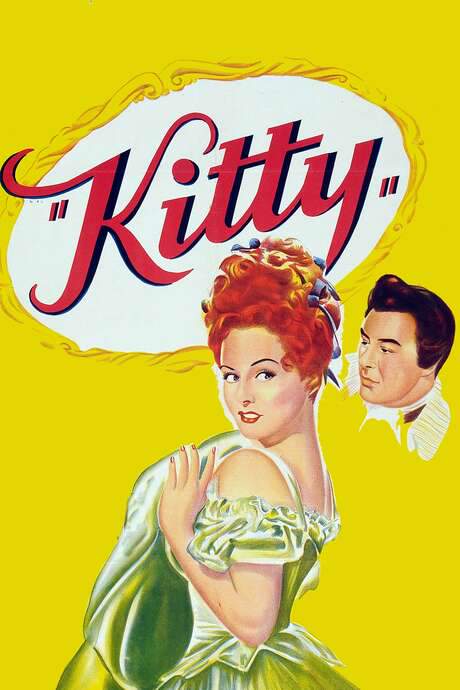
Kitty Foyle (1940) movie poster

Plot Summary

Kitty Foyle (1940) Plot Summary Explained

Release, runtime and language
1940 · 108 mins · English
Loading streaming availability…
Directed by
Sam Wood
Starring
Gladys Cooper, Florence Bates, Ginger Rogers, Heather Angel, Helen Brown, K.T. Stevens

The natural history of a woman A hard-working, white-collar girl falls in love with a young socialite, but meets with his family’s disapproval.

On this page (6)
  1. 1 Where to watch
  2. 2 What happens: full plot
  3. 3 Plot questions answered
  4. 4 Movie threads
  5. 5 Movies like Kitty Foyle
  6. 6 Every angle
Loading streaming availability…

Full plot summary · contains spoilers

What Happens in Kitty Foyle: Full Plot Summary

The whole story of Kitty Foyle (1940) explained, from the opening scene to the final frame: every key event, every twist and what it all adds up to. Read it as a quick recap before the sequel, to check a scene you missed, or to finally understand what really happened.

Ginger Rogers stars as Kitty Foyle, a saleswoman in a New York City boutique, when she is faced with a life-changing choice: marry her fiancé, Mark Eisen, a poor doctor, or run away to South America with Wyn Strafford, Dennis Morgan, a wealthy man who is about to leave his wife and young son.

The film frequently folds back to Kitty’s youth in Philadelphia, where a parade of the city’s elite Main Liners before the Assembly Ball embodies the world she longs to join. Her father, a practical man named in the family circle as a stern voice of caution, reminds her to keep her feet on the ground even as fantasy flirts with her heart. In a twist of fate, she encounters Wynnewood Strafford VI, the hopeful scion of a storied Main Line lineage, who offers Kitty a secretarial position at his fledgling magazine. The two fall in love, but when the magazine folds, Wyn is unwilling to defy expectations by proposing to a woman who sits far below his social station.

After her father’s death, Kitty finds herself with limited prospects for marriage and the weight of a future she didn’t foresee. She moves to New York to work for Delphine Detaille, a fashion house run by the enigmatic Delphine Detaille. The day she finds herself in trouble, Kitty accidentally triggers a burglar alarm and pretends to faint to cover her mistake, only to be noticed by Dr. Mark Eisen, who sees through the ruse and playfully compels her to go on a first date.

Wyn finally tracks Kitty down in the city, and the two resume a volatile, undeniable bond. He eventually proposes, presenting her with a family heirloom ring. Kitty agrees to marry him on one condition: they will not live in Philadelphia. When Wyn introduces her to his family, she is met with a chilly reception, and she learns that Wyn would be disinherited if he stays in Philadelphia and works in the family banking business. Although Wyn is willing to forgo his inheritance, Kitty doubts his ability to cope with poverty, and she walks away, leading to a divorce.

Back in New York, Kitty renews her relationship with Mark Eisen, hoping for a stable life. Yet she discovers she is pregnant with Wyn’s child. Wyn makes a gesture to meet her and salvage a reconciliation, but a newspaper announces his engagement to someone of his social standing. Kitty leaves without seeing him, and the baby dies at birth, a devastating blow that tests her resolve and future.

Five years pass, and Kitty reluctantly agrees to open a Philadelphia branch store for Delphine. In the course of her work, she encounters Wyn’s wife and, unexpectedly, their son. She seizes a quiet opportunity to entrust the family’s heirloom ring back to the boy, a moment that prompts Wyn to revisit Kitty and try once more to win her back. The story circles back to the dilemma that began the film: will she choose the security and romance of Mark Eisen or the passion and social ascent Wyn represents?

In the end, Kitty chooses a life with Mark, whose steadiness offers a new and promising path. The choice encapsulates a broader message about love, sacrifice, and the moral complexities of social class, leaving Kitty with a future shaped by practical commitment rather than idealized wealth. The narrative remains intimate, character-driven, and anchored in Kitty’s evolving sense of self as she navigates love, obligation, and the possibility of happiness on her own terms.

Last updated: October 09, 2025 at 10:48

Was this helpful?

Plot questions answered

Kitty Foyle Plot Explained: Your Questions Answered

The questions people ask most about Kitty Foyle (1940): what happens in the confusing scenes, why the characters do what they do, the twists, hidden details and what the ending means. Each answer contains spoilers.

Q1

Why did Wyn abandon Kitty after his magazine failed?

Wyn couldn't defy his family's expectations. When his magazine folded, he faced pressure to marry someone of his own social standing rather than propose to Kitty, a woman far below his class. He chose to end the relationship to preserve his position in the Main Line family rather than risk disinheritance by marrying below his station.

Foreshadowing: Earlier, Kitty's father warned her about chasing fantasies of wealth and status, hinting that class barriers would ultimately divide them.

  • Wyn Strafford
  • Kitty Foyle
  • magazine failure
  • class difference
  • Main Line
Q2

Why did Kitty walk away from Wyn even though he offered to give up his inheritance?

Kitty doubted Wyn's ability to survive without his family's wealth. She believed he wasn't strong enough to cope with poverty and the hardships of truly leaving his privileged world behind. Rather than risk a life of struggle with a man who might resent her later for sacrificing his inheritance, she ended the engagement to protect them both from that potential bitterness.

  • Wyn Strafford
  • inheritance
  • poverty
  • class conflict
  • marriage
Q3

What happened to Kitty and Wyn's baby?

Kitty became pregnant with Wyn's child after their breakup. When Wyn arranged to meet her to reconcile, a newspaper announced his engagement to someone else of his own social standing. Kitty left without seeing him, and the baby died at birth, a devastating loss that deepened her resolve to move forward without him.

  • pregnancy
  • baby death
  • tragedy
  • Wyn Strafford
  • Kitty Foyle
Q4

Why did Wyn get engaged to someone else after promising to reconcile with Kitty?

Wyn's family arranged his engagement to a woman of suitable social standing. Even though he wanted to reconcile with Kitty, the pressures of his Main Line background proved stronger than his personal desires. The newspaper announcement caught Kitty off guard, leaving her without the chance to confront him about their relationship before it was too late.

  • Wyn engagement
  • newspaper
  • Main Line family
  • social class
Q5

What was the significance of the family heirloom ring?

The heirloom ring represented Wyn's commitment to Kitty and his willingness to bind her to his family's legacy. When Kitty encountered Wyn's wife and son five years later, she used the moment to pass the ring back to the boy, symbolically returning Wyn's promise to his legitimate family and closing that chapter of her life.

Foreshadowing: Wyn originally proposed with this ring, asking Kitty to marry him on the condition they wouldn't live in Philadelphia.

  • heirloom ring
  • proposal
  • Wyn's son
  • family legacy
Q6

Why did Kitty choose Mark instead of Wyn at the end?

Kitty chose Mark because his stability offered a promising future without the emotional turbulence and class conflicts that defined her relationship with Wyn. After years of loss and struggle, she found greater peace in Mark's steady, dependable love than in the passionate but impractical romance Wyn represented. Her choice reflects the movie's theme of choosing practical commitment over idealized wealth.

  • Mark Eisen
  • Kitty Foyle
  • choice
  • stability
  • practical love
Q7

Why was the Main Line social class so important in the story?

The Main Line represented the elite Philadelphia aristocracy that controlled wealth, status, and opportunity. Kitty's desire to join this world drove her romantic choices, while Wyn's inability to defy his family's expectations ultimately prevented their union. The class barrier serves as the story's central obstacle, illustrating how social stratification trapped characters in roles they couldn't easily escape.

Foreshadowing: Kitty's childhood scene of watching the Main Line parade before the Assembly Ball establishes her long-standing aspiration to belong to this world.

  • Main Line
  • Philadelphia
  • social class
  • elite
  • family expectations
Q8

Why did Kitty move to New York after her father died?

With her father gone, Kitty had limited marriage prospects in Philadelphia and needed to support herself. Moving to New York represented her first step toward independence. She found work at Delphine Detaille's fashion house, where she accidentally met Dr. Mark Eisen, opening a new chapter in her life away from the social constraints of her hometown.

Foreshadowing: Her father had always warned her to keep her feet on the ground, suggesting she would need to rely on her own practical skills.

  • father death
  • New York move
  • Delphine Detaille
  • fashion house
  • independence

Movie threads

More Movies Like Kitty Foyle, by Mood & Story

Curated lists built around what makes Kitty Foyle tick: the same mood, the same kind of story or the same emotional payoff. Each list explains why these movies belong together.

Romantic dramas about class divides like Kitty Foyle

Love stories where social barriers create impossible choices and bittersweet endings. Explore movies like Kitty Foyle where love battles societal expectations. If you enjoyed the story of a woman torn between a passionate but unstable relationship and secure but less passionate commitment due to class differences, you'll find similar moving and bittersweet stories here.

  • romantic
  • melancholic
  • yearning
  • desperate
  • reflective
  • nostalgic
  • Tone: bittersweet, melancholic
  • Pacing: steady, character driven
Why these movies?

The story pattern: Stories in this thread typically follow a protagonist, often from a modest background, who falls for someone from a higher social stratum. The central drama revolves around the disapproval of family and society, creating an ongoing tension between following one's heart and conforming to social norms. The journey involves significant personal sacrifice and often concludes with a realistic, rather than purely happy, ending.

Why they belong together: Movies are grouped here for their shared focus on romance as a force challenged by external social pressures. They share a heavy emotional weight, a steady, character-driven pace, and a consistently bittersweet tone that acknowledges the pain and beauty of love within societal constraints.

Moving dramas about resilient women like Kitty Foyle

Character studies of women navigating profound grief while building a new life. Find films similar to Kitty Foyle that explore a woman's strength in the face of tragedy. These stories share a melancholic and reflective mood, following characters who experience deep loss but find the courage to move forward, offering a bittersweet but ultimately hopeful viewing experience.

  • melancholic
  • reflective
  • grieving
  • resigned
  • nostalgic
  • hopeful
  • Tone: melancholic, reflective, bittersweet
  • Pacing: steady, linear
Why these movies?

The story pattern: The narrative pattern involves a linear or reflective journey through a woman's life, highlighting key traumatic events that shape her. The story is less about external plot twists and more about the internal emotional processing of grief, sacrifice, and disappointment. The arc culminates not in a triumphant victory, but in a quiet, earned stability forged from pain.

Why they belong together: These films are connected by their deeply melancholic and reflective mood, their heavy emotional weight centered on themes of loss, and their steady pacing that allows for a thorough exploration of grief and recovery. The protagonist's journey of enduring and overcoming personal tragedy is the unifying core.

If you liked this

Movies Like Kitty Foyle

Similar movies to Kitty Foyle: the same genre, themes or kind of story. Each one comes with its own plot summary, timeline and ending explained.

Browse all movie summaries

Every angle

Kitty Foyle (1940) Explained: Plot, Timeline & Characters

Everything about Kitty Foyle in one place: what happens in the plot summary, the timeline in chronological order, the characters and meaning and a spoiler-free summary. What's After the Movie adds the cast, box office and post-credit scenes.

Coming soon on iOS and Android

The Plot Explained Movie Summary App

Plot summaries, endings explained and timelines on your phone. Catch up on any movie in minutes, save your favorites and never miss a twist again.

Be the first to know when we launch. Your email stays private, always.

Learn more about the app