Plot Explained Spoilers guaranteed!
Plot Explained

Browse by genre

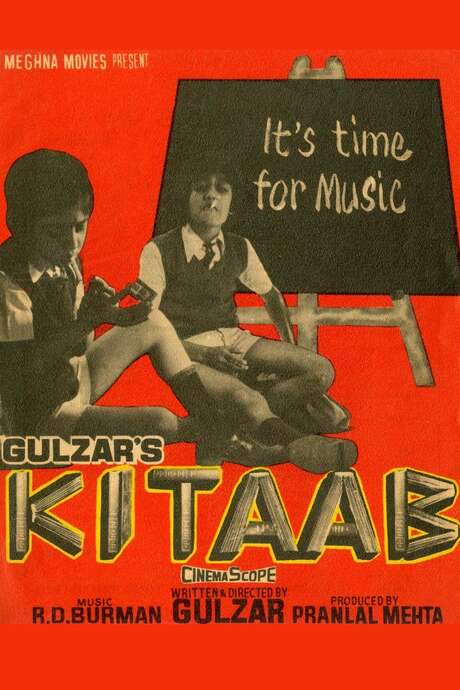
Kitaab (1977) movie poster

Characters & Themes

Kitaab (1977) Characters, Setting & Themes Explained

Release, runtime and language
1977 · 124 mins · Hindi
Loading streaming availability…
Directed by
Gulzar
Starring
Dina Pathak, Raju Shrestha, Rammohan Sharma, Shreeram Lagoo, Om Shivpuri, Keshto Mukherjee

Director Sampooran Singh Gulzar’s insightful comic drama aims to capture the unique perspective of childhood.

On this page (8)
  1. 1 Where to watch
  2. 2 Characters explained (6)
  3. 3 Where & when it takes place
  4. 4 Themes & meaning (3)
  5. 5 Character & meaning questions
  6. 6 Movie threads
  7. 7 Movies like Kitaab
  8. 8 Every angle
Loading streaming availability…

6 main characters · contains spoilers

Kitaab Characters Explained: Who Is Who

The main characters of Kitaab (1977), heroes and villains: what drives them, how they change over the course of the story and what each of them reveals about the film's bigger ideas.

  • Babla (Master Raju)

    played by Raju Shrestha

    A curious village boy who longs for freedom and new experiences. He enjoys the antics of street life, street magic, and companionship with Pappu, yet he is unsettled by the discipline and expectations of schooling. His journey hints at a shift from playful innocence to a sense of responsibility as he navigates between two worlds.

    • 👶 Curious
    • 🎭 Street life
    • 📚 Education
  • Babla's Mother (Dina Pathak)

    A loving and pragmatic mother who sends Babla to his sister in the city for better schooling. She hopes for his growth and safety, yet she remains a steady anchor for him and ultimately welcomes his return. Her actions reflect a balance between care and discipline.

    • 👩 Mother
    • 💞 Family
    • 🧭 Guidance
  • Mrs. Komal Gupta (Vidya Sinha)

    Babla's sister in the city who hosts him and represents adult expectations and boundaries. She and her husband press for academic success and proper conduct, illustrating the push-and-pull between a child's dreams and real-world pressures. Her presence marks the shift from village naivety to urban responsibility.

    • 👧 Sister
    • 🏫 Authority
    • 🏙️ City life
  • Pappu (Master Tito)

    Babla's classmate and friend, a playful and inquisitive companion who shares in the urban adventures and curiosity about life beyond the village. Their friendship highlights the joys of childhood discovery and the allure of the unknown. Pappu helps fuel Babla's sense of wonder and mischief.

    • 🧒 Friend
    • 🎈 Playful curiosity
  • Train Passenger (Asit Sen)

    A fellow traveler encountered during Babla's train journey back towards the village. This moment on the train underscores the film's themes of travel, transition, and the unpredictability of life on the rails. The encounter serves as a quiet counterpoint to the bustling city and the quiet village.

    • 🚆 Train travel
    • 🧳 Journey
  • Ticket Collector (Ranvir Raj)

    The authority who catches Babla for riding the train without a ticket, embodying the consequences of breaking rules. This moment exposes the vulnerability of a child caught between need, curiosity, and the system's rigid structure. His scene reinforces the film's realism about systemic discipline and its impact on the young.

    • 🎟️ Authority
    • 🧭 Rules

Last updated: October 04, 2025 at 16:06

Was this helpful?

Setting

Where and When Does Kitaab Take Place?

The setting of Kitaab (1977): the year and time period, the places and locations, and how they shape the characters, the mood and the tension of the story.

Time period

Location

Village, City

The story shifts between a rural village and a bustling city in India, highlighting the contrast between simplicity and modern pressures. The village life is close-knit and protective, while the city offers schooling and opportunity but also greater scrutiny. Trains linking the two spaces act as a conduit for travel, transition, and growth.

  • 🏡 Village
  • 🏙️ City
  • 🚆 Train journeys

Last updated: October 04, 2025 at 16:06

Was this helpful?

3 major themes

Kitaab Meaning: Themes & Message Explained

What is Kitaab (1977) really about? The emotional, social and philosophical themes the film keeps returning to, its symbolism and the message beneath the surface.

  • Innocence

    Babla's childlike curiosity drives his exploration of street magic, sweets, and classroom dynamics. The film contrasts innocence with the harsher judgments of adults and the schooling system. This tension reveals how innocence meets the real world and shapes his coming-of-age.

  • Growing Up

    The story tracks a transition from carefree play to responsibility as Babla faces rules, expectations, and consequences. He learns that life is not as simple as it seems and that happiness often requires effort and discipline. His decision to return home embodies a maturing choice between family and personal aspirations.

  • Socioeconomic Reality

    The narrative unfolds against a backdrop of poverty and inequality, underscored by moments of fear and vulnerability. Babla witnesses how economic conditions shape opportunity and dignity, especially when he is caught between two worlds. The film uses these experiences to critique how society treats children who wander from the expected path.

Last updated: October 04, 2025 at 16:06

Was this helpful?

Character & theme questions

Kitaab Characters & Meaning: Your Questions Answered

The questions people ask about Kitaab (1977): who the characters really are, their relationships, what the symbols mean, where it takes place and what the movie is really about. Each answer contains spoilers.

Q1

Where is the story set?

The film takes place in two contrasting settings: a close-knit rural village in India and a bustling city. The village represents simplicity and protection, while the city represents opportunity but also greater scrutiny and pressure. Trains serve as the connection between these two worlds, symbolizing travel, transition, and growth.

  • rural village
  • city india
  • setting
  • trains
Q2

What time period does the story take place in?

The film does not specify an exact time period, but the setting suggests a mid-20th century context based on the visual style, transportation (trains), and social dynamics shown. The lack of modern technology indicates a period before widespread industrialization.

  • time period
  • era
  • historical context
Q3

What does the film explore about innocence?

The film examines how a child's natural curiosity faces friction with adult judgments and the formal schooling system. Babla's attraction to street magic, sweets, and exploration represents innocent wonder, while the reactions of adults reveal how society often pressures children to conform to stricter expectations.

  • innocence
  • childhood
  • curiosity
  • coming of age
Q4

What does the movie say about growing up?

The film portrays growing up as a shift from carefree play to accepting responsibility. Babla learns that life requires effort and discipline, and his ultimate choice to return home represents a mature decision that balances family loyalty with personal aspirations, marking his transition from childhood innocence to adult awareness.

  • growing up
  • maturity
  • responsibility
  • coming of age
Q5

How does the film address socioeconomic reality?

The film critiques how economic conditions shape opportunity and dignity, particularly for children. Babla's journey between village and city exposes him to inequality and vulnerability. His encounters with authority figures like the ticket collector highlight the harsh consequences faced by children who wander outside expected social paths due to economic necessity.

  • poverty
  • socioeconomic
  • inequality
  • class
Q6

Who is Babla and what is his role?

Babla (played by Raju Shrestha) is a curious village boy who longs for freedom and new experiences. He represents the innocent, wandering child whose journey from village to city and back forms the emotional core of the film. His character embodies the tension between childhood curiosity and the responsibilities of growing up.

  • babla
  • raju shrestha
  • protagonist
  • village boy
Q7

What is Babla's mother's role in the story?

Babla's mother, played by Dina Pathak, is a loving and pragmatic figure who sends her son to the city for better educational opportunities. She represents the balance between care and discipline, remaining a steady anchor throughout his journey and ultimately welcoming his return home.

  • mother
  • dina pathak
  • family
  • parenting
Q8

Who is Babla's sister in the city?

Mrs. Komal Gupta (Vidya Sinha) is Babla's older sister who hosts him in the city for schooling. She and her husband represent adult expectations and the push for academic success. Through her, the film shows the tension between a child's natural desires and the structured demands of urban life and formal education.

  • komal gupta
  • vidya sinha
  • sister
  • city life
Q9

Who is Pappu in the movie?

Pappu (Master Tito) is Babla's classmate and friend in the city. Their friendship highlights the joy of childhood discovery and shared curiosity about the world beyond the village. Pappu represents the companionship and mischief that fuels Babla's sense of wonder during his urban adventures.

  • pappu
  • master tito
  • friend
  • childhood friendship
Q10

What role do trains play in the story?

Trains serve as the primary connection between the village and city, acting as a conduit for Babla's transition between two worlds. The train journey represents movement between childhood freedom and adult responsibility, growth and change. Encounters during train rides, like the ticket collector, underscore themes of vulnerability and the unpredictability of life.

  • train journey
  • transition
  • growth
  • travel
Q11

Why does Babla choose to return to the village?

Babla's decision to return home represents a maturing choice that prioritizes family and responsibility over personal aspirations. The return signifies his acceptance of duty toward his mother and his village, demonstrating growth at the cost of some youthful freedom. This choice embodies the film's bittersweet exploration of growing up.

  • return home
  • growth
  • choice
  • family

Movie threads

More Movies Like Kitaab, by Mood & Story

Curated lists built around what makes Kitaab tick: the same mood, the same kind of story or the same emotional payoff. Each list explains why these movies belong together.

Movies like Kitaab: Stories from a Child's Perspective

Stories seen through the innocent and inquisitive eyes of a young protagonist. If you liked Kitaab for its young protagonist's point of view, you'll enjoy these movies that explore complex themes through the innocent and inquisitive eyes of a child. Discover similar coming-of-age stories where the steady, straightforward narrative mirrors a child's growing understanding of the world.

  • innocent
  • nostalgic
  • inquisitive
  • melancholic
  • reflective
  • hopeful
  • Tone: bittersweet, melancholic
  • Pacing: steady, character-driven
Why these movies?

The story pattern: Narratives in this thread are typically driven by a single child protagonist's linear journey of discovery. The story unfolds as a series of events, both small and significant, that chip away at their innocence, leading to a more mature, often bittersweet, understanding of life's realities.

Why they belong together: Movies are grouped here because they share the core experience of filtering complex adult themes—such as loss, poverty, or responsibility—through a child's unfiltered and often poignant perspective. They balance a steady, straightforward pace with a medium emotional impact.

Bittersweet Coming-of-Age Movies Similar to Kitaab

Stories of growing up where joy and sorrow intertwine on the path to maturity. Explore movies like Kitaab that master the bittersweet tone of growing up. These films feature a steady, medium-intensity narrative where characters learn life's hard lessons, resulting in an ending that is neither purely happy nor sad, but a mature mix of both.

  • bittersweet
  • nostalgic
  • melancholic
  • reflective
  • coming of age
  • hopeful
  • Tone: bittersweet, reflective
  • Pacing: steady, linear
Why these movies?

The story pattern: The narrative pattern involves a protagonist, often a child or young adult, undergoing a pivotal life journey that forces them to confront difficult truths. The central conflict is between the simplicity of childhood and the complex responsibilities of adulthood, culminating in a resolution that acknowledges both loss and growth.

Why they belong together: These films are grouped together due to their shared bittersweet emotional core, steady pacing, and medium emotional weight. They focus on the universal theme of losing innocence while gaining understanding, creating a reflective and poignant viewing experience that avoids being overwhelmingly heavy.

If you liked this

Movies Like Kitaab

Similar movies to Kitaab: the same genre, themes or kind of story. Each one comes with its own plot summary, timeline and ending explained.

Browse all movie summaries

Every angle

Kitaab (1977) Explained: Plot, Timeline & Characters

Everything about Kitaab in one place: what happens in the plot summary, the timeline in chronological order, the characters and meaning and a spoiler-free summary. What's After the Movie adds the cast, box office and post-credit scenes.

Coming soon on iOS and Android

The Plot Explained Movie Summary App

Plot summaries, endings explained and timelines on your phone. Catch up on any movie in minutes, save your favorites and never miss a twist again.

Be the first to know when we launch. Your email stays private, always.

Learn more about the app