Plot Explained Spoilers guaranteed!
Plot Explained

Browse by genre

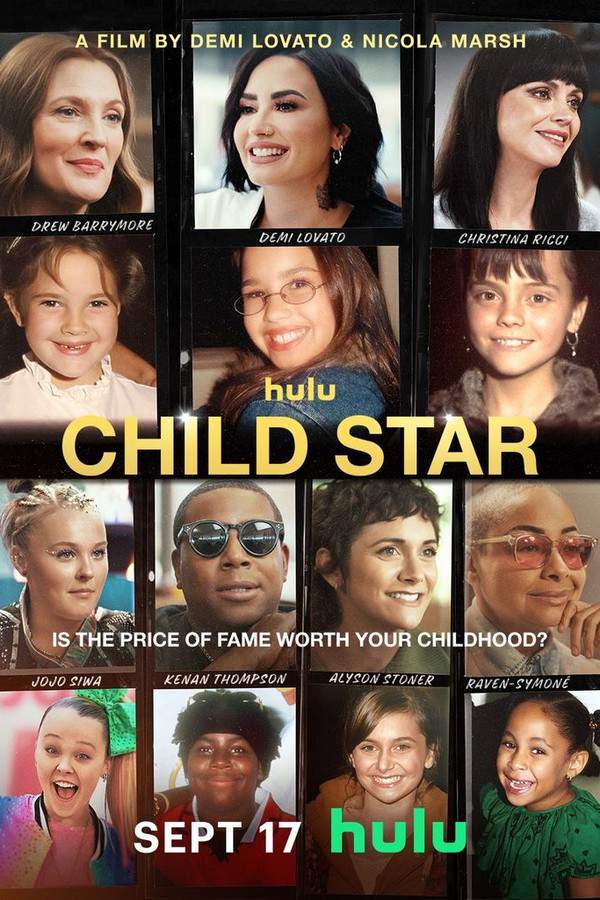
Child Star (2024) movie poster

Plot Summary

Child Star (2024) Plot Summary Explained

Release, runtime and language
2024 · English
Echo score 66
Loading streaming availability…
Directed by
Nicola Marsh
Starring
Christina Ricci, Drew Barrymore, Demi Lovato, Kenan Thompson, Raven-Symoné, Alyson Stoner

This documentary explores the experiences of former child celebrities, examining the challenges and successes they encountered growing up in the spotlight. Directed by Demi Lovato and Nicola Marsh, the film provides an intimate and revealing look at the complexities of fame and the pressures faced by young performers.

On this page (6)
  1. 1 Where to watch
  2. 2 What happens: full plot
  3. 3 Plot questions answered
  4. 4 Movie threads
  5. 5 Movies like Child Star
  6. 6 Every angle
Loading streaming availability…

Full plot summary · contains spoilers

What Happens in Child Star: Full Plot Summary

The whole story of Child Star (2024) explained, from the opening scene to the final frame: every key event, every twist and what it all adds up to. Read it as a quick recap before the sequel, to check a scene you missed, or to finally understand what really happened.

Child Star opens with a candid room full of children answering questions about their dreams, what fame means to them, and how being on camera shapes their everyday feelings. The opening sequences set a quiet, reflective tone, inviting viewers to consider not just the glitz but the broader forces at work behind a lifetime spent in front of the camera. The film then threads in a clear historical arc, showing how child stardom has grown into a powerful economic phenomenon in the United States, tracing its roots from early screen legends to today’s media landscape.

Throughout the documentary, Demi Lovato leads a series of intimate conversations with other former child performers who lived through fame when they were young. These discussions bring together a diverse group, including Drew Barrymore, JoJo Siwa, Raven-Symoné, Christina Ricci, Alyson Stoner, and Kenan Thompson. Each person shares personal memories of stepping into the limelight, the choices they faced, and how those early experiences shaped their later paths in acting and beyond. The conversations are thoughtful and open, balancing nostalgia with a critical look at the pressures that come with early fame.

The documentary also features input from Chris Columbus, a veteran producer known for major projects like Home Alone and the early Harry Potter films. He offers behind-the-scenes perspectives on casting and the ripple effects fame can have on young actors’ lives, enriching the dialogue with practical anecdotes about the industry’s workings. His contributions help anchor the film’s examination of how talent is discovered, nurtured, and sometimes stretched beyond its limits.

Lovato’s own story forms a central thread, as the movie recounts her experiences as a child performing on Barney & Friends and later stepping into music and acting on the Disney Channel. The film uses her journey to illustrate how a child star navigates multiple entertainment spheres, balancing work, family, and personal growth. The narrative also extends to Lovato’s family life, including her sister Madison De La Garza, who is mentioned as part of the familial conversations that pepper the documentary with warmth and a sense of shared history.

As the film moves toward its finale, Lovato engages with aspiring young actors who ask sincere, personal questions about fame, resilience, and identity. These interactions underscore the film’s core message: fame is a complex classroom with lessons that extend far beyond childhood. The closing moments bring viewers into a creative space where Lovato sits in the studio, writing and recording the hopeful track “You’ll Be OK, Kid,” a closing note that resonates with the film’s overall tone of honest reflection and perseverance.

The structure of Child Star blends historical insight with contemporary voices, interweaving archival context, personal narratives, and practical reflections on what it takes to grow up in the spotlight. The result is a thoughtful, nuanced portrait of child stardom that never shies away from difficult questions while still acknowledging the moments of inspiration, resilience, and achievement that accompany a life spent in the public eye. The film invites audiences to listen closely to the varied experiences of its participants, from iconic names to rising talents, all of whom illuminate the enduring question of what fame really means when you’re a child learning to find your own voice.

Last updated: February 03, 2026 at 07:41

Was this helpful?

Plot questions answered

Child Star Plot Explained: Your Questions Answered

The questions people ask most about Child Star (2024): what happens in the confusing scenes, why the characters do what they do, the twists, hidden details and what the ending means. Each answer contains spoilers.

Q1

Why did Demi Lovato decide to make this documentary about child stars?

Demi Lovato drew from her own experiences as a former child performer on *Barney & Friends* and the Disney Channel to create this documentary. She wanted to provide an intimate platform for former child celebrities to openly discuss both the pressures and the positive aspects of growing up in the spotlight. The film serves as both a personal reflection and a broader examination of how fame impacts young performers throughout their lives.

Foreshadowing: The opening sequence with children answering questions about fame foreshadows Lovato's own journey into those same questions.

  • demi lovato
  • documentary
  • child stars
  • motivation
  • barney and friends
  • disney channel
Q2

What perspective does Chris Columbus add to the documentary?

Chris Columbus, known for producing *Home Alone* and early *Harry Potter* films, offers behind-the-scenes industry insights about casting child actors and the long-term effects of fame. He discusses the responsibilities producers have in protecting young performers and shares anecdotes about working with child stars, emphasizing mentorship and the need to balance career demands with the well-being of young actors.

Foreshadowing: His discussion of casting practices connects to the historical context of how child stars have been discovered and managed over decades.

  • chris columbus
  • hollywood
  • casting
  • child actors
  • producer
  • home alone
  • harry potter
Q3

How does Drew Barrymore's story illustrate the challenges of child stardom?

Drew Barrymore discusses growing up in Hollywood from a very young age, sharing her experiences with intense media scrutiny and the pressures that came with being a child star. She reflects on the personal resilience required to survive the entertainment industry as a minor and the difficult choices she faced as her career evolved. Her story highlights both the opportunities and significant costs of early success in Hollywood.

Foreshadowing: Barrymore's journey demonstrates patterns that would repeat across generations of child performers featured in the documentary.

  • drew barrymore
  • child star
  • media scrutiny
  • hollywood
  • resilience
  • career
Q4

Why is JoJo Siwa's experience relevant to understanding modern child fame?

JoJo Siwa's experience represents the contemporary landscape of child stardom, where social media amplifies visibility and scrutiny for young performers. She discusses maintaining an authentic identity while navigating branding, online criticism, and the pressures of constant public attention. Her perspective shows how the nature of fame has evolved from traditional television and film to include digital platforms that create new challenges for young celebrities.

Foreshadowing: Siwa's discussion reflects the documentary's argument that each generation faces unique pressures in the spotlight.

  • jojo siwa
  • social media
  • modern fame
  • branding
  • young performers
  • digital age
Q5

What historical context does the documentary provide about child stardom?

The documentary traces the history of child stardom in America from the silent era, highlighting early figures like Jackie Coogan and Shirley Temple. It explains how young performers became economically important to Hollywood and how labor laws and earnings management shaped industry practices. This historical arc demonstrates that the challenges facing child stars today have deep roots in industry practices spanning nearly a century.

Foreshadowing: The historical segment establishes the economic incentives that have historically driven the entertainment industry's reliance on child performers.

  • history
  • hollywood
  • shirley temple
  • jackie coogan
  • child labor
  • earnings
  • industry practices
Q6

How does Madison De La Garza factor into the documentary's story?

Madison De La Garza, Demi Lovato's sister, appears in family conversations that explore how fame affects not just the performer but their entire family. These discussions reveal how familial relationships help young stars cope with public attention, maintain boundaries, and stay grounded. The inclusion of family perspective adds depth to the documentary by showing that the impacts of childhood fame extend beyond the individual celebrity.

Foreshadowing: The family conversations reinforce the documentary's broader theme that child stardom affects entire family systems.

  • madison de la Garza
  • family
  • fame
  • support system
  • relationships
  • siblings
Q7

What does the closing song 'You'll Be OK, Kid' symbolize in the documentary?

The documentary ends with Demi Lovato writing and recording 'You'll Be OK, Kid' in the studio, a hopeful anthem about resilience and perseverance for young performers. This closing moment synthesizes the documentary's message by transforming the collective experiences of struggle into a message of hope. The song serves as both a personal conclusion to Lovato's journey and a gift for aspiring child actors navigating their own paths in the entertainment industry.

Foreshadowing: The hopeful tone of the closing song contrasts with the more difficult stories shared throughout the documentary, representing the documentary's bittersweet tone.

  • you'll be ok kid
  • song
  • recording studio
  • hopeful
  • resilience
  • message
  • closing
Q8

Why does the documentary feature such a wide range of former child stars?

By including diverse voices like Raven-Symoné, Christina Ricci, Alyson Stoner, and Kenan Thompson, the documentary demonstrates that experiences of child stardom vary significantly across different eras, genres, and career trajectories. Each participant offers unique perspectives on topics like balancing professional opportunities with personal life, sustaining long careers, and navigating public perception. This variety allows the film to present a nuanced portrait rather than a single narrative about growing up famous.

Foreshadowing: The diversity of interviews supports the documentary's argument that there is no single experience of child stardom.

  • raven-symoné
  • christina ricci
  • alyson stoner
  • kenan thompson
  • diversity
  • interviews
  • perspectives
Q9

What questions do aspiring child actors ask Demi Lovato in the documentary?

In the closing segment, aspiring young actors ask Lovato genuine questions about handling fame, building resilience, and maintaining identity under public scrutiny. Lovato provides practical advice about setting boundaries, coping with media attention, and approaching the entertainment industry with honesty and self-awareness. This interaction directly addresses the documentary's core message about preparing the next generation of performers.

Foreshadowing: These questions echo the opening scene where children discuss their fears and aspirations about fame, creating a thematic circularity.

  • aspiring actors
  • advice
  • fame
  • resilience
  • boundaries
  • mentorship
  • questions
Q10

How does the documentary balance criticism of the industry with nostalgic reflections?

The documentary takes a thoughtful approach by allowing participants to share both difficult experiences and positive memories from their childhoods. While it addresses serious topics like exploitation and psychological pressure, it also acknowledges moments of inspiration, friendship, and artistic growth. This balanced tone reflects the documentary's bittersweet quality, it doesn't dismiss the joy that performing can bring while honestly examining the costs.

Foreshadowing: The interviews consistently oscillate between critical reflection and genuine affection for the craft, setting up the nuanced conclusion.

  • balance
  • criticism
  • nostalgia
  • industry
  • positivity
  • negative
  • experience

Movie threads

More Movies Like Child Star, by Mood & Story

Curated lists built around what makes Child Star tick: the same mood, the same kind of story or the same emotional payoff. Each list explains why these movies belong together.

Candid Celebrity Documentaries like Child Star

Intimate documentaries that reveal the hidden pressures of fame and public life. If you appreciated the revealing look at fame in 'Child Star', explore these other films that examine the personal toll of celebrity. This collection features intimate documentaries and insightful biopics that challenge the glamorous facade of public life, perfect for viewers who like eye-opening personal stories.

  • eye-opening
  • candid
  • intimate
  • reflective
  • critical
  • revealing
  • Tone: candid, bittersweet, reflective
  • Pacing: steady, interview-driven
Why these movies?

The story pattern: Stories in this thread are typically structured around personal testimonies and archival footage, building a case about the systemic issues within an industry while focusing on individual emotional journeys from innocence to disillusionment and, often, to resilience.

Why they belong together: These films are grouped together because they share a commitment to intimate, candid storytelling about fame. They balance a critical perspective with deep empathy for their subjects, creating a viewing experience that is both informative and emotionally resonant.

Bittersweet Stories of Resilience like Child Star

Stories of overcoming trauma that find hope without sugarcoating the pain. Fans of 'Child Star' who were moved by its blend of heavy themes and hopeful resolution will find more powerful stories here. This selection highlights films where characters confront profound challenges and emerge scarred but stronger, offering a realistic and ultimately uplifting view of personal recovery.

  • hopeful
  • melancholic
  • bittersweet
  • resilient
  • cathartic
  • emotional
  • Tone: bittersweet, melancholic, hopeful
  • Pacing: steady, character-driven
Why these movies?

The story pattern: The narrative pattern follows a downward arc into difficulty or trauma, followed by a slow, often non-linear process of reckoning and healing. The climax is not a simple victory but a hard-won sense of peace or a new purpose born from pain.

Why they belong together: These movies are united by their emotional trajectory: they earn their hopeful endings by first honestly grappling with darkness. The balance between acknowledging profound sadness and celebrating human resilience creates a uniquely powerful and cathartic vibe.

If you liked this

Movies Like Child Star

Similar movies to Child Star: the same genre, themes or kind of story. Each one comes with its own plot summary, timeline and ending explained.

Browse all movie summaries

Every angle

Child Star (2024) Explained: Plot, Timeline & Characters

Everything about Child Star in one place: what happens in the plot summary, the timeline in chronological order, the characters and meaning and a spoiler-free summary. What's After the Movie adds the cast, box office and post-credit scenes.

Coming soon on iOS and Android

The Plot Explained Movie Summary App

Plot summaries, endings explained and timelines on your phone. Catch up on any movie in minutes, save your favorites and never miss a twist again.

Be the first to know when we launch. Your email stays private, always.

Learn more about the app